

Blog
-

A Friend for Your Cat: Is It Worth Adopting a Second Pet?
A second cat can be a playmate and a cure for boredom for your pet, or a source of constant stress. We look at how social cats really are, what the benefits of adopting a second cat can be, when it makes sense and in which situations it is better to leave things as they are.
Read more -

How to Get Your Dog Used to a Muzzle and How to Choose the Right One
A muzzle is not a punishment but a safety tool for your dog and everyone around it, whether on public transport, at the vet's or on a busy walk. We explain when a muzzle is genuinely needed, how to introduce it step by step without stress, and what to look for when choosing one: size, material, type and fastenings.
Read more -
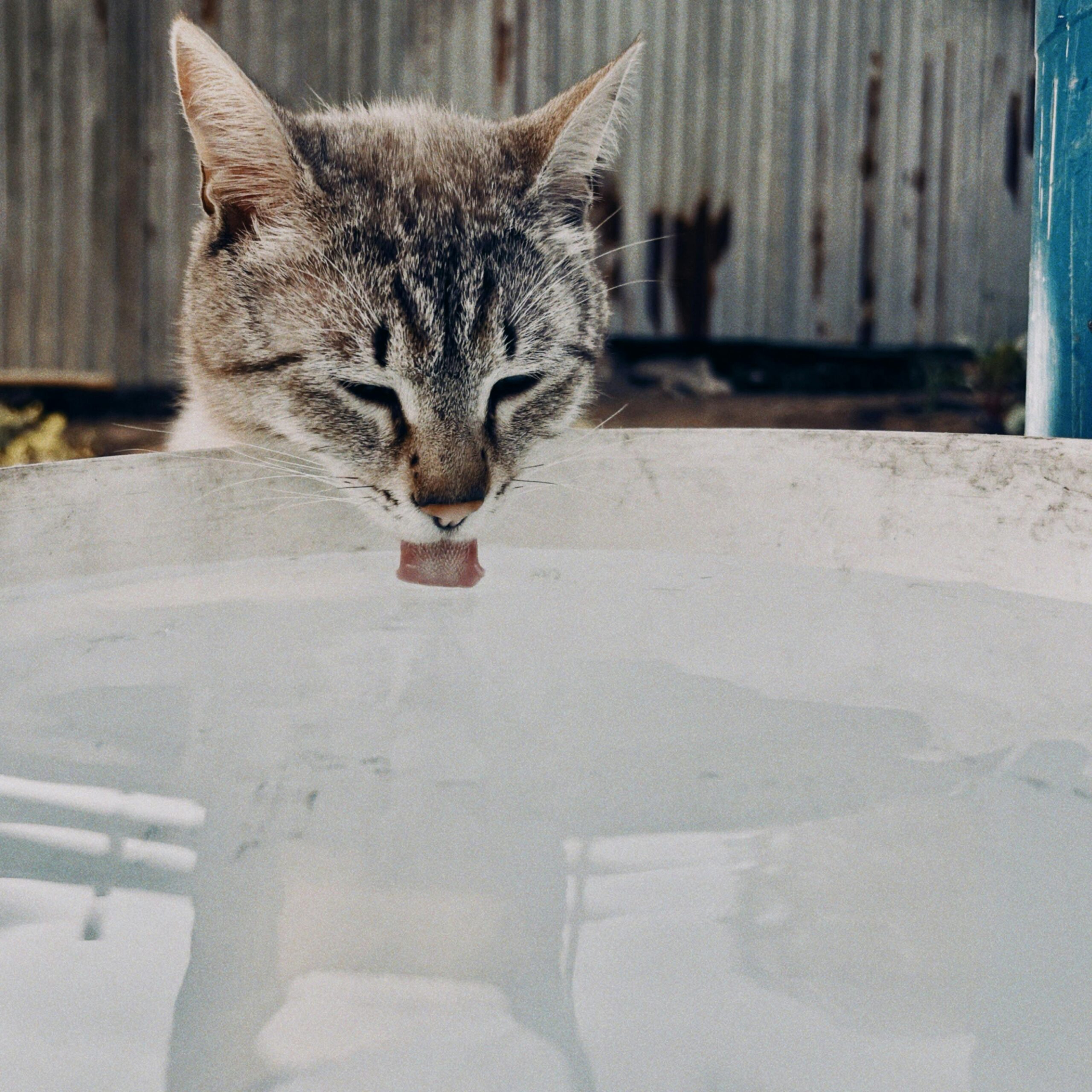
The Role of Water in a Cat’s Life: How to Keep Your Pet Properly Hydrated
Water keeps a cat's kidneys, digestion, temperature regulation and joints working properly, yet many cats simply do not drink enough. We explain how much fluid a cat needs each day, why dehydration is dangerous, why cats often ignore their water bowl and which simple tricks encourage them to drink more.
Read more -

Paroxysmal Dyskinesia in Dogs: Symptoms, Diagnosis and Treatment
Paroxysmal dyskinesia is a movement disorder often mistaken for epilepsy, yet the dog stays fully conscious during an episode. We explain what the episodes look like, which breeds are predisposed, how vets reach a diagnosis and what owners can do, from medication to a calm, predictable daily routine.
Read more -

Juvenile Cellulitis in Dogs: Symptoms, Diagnosis and Treatment
Juvenile cellulitis (puppy strangles) is a rare but serious condition affecting puppies between 3 weeks and 4 months of age. We look at its likely causes, how to recognise facial swelling, pustules and enlarged lymph nodes, how vets confirm the diagnosis, and why early treatment with glucocorticoids usually means a good outcome.
Read more -

Fleas on cats: problems, symptoms and how to get rid of them
Fleas on a cat mean more than just itching. We explain how to tell if your cat has fleas, where they come from, how to get rid of them with spot-on drops, collars, tablets and cleaning the home, what complications they can cause, and whether they can be passed on to humans.
Read more -
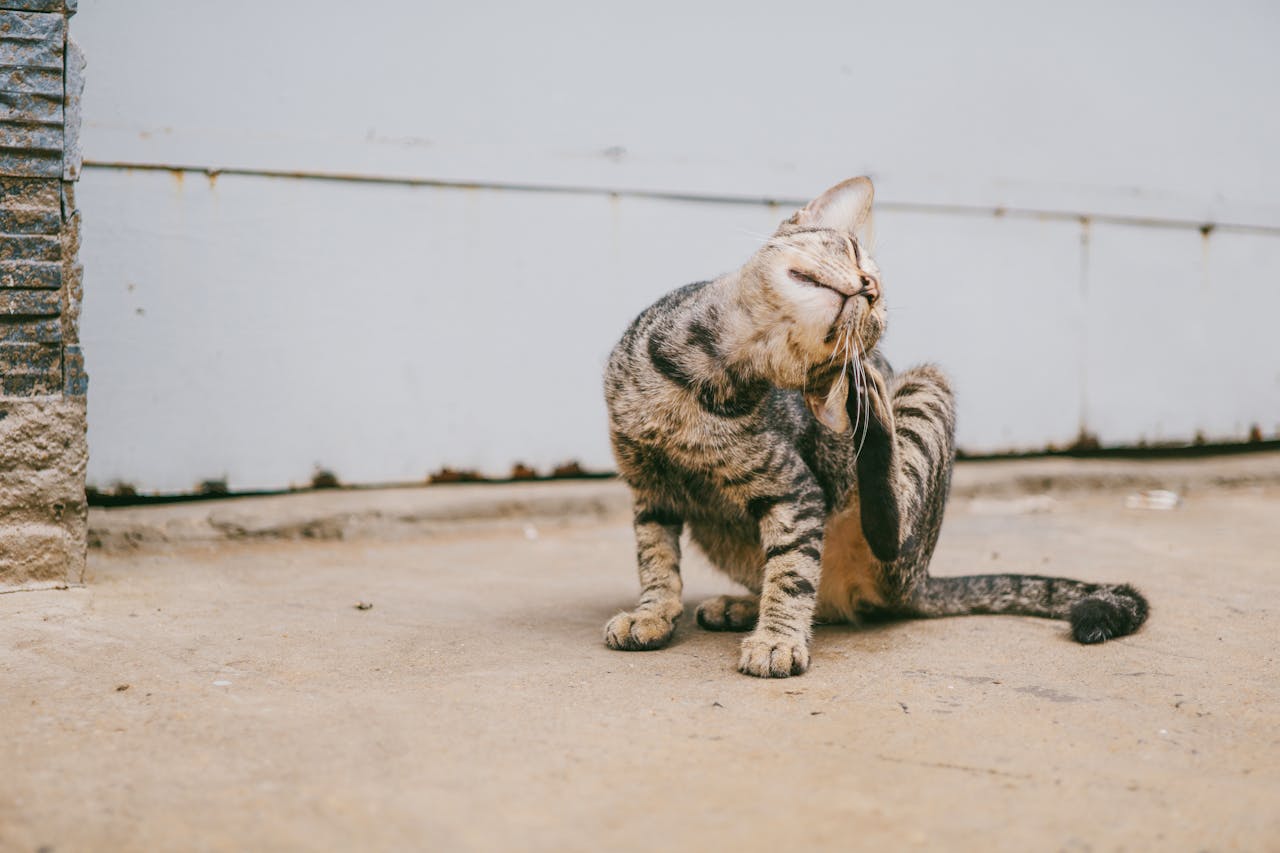
Dandruff in cats: causes, symptoms and home remedies
Dandruff in cats is not a disease in itself but a sign that something is wrong with the skin. We explain where it comes from – dry skin, allergies, parasites, infections or stress – how a vet diagnoses it, how it is treated, and which home remedies can help ease the symptoms.
Read more -

Can cats eat strawberries? Is it safe?
Can cats eat strawberries? Yes, but only occasionally and in small amounts. We explain why cats take an interest in fruit, the benefits and risks of strawberries, how to offer them safely, and which other fruits and treats are suitable for cats.
Read more -

Diabetes in dogs. Can a dog have diabetes? Symptoms, diagnosis and treatment
Can a dog have diabetes? Yes, and it is being diagnosed more and more often. We explain the difference between type I and type II diabetes, the symptoms to watch for, how a vet makes the diagnosis, and why insulin therapy combined with the right diet lets a dog live a full life.
Read more -

Hernias in Dogs: Diagnosis, Breeds at Risk, Puppies and Treatment
A hernia in a dog occurs when internal organs push through a weak spot in the abdominal wall, and if they become trapped it can be life-threatening. We explain the different types of hernia, what causes them, which breeds and puppies are most at risk, what symptoms to look out for and how hernias are treated.
Read more -

Hypothyroidism in Dogs
Hypothyroidism means the thyroid gland is not producing enough hormones, which slows down a dog's metabolism. We explain what causes the condition, which breeds are most at risk, what symptoms to look out for, how it is diagnosed and treated, and what you can do to help prevent it.
Read more -

CPR for Dogs: What to Do When Your Pet Has Stopped Breathing
Has your dog suddenly stopped breathing? The most important thing is to stay calm and follow a clear plan. We explain what a dog's normal vital signs are, how to check the animal's condition, how to perform CPR correctly, what to do afterwards, and why every home should have a first aid kit for dogs.
Read more