

-
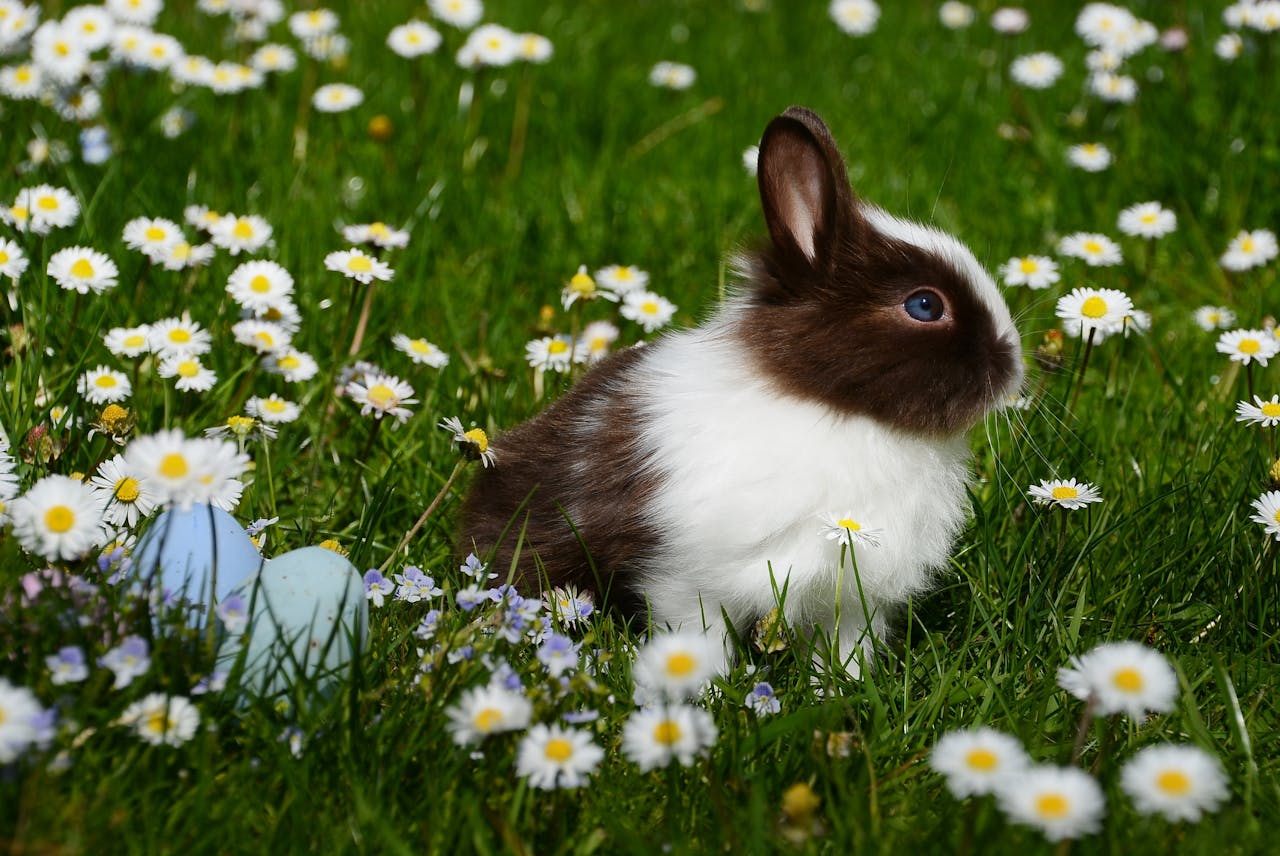
Parasitic diseases in rabbits: the commonest threats and how to prevent them
Coccidiosis, encephalitozoonosis, ear mange and cheyletiellosis are the parasitic diseases pet rabbits meet most often, and they can go unnoticed for a long time. We explain how they are diagnosed in the laboratory, how they are treated, and which hygiene, quarantine and feeding rules keep infection at bay.
-

How to protect your dog’s paws in winter
Frost, ice and road salt leave a dog's pads irritated, cracked and sometimes frostbitten every winter. We explain how to pick a route and a protective wax before the walk, how to rinse and dry the paws properly once you are home, and which signs mean it is time to call the veterinary clinic.
-
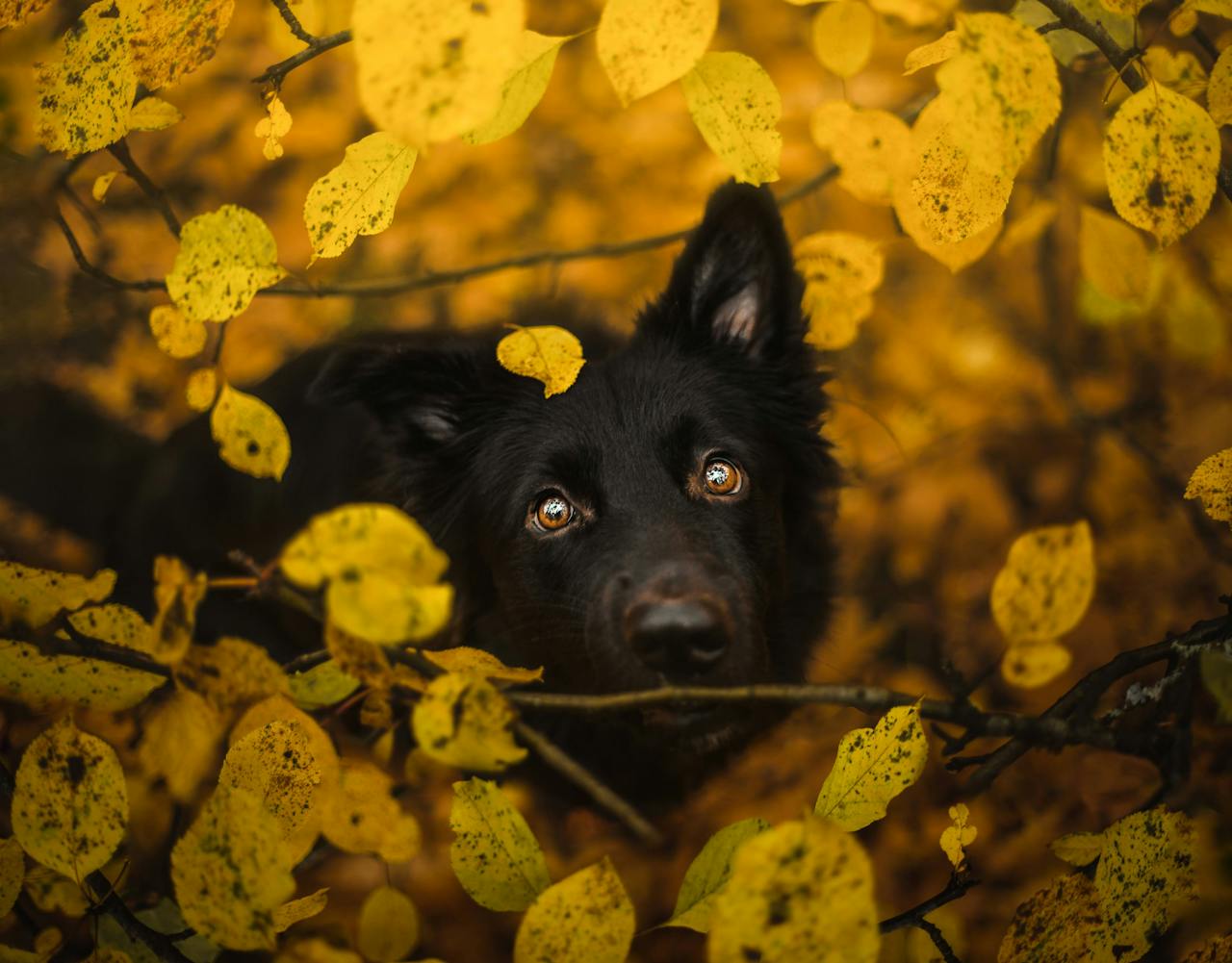
Horner’s syndrome in dogs and cats: signs, causes, diagnosis and treatment
A drooping eyelid, a smaller pupil and a visible third eyelid on one side add up to Horner's syndrome. It is not painful in itself and does not harm sight, but it often signals another, more serious condition underneath. We explain the causes, the diagnostic steps, the pharmacological tests and the treatment options.
Hypothyroidism in Dogs

What is hypothyroidism in dogs?
Hypothyroidism in dogs is a condition in which the thyroid gland does not produce enough hormones, which slows down the body’s metabolism. In dogs, as in humans, the thyroid is responsible for producing key hormones such as thyroxine (T4) and triiodothyronine (T3), which regulate metabolic processes. When the levels of these hormones fall, a dog may show signs such as lethargy, weight gain without eating more, skin problems or intolerance of the cold. Hypothyroidism can be caused by a range of factors, including autoimmune damage to the gland and genetic predisposition. Diagnosing and treating the condition is essential to improve the dog’s quality of life and minimise the unpleasant symptoms.
What causes hypothyroidism?
Hypothyroidism in dogs can have various causes. The most common is lymphocytic thyroiditis, an autoimmune disease in which the immune system attacks the tissue of the gland, damaging it and reducing hormone production. Another cause is thyroid atrophy, which can occur with age and leads to a wasting of the glandular tissue. Research also points to a genetic predisposition, as some breeds are more prone to the condition. Breeds at particular risk of hypothyroidism include the Golden Retriever, Bernese Mountain Dog, Dobermann, German Shepherd, Cocker Spaniel, Basset Hound and Weimaraner. Owners of these breeds should be aware of the risk and monitor their pets’ health regularly, which will help to detect and treat hypothyroidism early.
Symptoms of hypothyroidism in dogs
The symptoms of hypothyroidism in dogs can vary, and they are often mistaken for other conditions. Owners may notice that their pet becomes more lethargic, less active and less interested in play. This is often accompanied by weight gain, even with no change in diet. Skin problems are another sign worth watching for: dry skin, a brittle coat and excessive hair loss can point to a hormonal imbalance. Dogs with hypothyroidism may also tolerate the cold less well, which is linked to their slower metabolism. In some cases, recurrent skin infections that are difficult to clear up also develop.
Diagnosing hypothyroidism
Diagnosing hypothyroidism in dogs starts with a detailed history taken from the owner and a basic clinical examination. The veterinarian gathers information about the symptoms, the dog’s behaviour, its diet, lifestyle and medical history. They then assess the pet’s health, which includes weighing the dog, checking the condition of its skin and coat, and examining its general health parameters. If the history and examination raise a suspicion of hypothyroidism, the vet may order more detailed blood tests, including measuring T3 and T4 hormone levels. Analysing these hormones provides key information about thyroid function and allows a correct diagnosis to be made, which is essential before appropriate treatment can begin. Where needed, further tests are carried out to assess the dog’s health more precisely.
Treatment options for hypothyroidism
Treatment of hypothyroidism in dogs centres on supplementing synthetic thyroid hormones, most often in the form of levothyroxine. The aim of this medication is to make up for the shortfall in T4 in the body, restoring normal metabolism and improving the dog’s overall health. The veterinarian sets an individual dose, which is monitored regularly through blood tests to make sure hormone levels are where they should be. Owners of dogs with hypothyroidism should also pay close attention to their pet’s diet, because an increased appetite in some dogs can lead to weight gain.
Controlling the amount of food given is key to preventing obesity. With the right therapy, many dogs feel noticeably better and enjoy a higher quality of life, and with proper treatment they can lead long, healthy lives. Bear in mind, however, that hypothyroidism is a chronic condition, which means ongoing medication and regular follow-up with the veterinarian to adjust the dose as the animal’s needs change.
Preventing hypothyroidism in dogs: the key to good health
Prevention plays a key role in detecting potential health problems early and minimising the risk of hypothyroidism developing. Regular veterinary check-ups, including routine blood tests, are an important part of healthcare. Owners should take their dogs to the vet once or twice a year, and these visits should include a basic blood count and tests of thyroid function, especially in breeds predisposed to hypothyroidism. In addition, a thoughtful approach to feeding, a diet tailored to the dog’s needs and maintaining a healthy weight all support overall health. Owners should also watch for any changes in their pet’s behaviour, such as reduced activity, weight gain or skin problems, which may point to a thyroid issue. Early intervention, based on awareness and regular observation, can help to manage and treat any thyroid disorders effectively, contributing to a longer and healthier life for the dog.
Summary
Early diagnosis and appropriate therapy are fundamental to giving dogs a healthy and comfortable life. With consistent care, regular check-ups and close cooperation with the veterinarian, dogs with this condition can enjoy a good quality of life, and their owners can rest assured about their pets’ health. The key to success is a holistic approach to the animal’s health that covers not only the medical side but also diet and physical activity.