

Blog
-
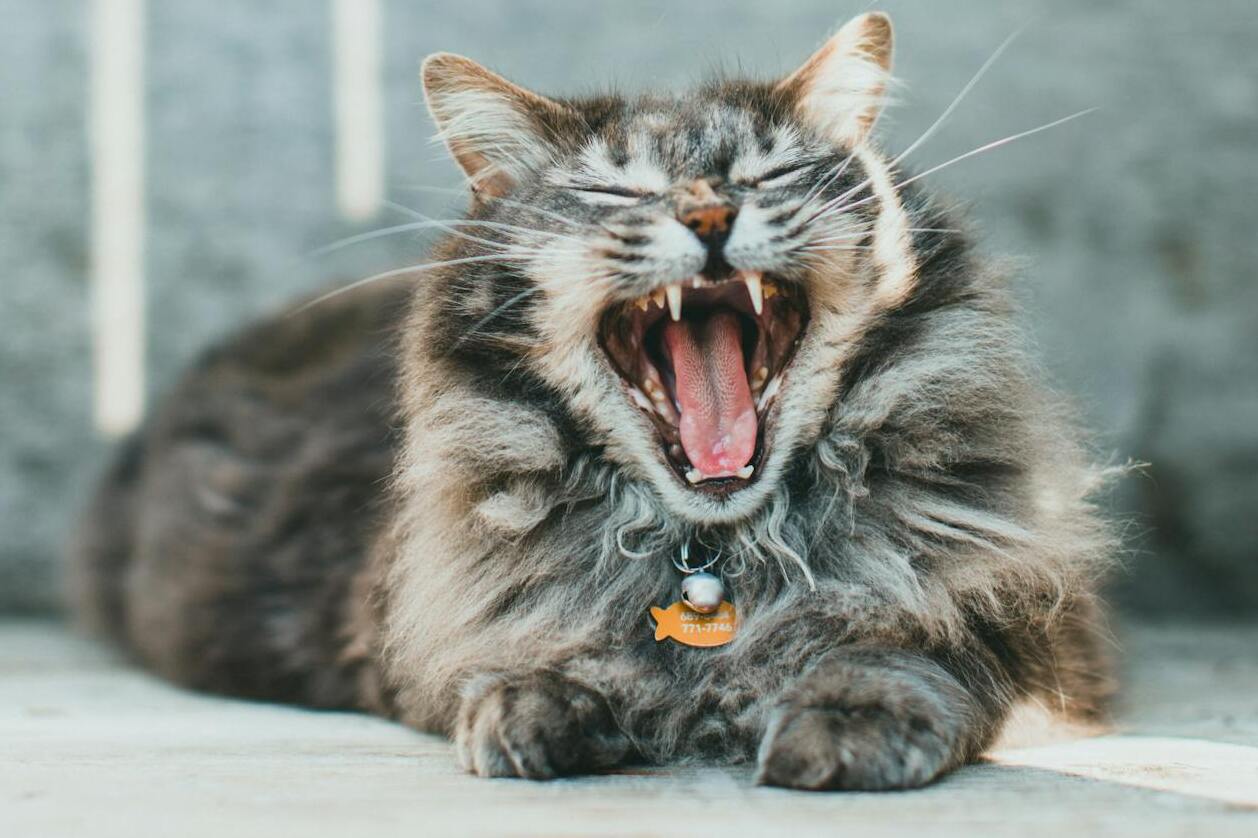
Cardiovascular prevention in cats: the key to your pet’s health
A cat's healthy heart begins with everyday basics: a balanced diet, exercise, a calm environment and regular check-ups. We look at which breeds need extra attention, which supplements support the heart and blood vessels, and why echocardiography catches problems early.
Read more -
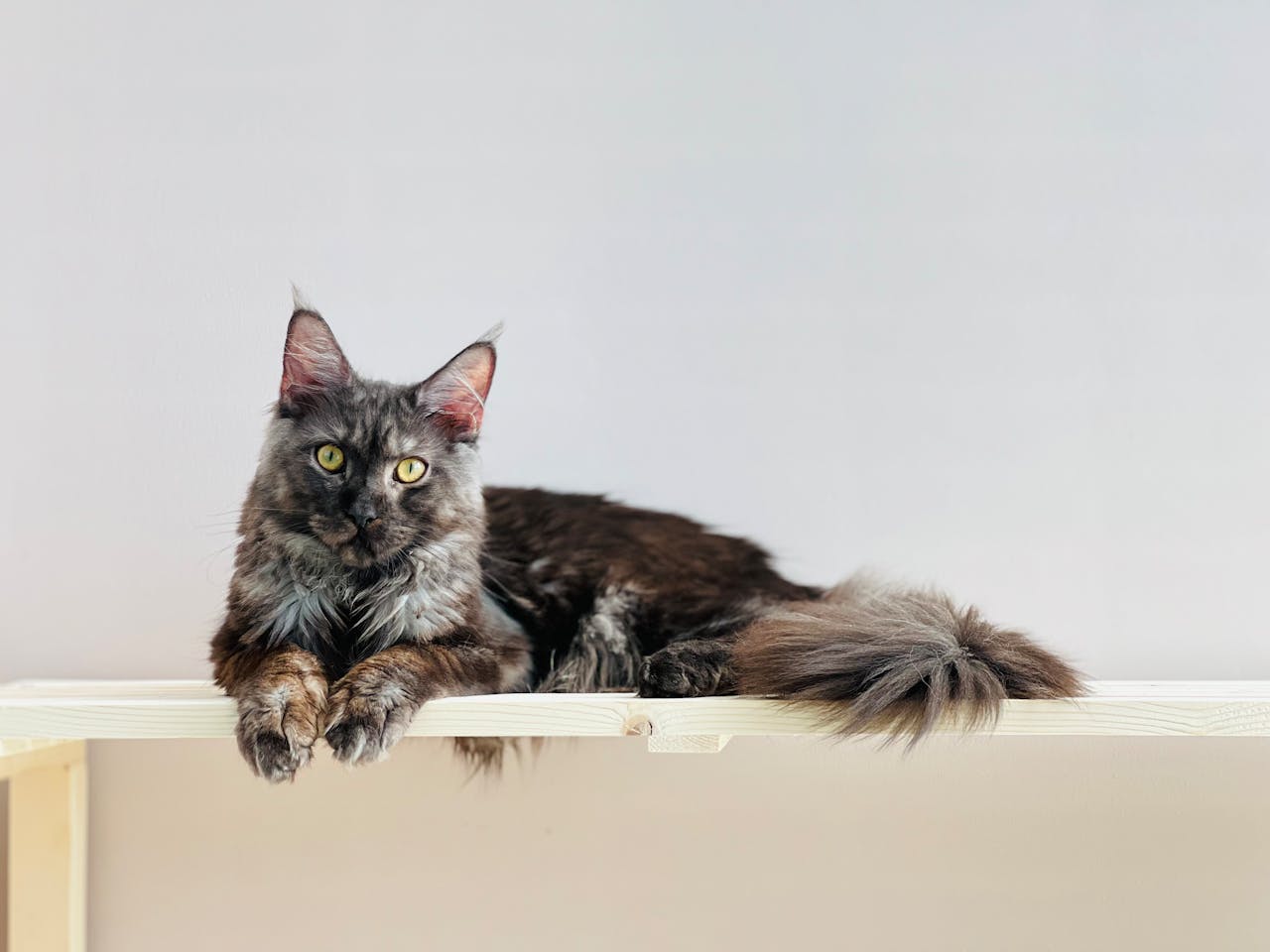
Your cat’s heart: understanding heart disease in our furry friends
Heart disease affects cats of every age and often goes unnoticed for a long time. We explain what hypertrophic and dilated cardiomyopathy, valve disorders, myocarditis and ischaemic heart disease actually are, which breeds are most at risk, and which signs should prompt a visit to the vet.
Read more -
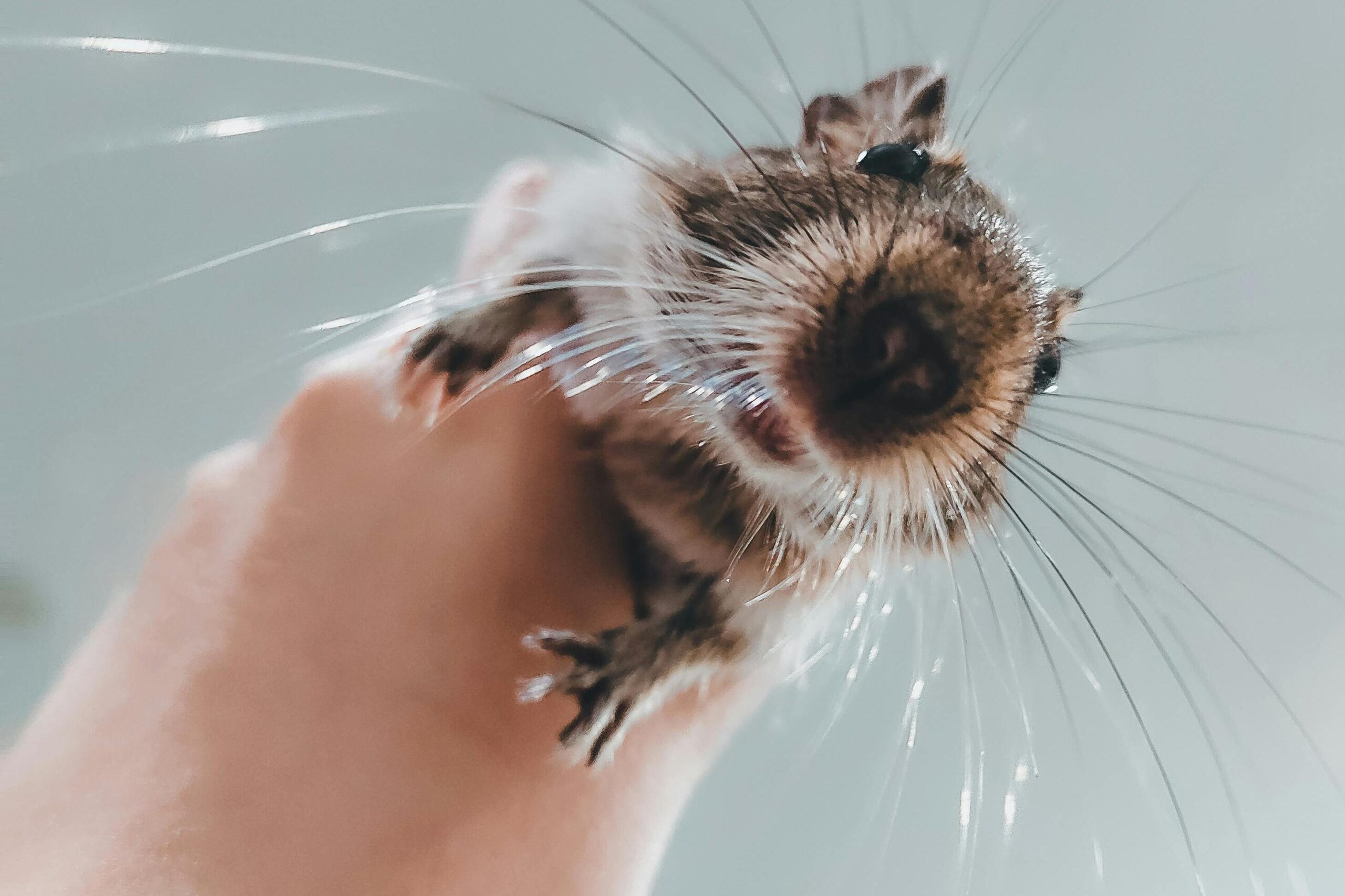
Degus – small animals with great charm
Degus are sociable rodents from Chile that are increasingly kept as pets. We cover their origins and appearance, a diet free of sugar and fat, how to set up a spacious multi-level cage, sand baths, and why they need at least one companion.
Read more -

Why do dogs eat stones? Causes and solutions
A dog picking up and swallowing stones may be bored or stressed, or may be dealing with anaemia or intestinal inflammation. We explain why the habit is dangerous, how to break it, and what to do once a stone has already been swallowed.
Read more -

The canine ethogram: understanding the behaviour of our four-legged friends
An ethogram is a detailed catalogue of typical canine behaviour that helps us read the signals dogs send. We look at how ethograms are compiled, why early wolf-based research went astray, and what the ethogram says about sleep, play, socialisation and walks.
Read more -
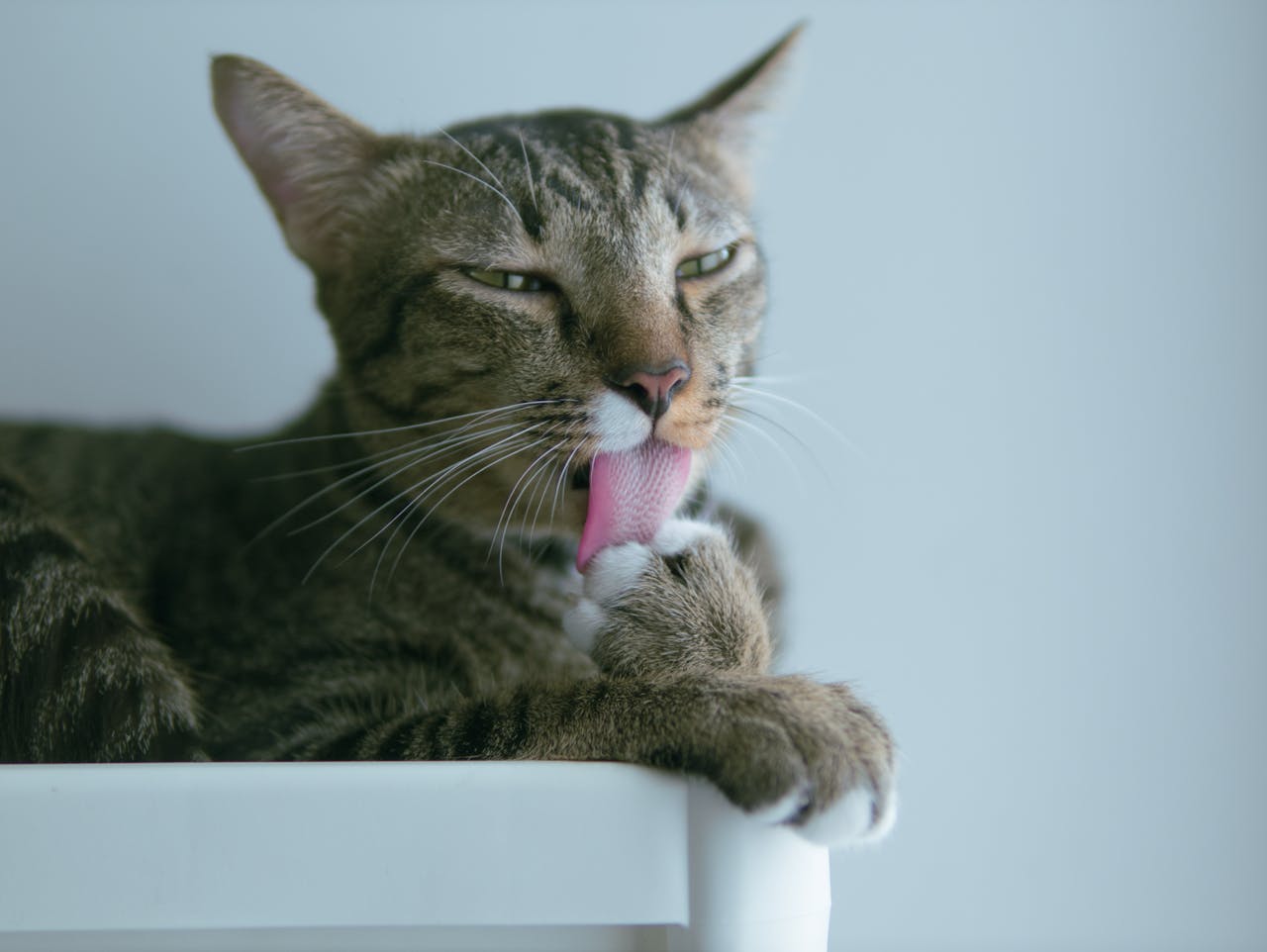
Cat owners, take note! When hairballs turn dangerous — don’t miss these signs
Hairballs look like a trivial nuisance, yet they can occasionally cause intestinal obstruction. We explain how trichobezoars form, which breeds are most at risk, and which signs — vomiting, loss of appetite, constipation — mean it is time to see a vet.
Read more -
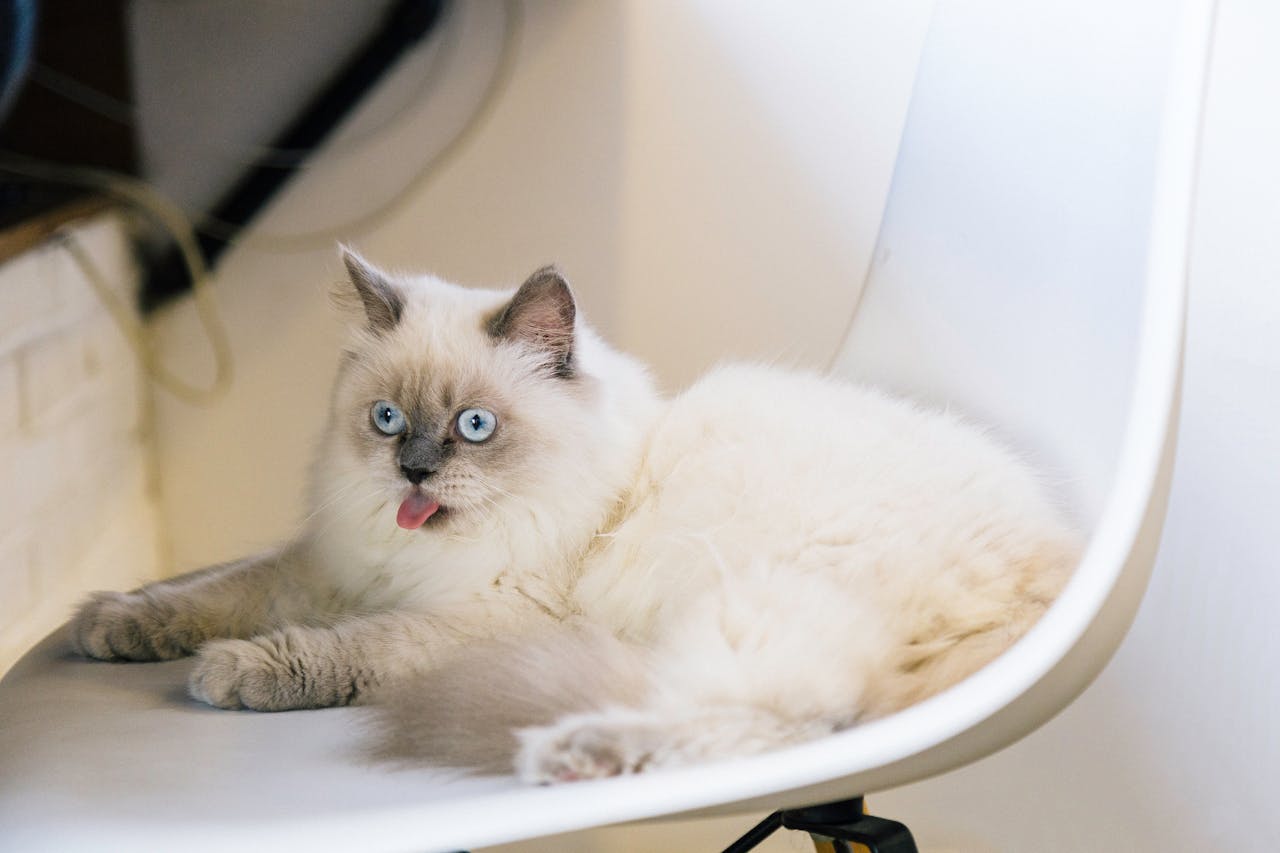
Don’t ignore it! Why drooling in a cat can signal a serious health problem
Your cat is drooling — when is that normal, and when is it a red flag? We look at the signs every owner should watch for and the conditions that hide behind excessive salivation, from dental disease and swallowed foreign bodies to poisoning, kidney problems and tumours.
Read more -

What Is a Cat Sitter? Meet the Experts in Feline Care
A cat sitter looks after your cat in their own home while you are away: feeding, changing the water, cleaning the litter tray and keeping them company. We explain why a professional beats an untrained helper, how to find the right one, and how to become a cat sitter yourself.
Read more -

Understanding Addison’s Disease. How to Look After Your Dog’s Health
Addison's disease creeps up gradually, and its signs are easily put down to tiredness or an upset stomach. We explain why the adrenal cortex stops producing hormones, which breeds are at risk, what to watch for at home and what long-term treatment involves.
Read more -

Crohn’s Disease in Dogs: Symptoms, Diagnosis and Treatment
Chronic bowel inflammation in dogs develops quietly, and its signs are easily mistaken for other conditions. We explain what happens in the body with IBD, which breeds are at risk, how the diagnosis is made, how it is treated and what happens if it is left too long.
Read more -

Are Cats Really Loners?
The picture of the cat as a self-sufficient loner is increasingly at odds with the research. We look at how wild cats live in groups, why our pets seek out our company, and what cats are capable of in their relationships with dogs and with each other.
Read more -

Does Your Cat Understand You? What Science Says About Cross-Species Communication
Cats read us far more closely than we tend to assume: they pick up on tone of voice, facial expressions, tension in the body, and they even learn the phrases we repeat every day. Here is what researchers have found about cross-species communication, and how it can help you understand your cat.
Read more