

-
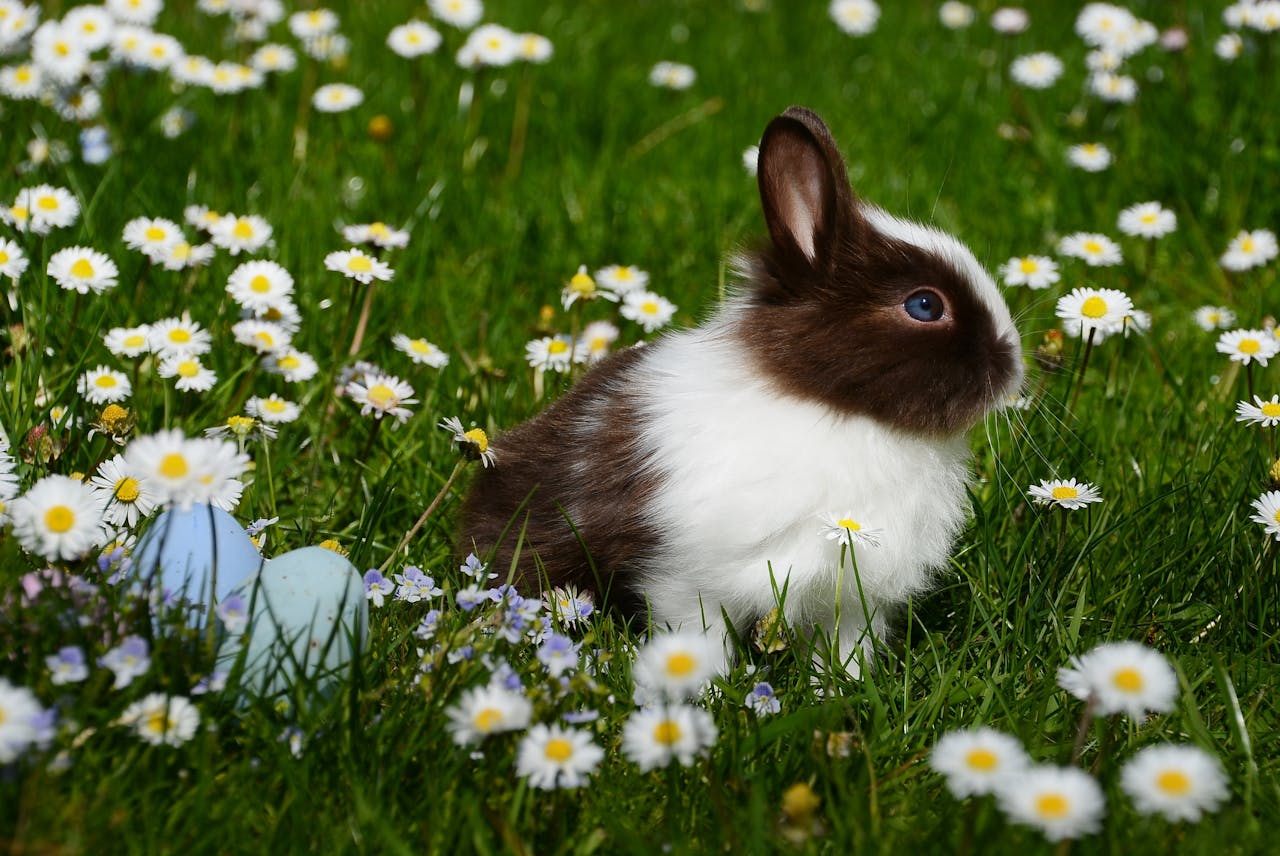
Parasitic diseases in rabbits: the commonest threats and how to prevent them
Coccidiosis, encephalitozoonosis, ear mange and cheyletiellosis are the parasitic diseases pet rabbits meet most often, and they can go unnoticed for a long time. We explain how they are diagnosed in the laboratory, how they are treated, and which hygiene, quarantine and feeding rules keep infection at bay.
-

How to protect your dog’s paws in winter
Frost, ice and road salt leave a dog's pads irritated, cracked and sometimes frostbitten every winter. We explain how to pick a route and a protective wax before the walk, how to rinse and dry the paws properly once you are home, and which signs mean it is time to call the veterinary clinic.
-
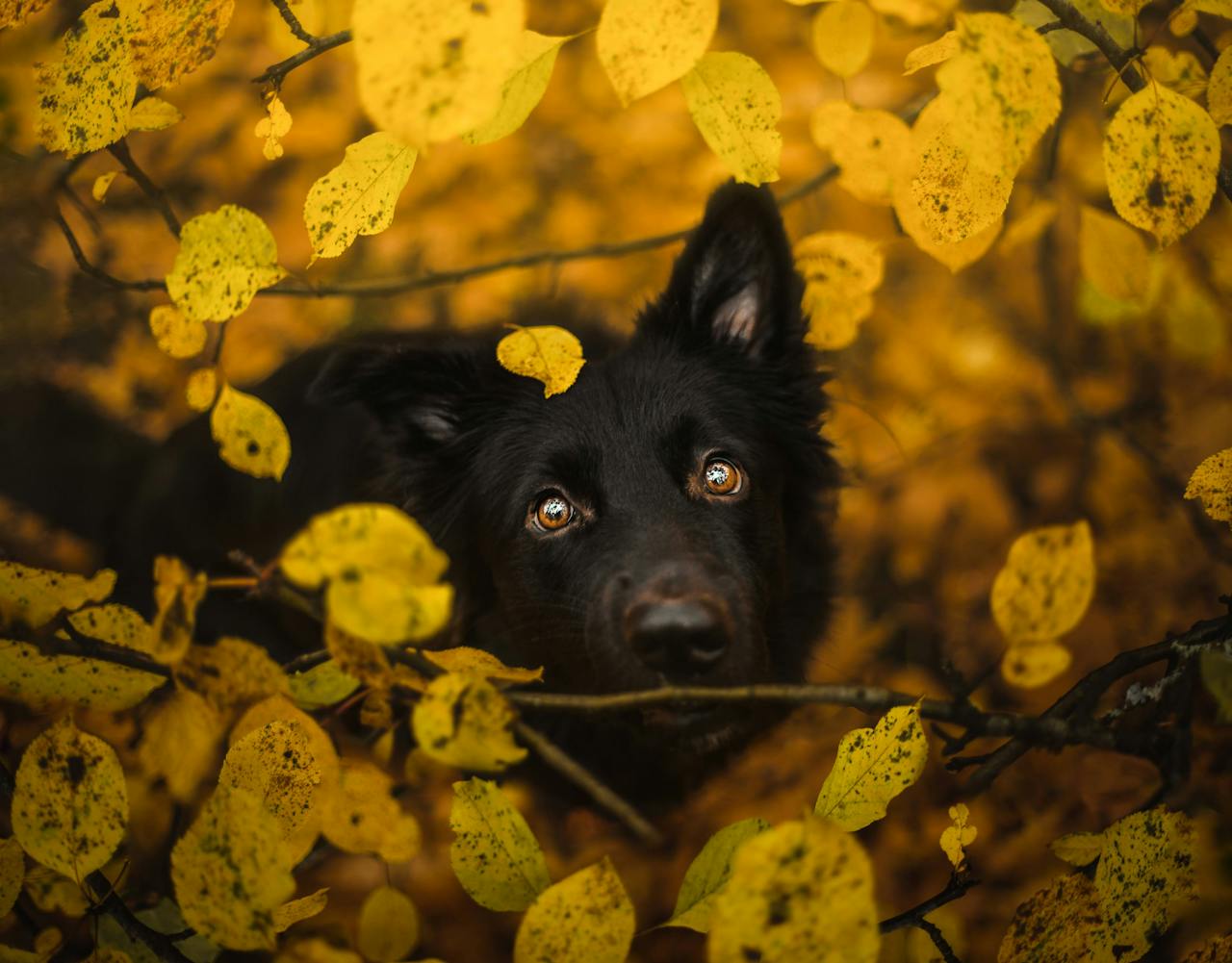
Horner’s syndrome in dogs and cats: signs, causes, diagnosis and treatment
A drooping eyelid, a smaller pupil and a visible third eyelid on one side add up to Horner's syndrome. It is not painful in itself and does not harm sight, but it often signals another, more serious condition underneath. We explain the causes, the diagnostic steps, the pharmacological tests and the treatment options.
Dandruff in cats: causes, symptoms and home remedies
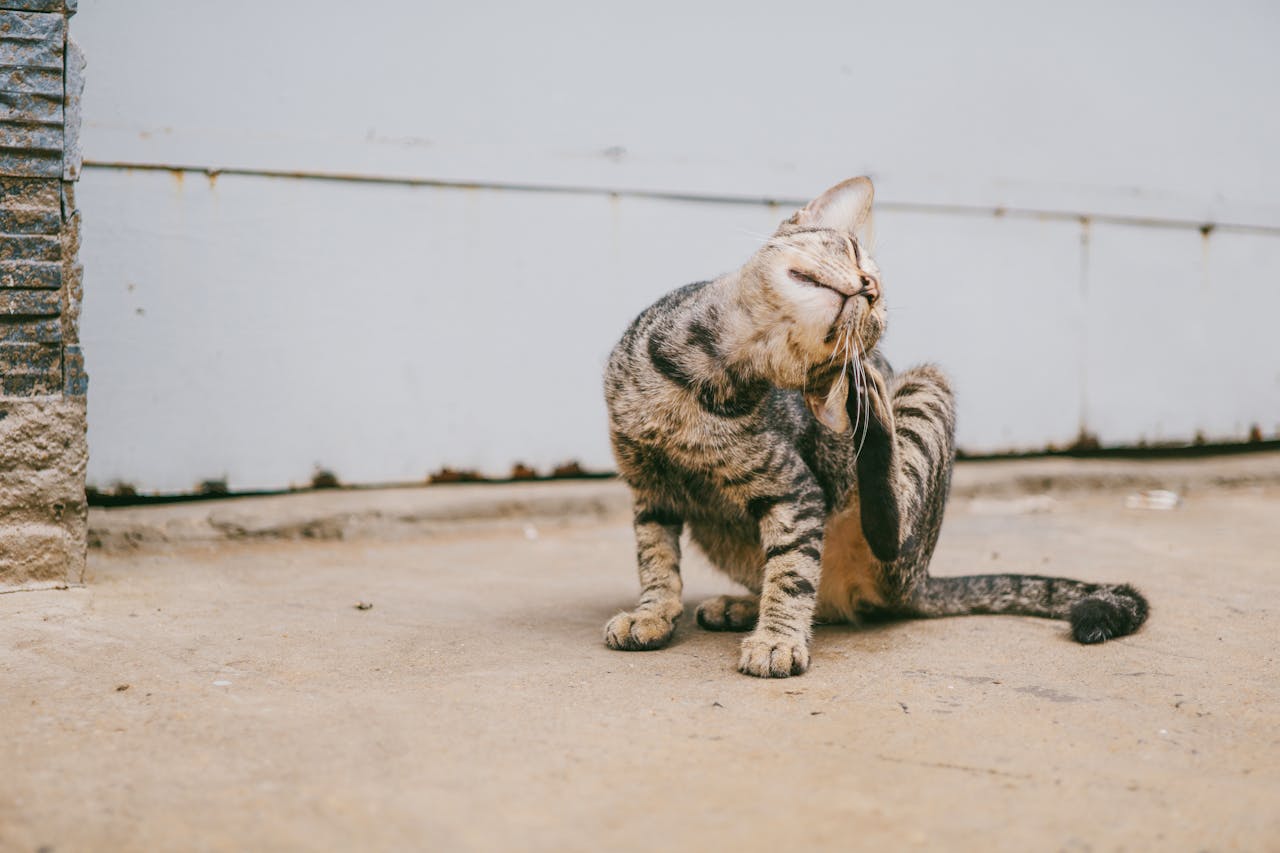
What is dandruff in cats?
Dandruff in cats is a skin condition that shows up as small white flakes of skin which come away from the epidermis and collect in the fur, as well as around the animal, on bedding or furniture. It is the result of the natural shedding of dead skin cells, which in a healthy animal is usually invisible. With dandruff, this process becomes far more pronounced and noticeable. Dandruff can vary in severity, from minimal, barely noticeable flakes to a heavy build-up that can lead to further skin problems. It can affect cats of any breed, age or coat type. As an indicator of skin health, dandruff may point to the need for further diagnostic or therapeutic steps to improve the overall condition of the cat’s skin and coat. It is worth adding that dandruff is not a disease in itself but rather a signal that veterinary attention may be needed to establish its cause.
Causes of dandruff in cats
Dandruff in cats can be caused by a variety of factors that affect the health of the animal’s skin and coat. One of the most common causes is dry skin, which may result from improper grooming, harsh shampoos or low humidity in the home. Food allergies can also play a key role, as some ingredients in the diet may trigger skin reactions, leading to irritation and excessive flaking. It is therefore worth knowing what cats must not eat. Skin infections, both bacterial and fungal, can also contribute to dandruff, particularly when the cat’s skin is weakened or damaged. In addition, parasites such as fleas, mites or lice can cause intense itching and irritation, leading to excessive scratching and, as a result, dandruff. Hormonal changes that affect skin condition may be another factor. Finally, stress or an unsettling environment, such as moving house or the arrival of a new pet, can also contribute to skin problems and dandruff.
Can you catch dandruff from a cat?
Dandruff in cats, being a symptom of skin problems, is not a contagious disease, so it cannot be caught from a cat or from any other animal. It is the result of processes taking place directly on the animal’s skin and is not passed to humans. Bear in mind, however, that the underlying causes of dandruff, such as certain skin infections (fungal ones, for example), can be contagious and spread to other animals or people. This is why, if your cat develops dandruff, it is so important to seek veterinary advice to establish the correct diagnosis and take any steps needed to stop a possible infection spreading, protecting the health of the cat, other pets and everyone in the household.
Symptoms of dandruff in cats
Dandruff in cats can take various forms, and owners usually spot it easily. These are the most common signs:
Diagnosing dandruff in cats
Diagnosing dandruff in a cat begins with a visit to the vet, who will carry out a thorough clinical examination. The first step is a detailed history, in which the vet gathers information about the cat’s behaviour, symptoms and any changes in diet or living environment. The vet then performs a physical examination, focusing on the condition of the skin and coat and the animal’s general health.
To reach an accurate diagnosis, various tests may be recommended, such as:
Accurate diagnosis is key to establishing the cause of the dandruff and starting effective treatment. Once the appropriate tests have been carried out, the vet will be able to draw up a suitable treatment plan tailored to the cat’s individual needs.
Treating dandruff in cats
Treatment of dandruff in cats depends on its cause, and it is often a symptom of a more serious skin disease or a general health problem. With dandruff, it is important not to treat the symptoms in isolation but to identify and address the underlying cause. This usually means seeing a vet, who will carry out a thorough diagnostic work-up and establish what is behind the dandruff. The vet may recommend various treatments, such as specialist shampoos and moisturising products that help improve the condition of the skin and coat. If the dandruff is the result of allergies, parasites or an infection, the vet may prescribe appropriate medication, such as antiparasitic or antifungal drugs, or allergy treatment. It is essential that cat owners follow the vet’s advice in order to tackle the problem effectively. Regular skin and coat care, including proper brushing and attention to diet, can also help the cat’s skin recover.
Home remedies for dandruff in cats
Spotting dandruff in your cat’s fur can be worrying, but there are several home remedies that can help tackle the problem. Remember, though, that if the dandruff keeps coming back or gets worse, you should always consult a vet.
Conclusion
Dandruff in cats can be a worrying symptom that needs attention and proper diagnosis. Although there are many home remedies that can ease it, bear in mind that effective treatment often requires understanding the underlying causes of the problem. Regular grooming, a suitable diet and a comfortable environment for your cat can help maintain healthy skin and fur. If the symptoms persist, a consultation with a vet is essential to get professional help and appropriate treatment. By looking after our pets, we can significantly improve their quality of life and their health.