

-

Parasitic diseases in rabbits: the commonest threats and how to prevent them
Coccidiosis, encephalitozoonosis, ear mange and cheyletiellosis are the parasitic diseases pet rabbits meet most often, and they can go unnoticed for a long time. We explain how they are diagnosed in the laboratory, how they are treated, and which hygiene, quarantine and feeding rules keep infection at bay.
-

How to protect your dog’s paws in winter
Frost, ice and road salt leave a dog's pads irritated, cracked and sometimes frostbitten every winter. We explain how to pick a route and a protective wax before the walk, how to rinse and dry the paws properly once you are home, and which signs mean it is time to call the veterinary clinic.
-

Horner’s syndrome in dogs and cats: signs, causes, diagnosis and treatment
A drooping eyelid, a smaller pupil and a visible third eyelid on one side add up to Horner's syndrome. It is not painful in itself and does not harm sight, but it often signals another, more serious condition underneath. We explain the causes, the diagnostic steps, the pharmacological tests and the treatment options.
A Friend for Your Cat: Is It Worth Adopting a Second Pet?
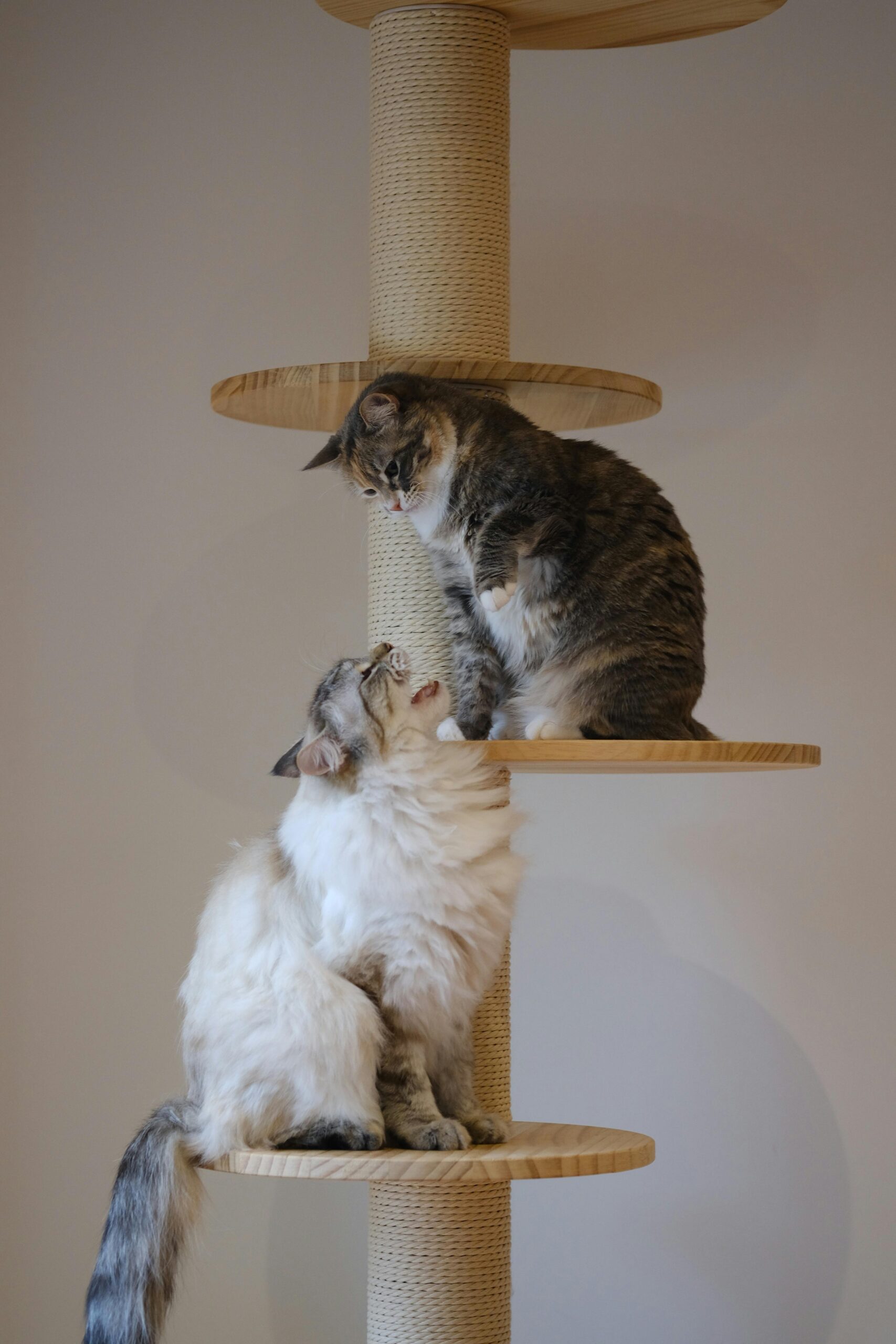
Are cats social animals, and do they need the company of their own kind?
Although cats are often seen as independent and territorial animals, they are in fact more social than they might appear. Many cats enjoy the company of other cats, using their natural instincts for play and interaction. In the wild, cats often form loose groups, especially where food is easy to come by. In these groups they may hunt together, play and strengthen social bonds. At home, many cats appreciate the presence of fellow felines at least to some extent, which can improve their well-being and reduce stress, particularly during their owners’ longer absences. That said, not all cats are alike: some prefer a solitary life and avoid contact with other cats, asserting their territorial nature.
The benefits of adopting a second cat
Bringing a second cat into the home can have many positive effects. An extra companion can be a great source of activity for your first cat. Cats often love to play, and playing together gives them both mental and physical stimulation. Watching two cats interact can also be hugely rewarding for the owner.
A second cat can also help reduce stress and loneliness, especially when the owners are often out. Otherwise, a lonely cat may start to show signs of boredom, which can lead to unwanted behaviour such as damaging furniture or aggression.
Do cats need company?
Not every cat, however, wants the company of another cat. Owners should carefully assess their pet’s temperament and pay attention to its preferences. Some cats are naturally sociable, while others may be territorial and prefer to live alone. So before making a decision, it is worth getting to know your current cat’s personality and doing a bit of “character research”.
If your cat shows friendly, open behaviour towards other animals, that is a positive sign that introducing a new cat will be beneficial. If, on the other hand, your cat is aggressive towards other animals, it is better to consider other forms of stimulation, such as interactive toys or scent games.
When is it worth adopting a second cat?
Adopting a second cat can be a sensible choice in a number of situations. If you have enough space at home and the right resources, it is worth considering adopting a cat from your local shelter. Pay attention to the age of the new cat too: younger cats often adapt more easily to new surroundings and make friends with other animals.
Introducing a second cat into the home should be done thoughtfully and gradually. It is essential to keep the cats separated at first so they can get used to each other, and then to introduce supervised interactions step by step. This lets them become familiar with each other’s scent and temperament.
When is adopting a second cat a bad idea?
Adopting another cat is not always the right solution, and there are many situations that suggest it is better to hold off. First and foremost, a major warning sign is when your current cat is aggressive towards other animals. If it is territorial, this can lead to frequent conflicts and even serious injuries, which will affect both pets negatively. Another important factor is the cat’s temperament and mental well-being. If your pet is unusually fearful, gets stressed by new situations and struggles to adapt, bringing in a new cat may only make it feel worse and increase its stress. It is also important to assess its health. If your cat suffers from chronic illness, is weakened or has health problems, introducing a new animal may expose it to additional stress and the risk of infection. Likewise, if space at home is limited and you cannot give the cats enough room to live separately, it is better not to adopt. Finally, if you do not have the time or resources needed to care properly for two cats, it is worth putting the idea of adoption off for later rather than overburdening yourself. In such cases it is better to focus on giving one cat your full attention and love.