Contact us Make an appointment

How to Get Your Dog Used to a Muzzle and How to Choose the Right One
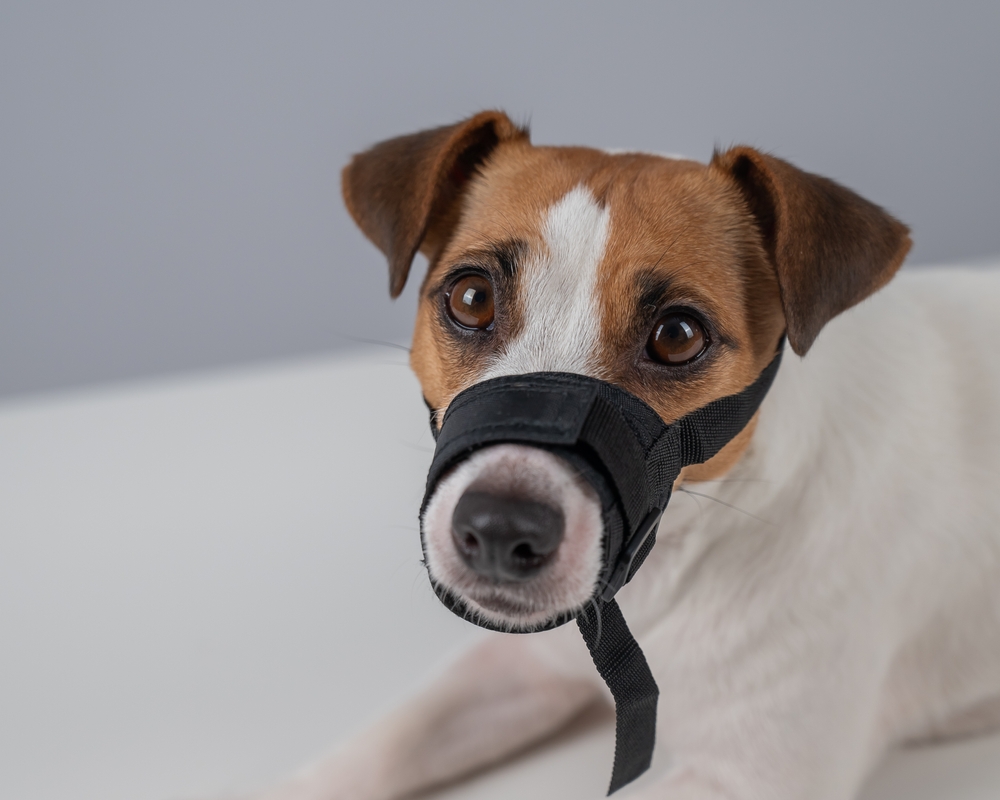
A muzzle is not just a tool for keeping others safe on walks; it is also an important part of a dog’s training and its own safety. Getting your dog properly used to a muzzle and choosing the right model are key to the comfort of both your pet and the people around it.

When a muzzle is needed and why it is worth using

A muzzle is advisable in a range of situations where the safety of the dog, other people or other animals may be at risk. Above all, a muzzle should be used when a dog tends to react aggressively towards other dogs or people, as this can lead to dangerous situations. Visits to the vet, journeys on public transport and trips to busy places are further occasions when a muzzle may be essential. On walks in places with lots of stimuli (other dogs, children, cyclists), a muzzle provides an extra layer of protection while also teaching the dog to cope with stressful situations. A muzzle is also recommended for dogs that tend to eat dangerous things such as food scraps or toxic substances. It is worth stressing that a well-fitted muzzle lets the dog breathe freely, drink water and bark, which ensures not only safety but also the dog’s comfort in all sorts of everyday situations.

How to get your dog used to a muzzle

Muzzle training may be necessary in various situations, such as vet visits, travel or meetings with other animals. A muzzle protects not only others but also the dog itself, preventing it from accidentally swallowing something dangerous off the ground. It is important that the dog feels comfortable wearing a muzzle, and that means introducing it gradually.

  1. Choosing the right muzzle: before you start training, pick a muzzle that suits your dog’s breed, size and temperament. It should be comfortable and well fitted so that it does not restrict the dog’s movements, yet is not too loose either.
  2. Getting acquainted: show the dog the muzzle in a positive way, letting it sniff and explore it. Reward any positive reaction to the muzzle with treats.
  3. First fitting: once the dog accepts the muzzle, hold it against the dog’s snout for a few seconds while rewarding calm behaviour. Never force the dog to wear the muzzle, as this can create negative associations.
  4. Gradually extending the time: little by little, increase how long the dog wears the muzzle. You can start at home and then move on to short walks. Reward the dog with treats and praise so that it links the muzzle with positive experiences.
  5. Watching for comfort: it is important to keep an eye on the dog while it is wearing the muzzle. Make sure there are no signs of discomfort or stress. Let it move freely and avoid restricting it unnecessarily.
  6. Taking the muzzle on a walk: once the dog is used to wearing the muzzle in comfortable conditions, it is time for a walk. Gradually make the muzzle part of the walking routine, rewarding the dog for calm behaviour.

How to choose the right muzzle for your dog

Choosing the right muzzle is a key step that has a huge impact on the comfort and safety of both your pet and those around it. When selecting a muzzle, there are several important points that will help you find the best model for your particular dog.

  1. Size and fit: first and foremost, size is the most important factor to consider. The muzzle should fit the dog’s snout perfectly, which requires accurate measurements. Measure the circumference of the snout (at its widest point) and the length from the tip of the nose to the corner of the mouth. Many manufacturers provide size charts to help you choose the right model. A good muzzle should leave room for the snout to move freely and for the mouth to open so the dog can bark or express itself.
  2. Material: the material a muzzle is made of affects how comfortable it is to wear. Nylon muzzles are light, flexible and easy to clean, which makes them suitable for everyday use. Basket muzzles, usually made of metal or plastic, offer better ventilation and let the dog breathe and drink water, which matters on longer walks. Leather muzzles are more durable but can be less comfortable, especially on hot days. When choosing a material, also consider its durability and how easy it is to clean, as a muzzle can pick up dirt and odours.
  3. Type of muzzle: there are various types of muzzle on the market, differing in function and purpose. A fabric muzzle is a great choice for dogs that are not prone to biting, while a basket muzzle is ideal for aggressive dogs because it lets them breathe freely while keeping others safe. A close-fitting muzzle is a solution for short-term situations such as a vet visit, whereas a muzzle worn for a whole walk should be more comfortable and better thought out.
  4. Adjustment and fastening: make sure the muzzle has an adjustable fastening so that it can be fitted to the individual dimensions of your dog’s snout. The fastenings should be easy to use so the muzzle can be put on and taken off quickly, yet strong enough to stop it slipping off by accident.
  5. Testing and adaptation: once you have chosen a muzzle, try it out at home. Let the dog move around freely in the muzzle while watching its reactions, and check that it is not struggling with any discomfort. It is also worth carrying out positive adaptation, using rewards and encouragement so that the dog associates the muzzle with pleasant experiences.
  6. Professional advice: finally, it is worth seeking the opinion of specialists such as behaviourists or dog trainers, who can advise on choosing a muzzle and on training your dog to wear it. They can also suggest models suited to the mindset and temperament of your particular dog.
Other articles
  • Parasitic diseases in rabbits: the commonest threats and how to prevent them

    Coccidiosis, encephalitozoonosis, ear mange and cheyletiellosis are the parasitic diseases pet rabbits meet most often, and they can go unnoticed for a long time. We explain how they are diagnosed in the laboratory, how they are treated, and which hygiene, quarantine and feeding rules keep infection at bay.

    Parasitic diseases in rabbits: the commonest threats and how to prevent them
  • How to protect your dog’s paws in winter

    Frost, ice and road salt leave a dog's pads irritated, cracked and sometimes frostbitten every winter. We explain how to pick a route and a protective wax before the walk, how to rinse and dry the paws properly once you are home, and which signs mean it is time to call the veterinary clinic.

    How to protect your dog’s paws in winter
  • Horner’s syndrome in dogs and cats: signs, causes, diagnosis and treatment

    A drooping eyelid, a smaller pupil and a visible third eyelid on one side add up to Horner's syndrome. It is not painful in itself and does not harm sight, but it often signals another, more serious condition underneath. We explain the causes, the diagnostic steps, the pharmacological tests and the treatment options.

    Horner’s syndrome in dogs and cats: signs, causes, diagnosis and treatment