

Blog
-
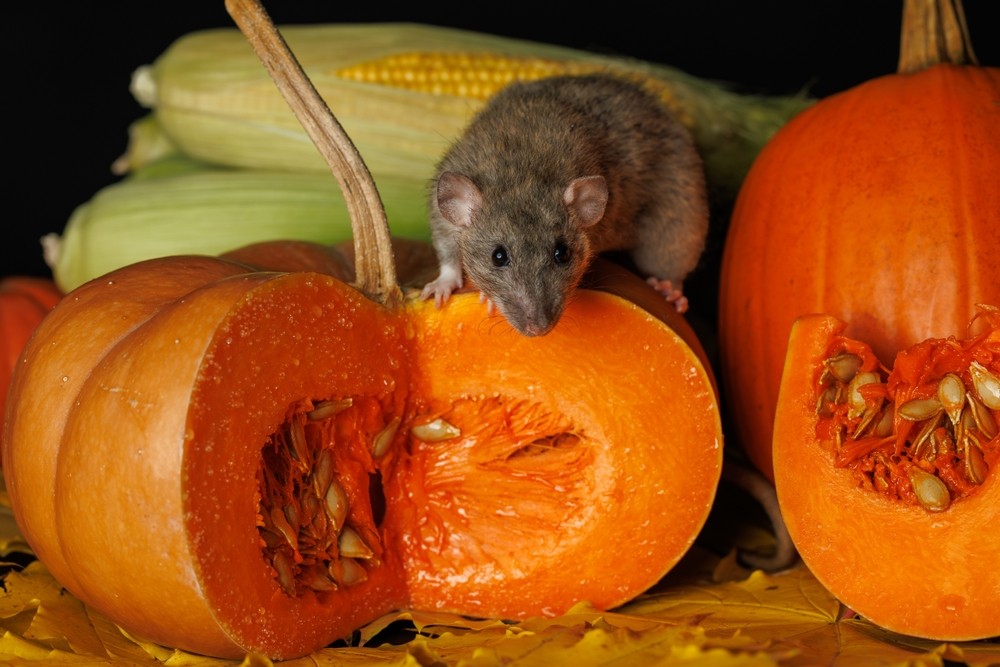
What Do Rats Eat? A Complete Guide to the Diet of Wild and Pet Rats
Wild and pet rats live very different lives, but their diets are surprisingly similar: grains form the base, topped up with fresh vegetables, fruit, seeds and a little lean cooked meat. We explain which foods are good for a pet rat, which are strictly off the menu, and why rats need company and exercise just as much as food.
Read more -
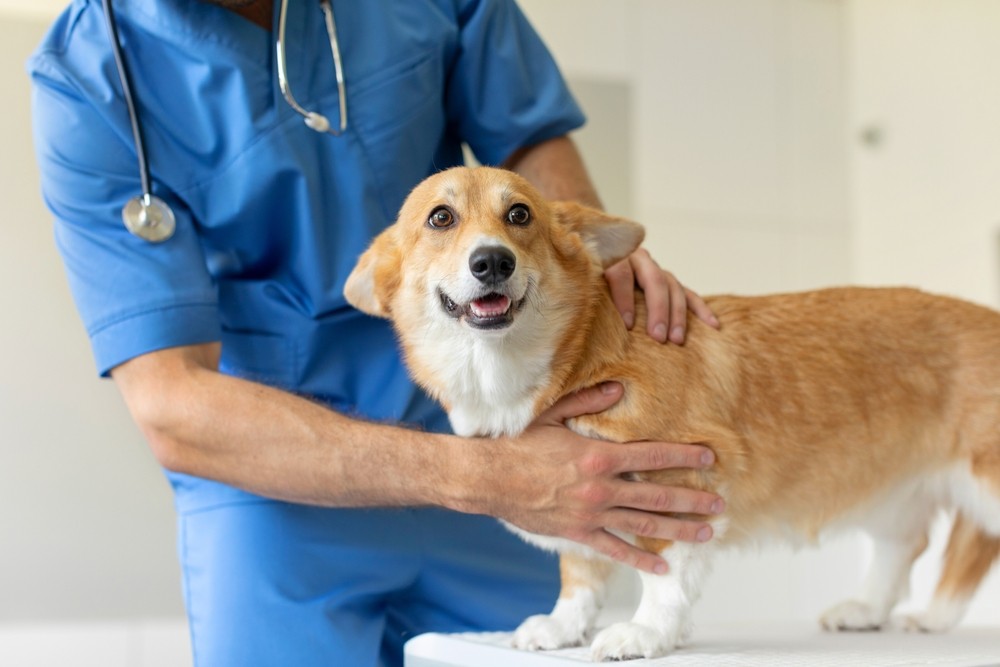
Endoscopy in dogs and cats: modern diagnostics in veterinary medicine
Endoscopy makes it possible to examine the inside of a dog's or cat's body without surgery, take biopsies or remove foreign bodies. We explain how the examination works, how to prepare your pet, when it is indicated and what advantages it has over traditional surgery.
Read more -

Neurological effects of parasitic infection in dogs and cats
Some parasites, including Toxocara roundworms, Neospora caninum and the heartworm Dirofilaria immitis, can attack the nervous system of dogs and cats, causing seizures, paresis and loss of coordination. We explain how infection happens, which signs to watch for, how it is treated and how to prevent it.
Read more -
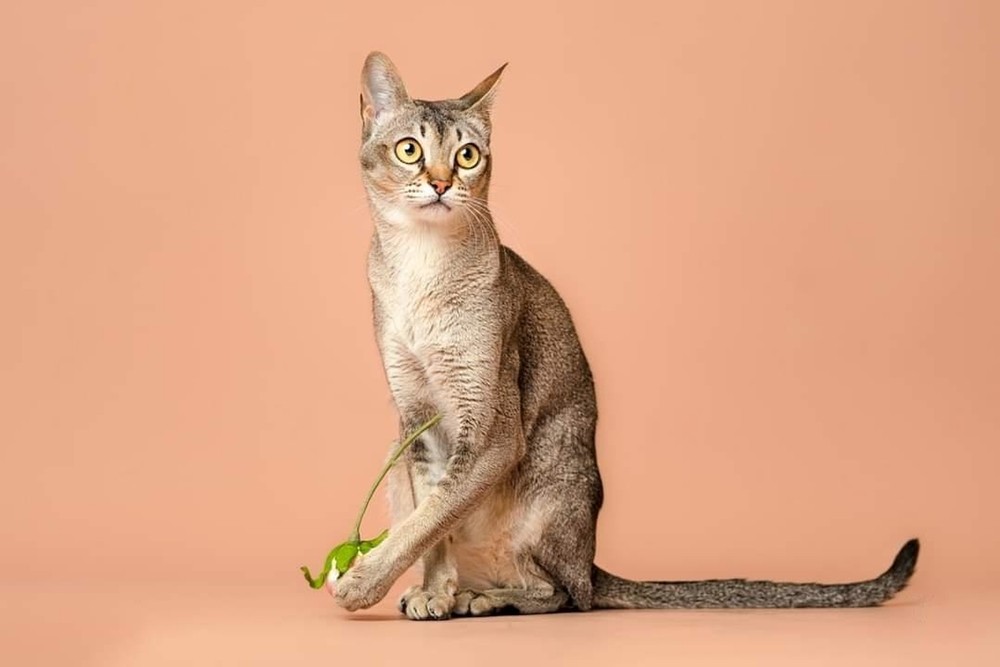
The Singapura cat: a guide to the charms of the breed
The Singapura is one of the world's smallest cat breeds, with golden eyes and a gentle, sociable nature. We cover the breed's origins, appearance, personality, grooming and exercise needs, and the health issues that owners of a Singapura should be aware of.
Read more -

Neurological diseases that affect a dog’s ability to walk, and how to prevent them
An unsteady gait, weak hind legs or a stiff back in a dog can be signs of neurological disease. We explain intervertebral disc disease, degenerative conditions of the nervous system, dyskinesia and other disorders, their early signs, how they are diagnosed and how to reduce the risk.
Read more -
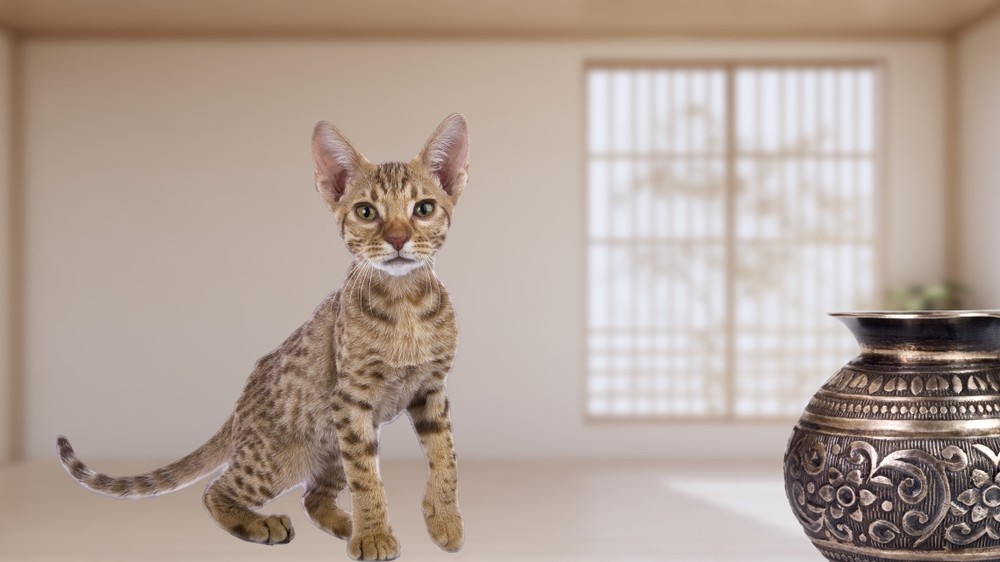
The Ocicat: a fascinating breed that pairs wild looks with a sociable nature
The Ocicat is an American breed with a spotted, wild-looking coat and a gentle, sociable temperament. We look at the breed's origins, appearance, personality, living requirements and the health issues to watch for, such as PRA and hypertrophic cardiomyopathy.
Read more -

The Most Common Neurological Problems in Cats
Epilepsy, FeLV and FIV infections, parasites and intervertebral disc disease are the most frequent causes of neurological disorders in cats. We explain how each of them presents, what treatment options exist and which warning signs mean it is time to see the vet.
Read more -

Pixie-bob: Wild Looks, Friendly Nature – The Perfect Companion for You!
The Pixie-bob combines the look of a wild bobcat with the gentle temperament of a domestic cat. Read about the breed's history, appearance, personality, how to prepare your home for a kitten and the health issues to watch for, so you can decide whether this is the cat for you.
Read more -
Neuropathic Pain in Dogs and Cats – Signs, Causes, Diagnosis and Treatment
Neuropathic pain stems from damage to the nervous system itself and is easily mistaken for an orthopaedic or behavioural problem. We explain how it shows itself in dogs and cats, what causes it, how it is diagnosed and why treatment needs to be multimodal.
Read more -
Gastroscopy in Dogs and Cats: A Simple Way to Protect Your Pet’s Health
Gastroscopy lets the vet examine your pet's oesophagus, stomach and upper intestine from the inside without a single incision. Find out how the procedure works, how to prepare your dog or cat, when it is indicated and how to look after your pet once it is over.
Read more -
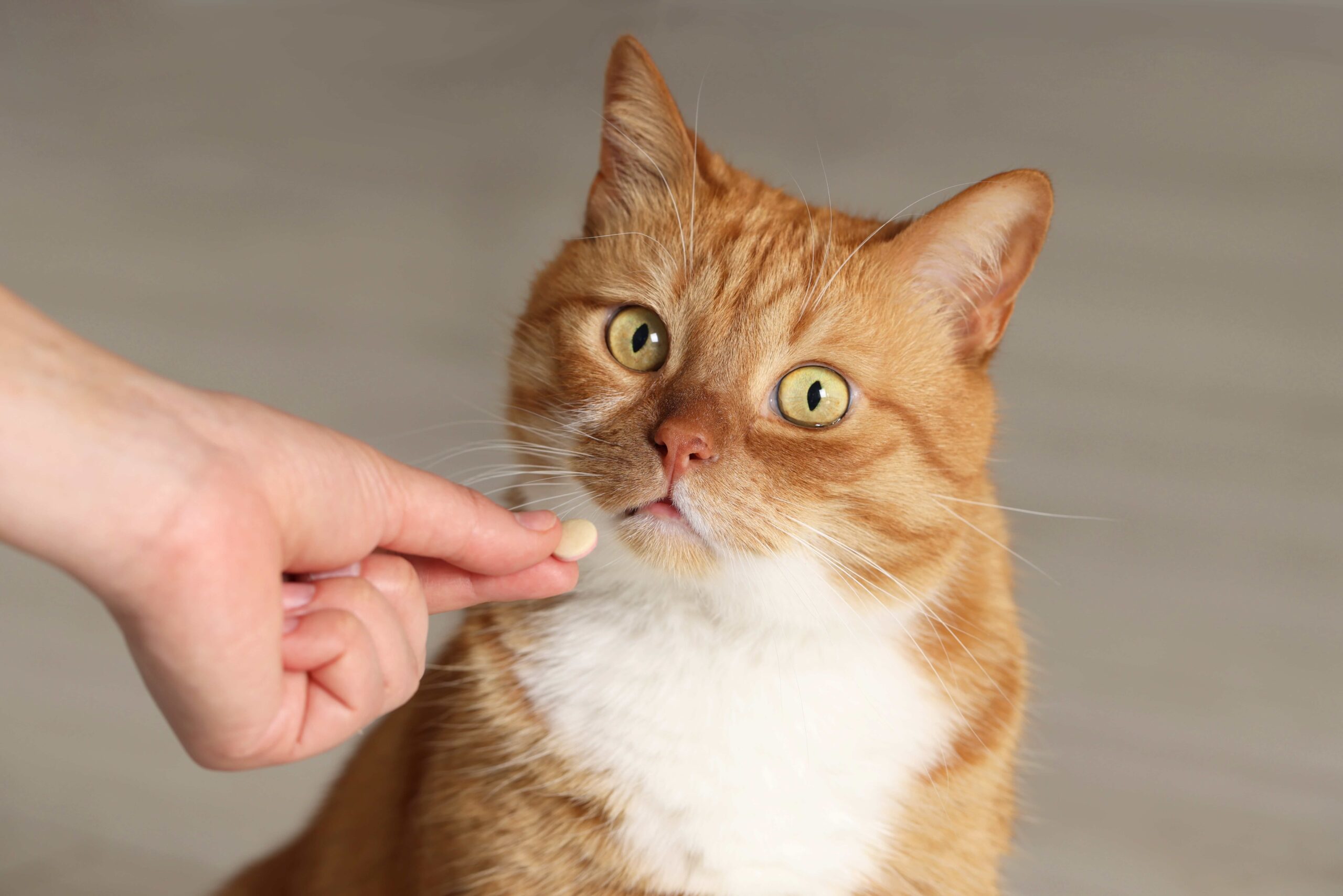
How to Give a Cat a Tablet: Methods That Work
Giving a cat a tablet is a challenge every owner faces sooner or later. We explain how to prepare, how to place the tablet straight into the mouth, when a pill giver or syringe helps, how to hide medication in food, why flavoured tablets can make life easier, and what to do when nothing seems to work.
Read more -

What Can’t Cats Eat? The List of Forbidden Foods
Milk, raw fish, onions, chocolate, grapes: some everyday foods are harmful or even toxic to cats. We explain exactly why each of them is dangerous, how to feed your cat properly, why good hydration matters so much, and what to do if your cat has eaten something it shouldn't.
Read more