

-
Parasitic diseases in rabbits: the commonest threats and how to prevent them
Coccidiosis, encephalitozoonosis, ear mange and cheyletiellosis are the parasitic diseases pet rabbits meet most often, and they can go unnoticed for a long time. We explain how they are diagnosed in the laboratory, how they are treated, and which hygiene, quarantine and feeding rules keep infection at bay.
-

How to protect your dog’s paws in winter
Frost, ice and road salt leave a dog's pads irritated, cracked and sometimes frostbitten every winter. We explain how to pick a route and a protective wax before the walk, how to rinse and dry the paws properly once you are home, and which signs mean it is time to call the veterinary clinic.
-

Horner’s syndrome in dogs and cats: signs, causes, diagnosis and treatment
A drooping eyelid, a smaller pupil and a visible third eyelid on one side add up to Horner's syndrome. It is not painful in itself and does not harm sight, but it often signals another, more serious condition underneath. We explain the causes, the diagnostic steps, the pharmacological tests and the treatment options.
What Can’t Cats Eat? The List of Forbidden Foods
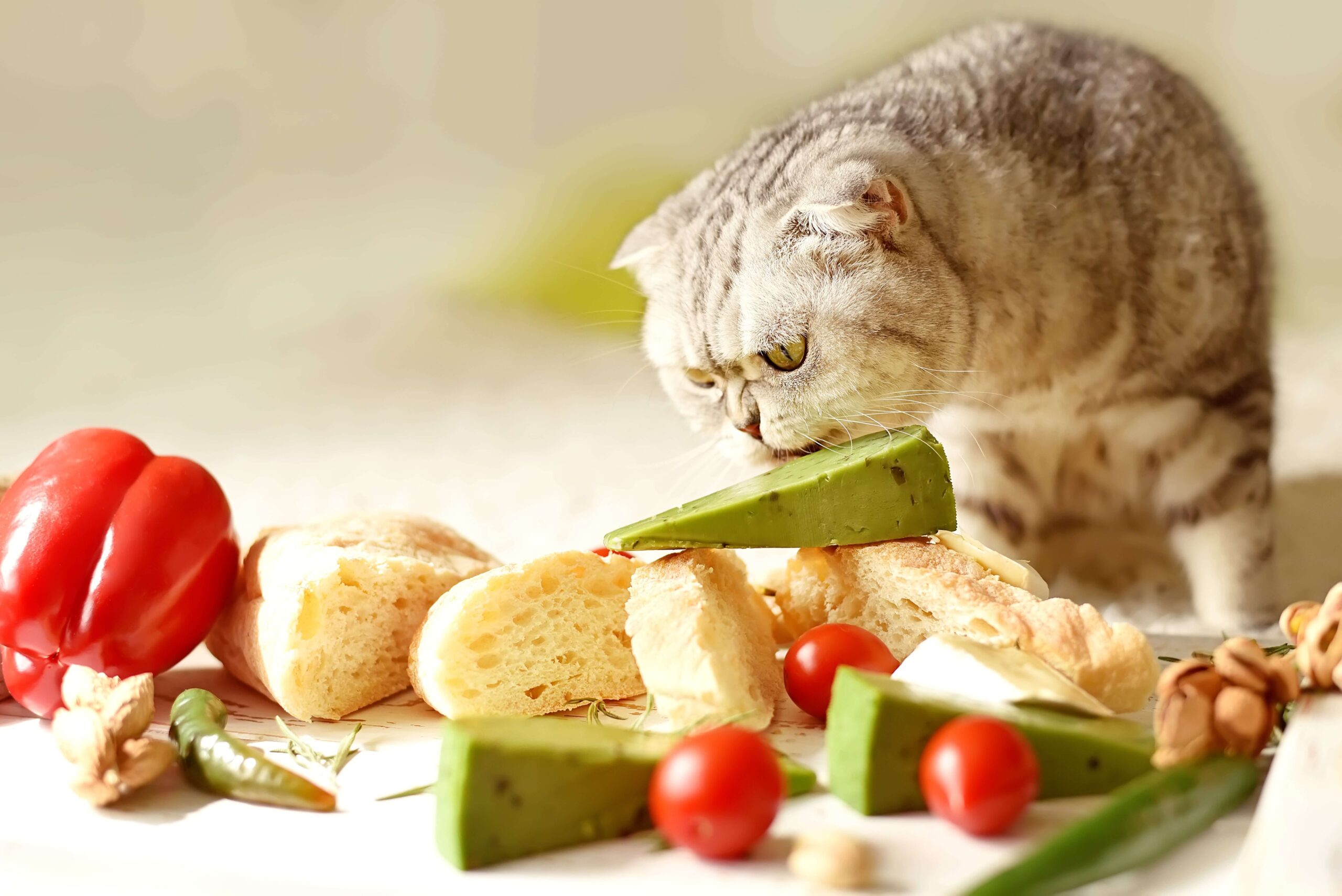
Proper nutrition is a key part of looking after your cat’s health and wellbeing. Although cats are known for being fussy eaters, they can sometimes take an interest in foods that are harmful or even toxic to them. In this article we present a detailed list of foods your cat should not eat, along with an explanation of how each one causes harm.
Milk and dairy products
Contrary to popular belief and the familiar image of a cat lapping up milk, most adult cats cannot digest lactose properly. This is due to a lack of lactase, the enzyme needed to break down milk sugar. Drinking milk can lead to serious gastrointestinal problems in cats, such as diarrhoea, vomiting or stomach cramps.
Regularly giving a cat cow’s milk, which is high in lactose, is particularly harmful. Even if your cat seems to enjoy milk, its body may not be able to cope with digesting it. With long-term consumption of dairy products, cats can develop chronic intestinal inflammation, which leads to problems absorbing nutrients and a general decline in health.
Raw meat and fish
Although cats are obligate carnivores, feeding them raw meat and fish carries serious risks. Raw animal products can be a source of dangerous bacteria such as Salmonella or E. coli, which can cause severe food poisoning. In addition, raw fish contains the enzyme thiaminase, which breaks down thiamine (vitamin B1), essential for the proper functioning of a cat’s nervous system.
Feeding a cat raw poultry is particularly dangerous, as it is often contaminated with Salmonella. Infection can lead to a high fever, vomiting, diarrhoea and dehydration, which in extreme cases can threaten the animal’s life. With raw fish there is the added danger of small bones, which can get stuck in the cat’s throat or digestive tract.
Onions and garlic
All vegetables of the allium family are highly toxic to cats, whatever form they come in: raw, cooked, powdered or as an ingredient in other dishes. They contain sulphur compounds that can damage red blood cells, leading to haemolytic anaemia. This is especially dangerous because the effects of eating these vegetables may not be visible immediately and can build up over time.
Even a small amount of onion or garlic can cause serious health problems in a cat. The first signs of poisoning include weakness, pale gums, and a rapid pulse and breathing. In more serious cases, organ failure can occur. Owners should pay particular attention to ready-made foods and sauces, which may contain onion powder or garlic as seasoning.
Chocolate and caffeine
Chocolate contains methylxanthines, namely theobromine and caffeine, which are toxic to cats. A cat’s body metabolises these substances much more slowly than a human’s, which leads to their build-up and to poisoning. Dark and cooking chocolate, which contain high concentrations of theobromine, are particularly dangerous.
Eating chocolate can cause a range of serious symptoms in a cat, such as a racing heart, arrhythmia, seizures and even cardiac arrest. The caffeine in coffee, tea and energy drinks is just as dangerous. Even a small amount of these substances can cause hyperactivity, breathing problems and heart rhythm disturbances.
Raw eggs and bones
Raw eggs can be a source of Salmonella and also contain the enzyme avidin, which blocks the absorption of biotin (vitamin B7), essential for a cat’s healthy skin and coat. Regularly eating raw eggs can lead to vitamin deficiencies and skin problems.
Bones, especially cooked ones, can be very dangerous for cats. They splinter easily and can cause choking or perforation of the digestive tract. Sharp bone fragments can get lodged in the oesophagus or intestines, causing serious injuries that require surgery.
Grapes and raisins
Although the mechanism behind the toxicity of grapes and raisins is not fully understood, it is known that they can cause acute kidney failure in cats. The reaction to these fruits can vary greatly from cat to cat; in some, even a small amount can trigger serious symptoms of poisoning.
The first symptoms include vomiting and lethargy, which may be followed by a rapid deterioration in kidney function. If a cat eats grapes or raisins, immediate veterinary attention is essential, as a quick response can save the animal’s life.
How to feed your cat properly: choosing between dry and wet food
When deciding how to feed your cat, it is essential to understand the differences between dry and wet food and how each affects feline health. Dry food is convenient to use and can support your cat’s dental health through the mechanical cleaning that happens during chewing. Wet food, on the other hand, more closely mirrors a cat’s natural diet and provides more water, which benefits the digestive system. Feeding a cat calls for a balanced approach that takes into account its individual needs, age, health and food preferences. Commercial cat foods should be chosen carefully to ensure they provide all the necessary nutrients. Remember that whether you choose dry or wet food, your cat’s diet must always be tailored to its specific requirements in order to support optimal health and wellbeing.
The importance of proper hydration in a cat’s diet
Proper hydration is vital for every cat’s health: it benefits the digestive system and helps prevent digestive problems. Although cats instinctively prefer meat, this does not mean they do not need enough water in their diet. Wet food can contribute to better hydration, but it is no substitute for fresh, clean water, which should always be available to your cat. Insufficient water intake can lead to dehydration, kidney problems and other serious health complications. So, in addition to a balanced diet, make sure your cat has constant access to fresh water, which is essential for its health and wellbeing.
When it comes to feeding your cat, it is important to remember that dry food, while convenient and often containing all the necessary nutrients, may not provide enough water. Owners should therefore encourage their cats to drink by placing water bowls in different parts of the home, or consider buying a cat water fountain, which can catch their attention and encourage them to drink more often. Remember that proper hydration is just as important as a balanced diet and can have a significant effect on your cat’s health, preventing many problems related to the digestive system and beyond.
What to do if your cat has eaten a forbidden food
If you suspect your cat has eaten any of the foods listed above, the most important thing is to act quickly. Do not try to make your cat vomit yourself, as this can make its condition worse. Instead, you should:
Remember that the best way to avoid poisoning is to keep potentially dangerous foods safely out of reach and to feed your cat a balanced food made specifically for cats. Regular consultations with a vet will help you choose a diet suited to your pet’s age and state of health.