

-
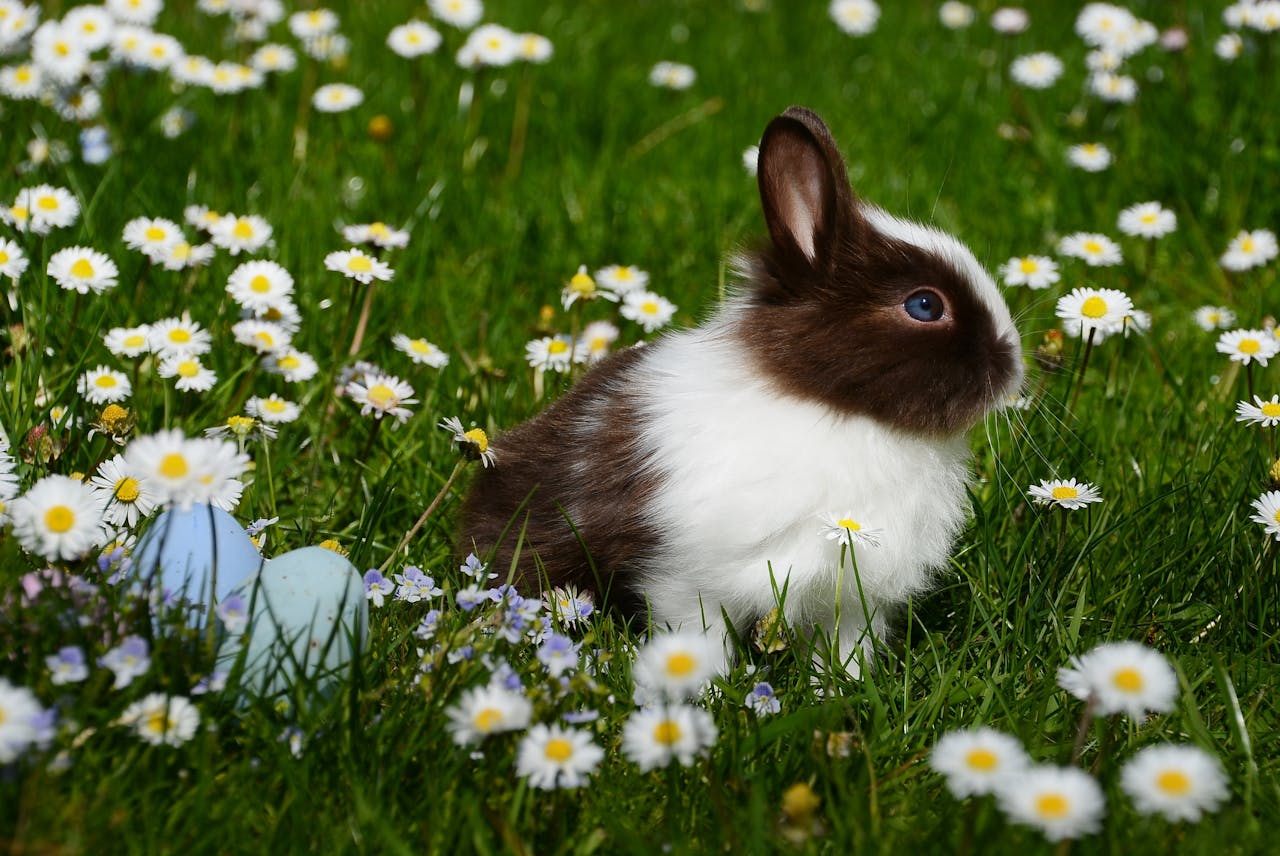
Parasitic diseases in rabbits: the commonest threats and how to prevent them
Coccidiosis, encephalitozoonosis, ear mange and cheyletiellosis are the parasitic diseases pet rabbits meet most often, and they can go unnoticed for a long time. We explain how they are diagnosed in the laboratory, how they are treated, and which hygiene, quarantine and feeding rules keep infection at bay.
-
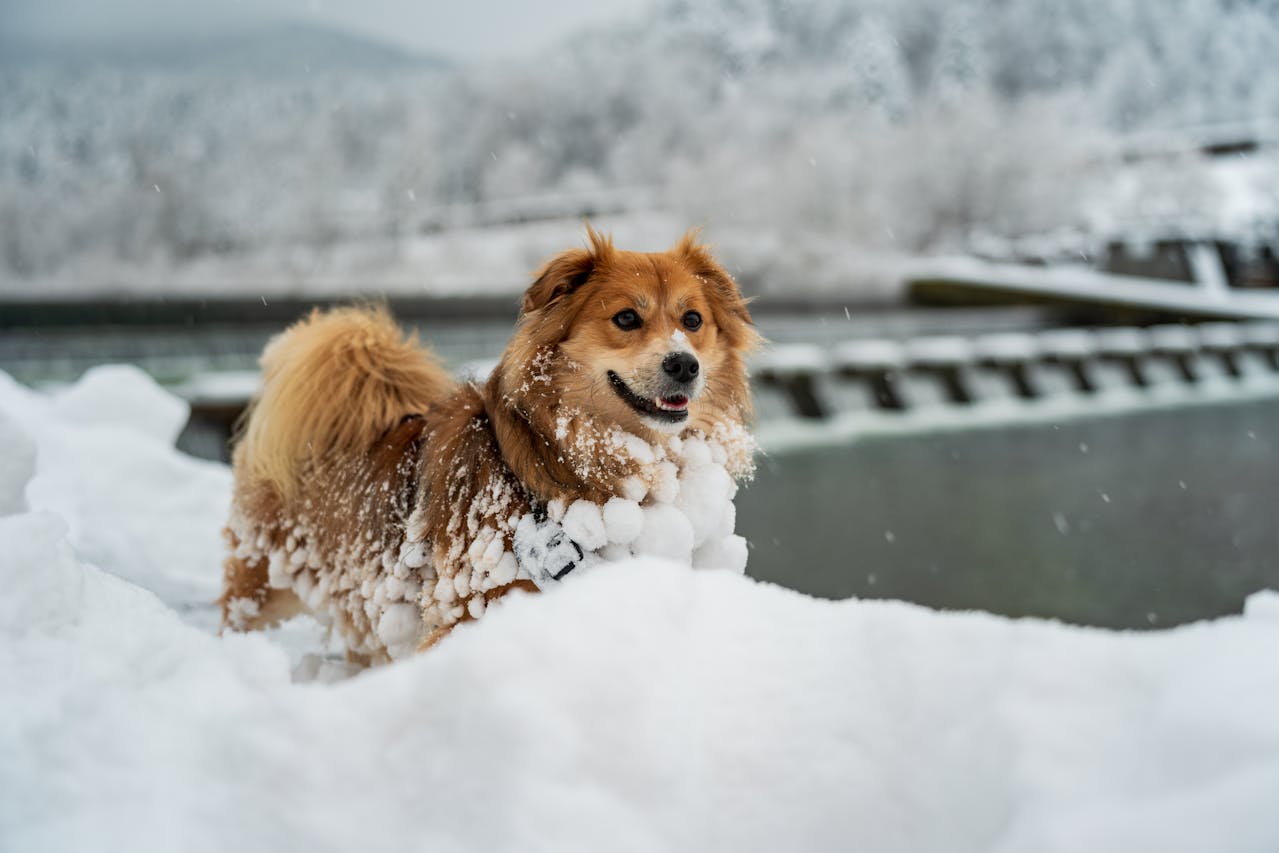
How to protect your dog’s paws in winter
Frost, ice and road salt leave a dog's pads irritated, cracked and sometimes frostbitten every winter. We explain how to pick a route and a protective wax before the walk, how to rinse and dry the paws properly once you are home, and which signs mean it is time to call the veterinary clinic.
-
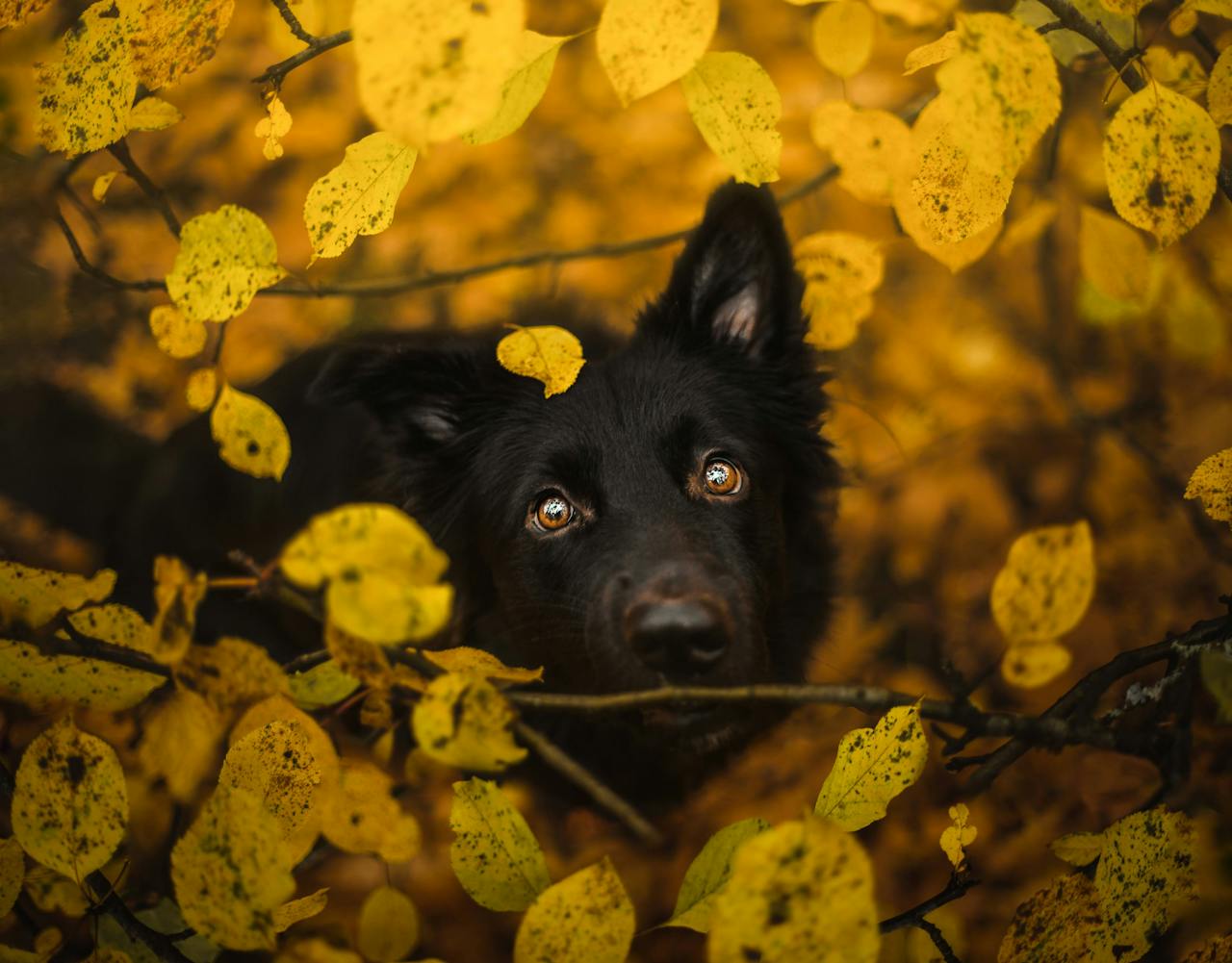
Horner’s syndrome in dogs and cats: signs, causes, diagnosis and treatment
A drooping eyelid, a smaller pupil and a visible third eyelid on one side add up to Horner's syndrome. It is not painful in itself and does not harm sight, but it often signals another, more serious condition underneath. We explain the causes, the diagnostic steps, the pharmacological tests and the treatment options.
Gastroscopy in Dogs and Cats: A Simple Way to Protect Your Pet’s Health
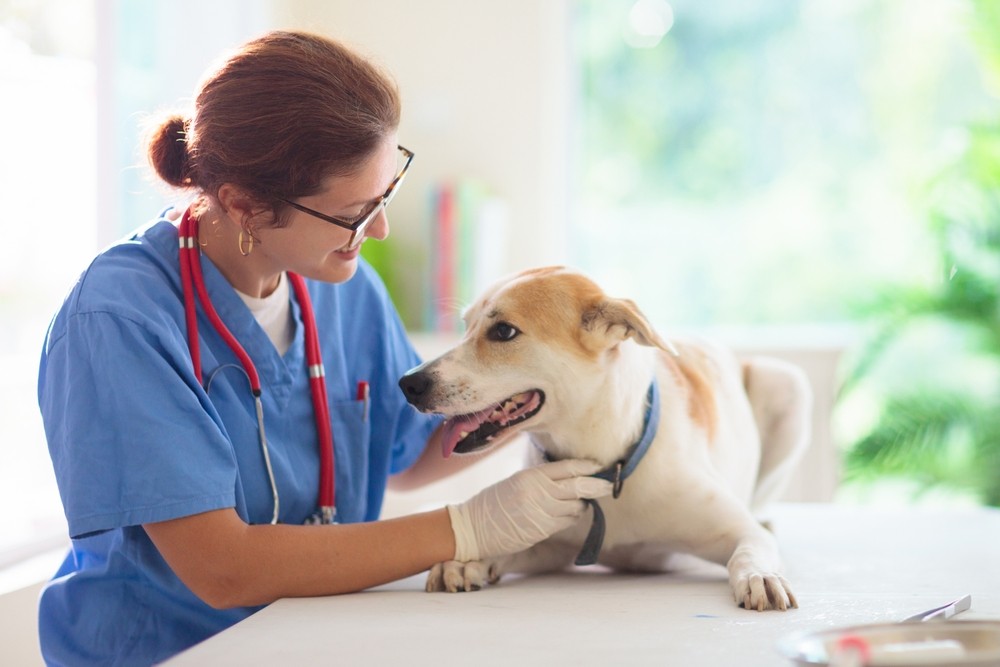
Gastroscopy in dogs and cats is a specialist diagnostic procedure that lets the vet look directly inside the animal’s digestive tract. Using an endoscope — a flexible instrument fitted with a camera — it is possible to examine the oesophagus, stomach and the first part of the intestine in detail. The procedure is extremely useful for identifying conditions such as inflammation, ulcers, growths or foreign bodies. It allows vets to assess the health of the digestive tract precisely and decide on the right treatment. Gastroscopy is valued for being minimally invasive yet highly accurate, which makes it an important tool in modern veterinary medicine.
What does gastroscopy involve?
Gastroscopy involves passing an endoscope — a thin, flexible instrument with a camera at the tip — through the animal’s mouth into the oesophagus, then into the stomach and the first section of the intestine. The procedure is usually carried out under general anaesthesia, which keeps the animal calm and minimises stress. Once the patient is anaesthetised, the vet introduces the endoscope, which both illuminates the inside of the digestive tract and sends a live image to a monitor, allowing a thorough assessment. Gastroscopy can reveal abnormalities such as ulceration, inflammation or tumours, and also allows tissue samples to be taken for histopathology. The whole procedure usually takes anywhere from around fifteen minutes to well under an hour, and because it is minimally invasive, animals generally bounce back quickly afterwards.
How to prepare your pet for the procedure
Preparing your pet for gastroscopy is a key step in making sure the examination is both safe and effective. A few days beforehand, the vet may recommend switching to an easily digestible diet to soothe any irritation of the digestive tract and get the body ready for the procedure. On the day of the examination the animal must be fasted — that means no food for at least 8–12 hours before anaesthesia. Fasting is essential to reduce the risk of stomach contents being aspirated during the procedure and to give a clearer view of the lining of the digestive tract.
Before the procedure the vet will also take a thorough medical history, which may include an assessment of the animal’s general condition, previous illnesses and any medication it is taking. Because gastroscopy is performed under general anaesthesia, additional blood tests (haematology and biochemistry) and an echocardiogram are recommended to rule out any anaesthetic risk. It is also worth arranging transport to the clinic in a way that keeps your pet comfortable and calm. Once at the clinic, the animal should have the chance to rest somewhere quiet, which will help reduce stress before the procedure.
When can gastroscopy help?
Gastroscopy can be extremely helpful in a number of specific health situations in dogs and cats. Here are some of the cases in which the examination is indicated:
Aftercare
Looking after your pet properly after gastroscopy is key to its comfort and a smooth recovery. After the procedure the animal may be slightly groggy from the anaesthetic, so give it a calm, quiet place to rest, away from noise and too much stimulation. For the first few hours do not offer food or water — the body needs time to recover from the anaesthesia. As your pet gradually comes round, the vet may recommend a light diet, starting with easily digestible food and returning step by step to the normal menu. It is also important to watch for any worrying signs such as vomiting, diarrhoea, signs of pain or reluctance to move. If anything concerns you, contact your vet straight away. Checking any incision sites regularly and avoiding strenuous exercise for a few days after the procedure will help recovery go smoothly. Caring for your pet’s emotional wellbeing — a stroke, some time together — will also help it get back on its feet sooner.
Summary
Gastroscopy makes fast, accurate diagnosis possible, and in many cases this significantly improves an animal’s quality of life. Its use in veterinary medicine continues to grow, offering hope to many pets with health problems. If you notice worrying symptoms in your pet, talk to your vet about whether gastroscopy could be an effective next step towards diagnosis and treatment.