

-
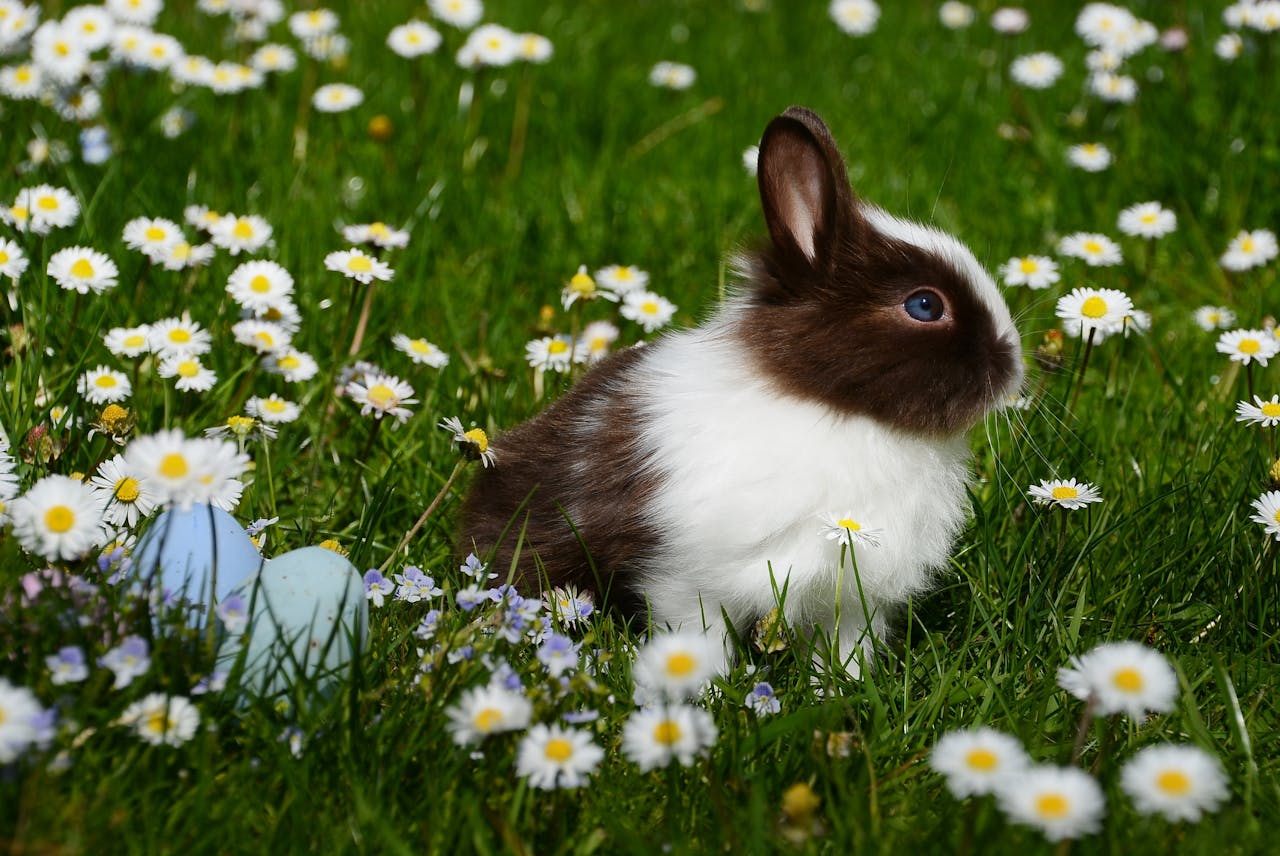
Parasitic diseases in rabbits: the commonest threats and how to prevent them
Coccidiosis, encephalitozoonosis, ear mange and cheyletiellosis are the parasitic diseases pet rabbits meet most often, and they can go unnoticed for a long time. We explain how they are diagnosed in the laboratory, how they are treated, and which hygiene, quarantine and feeding rules keep infection at bay.
-

How to protect your dog’s paws in winter
Frost, ice and road salt leave a dog's pads irritated, cracked and sometimes frostbitten every winter. We explain how to pick a route and a protective wax before the walk, how to rinse and dry the paws properly once you are home, and which signs mean it is time to call the veterinary clinic.
-

Horner’s syndrome in dogs and cats: signs, causes, diagnosis and treatment
A drooping eyelid, a smaller pupil and a visible third eyelid on one side add up to Horner's syndrome. It is not painful in itself and does not harm sight, but it often signals another, more serious condition underneath. We explain the causes, the diagnostic steps, the pharmacological tests and the treatment options.
The Ocicat: a fascinating breed that pairs wild looks with a sociable nature
Origins of the breed
The Ocicat was developed in the United States in the 1960s, and its history is the product of an accidental cross. Breeders such as Virginia Daly set out to create a cat with the wild look of an ocelot but the gentle temperament of a house cat. To achieve this, they crossed Siamese, Abyssinian and American Shorthair cats.
The first representatives of the breed were kittens born in a litter from a Siamese queen carrying Abyssinian genes. The Ocicat quickly won over cat lovers with its unique appearance and friendly nature. Today Ocicats are recognised as a fully fledged breed and are much loved by breeders and owners around the world.
What does an Ocicat look like?
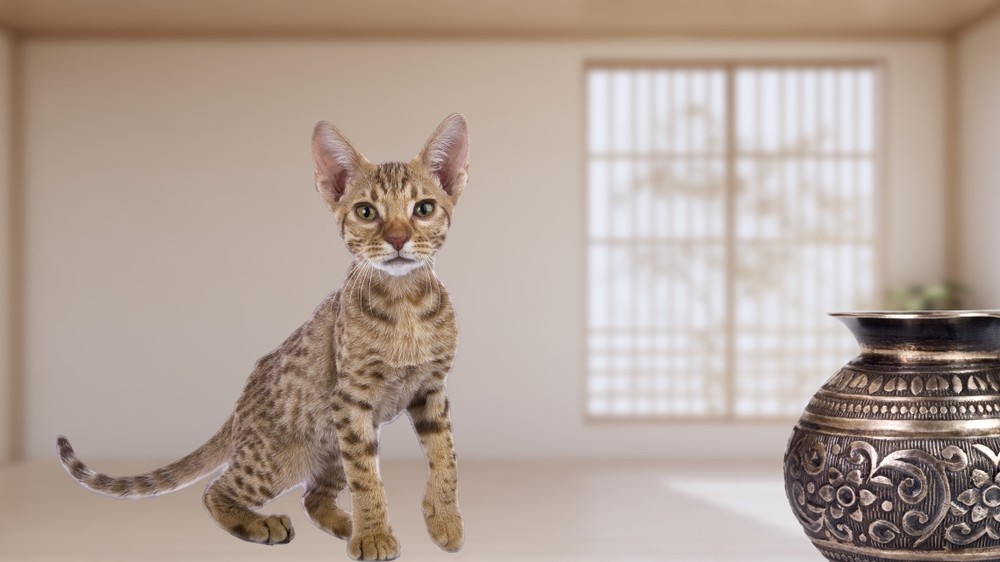
Ocicats have a striking, attractive appearance that combines the features of a wild cat with the elegance of a domestic pet. Their coat is short, dense and glossy, which gives them a very healthy, well-groomed look. Ocicats come in a range of colours, including tawny, silver, chocolate, lilac and shades of cinnamon, with a distinct spotted pattern reminiscent of wild cats. An adult Ocicat usually weighs between 3.5 and 6.5 kg, depending on sex and individual build, and with proper healthcare and good living conditions the average lifespan is 12 to 15 years.
The Ocicat is a cat with a slender, athletic build inherited from its Siamese ancestors. Its jaw is rectangular in shape and sits harmoniously within a “modified” wedge-shaped head. The eyes are large and almond-shaped; they can be any colour except blue and are outlined with a distinct dark rim. The ears are set wide apart and high on the head, with broad bases. The chest is strong and broad, which emphasises the cat’s sturdy build.
What kind of companion is an Ocicat? Does it get on with other animals?
The Ocicat is an exceptionally friendly, sociable and energetic cat that settles into home life very well. Known for its intelligence, it is very curious and keen to explore its surroundings, so it needs regular physical and mental stimulation. Ocicats are highly sociable and enjoy spending time with people and other animals, which makes them excellent companions, especially in families with children.
Their open nature means they can get on very well with dogs, other cats and even small animals such as rabbits or guinea pigs, provided the introductions are handled properly. Ocicats are curious by nature and often initiate play with other animals, which makes them cheerful housemates in multi-pet households.
How to prepare your home for an Ocicat
For an Ocicat to feel at home, it is worth providing conditions that suit its active, sociable lifestyle. Ideally the home should be spacious: a minimum floor area of around 50–70 m² is recommended, especially if several people or other animals live there. It is important that the cat has enough room to run, play and explore.
Beyond play, Ocicats also love to climb and explore, so investing in scratching posts, cat trees or wall shelves will bring them a great deal of joy. It is also a good idea to offer various sources of mental stimulation, such as toys that make sounds or puzzle feeders that require the cat to work things out.
Making the home safe from hazards such as electrical cables or poisonous plants is equally important. Creating a safe corner where the Ocicat can hide or rest will help it feel comfortable in its new surroundings. Conditions like these support not only your cat’s health but also its happiness and wellbeing.
What to bear in mind when caring for an Ocicat
The Ocicat is a breed that needs regular activity to meet its physical and mental needs. Because of their lively temperament, Ocicats need daily exercise, which can include interactive games such as chasing a ball, feather wands or other toys that engage their natural hunting instincts. Time spent playing with their owner is extremely important to them, so it is worth scheduling play sessions together at least a few times a day.
Caring for an Ocicat also means regular visits to the vet to monitor the cat’s health and keep up with vaccinations and parasite prevention. Dental hygiene matters too: brush the teeth regularly and offer special dental treats that help keep them healthy. A suitable diet matched to the cat’s energy needs and access to fresh water are also essential. Well-balanced care and plenty of activity will allow your Ocicat to enjoy a calm, happy life at home.
Ocicat health: genetics, diseases and prevention
The Ocicat is a breed that can live for around 12 to 15 years, and with proper care even longer. Because they have very little undercoat, these cats do not cope well with the cold, so it is worth keeping them warm and comfortable in the cooler months. Among the genetic conditions that can affect Ocicats, progressive retinal atrophy (PRA) stands out: it causes gradual deterioration of vision and can eventually lead to blindness. The presence of this condition can be confirmed or ruled out with specialist genetic testing.
The breed is also prone to hypertrophic cardiomyopathy (HCM), which causes thickening of the heart muscle and circulatory problems, as well as dental conditions such as gum disease. To reduce the risk of these diseases, prevention is key: regular veterinary check-ups and ongoing monitoring of your cat’s health.