
-
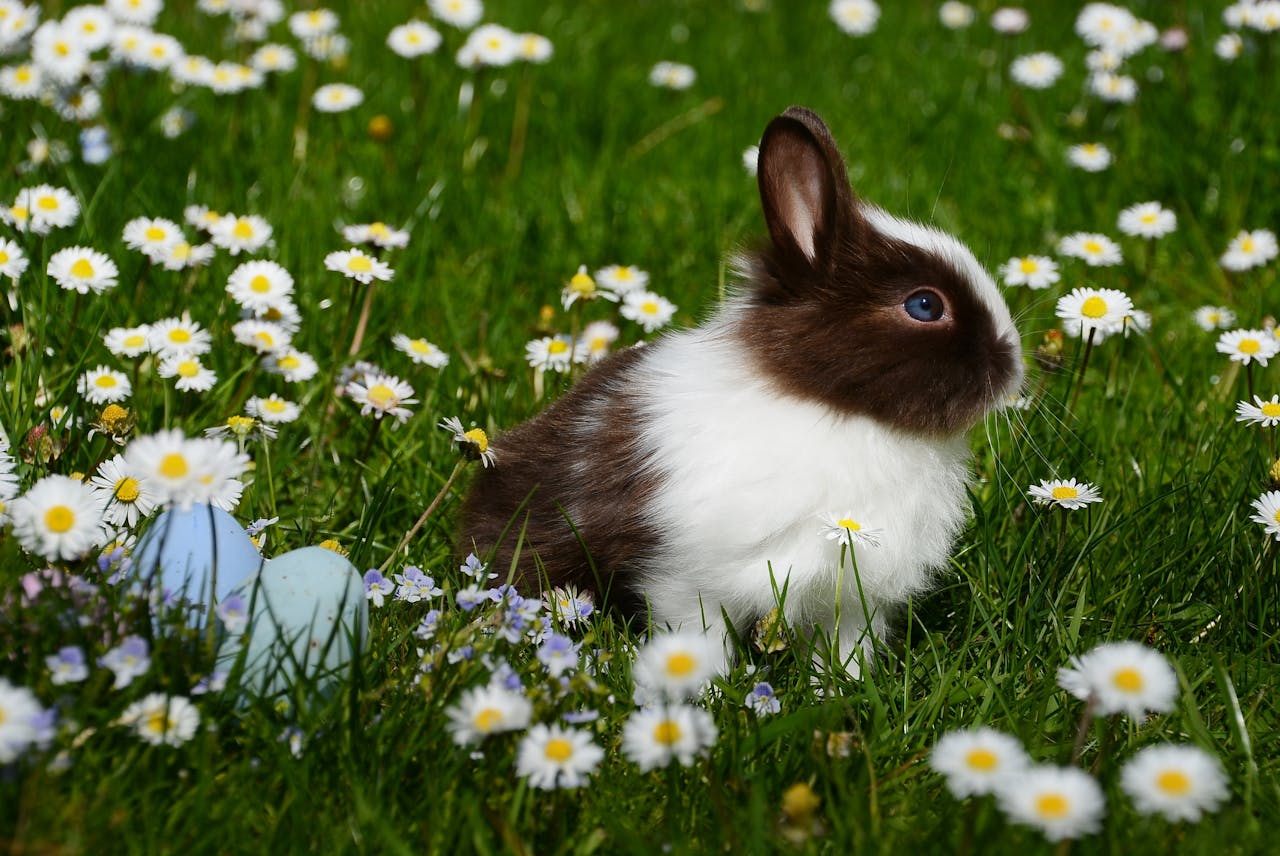
Parasitic diseases in rabbits: the commonest threats and how to prevent them
Coccidiosis, encephalitozoonosis, ear mange and cheyletiellosis are the parasitic diseases pet rabbits meet most often, and they can go unnoticed for a long time. We explain how they are diagnosed in the laboratory, how they are treated, and which hygiene, quarantine and feeding rules keep infection at bay.
-

How to protect your dog’s paws in winter
Frost, ice and road salt leave a dog's pads irritated, cracked and sometimes frostbitten every winter. We explain how to pick a route and a protective wax before the walk, how to rinse and dry the paws properly once you are home, and which signs mean it is time to call the veterinary clinic.
-
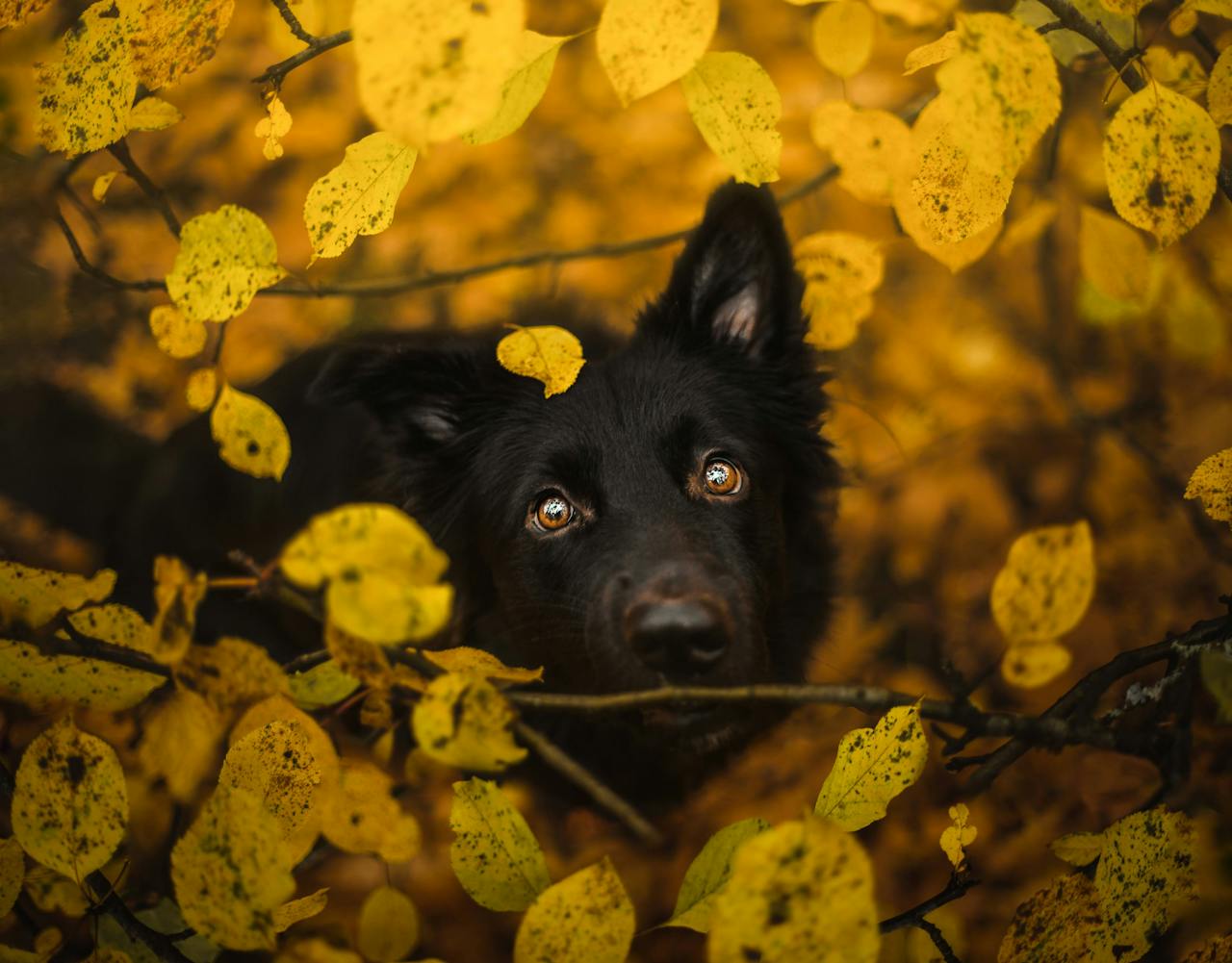
Horner’s syndrome in dogs and cats: signs, causes, diagnosis and treatment
A drooping eyelid, a smaller pupil and a visible third eyelid on one side add up to Horner's syndrome. It is not painful in itself and does not harm sight, but it often signals another, more serious condition underneath. We explain the causes, the diagnostic steps, the pharmacological tests and the treatment options.
Neurological diseases that affect a dog’s ability to walk, and how to prevent them
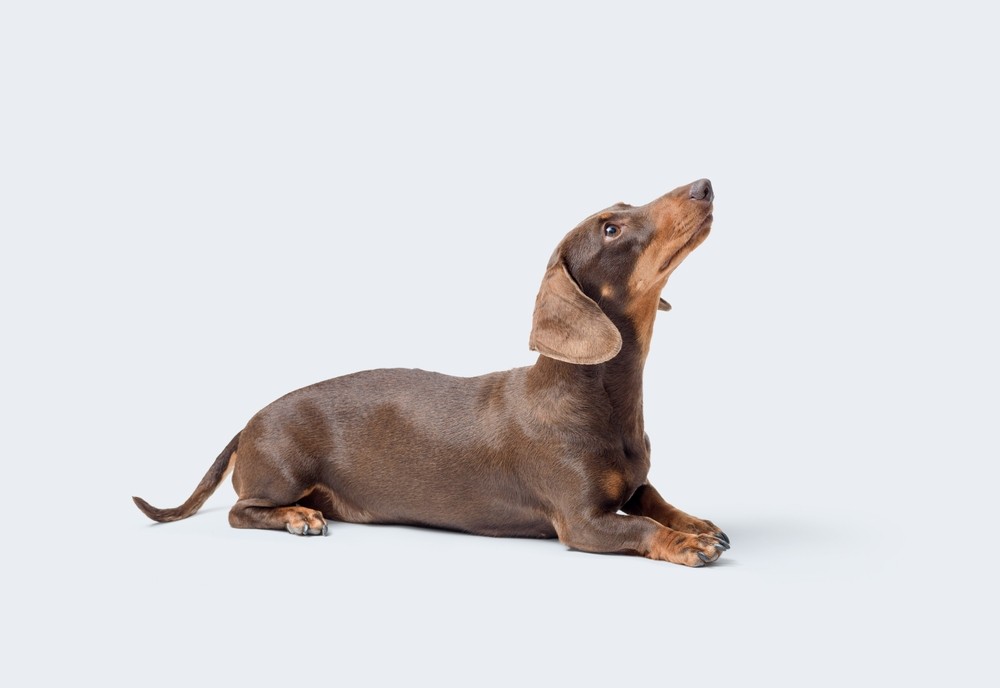
Neurological diseases in dogs pose a serious challenge to their health, affecting their ability to move and their quality of life. The nervous system is responsible for coordinating movement, maintaining balance and responding to stimuli, so problems in this area can lead to noticeable difficulties with walking and changes in behaviour. Owners should be alert to the first signs that may point to a neurological disorder, because early recognition is crucial for effective treatment.
What signs may appear in the early stages of disease?
The first signs that should prompt owners to see a vet, and that may indicate a neurological problem affecting a dog’s ability to walk, include:
The most common neurological diseases affecting the ability to walk
Intervertebral disc disease (IVDD)
Intervertebral disc disease (IVDD) is a condition involving damage to the intervertebral discs, which act as shock absorbers between the vertebrae of the spine. As a result of degeneration or injury, a disc may bulge or shift, putting pressure on the spinal cord and nerves and causing pain and neurological deficits. IVDD is more common in small breeds such as Dachshunds, Beagles and Chihuahuas.
The first signs of IVDD may include sudden back pain, stiffness, difficulty moving, and changes in posture such as reluctance to jump or climb stairs. As the disease progresses, the dog may experience weakness, numbness in the limbs and even complete paralysis as pressure on the spinal cord increases.
The disease can take various forms, from mild signs that can be managed conservatively to severe cases requiring surgery. Early diagnosis and appropriate treatment are key to minimising damage and restoring motor function.
Degenerative diseases of the nervous system in dogs
Degenerative diseases of the nervous system in dogs are a group of conditions characterised by progressive damage to nerve cells, leading to muscle weakness and problems with coordination. Examples include amyotrophic lateral sclerosis (ALS), neuropathies and various forms of ataxia. The causes are varied and include genetic factors, autoimmune processes, poor nutrition and age.
The first signs of degenerative neurological disease may include weakness in the limbs, difficulty keeping balance, and behavioural changes such as apathy or reluctance to exercise. As the disease progresses, dogs may develop more serious gait problems, which significantly affect their quality of life and their ability to carry out everyday activities. Diagnosis is based on a neurological examination and diagnostic imaging such as CT or MRI.
Dyskinesia
Dyskinesia in dogs is a movement disorder characterised by involuntary, abnormal body movements, which may include tremors, twisting and uncontrolled movements of the limbs. The signs can vary depending on the severity of the condition, but often include difficulty moving, wobbling and an inability to perform smooth, purposeful movements. These changes can cause considerable discomfort and limit the dog’s everyday activities.
Dyskinesia is often the result of damage to the central nervous system, which may be caused by factors such as metabolic disease, toxic substances, genetics, viral or inflammatory infections, and head injuries. In some cases the cause remains unknown.
Treatment depends on the underlying cause and may include medication prescribed by a vet to relieve the signs and improve motor function. Depending on the cause, rehabilitation may also be recommended to help improve coordination and muscle strength.
Flaccid paresis syndromes of spinal origin
Flaccid paresis syndromes of spinal origin are a group of neurological disorders characterised by muscle weakness and unsteady movement in dogs. Affected dogs may show signs such as difficulty moving, wobbling, weakness of the hind limbs and, in more advanced cases, complete paralysis. They may also show abnormal reactions to touch, and their posture may be unnatural because of muscle weakness.
These syndromes can have various causes, including genetic predisposition, viral infections (such as viral encephalitis), metabolic disease and injury. Treatment is usually comprehensive and includes anti-inflammatory medication, rehabilitation and supportive drugs aimed at relieving the signs and improving the animal’s quality of life. In some cases surgery may be necessary, particularly when the problem is caused by an anatomical abnormality.
How can neurological diseases that affect a dog’s mobility be prevented?
Many neurological conditions in dogs have a genetic basis, which makes complete prevention difficult. However, there are preventive measures that can significantly reduce the risk of walking problems. The foundation is regular veterinary check-ups, which allow potential health problems to be detected early. A proper diet is also essential; it is worth considering supplements tailored to your dog’s individual needs, which you can discuss with your veterinarian.
Another important aspect is preventing head injuries, which means taking care when the dog jumps from heights and keeping running on the lead under control. Keeping your dog safe during exercise, along with proper training and socialisation, plays a significant part in minimising risk. It is also good practice to keep up with parasite prevention to avoid infections that can affect the dog’s nervous system.
Summary
Looking after your dog’s neurological health is essential for its mobility and overall wellbeing. Regular veterinary visits, a suitable diet with supplements, parasite prevention and protection from head injuries all help to minimise the risk of neurological disease. Encouraging safe exercise, together with proper training and socialisation, is vital for giving our four-legged friends better health and a better quality of life.