

Blog
-

Urine testing in dogs and cats: what it involves and why it matters
A urine test can pick up disease before any visible signs appear, and it tells us about more than the urinary tract: the kidneys, liver and pancreas too. We explain when it is ordered, how to collect and store a sample properly, and what each parameter in the result means.
Read more -

Sharing a bed with your cat: pleasure or risk?
A cat curled up at your feet is a heart-warming sight. But is sharing a bed always a good idea? We weigh up the benefits, look at the risks to hygiene, sleep and children's safety, and gather simple advice that will help you keep those risks to a minimum.
Read more -
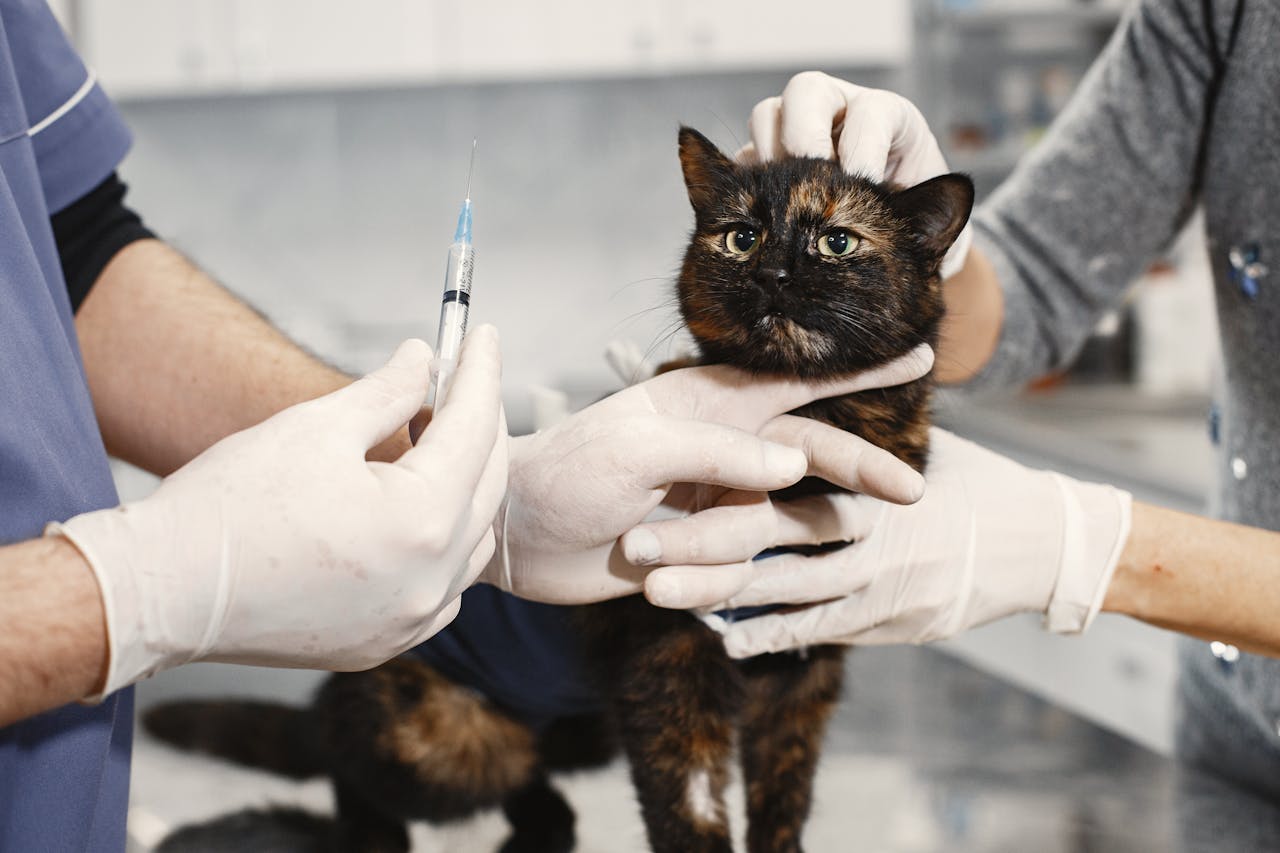
Truths and myths about vaccinating dogs and cats: what you should know
Vaccinations protect dogs and cats from diseases that are often fatal. We explain how vaccines work, what exactly they guard against, the schedules for puppies, kittens and adult animals, what is needed for travel abroad, and debunk three of the most common myths.
Read more -

Gastric torsion in dogs. What it is and how to recognise it
Gastric torsion, or gastric dilatation-volvulus (GDV), develops within hours and is almost always fatal without surgery. We explain the warning signs, what to do before you reach the clinic, what the operation involves and how to reduce the risk in large-breed dogs.
Read more -

Raw or cooked meat for dogs? Choosing the best diet for your pet
Meat is the foundation of a dog's diet, but should it be served raw or cooked? We look at which meats suit dogs, how much offal to include, the benefits and risks of BARF feeding, when cooked food is the safer choice and how to prepare it the right way.
Read more -
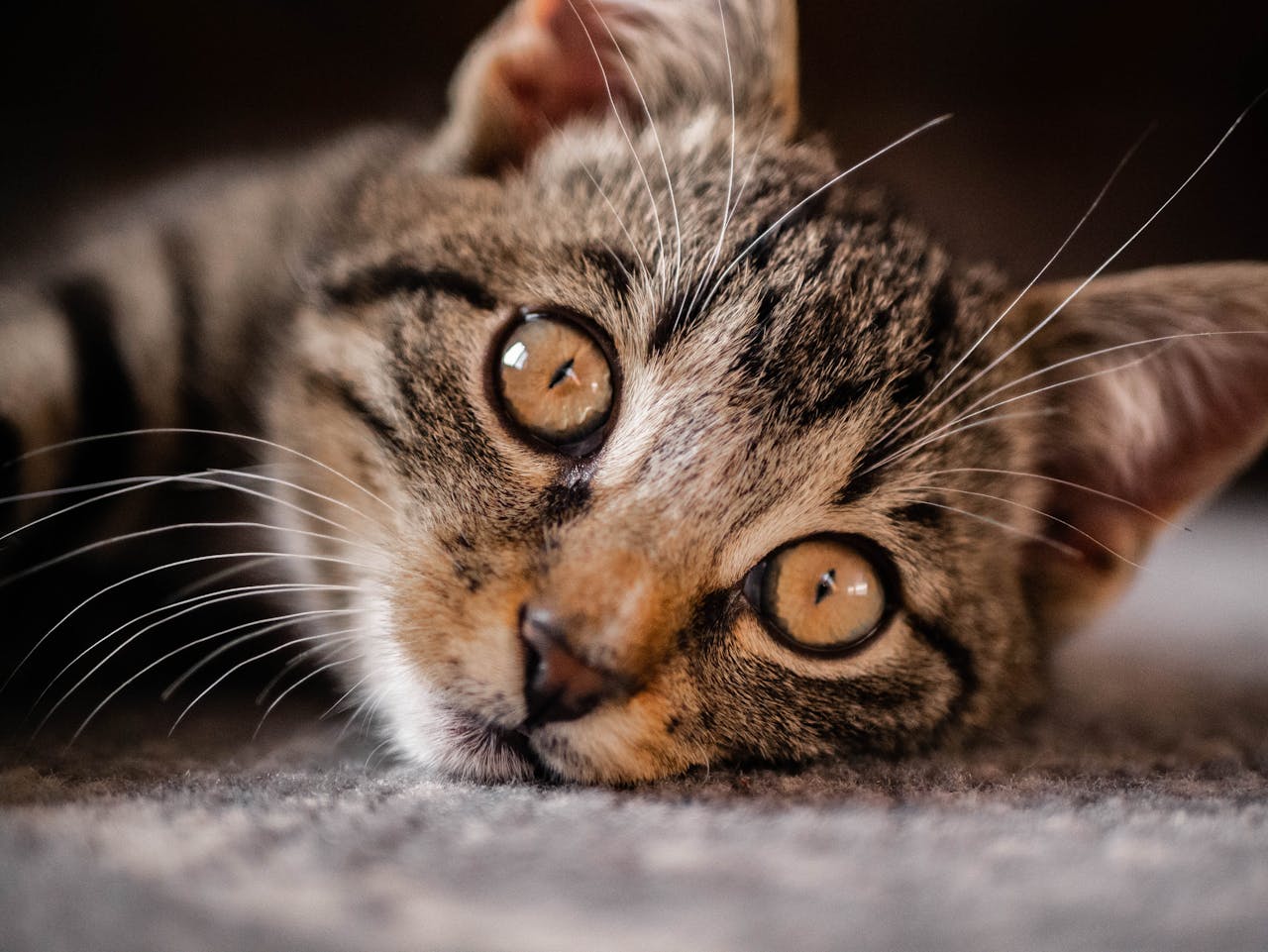
How long do cats live? The key factors behind a long feline life
A house cat usually lives 12 to 15 years, though with good care many reach twenty or more. We look at what makes the difference: breed, diet, exercise and a safe home. And we gather everything owners can do to give their cat more healthy, contented years.
Read more -
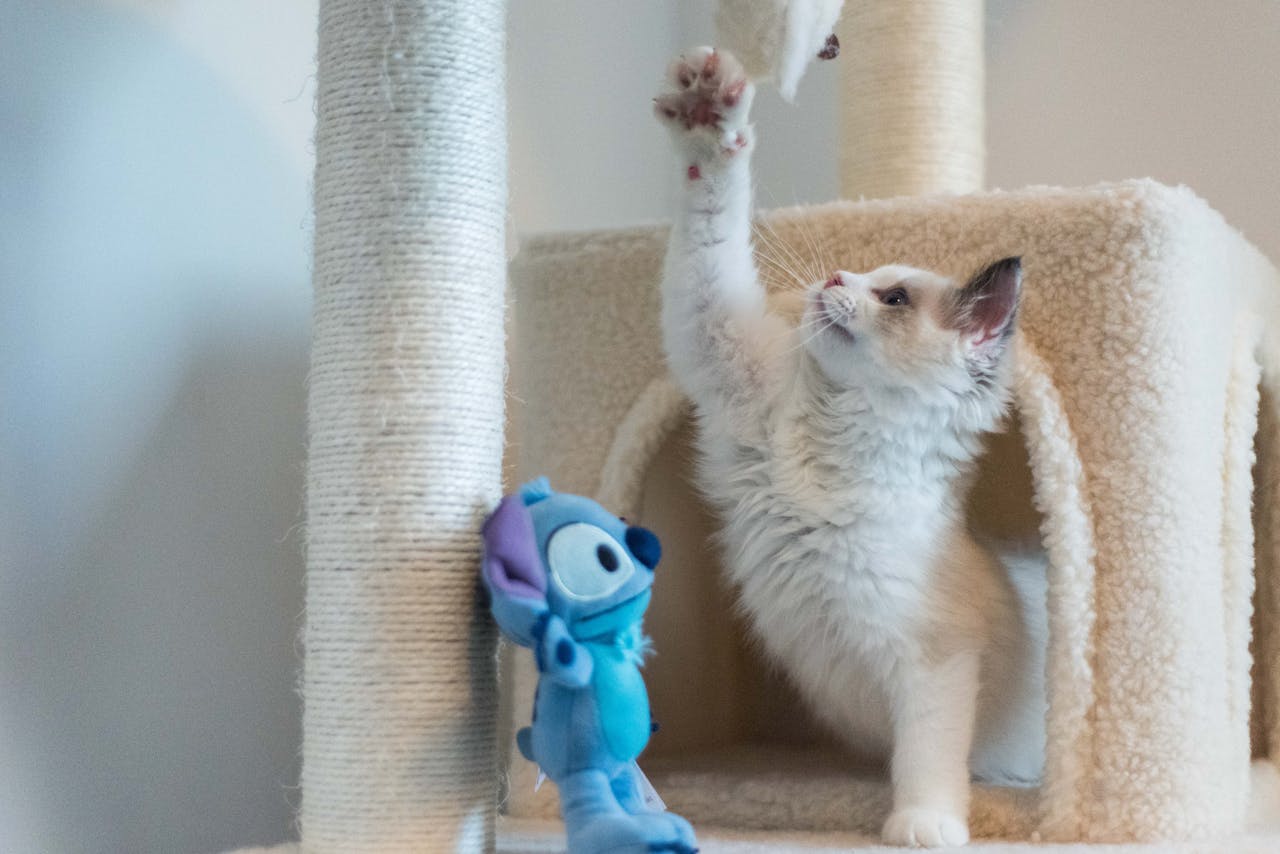
Why do cats scratch furniture?
Scratching is not mischief but a genuine feline need: it keeps the claws in shape, releases tension and marks territory. We explain what really lies behind the habit, how to gently teach your cat to choose a scratching post over the sofa, and why regular play matters just as much.
Read more -

Cat carriers: the key to safe and comfortable travel
A good carrier makes the journey calmer for cat and owner alike. We look at the models available, from rigid plastic to folding designs and backpack bags, what to check before you buy, how to get your cat used to the carrier step by step, and what to pack inside before you set off.
Read more -
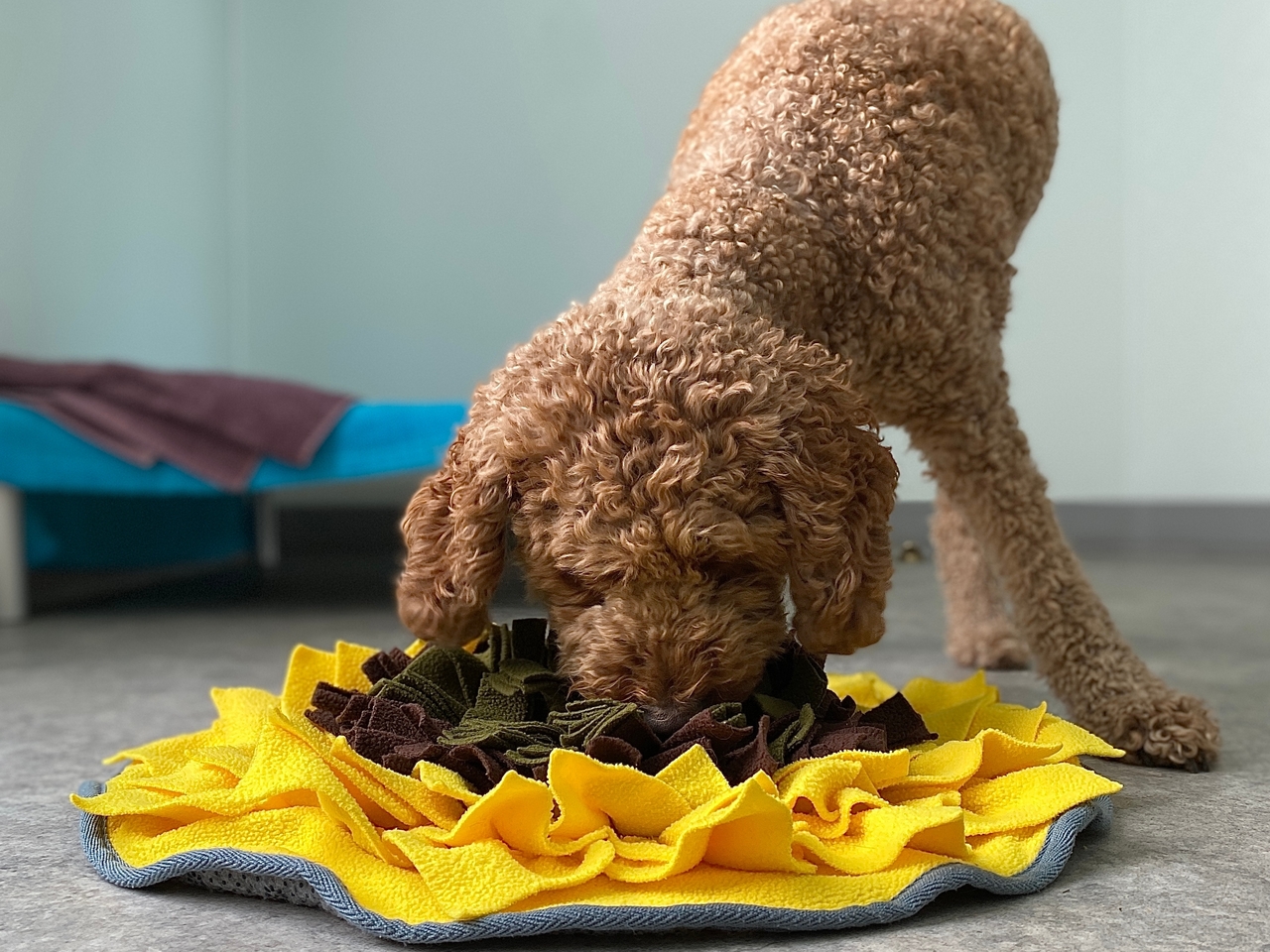
Slow feeder mats for cats and dogs: the key to healthy eating
A slow feeder mat makes a dog or cat search for its food instead of bolting the whole portion in seconds. We explain how this benefits digestion and mental wellbeing, at what age to introduce a mat, how to get your pet used to it, and what to serve on it.
Read more -
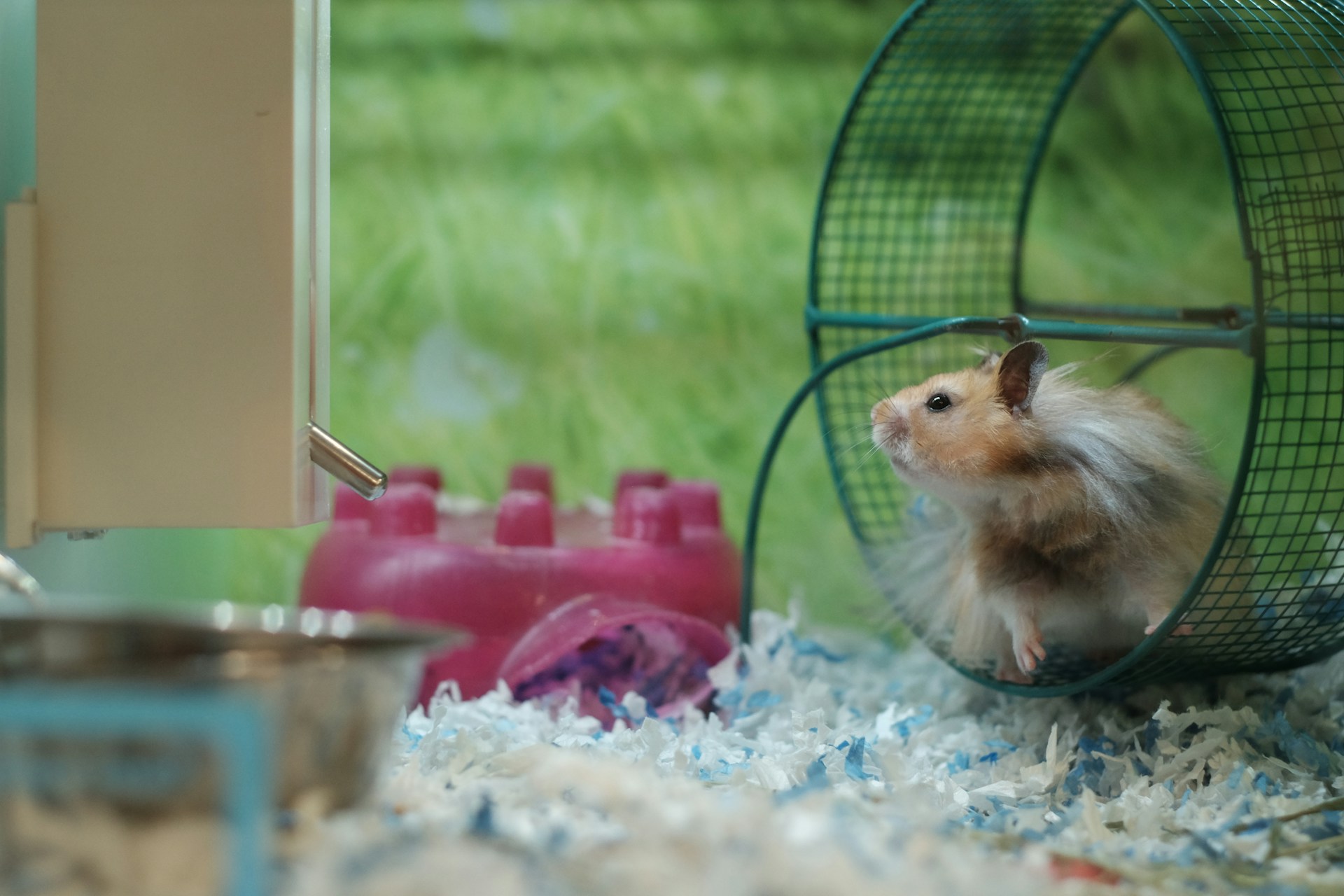
Why do rodents run in exercise wheels?
For a hamster or a degu, running in a wheel is not a game but a natural need its health depends on. We look at the types of exercise wheel available, how to pick the right size and surface, and the signs that a wheel simply does not suit your rodent.
Read more -

Ear infections in cats: how to spot them, prevent them and treat them
Itching, dark discharge and an unpleasant smell from the ears are all reasons to take a closer look at your cat. We explain what causes otitis externa, from bacteria and mites to allergies, how it is diagnosed and treated, and which simple habits will keep your pet's ears healthy for years.
Read more -

Pheromones in animal therapy: how they work and when to use them
Pheromones help dogs and cats feel calmer, whether at the vet, during a house move, on fireworks night or on a long journey. We explain what these substances are, how collars, diffusers and sprays differ, and why pheromones are safe and completely odourless.
Read more