

-

Parasitic diseases in rabbits: the commonest threats and how to prevent them
Coccidiosis, encephalitozoonosis, ear mange and cheyletiellosis are the parasitic diseases pet rabbits meet most often, and they can go unnoticed for a long time. We explain how they are diagnosed in the laboratory, how they are treated, and which hygiene, quarantine and feeding rules keep infection at bay.
-

How to protect your dog’s paws in winter
Frost, ice and road salt leave a dog's pads irritated, cracked and sometimes frostbitten every winter. We explain how to pick a route and a protective wax before the walk, how to rinse and dry the paws properly once you are home, and which signs mean it is time to call the veterinary clinic.
-

Horner’s syndrome in dogs and cats: signs, causes, diagnosis and treatment
A drooping eyelid, a smaller pupil and a visible third eyelid on one side add up to Horner's syndrome. It is not painful in itself and does not harm sight, but it often signals another, more serious condition underneath. We explain the causes, the diagnostic steps, the pharmacological tests and the treatment options.
How long do cats live? The key factors behind a long feline life
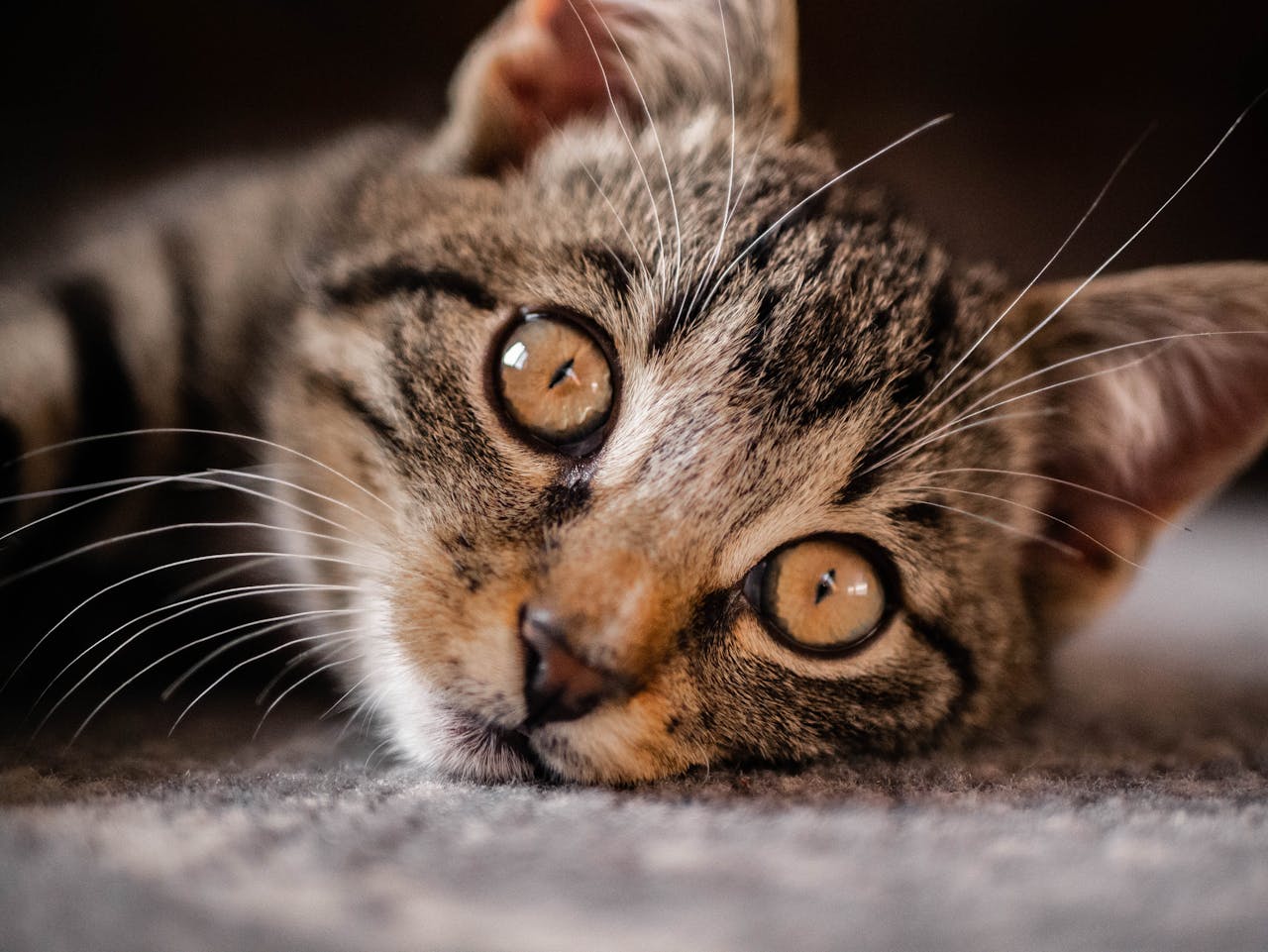
How long a cat lives depends on many factors, including its breed, lifestyle, environment and healthcare. Understanding a cat’s likely lifespan matters to every owner who wants to give their pet the best possible conditions for its whole life.
Average lifespan
House cats usually live between 12 and 15 years, but many reach 20 years or more, especially with the right care. Cats kept indoors stand a far better chance of a long life than cats that go outside, as the latter face a range of dangers such as accidents, infectious diseases and even fights with other animals.
Cat breeds with the longest average lifespan
Some cat breeds are known for their remarkable longevity, averaging 15 years or more. Siamese cats are among the longest-lived and often reach 20. Another breed that stands out is the Maine Coon, which can live from 12 to 15 years, and some individuals longer still. Persians, although prone to certain health problems, also frequently reach the age of 15. The Ragdoll, another favourite among cat lovers, can live from 12 to 17 years.
The way to a long life is through the stomach!
Cats are predators, which means their diet should be rich in protein, fat and essential nutrients such as vitamins and minerals. Proper nutrition helps maintain an ideal body weight, and that is extremely important, because obesity can lead to a host of health problems such as diabetes, heart disease or joint trouble.
Choosing a good-quality food, rich in nutrients and free from artificial additives, can also help the body fight off disease and strengthen the immune system. Feeding regularly, in portions matched to the cat’s age and activity level, prevents both nutrient deficiencies and excesses. Constant access to fresh water is likewise essential for healthy kidneys and general wellbeing. A well-chosen diet therefore not only supports a cat’s health but can significantly extend its life, and improve the quality of that life at every stage.
Exercise means health — and a long life!
Regular exercise helps maintain an ideal body weight, which is key to preventing obesity and the many health problems that come with it, such as heart disease, diabetes or joint trouble. Active cats are less likely to develop the conditions associated with a sedentary life.
Exercise also stimulates the circulatory system and supports healthy muscles and joints, keeping them supple and the cat generally fit. Physical activity has a positive effect on a cat’s mental health too, reducing stress, anxiety and boredom, and with them the risk of destructive behaviour. Playing with their owner or with a variety of toys, such as wand teasers or balls, gives cats not only the exercise they need but also a stronger bond with the people who care for them.
How the right environment affects a cat’s lifespan
Cats that live in a safe, comfortable and stimulating environment have a far better chance of a long life than those exposed to constant hazards. Cats that go outdoors face accidents, infectious diseases and fights with other animals, all of which can cut their lives short considerably. Keeping a cat indoors minimises the risk of such dangers.
A safe environment should also offer plenty of scope for mental and physical stimulation. Toys, scratching posts and space to explore let cats express their natural instincts, such as climbing and hunting, which is good for their mental health. Access to fresh air and natural light, for instance through windows or balconies fitted with protective netting, also does much for a cat’s wellbeing.
How to help your cat live a long life
To improve a cat’s chances of a long life, owners should: