

-
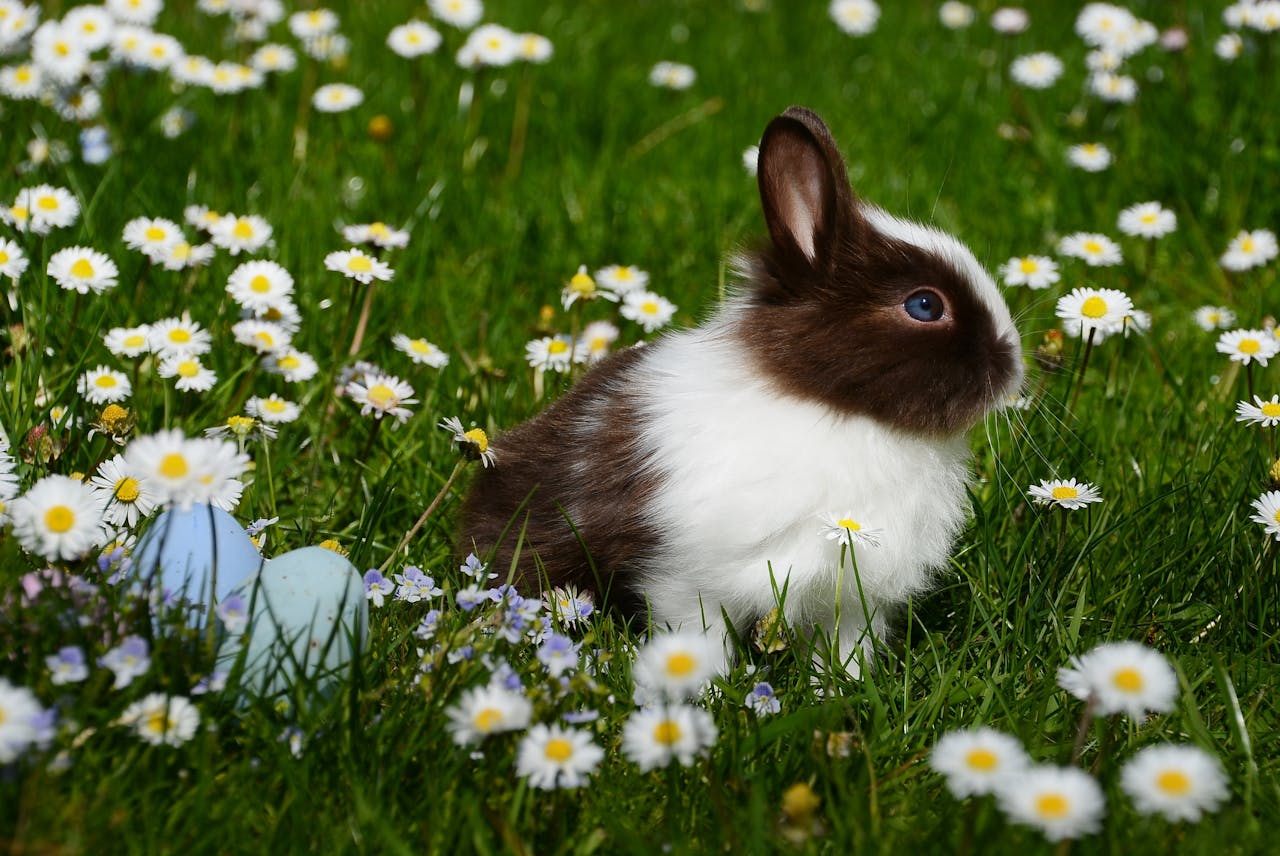
Parasitic diseases in rabbits: the commonest threats and how to prevent them
Coccidiosis, encephalitozoonosis, ear mange and cheyletiellosis are the parasitic diseases pet rabbits meet most often, and they can go unnoticed for a long time. We explain how they are diagnosed in the laboratory, how they are treated, and which hygiene, quarantine and feeding rules keep infection at bay.
-

How to protect your dog’s paws in winter
Frost, ice and road salt leave a dog's pads irritated, cracked and sometimes frostbitten every winter. We explain how to pick a route and a protective wax before the walk, how to rinse and dry the paws properly once you are home, and which signs mean it is time to call the veterinary clinic.
-

Horner’s syndrome in dogs and cats: signs, causes, diagnosis and treatment
A drooping eyelid, a smaller pupil and a visible third eyelid on one side add up to Horner's syndrome. It is not painful in itself and does not harm sight, but it often signals another, more serious condition underneath. We explain the causes, the diagnostic steps, the pharmacological tests and the treatment options.
Pheromones in animal therapy: how they work and when to use them
What are pheromones?
Pheromones are chemical substances released by an organism that can influence the behaviour, emotions and reactions of other individuals of the same species. They work as a form of chemical communication, conveying information about territory, readiness to breed, emotional state or danger. Pheromones are picked up by the sense of smell, reaching specialised receptors in the nose, which then trigger the appropriate behavioural response. In animals such as dogs and cats, pheromones play a key role in social interaction and in forming the bond between mother and offspring. Pheromones are used in pet products to support emotional wellbeing, reduce stress and anxiety, and encourage positive behaviour.
Pheromones in feline and canine therapy
Pheromones are used more widely in cats than in dogs, because two different types have been reproduced and brought into general use for them. The first are the appeasing pheromones of the mammary area, which have a calming effect and provide a sense of safety and comfort, much as they do in dogs. The second are the facial pheromones, also known as the F3 fraction, which cats release when they rub against objects to mark the places and things where they feel content and secure. In dogs, only analogues of the appeasing pheromone produced by a nursing bitch have been used so far. These pheromones are intended to calm the dog and give it a sense of security.
Pheromone products and how they work
How pheromones work in pet products
Pheromones are species-specific, which means dogs respond only to pheromones produced by other dogs, and cats only to feline pheromones.
Pheromones are entirely safe and cause no side effects. They can be used in young and older animals alike, and in unwell animals taking various medicines, since they do not interact with any drugs. Importantly, pheromones cannot be overdosed; the animal’s response stays the same regardless of the concentration, provided the amount of pheromone is enough to produce a response in the first place. If necessary, pheromones can be used continuously over long periods, even for months and in some cases years.
It is also worth noting that pheromones are odourless. It is perfectly normal to smell nothing at all once a pheromone product has been activated. Substances of this kind work invisibly, acting on the animal’s emotions.
The effects of pheromones vary from one animal to another. It is not entirely clear what accounts for these differences, but every animal may respond to pheromones differently, and even the same animal may respond differently at different stages of life. Be prepared, then, to try a product out and see how it works for your particular pet.
When can pheromones be used?
Pheromones in pet products can be especially useful in the many situations that leave dogs and cats stressed and anxious. During a visit to the vet, for instance, where animals often feel uneasy, a pheromone diffuser or spray can help settle them. Likewise, during a house move or when a new family member arrives, pheromones can soften the stress of a sudden change of surroundings. In situations such as thunderstorms, loud noises, fireworks or other stressful sounds, pheromone products can help animals feel safer and more comfortable. On long journeys or during transport, they can also support animals as they adjust to unfamiliar conditions, which in turn makes settling into a new place easier. Using such products in these circumstances can make a real difference to how animals feel and how they react to stressful triggers.