

-

Parasitic diseases in rabbits: the commonest threats and how to prevent them
Coccidiosis, encephalitozoonosis, ear mange and cheyletiellosis are the parasitic diseases pet rabbits meet most often, and they can go unnoticed for a long time. We explain how they are diagnosed in the laboratory, how they are treated, and which hygiene, quarantine and feeding rules keep infection at bay.
-

How to protect your dog’s paws in winter
Frost, ice and road salt leave a dog's pads irritated, cracked and sometimes frostbitten every winter. We explain how to pick a route and a protective wax before the walk, how to rinse and dry the paws properly once you are home, and which signs mean it is time to call the veterinary clinic.
-

Horner’s syndrome in dogs and cats: signs, causes, diagnosis and treatment
A drooping eyelid, a smaller pupil and a visible third eyelid on one side add up to Horner's syndrome. It is not painful in itself and does not harm sight, but it often signals another, more serious condition underneath. We explain the causes, the diagnostic steps, the pharmacological tests and the treatment options.
Cat carriers: the key to safe and comfortable travel
Types of carrier on the market
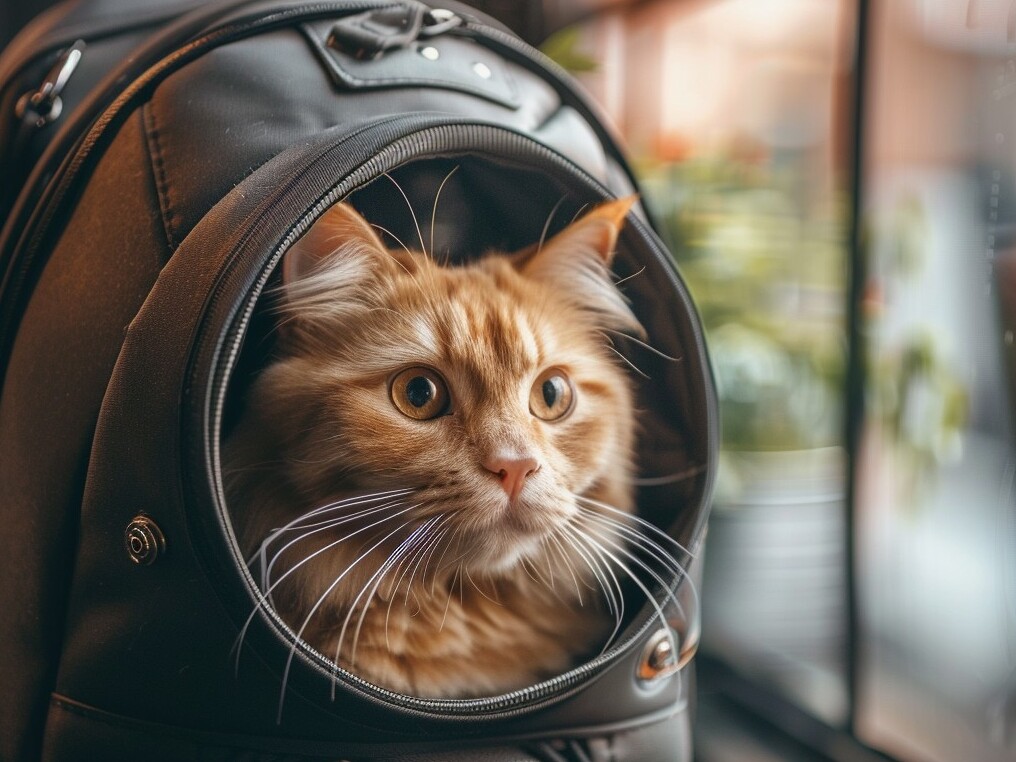
There is a wide range of cat carriers on the market, differing in material, shape and features. Among the most popular are plastic carriers, which are sturdy, easy to clean and often fitted with ventilation holes. The second group is fabric carriers, generally light and comfortable and ideal for shorter trips. Backpack-style carrier bags are also worth a look, often fitted with a window so the cat can watch the world go by. Folding carriers are another practical option, saving space when they are not in use. For owners after something more stylish, there are carriers designed as elegant bags, which work beautifully for trips around town or visits to the vet. The model you choose should suit the needs of the cat and the owner alike.
How to choose the right carrier for your cat
When choosing a carrier for your cat, there are several key points to bear in mind that will keep the journey comfortable and safe. First and foremost, check the material the carrier is made of: it should be durable and hard-wearing, as well as easy to clean. Proper ventilation matters too, so make sure the carrier has holes or mesh panels that let air circulate. Pay attention to the dimensions as well, since the carrier must be roomy enough for the cat to stand, sit and turn around comfortably. It helps if the door is easy to operate, making it simpler to get your pet in and out. Extra features, such as adjustable carrying straps or a comfortable removable base, can also make a real difference in use. Finally, give some thought to the weight of the carrier, as lighter models are far more practical to carry.
How to get your cat used to the carrier
Getting a cat used to its carrier is a crucial process that can make journeys far easier and reduce the animal’s stress. Here are a few steps that will help:
What to provide for comfort and safety on the journey
When your cat travels in a carrier, it is important to provide the right conditions to keep it comfortable and safe. Above all, line the inside of the carrier with something soft, such as a blanket or a cushion, to give your pet a comfortable place to rest. It is worth putting a favourite toy or some treats inside as well, which will help reduce stress and make the journey more pleasant. Make sure the ventilation is adequate too: the carrier should have openings that allow air to circulate freely. Depending on how long the journey is, it is also a good idea to have water and a water bowl to hand, plus food if necessary, especially on longer trips. Before you set off, check that the carrier is securely fastened and that the cat has enough room to stand, sit and turn around. Keep an eye on how your cat is reacting and try to stay calm yourself, which will help settle it and make the journey easier.