

Blog
-

Why is my dog shaking? Causes and what to do
A dog may shake from cold, fear, excitement or after a vigorous walk, but sometimes trembling signals pain, poisoning or epilepsy. We explain when it is normal, which diseases to rule out, why small breeds feel the cold more and what to do when your dog is shaking.
Read more -

Cataracts in cats: what are they? How to recognise and treat them. Overview and cataract surgery
Clouding of the lens in a cat impairs vision and, left untreated, can lead to blindness. We explain how to spot the first signs of cataracts, what causes them, how they are treated with medication or surgery, when an operation is worth considering and what determines its cost.
Read more -

Black testicles in dogs: causes, symptoms and treatment
Darkening of a dog's testicles is not always a sign of disease; sometimes it is down to age, genetics or hormonal changes. But if swelling, tenderness or behavioural changes appear, do not wait. We explain when it is normal, when to see a vet and how to keep your dog healthy.
Read more -

What to do if your dog has a food allergy
Persistent itching, recurrent ear infections or chronic diarrhoea in a dog can all point to a food allergy. We explain how it differs from food intolerance, which ingredients are most often to blame, how an elimination diet works and what to feed an allergic dog.
Read more -
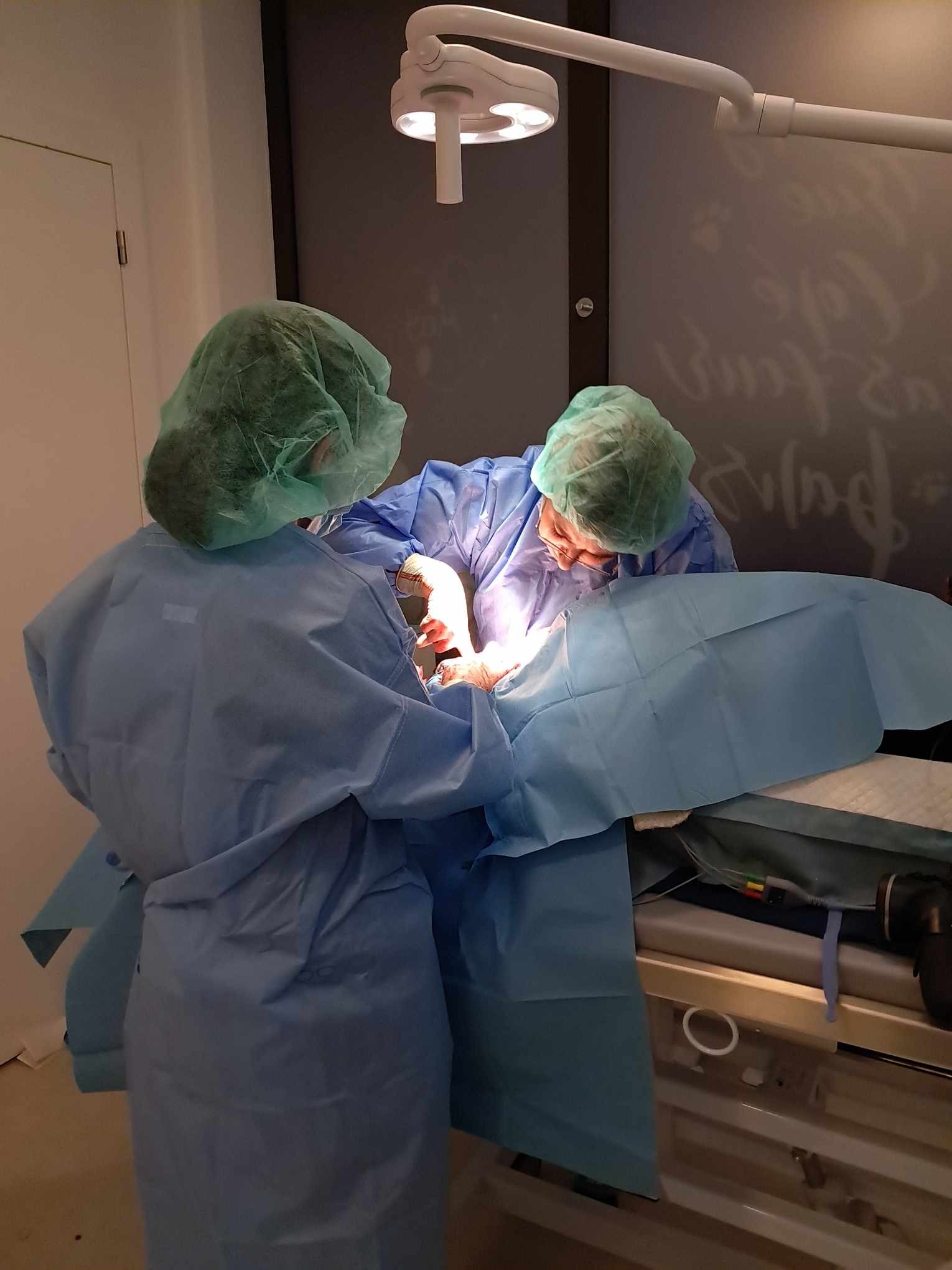
What Is Pyometra?
Pyometra is a pus-filled infection of the uterus in bitches that usually develops around 2 months after a season and can be life-threatening. We explain which symptoms to watch for, how pyometra is diagnosed by ultrasound, why treatment is usually surgical and how spaying removes the risk entirely.
Read more -
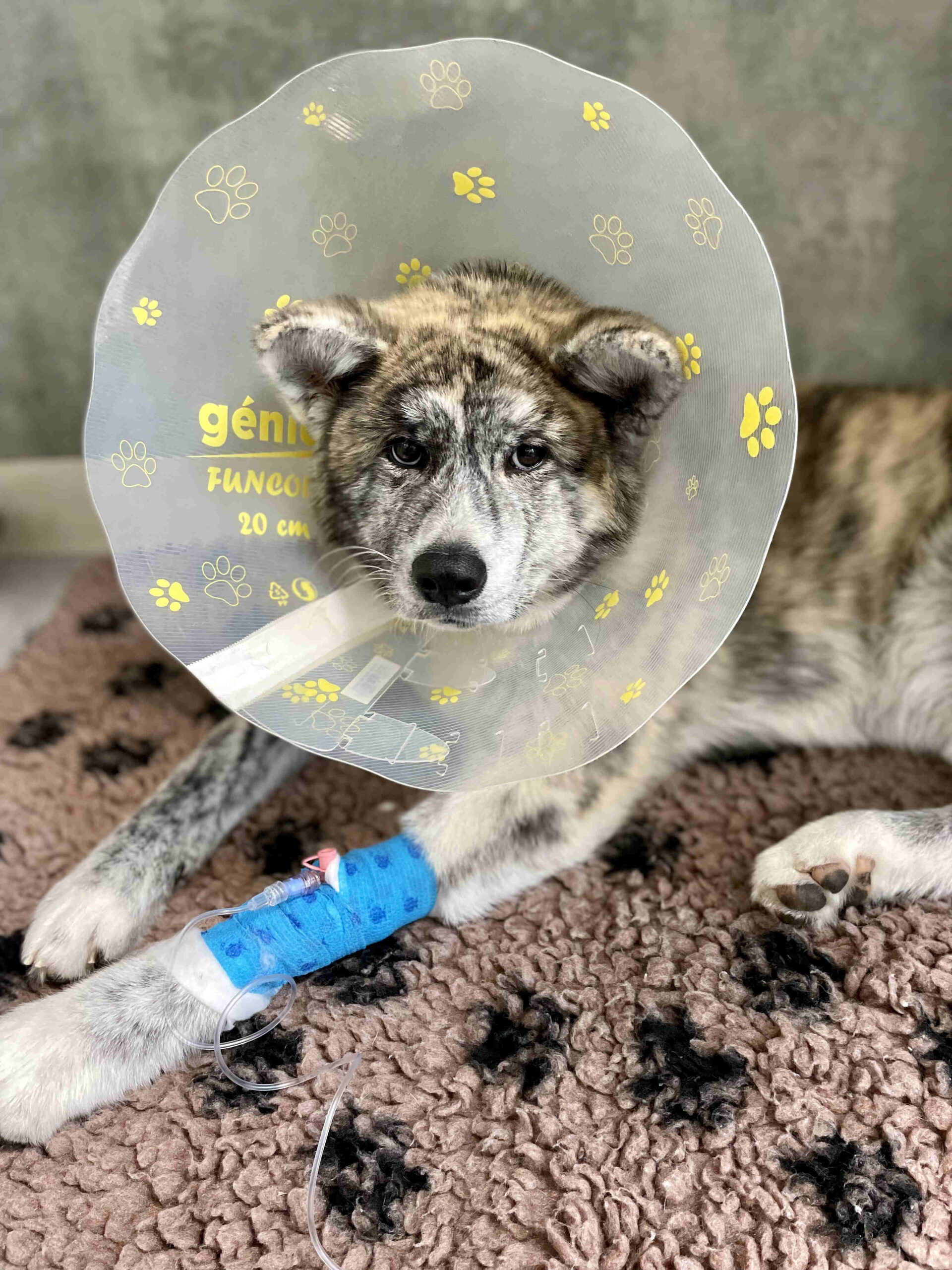
What to Do If Your Dog Eats Human Medication
Some human medicines, including paracetamol, ibuprofen, aspirin and antidepressants, are toxic to dogs. If your pet has accidentally swallowed tablets, every hour counts: vomiting can still be induced up to about 4 hours after ingestion. We explain which drugs are most dangerous and what to do.
Read more -
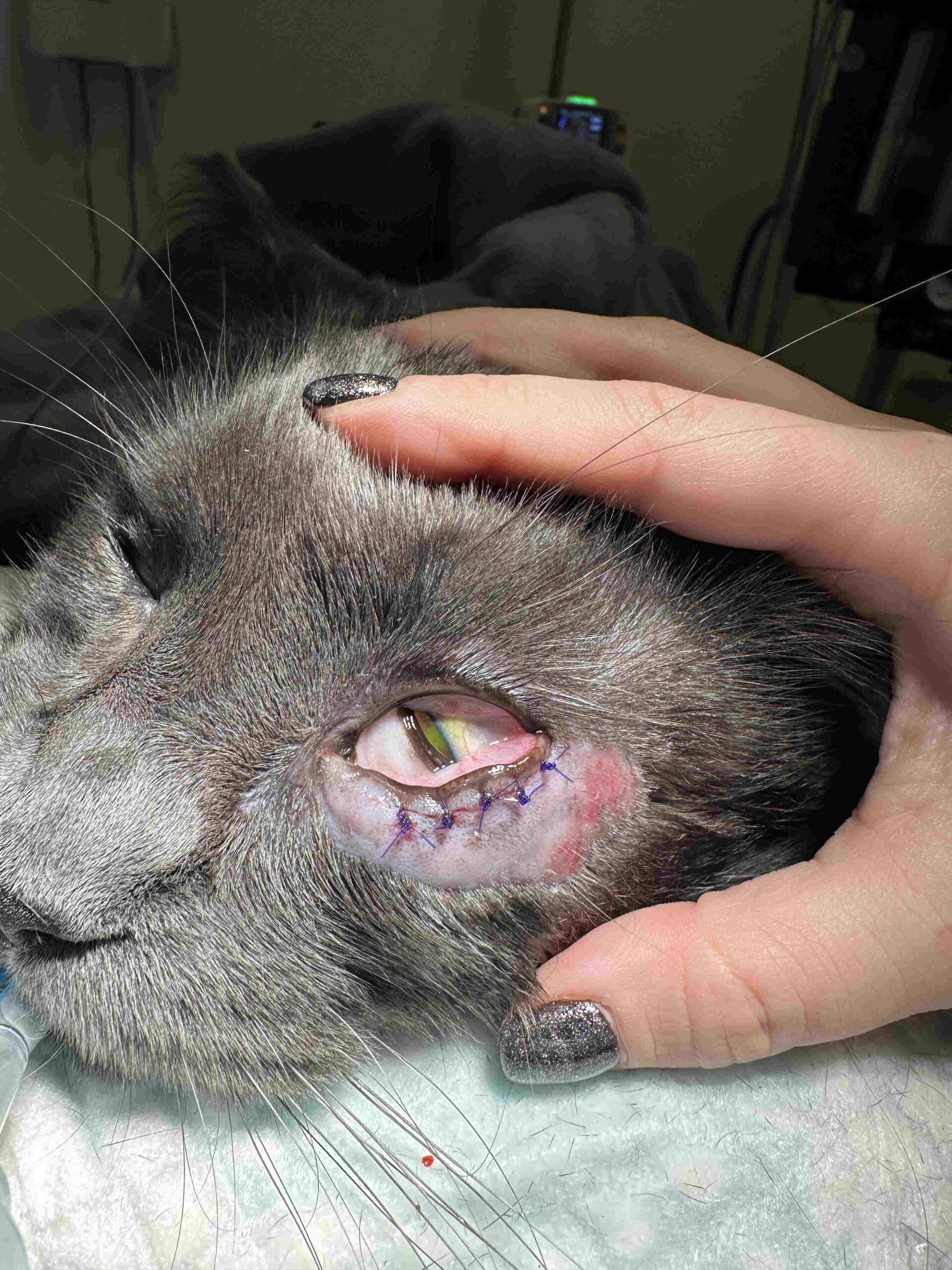
What Is Entropion in Dogs and Cats?
Entropion is an inward rolling of the eyelid that leaves the lashes and fur constantly rubbing against the eye. Left untreated, it leads to watering, corneal ulcers and even loss of sight. We cover the causes, the breeds at risk, the symptoms and the surgical correction performed at Zviropolis.
Read more -
What Is Cardiomyopathy in Cats?
Cardiomyopathy is an incurable disease of the heart muscle, and in cats it most often takes the hypertrophic form (HCM). We explain how HCM differs from dilated cardiomyopathy, how the disease is diagnosed, which symptoms should worry you, which breeds are at risk and why routine check-ups matter so much.
Read more -
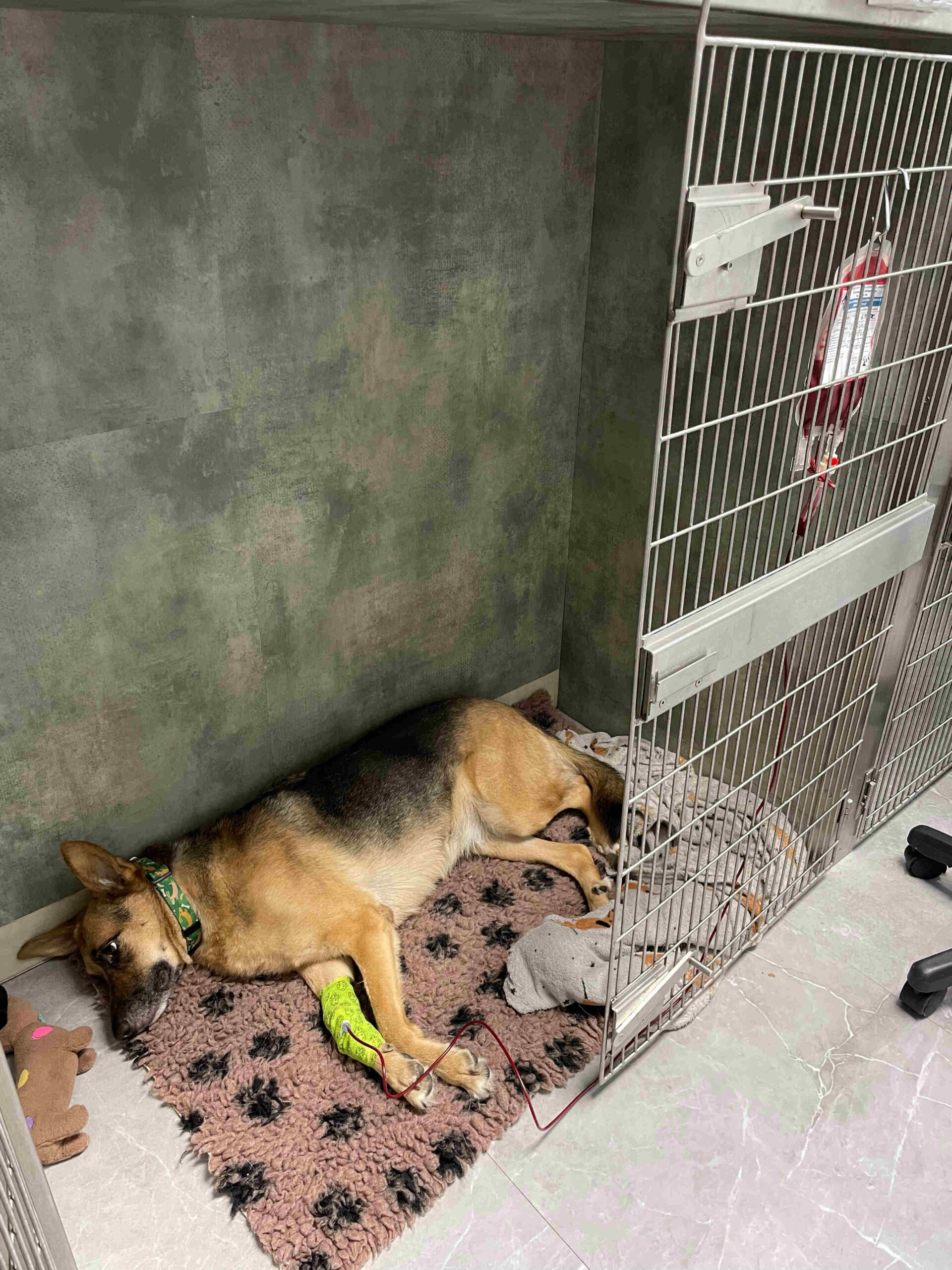
What You Need to Know About Blood Transfusions in Animals
Blood transfusions save dogs and cats in critical condition: with anaemia after tick-borne infections, major surgery or trauma. We explain when a transfusion is needed, whether animals have blood groups, how the procedure works and why the patient needs monitoring afterwards.
Read more -

What Is Tracheal Collapse in Dogs? How Is It Treated and Diagnosed?
Tracheal collapse is a progressive condition in which the windpipe narrows and less air reaches the lungs. Small breeds such as Yorkshire terriers, chihuahuas, Pomeranians and pugs are most often affected. We look at the causes, symptoms, diagnosis, treatment options and what to avoid with a dog that has this condition.
Read more -
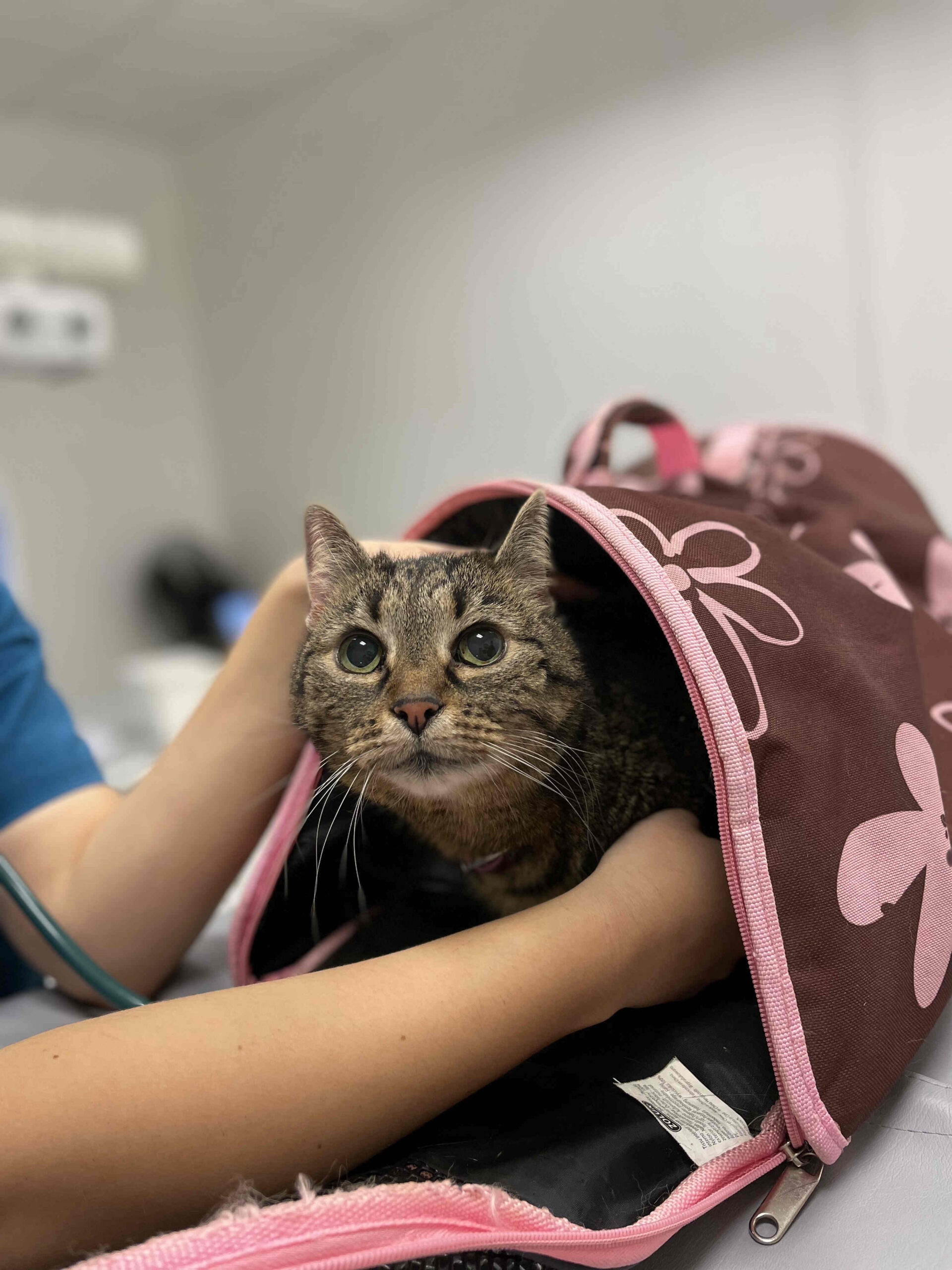
What to Do When Your Cat Cannot Pass Urine
A cat that wants to urinate but cannot is in a life-threatening situation and needs to be taken to a clinic without delay. We explain why cats develop urinary problems, the role that stress plays, the questions your vet will ask and how a feline behaviourist can help.
Read more -
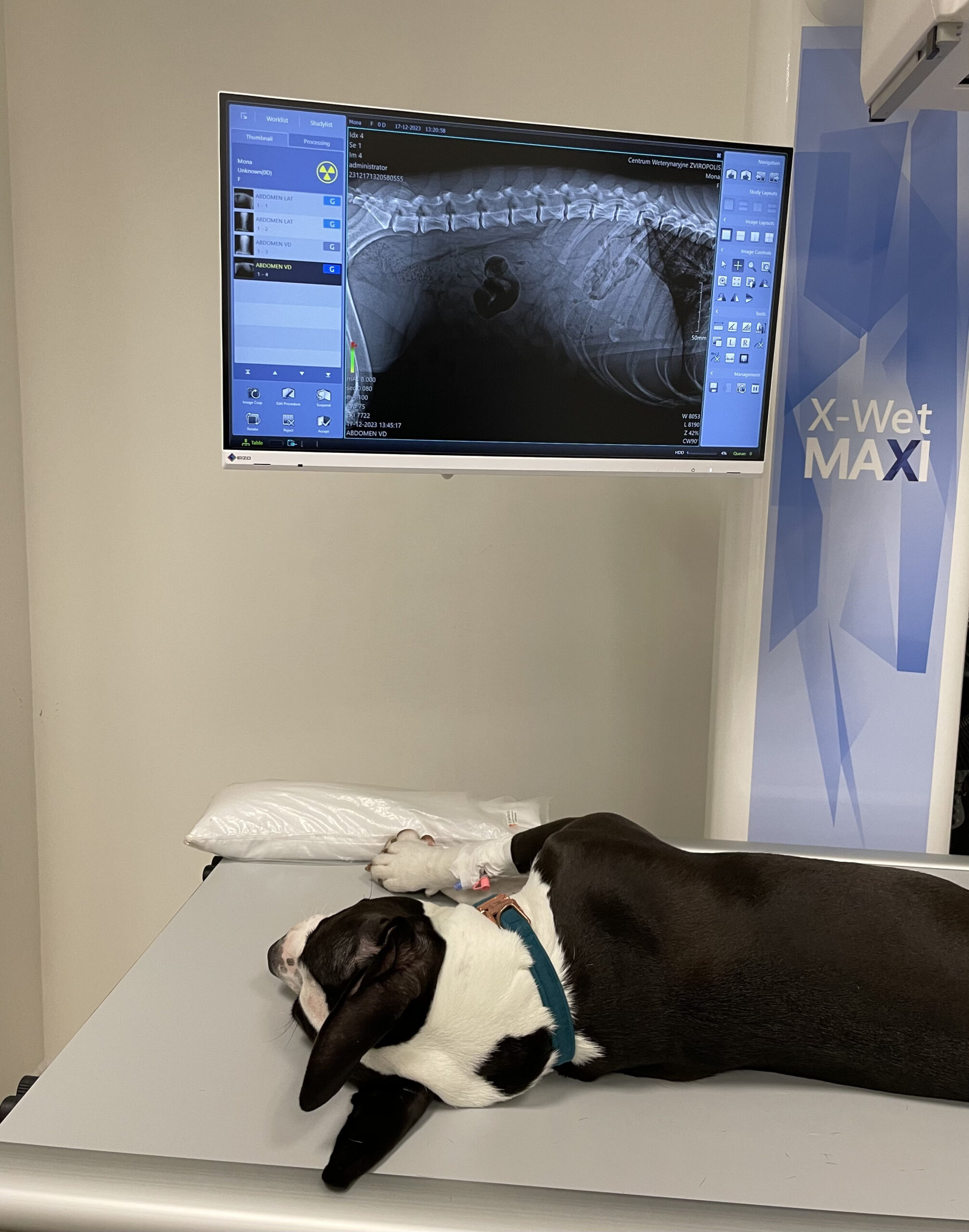
Foreign Bodies in Dogs and Cats: Symptoms, Types of Risk and the First Warning Signs
A foreign body is, put simply, an object that has ended up "inside the animal" when it has no business being there. Most often the term comes up when a dog or cat has swallowed a toy. That toy then becomes a foreign body lodged, for example, in the digestive tract.
Read more