

-

Parasitic diseases in rabbits: the commonest threats and how to prevent them
Coccidiosis, encephalitozoonosis, ear mange and cheyletiellosis are the parasitic diseases pet rabbits meet most often, and they can go unnoticed for a long time. We explain how they are diagnosed in the laboratory, how they are treated, and which hygiene, quarantine and feeding rules keep infection at bay.
-

How to protect your dog’s paws in winter
Frost, ice and road salt leave a dog's pads irritated, cracked and sometimes frostbitten every winter. We explain how to pick a route and a protective wax before the walk, how to rinse and dry the paws properly once you are home, and which signs mean it is time to call the veterinary clinic.
-

Horner’s syndrome in dogs and cats: signs, causes, diagnosis and treatment
A drooping eyelid, a smaller pupil and a visible third eyelid on one side add up to Horner's syndrome. It is not painful in itself and does not harm sight, but it often signals another, more serious condition underneath. We explain the causes, the diagnostic steps, the pharmacological tests and the treatment options.
What You Need to Know About Blood Transfusions in Animals
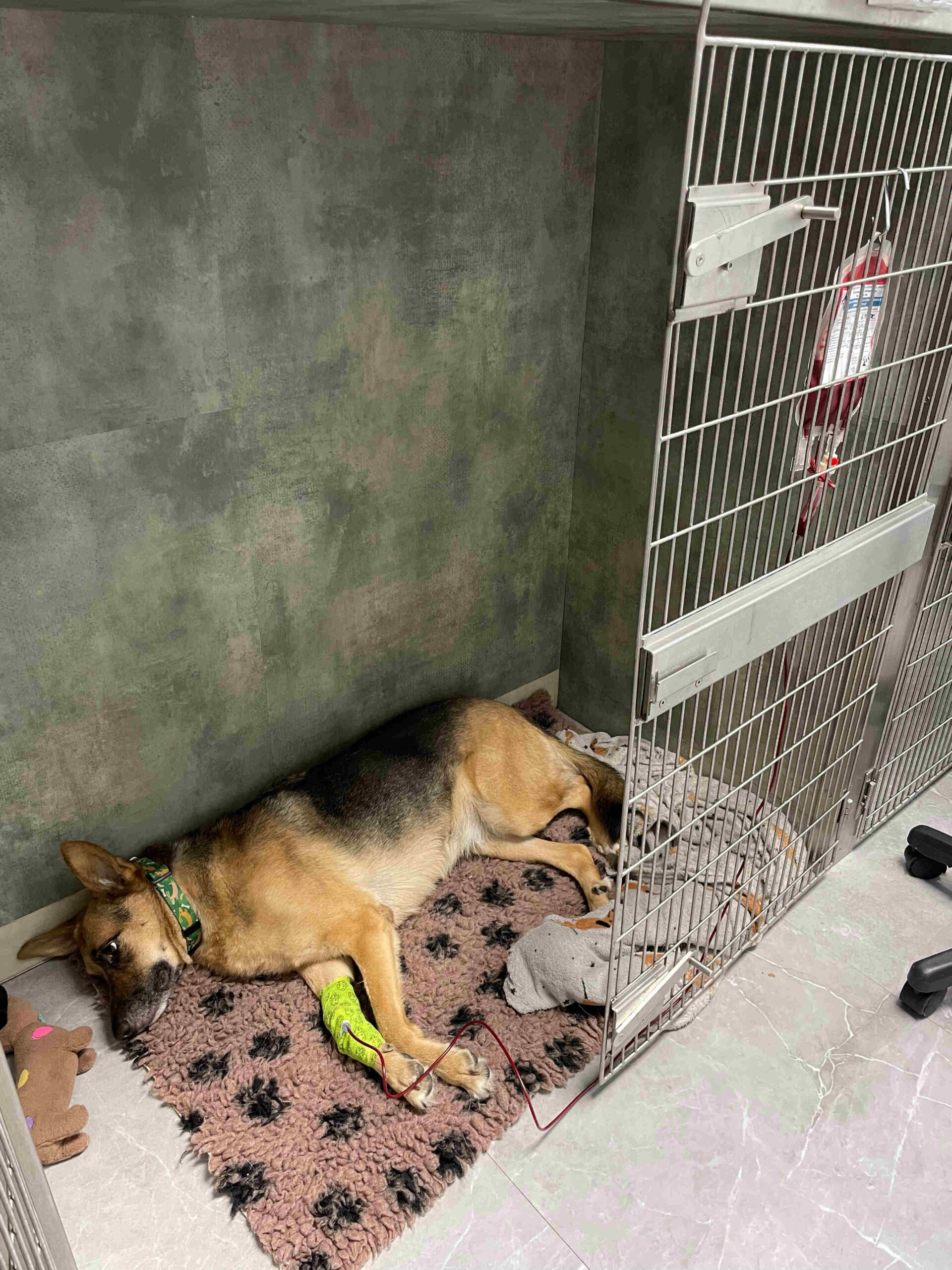
What is a blood transfusion in animals?
Just as in human medicine, blood transfusions are also carried out in veterinary practice. The whole process is broadly similar to that in people, with a few minor differences. A transfusion is given when the haematocrit, the percentage of the blood made up of red blood cells, falls well below normal. In veterinary medicine there is a threshold value at which a transfusion is required.
When does a dog or cat need a blood transfusion?
The decision to transfuse always rests with the attending veterinarian, who knows the animal’s history and current test results. Situations in which transfusions are given include a drop in red blood cell numbers as a result of a tick-borne or infectious disease, after major surgery, or when internal organs have been damaged by trauma. These are just a few examples of when donor blood may be needed.
How often can a dog or cat be given a transfusion?
The key considerations here are the patient’s clinical condition and test results. There is no fixed time limit, but it should be remembered that there is always a risk of the patient reacting adversely to the blood or blood product being given.
Do dogs and cats have blood groups?
Both dogs and cats have their own blood groups. In veterinary medicine, as many as 13 blood group variants are recognised in dogs! Cats have only 3 blood groups, but transfusions in cats carry a higher risk of failure.
There are dedicated blood banks that hold units of blood and blood products. Their availability depends on the number of donors. Animals have to pass a screening process and meet certain criteria in order to become blood donors.
What does a blood transfusion in animals involve?
The procedure itself is similar to that in humans. First, a donor has to be found who meets the criteria and can give blood. This usually takes place in clinics equipped for blood collection or directly at blood banks. The prepared unit of blood is connected to the patient much like a drip of fluids. How long the transfusion takes depends on the volume of blood being given. It is usually a matter of tens of minutes, and throughout that time the patient must be continuously monitored by clinic staff.
Summary
Blood transfusion is a major advance in veterinary medicine and makes it possible to save animals in critical condition. It should always be remembered that giving donor blood carries risks and the body may react adversely, but a transfusion can sometimes be the only way out of a given problem. After the procedure the animal needs to be observed at a 24-hour facility, with its blood parameters monitored for several more days.