

-

Parasitic diseases in rabbits: the commonest threats and how to prevent them
Coccidiosis, encephalitozoonosis, ear mange and cheyletiellosis are the parasitic diseases pet rabbits meet most often, and they can go unnoticed for a long time. We explain how they are diagnosed in the laboratory, how they are treated, and which hygiene, quarantine and feeding rules keep infection at bay.
-

How to protect your dog’s paws in winter
Frost, ice and road salt leave a dog's pads irritated, cracked and sometimes frostbitten every winter. We explain how to pick a route and a protective wax before the walk, how to rinse and dry the paws properly once you are home, and which signs mean it is time to call the veterinary clinic.
-

Horner’s syndrome in dogs and cats: signs, causes, diagnosis and treatment
A drooping eyelid, a smaller pupil and a visible third eyelid on one side add up to Horner's syndrome. It is not painful in itself and does not harm sight, but it often signals another, more serious condition underneath. We explain the causes, the diagnostic steps, the pharmacological tests and the treatment options.
What Is Tracheal Collapse in Dogs? How Is It Treated and Diagnosed?
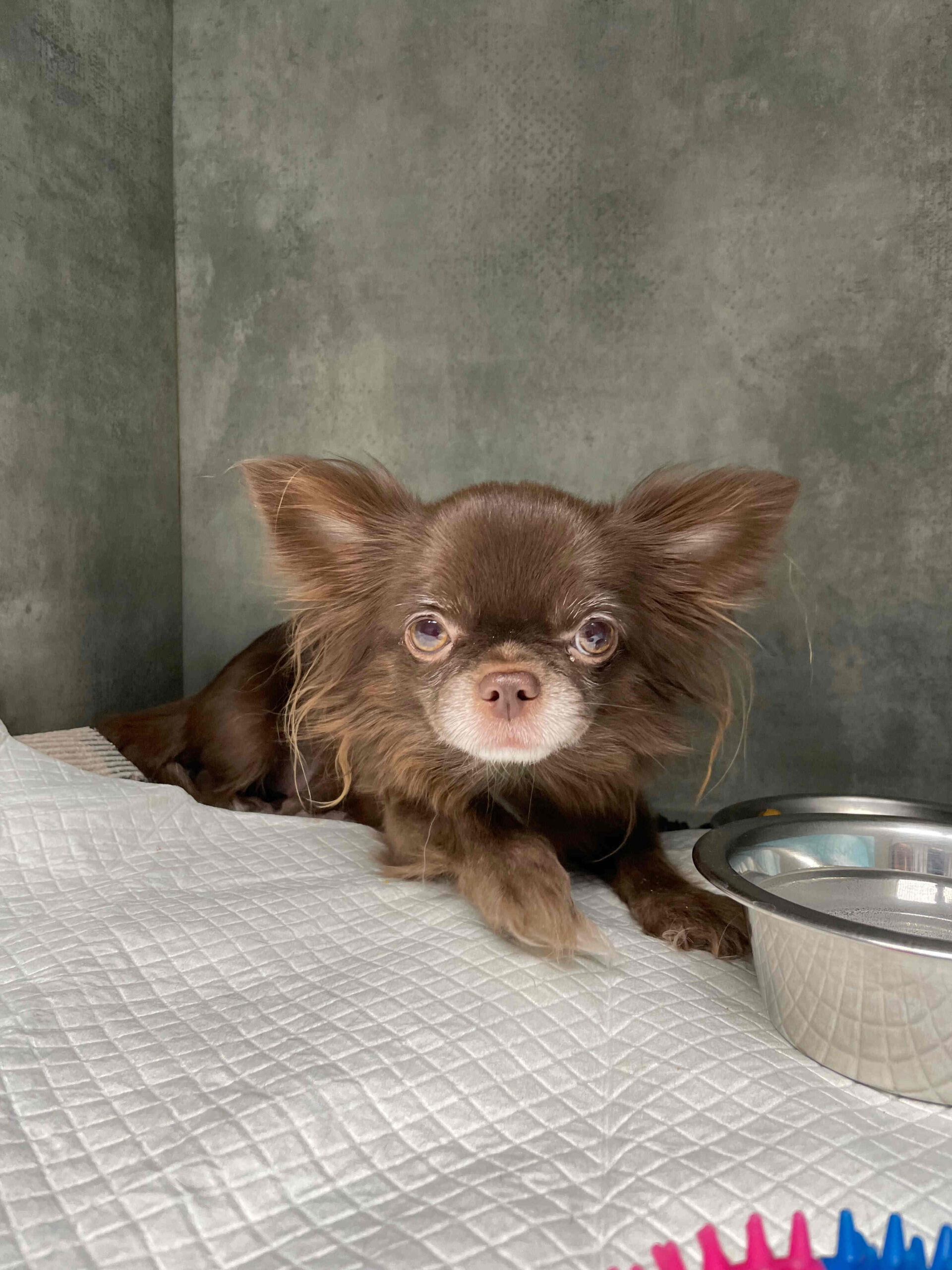
This is a defect in which the diameter of the trachea, or windpipe, becomes smaller (in veterinary medicine we talk about the lumen of the trachea). Normally the organ is round in cross-section, which allows air to flow freely. When this is disrupted, for example by degeneration of the tracheal cartilage, it flattens. As a result, air flows less effectively into the lungs. The disease is progressive, which means that if nothing is done for a dog affected by this problem, its condition will get worse.
What causes tracheal collapse?
The condition can arise for several reasons. The most common is a congenital defect in predisposed dogs. Collapse can develop as a result of degeneration of the tracheal cartilage, and even following infections of the lungs and bronchi.
Which breeds are predisposed to tracheal collapse?
The condition is said to affect mainly small-breed dogs, but larger dogs can suffer from it too. Predisposed breeds include:
How is a tracheal problem diagnosed?
The problem can be diagnosed by taking X-rays. The animal has to be positioned correctly so that the degree of collapse can be seen clearly. A more informative method is endoscopy, in which a probe is passed into the trachea to assess the organ from the inside.
What are the symptoms of tracheal collapse?
Like the disease itself, the symptoms become more severe over time. Typical signs include:
How is tracheal collapse treated?
Depending on the severity of the problem, inhaled medication can be given. Stents can also be placed to stop the disease from progressing further. These implants act as a kind of scaffold for the trachea.
The decision on how to treat should always be made with the animal’s welfare in mind.
What should be avoided with a dog that has tracheal collapse?
Because airflow to the lungs is restricted, the dog should not get too excited, as this is likely to bring on coughing and difficulty catching its breath. Physical exertion should be avoided, and on hot days in particular the dog should stay somewhere shady. Switching from a collar to a harness is very important so as not to put pressure on the trachea. The dog should not be kept in stuffy rooms or around anyone who smokes. In addition, if the dog is overweight, work on helping it lose weight.