
-

Parasitic diseases in rabbits: the commonest threats and how to prevent them
Coccidiosis, encephalitozoonosis, ear mange and cheyletiellosis are the parasitic diseases pet rabbits meet most often, and they can go unnoticed for a long time. We explain how they are diagnosed in the laboratory, how they are treated, and which hygiene, quarantine and feeding rules keep infection at bay.
-

How to protect your dog’s paws in winter
Frost, ice and road salt leave a dog's pads irritated, cracked and sometimes frostbitten every winter. We explain how to pick a route and a protective wax before the walk, how to rinse and dry the paws properly once you are home, and which signs mean it is time to call the veterinary clinic.
-

Horner’s syndrome in dogs and cats: signs, causes, diagnosis and treatment
A drooping eyelid, a smaller pupil and a visible third eyelid on one side add up to Horner's syndrome. It is not painful in itself and does not harm sight, but it often signals another, more serious condition underneath. We explain the causes, the diagnostic steps, the pharmacological tests and the treatment options.
What to Do If Your Dog Eats Human Medication
Can dogs take human medication?
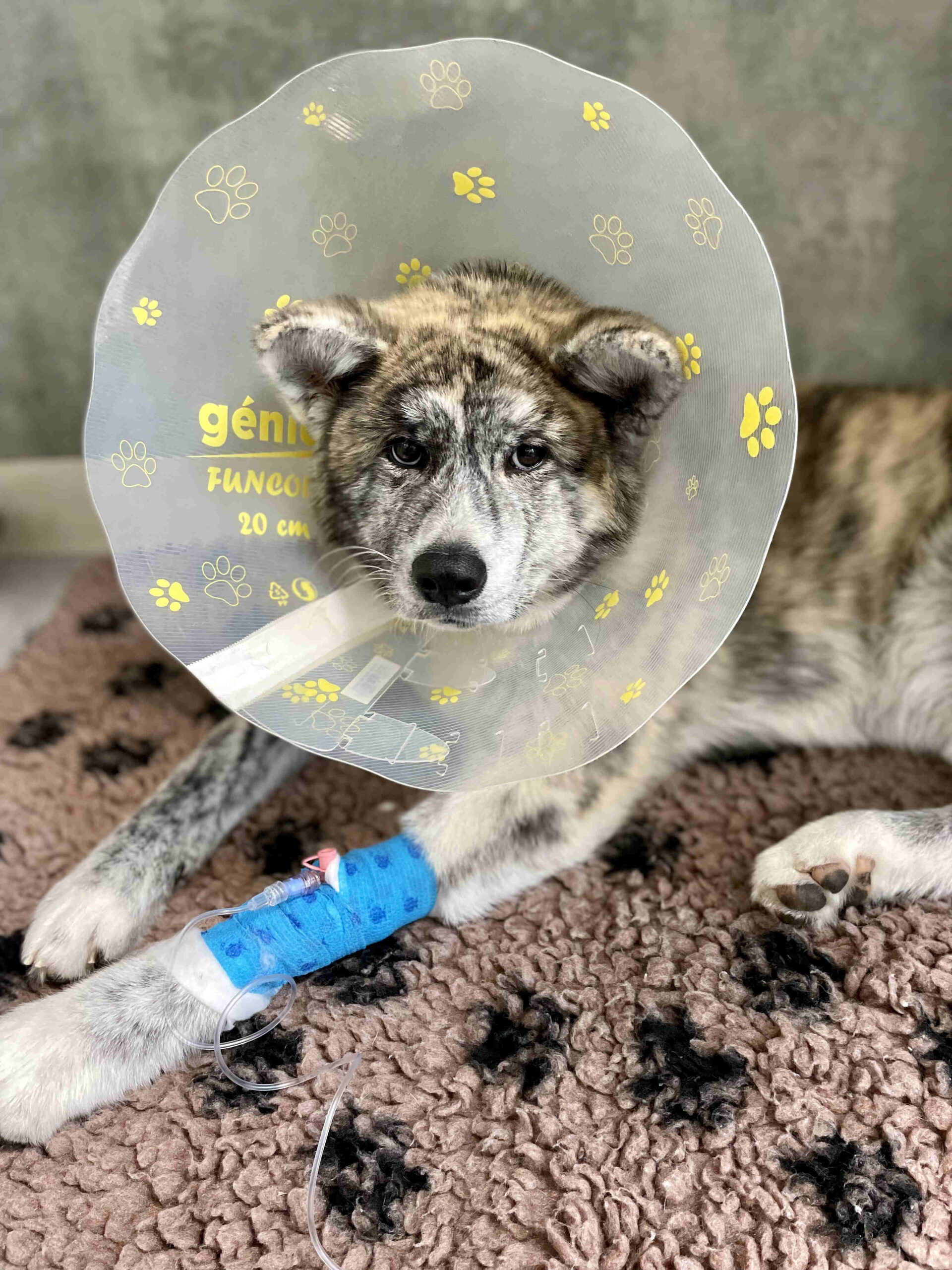
There is no single answer to this question. What matters most is exactly what the dog has eaten. Some human medicines are prescribed to animals as part of their treatment when there is no veterinary equivalent or there is a medical indication for them.
However, if a dog eats medication because of an owner’s lapse of attention, it should be taken to a veterinary clinic as quickly as possible.
Are human medicines poisonous to dogs?
Some substances found in human medicines are toxic to animals! Remember that no medication should ever be given to an animal on your own initiative, and human medication least of all. Particular care is needed with:
Attention should also be paid to excipients such as xylitol, because these too can harm an animal.
What should you do if your dog has eaten human medication?
Get to the nearest veterinary practice as quickly as possible!! Time is critical here, because vomiting can be induced for up to about 4 hours after ingestion. The faster the owner reacts, the safer it is for the animal, as the drug’s active ingredient is being absorbed all the while. If you know which medication was eaten, it is best to bring the leaflet or packaging with you.
What happens when a dog eats human medication?
The key question is exactly which drug the animal has eaten and how much. The dog may need to be hospitalised, and for how long will depend on how the patient is feeling and on its test results.
The consequence of a dog taking the wrong medication can even be death! Other complications include damage to the internal organs or the nervous system.
Summary:
If your dog has accidentally eaten medication that is not meant for it, see a veterinarian as soon as possible. How the animal is managed in such a situation is always decided by the attending vet and depends on many factors. What matters is that owners are aware of the threat to their pet’s health or life posed by poisoning with toxic substances.