

-
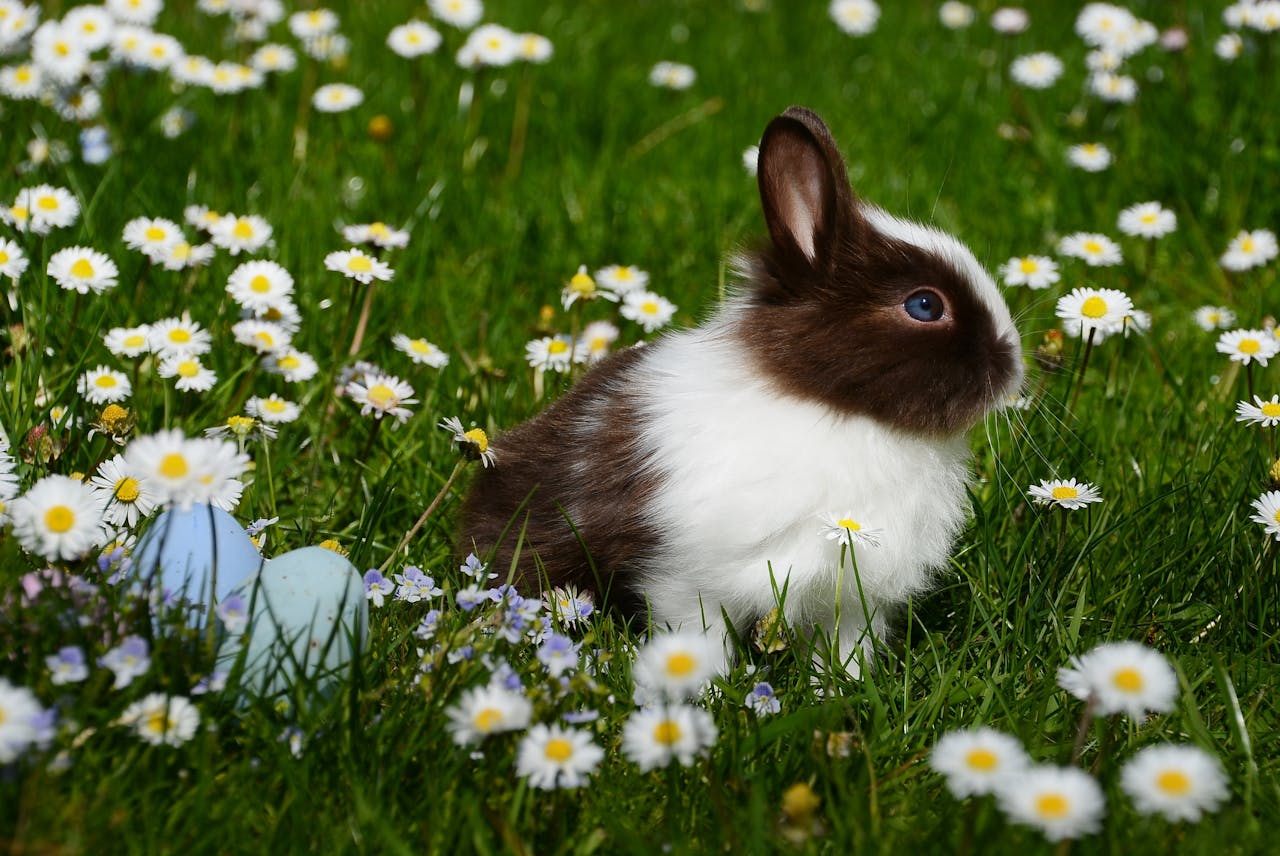
Parasitic diseases in rabbits: the commonest threats and how to prevent them
Coccidiosis, encephalitozoonosis, ear mange and cheyletiellosis are the parasitic diseases pet rabbits meet most often, and they can go unnoticed for a long time. We explain how they are diagnosed in the laboratory, how they are treated, and which hygiene, quarantine and feeding rules keep infection at bay.
-

How to protect your dog’s paws in winter
Frost, ice and road salt leave a dog's pads irritated, cracked and sometimes frostbitten every winter. We explain how to pick a route and a protective wax before the walk, how to rinse and dry the paws properly once you are home, and which signs mean it is time to call the veterinary clinic.
-

Horner’s syndrome in dogs and cats: signs, causes, diagnosis and treatment
A drooping eyelid, a smaller pupil and a visible third eyelid on one side add up to Horner's syndrome. It is not painful in itself and does not harm sight, but it often signals another, more serious condition underneath. We explain the causes, the diagnostic steps, the pharmacological tests and the treatment options.
What to Do When Your Cat Cannot Pass Urine
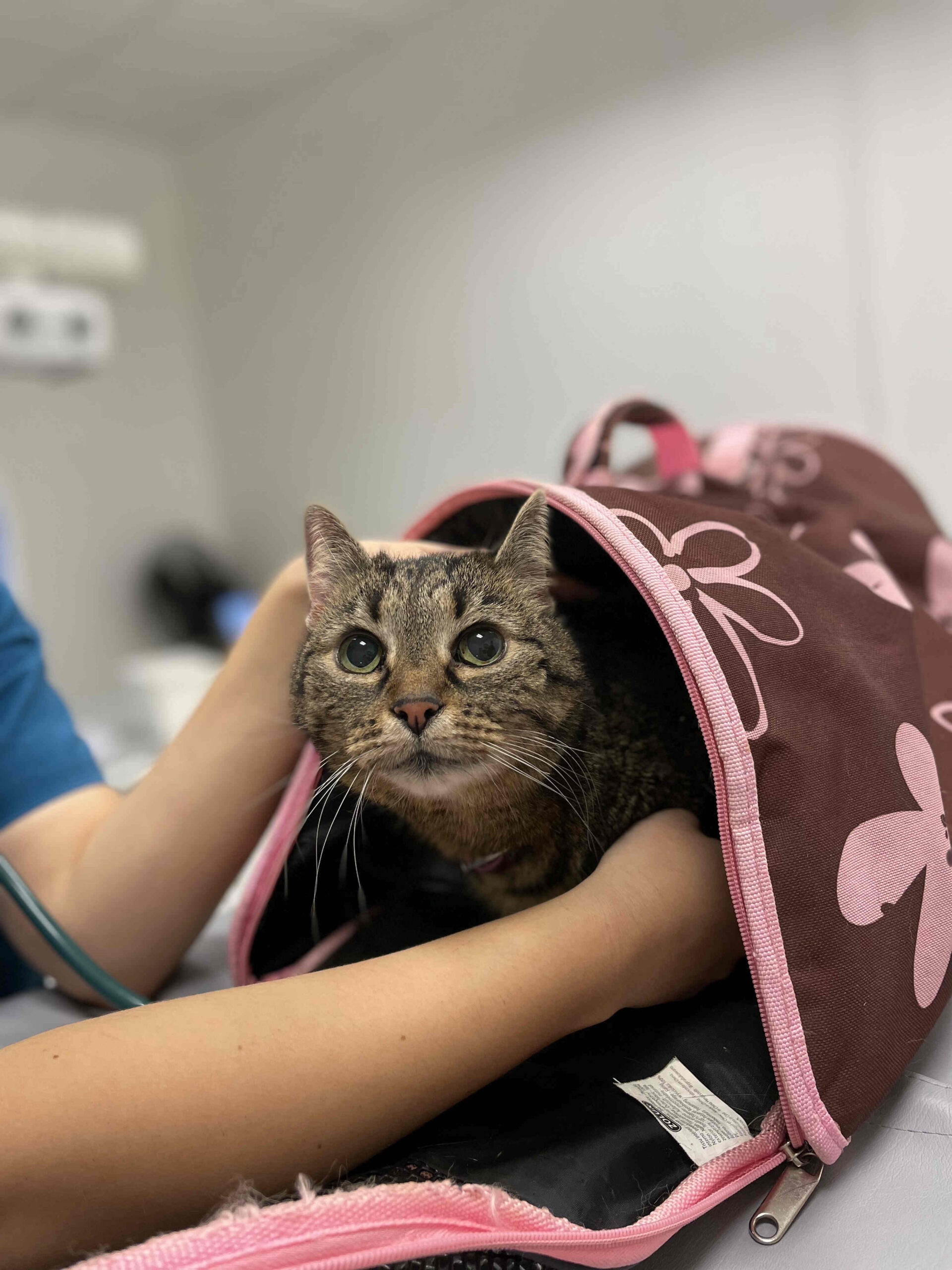
A situation in which a cat wants to urinate but, for whatever reason, is unable to do so is serious, and owners need to be aware that a cat in this state must be taken to a veterinary clinic as quickly as possible.
What causes urinary problems in cats?
There can be many causes, starting with stress factors, such as when the cat finds itself in new surroundings or a new family member or another animal joins the household. This can lead to fear and a reluctance to urinate.
Sand-like sediment or stones building up in the bladder cause pain, which can also make it difficult for the cat to urinate normally. Stones can even block the urethra, in which case the cat cannot pass urine at all. This happens when stones travel from the bladder to the opening of the urethra and completely prevent urination. It is a life-threatening condition, because the bladder wall can even rupture. Prolonged urinary retention also leads to uraemia and kidney failure.
Sediment, stones or crystals also frequently cause haematuria, that is, blood in the urine, because these deposits irritate the bladder wall.
Does stress play a part in bladder problems?
Most bladder problems in cats have a stress-related background. Changes in the home, rearranged furniture, the arrival of a baby or building work at the neighbours’ may seem like nothing much, but cats react to such events in very particular ways. The emotions they experience can trigger cystitis, which may make the cat unwilling to use the litter tray. It may find other places to go, or stop urinating altogether.
In this situation the most important thing is to find the source of the problem, because unless the trigger for the stress is removed or the cat is helped in some other way, the problem will keep coming back.
What does it mean when a cat cannot pass urine?
More specific questions arise straight away here, because in order to establish exactly what is wrong with the animal, the vet needs to take a history from the owner, and detailed questions help the specialist work out what is troubling the cat. Questions your vet may ask:
Can a behaviourist help with bladder disease?
Once the cause is known, for example stress, it is also a good idea to seek help from a behaviourist. They will certainly be able to advise on how to help your cat feel comfortable at home. If the litter tray problem concerns a young cat or one that has just moved to a new home, the specialist will give advice on the correct placement of litter trays and cat furniture, and will show you how to teach the animal to relieve itself in the place set aside for it.