

Blog
-

Eye Tumours in Dogs: Causes, Symptoms and Treatment
Eye tumours in dogs are relatively rare, but they need prompt attention. We explain the difference between primary and secondary tumours, which breeds are most at risk, what symptoms to look out for, how the condition is diagnosed and what treatment options modern veterinary medicine can offer.
Read more -

Taking Your Cat on the Train: Everything You Need to Know
Travelling by train with a cat can go smoothly if you plan ahead. We explain how to choose a safe carrier, why up-to-date vaccinations matter, how to handle the journey when your cat gets anxious, and how to help your pet settle in once you arrive.
Read more -

Fungal Infections in Dogs: Types, Symptoms and Treatment
Ringworm, nail fungus or infection of the internal organs: fungal infections in dogs take different forms and vary in severity. We look at which breeds are most at risk, what causes these infections, how to recognise the symptoms, what treatment involves and how to protect your dog from becoming infected.
Read more -

The Importance of Routine Blood Tests in Preventive Pet Care: How Regular Testing Can Prevent Disease
A routine blood test is one of the simplest ways to catch illness early in a dog or cat. We explain why a complete blood count and biochemistry panel matter, what they reveal, how to prepare your pet (9–12 hours of fasting), how often to test and what happens when blood is taken.
Read more -

How Owners Can Cope with Allergies Without Giving Up Their Pet
A dog allergy is not a life sentence, nor a reason to part with your pet. We explain what really triggers the allergy (not the hair but the Can f 1–6 proteins), how a vet can reduce allergen levels through neutering, skin treatment and omega-3, which breeds suit allergy sufferers, how to set up your home and whether immunotherapy helps.
Read more -

Our Pets’ Emotions: How Dogs and Cats Grieve the Loss of a Close Friend
Dogs and cats genuinely mourn a lost companion, whether human or animal. We look at how animal emotions work, the signs that a dog or cat is grieving, why cats tend to hide their feelings and what you can do to help your pet through this difficult time.
Read more -

How to Train a Cat: A Practical Guide for Owners
Cats can be trained too, even if they are more independent than dogs. We explain when it is best to start, how to set goals, which methods work (clicker training, play, working with natural instincts) and why patience, consistency and trust matter more than any command.
Read more -

Why Do Cats Scratch? A Guide to the Right Scratching Posts and Toys
Scratching is a natural need for cats: it keeps their claws sharp, marks territory and stretches their muscles. We explain why cats need claws, how to choose a sturdy, comfortable scratching post, which material works best, where to place it and which toys to add so your cat uses it happily and your furniture stays intact.
Read more -
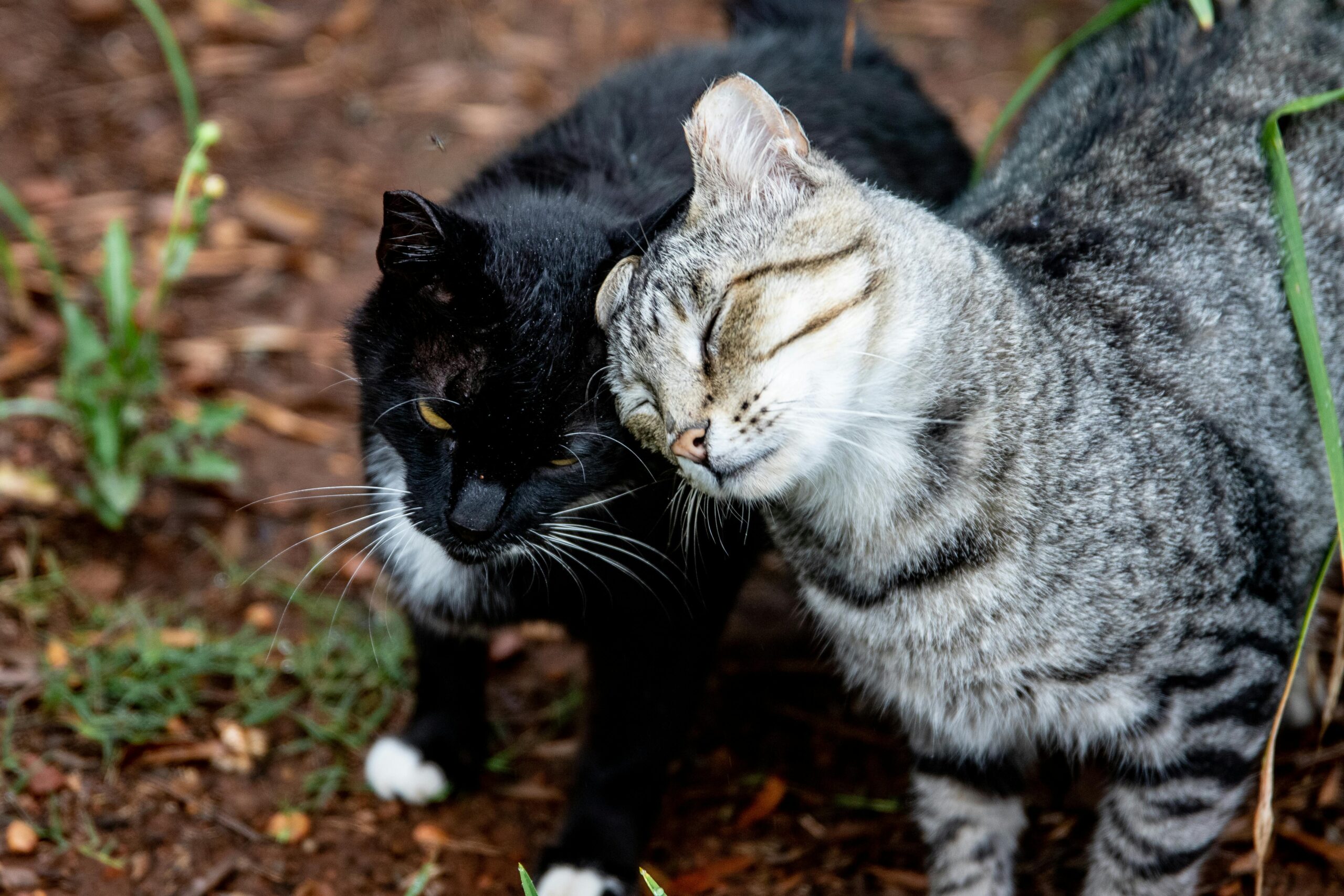
Chemical Castration in Pets: An Alternative to Traditional Surgical Neutering
Chemical castration suppresses a dog's or cat's reproductive function temporarily or for a longer period without surgery, using hormonal implants or injections. We explain how it works, its advantages and limitations, how long the effect lasts, the possible side effects and which animals it is not suitable for.
Read more -

Spotting plants in the home and garden that are toxic to cats. Why do cats want to eat plants?
Cats nibble greenery for all sorts of reasons: instinct, the urge to chew, or simple curiosity about smells and textures. The trouble is that plenty of house and garden plants are poisonous to them. We look at which species are dangerous, which are safe to keep, and how to recognise the signs of poisoning.
Read more -

Exotic animals as pets: what you should know. The legal and practical side of keeping less usual animals
Exotic animals are turning up in more and more homes, but keeping them comes with rules and limits. We look at which species are banned in Poland or need a permit, and why it matters where your animal comes from. We also cover the housing, diet and veterinary care that exotic pets require.
Read more -

Lung tumours in cats: what you need to know about diagnosis, signs and treatment
Lung tumours in cats are rare, but they stay silent for a long time, so they are often found at an advanced stage. We look at the types that occur, the factors that raise the risk and the changes owners should watch for. We also explain how the diagnosis is made and what treatment options are available.
Read more