

-
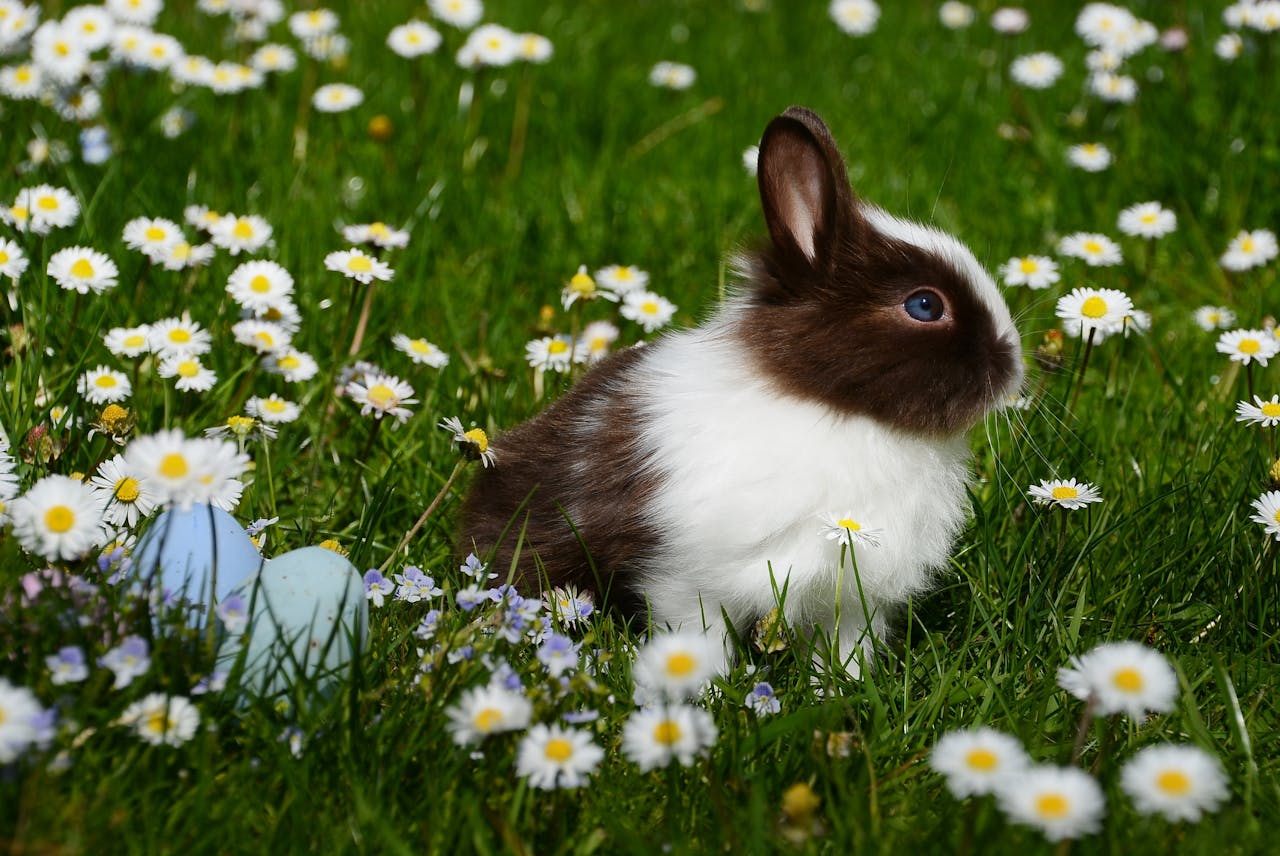
Parasitic diseases in rabbits: the commonest threats and how to prevent them
Coccidiosis, encephalitozoonosis, ear mange and cheyletiellosis are the parasitic diseases pet rabbits meet most often, and they can go unnoticed for a long time. We explain how they are diagnosed in the laboratory, how they are treated, and which hygiene, quarantine and feeding rules keep infection at bay.
-

How to protect your dog’s paws in winter
Frost, ice and road salt leave a dog's pads irritated, cracked and sometimes frostbitten every winter. We explain how to pick a route and a protective wax before the walk, how to rinse and dry the paws properly once you are home, and which signs mean it is time to call the veterinary clinic.
-
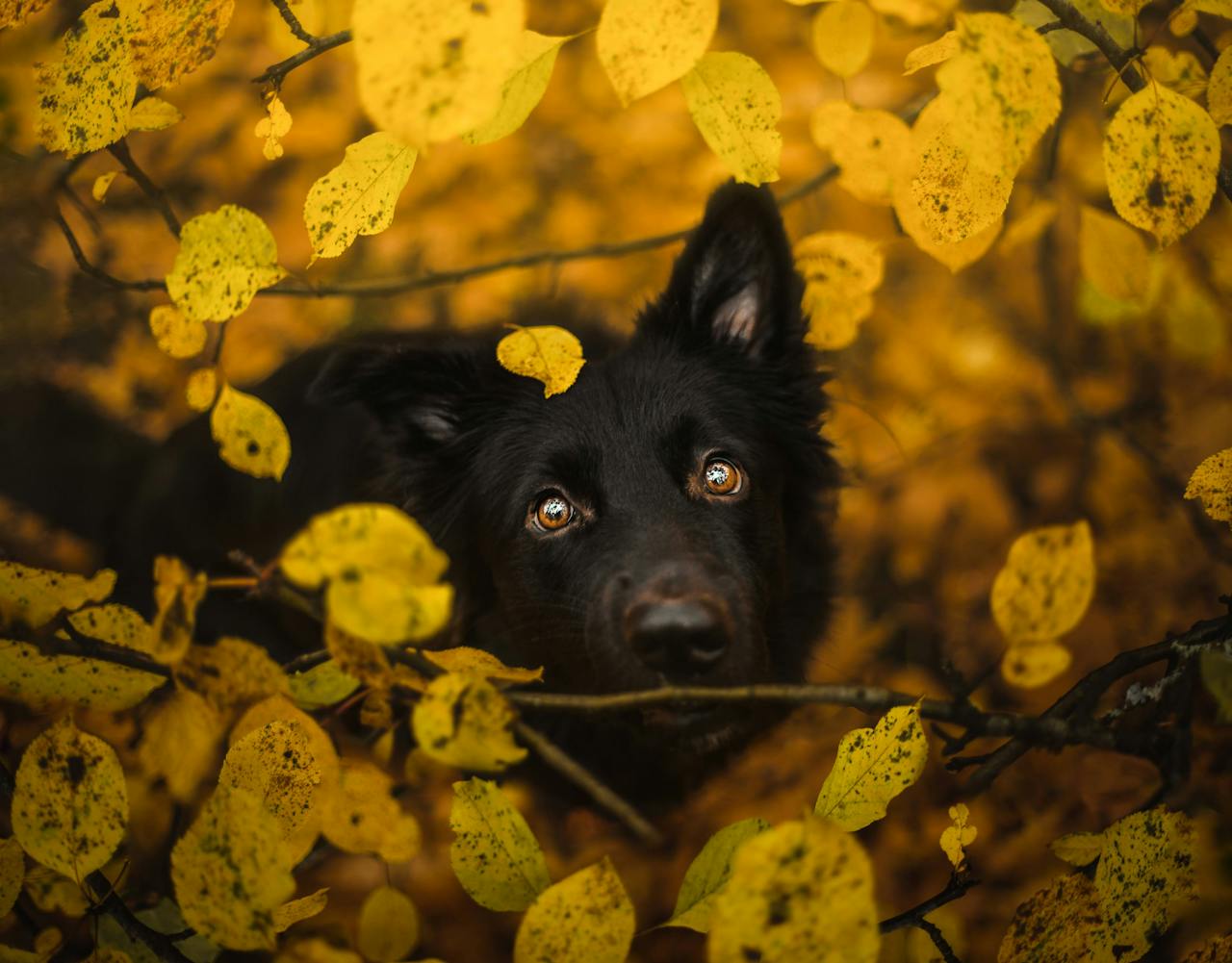
Horner’s syndrome in dogs and cats: signs, causes, diagnosis and treatment
A drooping eyelid, a smaller pupil and a visible third eyelid on one side add up to Horner's syndrome. It is not painful in itself and does not harm sight, but it often signals another, more serious condition underneath. We explain the causes, the diagnostic steps, the pharmacological tests and the treatment options.
Spotting plants in the home and garden that are toxic to cats. Why do cats want to eat plants?
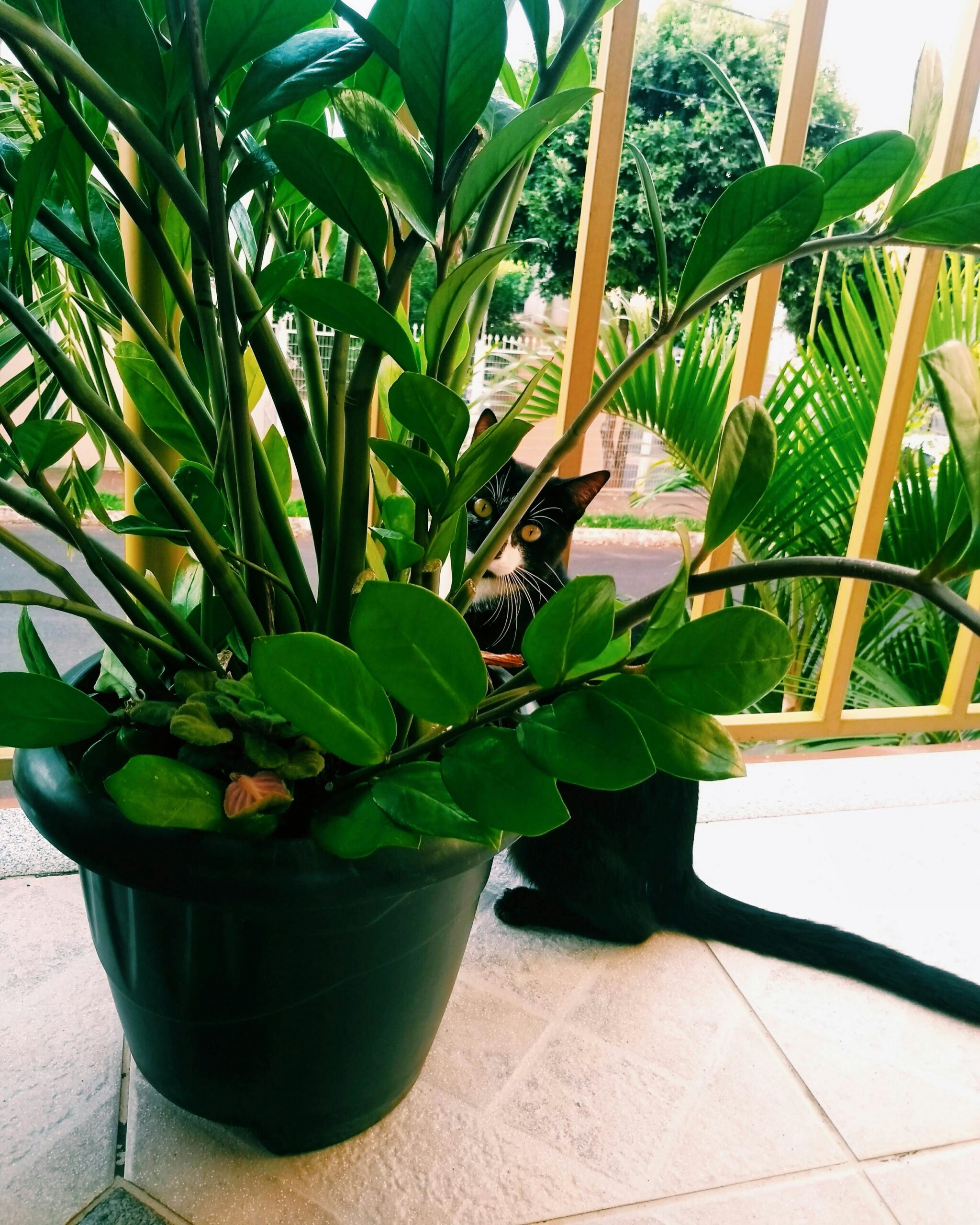
As predators, cats are naturally curious and inclined to investigate their surroundings, plants included. There are several reasons why a cat might want to eat greenery:
In their natural surroundings, cats not only hunt rodents but also eat plants from time to time, such as grass, herbs and other wild greenery. Grass can aid digestion and help move undigested food residue through the gut. It is worth noting that some cats end up vomiting after eating grass, which is one way of relieving digestive discomfort. Plants may also act as a natural painkiller, which could be one more reason why cats turn to them.
Some plants have smells and textures that attract cats. Catnip, for instance, contains nepetalactone, a chemical that produces a euphoric, stimulating reaction in cats. Far from being put off, many cats respond enthusiastically, rolling around and playing when catnip is nearby. Other plants, such as cat grass, can also be used by owners as a way of giving their cats pleasure and letting them experiment with different textures.
Although cats are primarily meat eaters, some plants can supply nutrients they need. In the wild, cats eat a range of plants to obtain extra vitamins and minerals. Grasses, for example, provide fibre, which helps the digestive system work properly.
Cats have a natural need to chew and gnaw, and nibbling plants can satisfy it. This kind of behaviour can also be a sign of stress or boredom, which matters particularly for cats living in enclosed spaces.
Plants that are toxic to cats
Many of the plants we keep in our homes can harm cats. Members of the arum family are particularly dangerous: aglaonema, anthurium, zamioculcas, caladium, monstera and philodendron. Their caustic sap can cause swelling of the larynx and irritation of the lining of the mouth. Peace lily, for instance, looks beautiful but contains substances that can poison a pet that eats it, causing severe pain and burning in the mouth. Dieffenbachia likewise contains toxic acids that can burn the mucous membranes. Other plants such as croton, arum, spurge and poinsettia can provoke serious reactions, including skin inflammation and digestive problems. Grapes, azaleas and lilies are not safe for cats either, as they can lead to swelling of the mouth, loss of coordination and even heart problems.
Plants that are safe for cats
Both indoors and in the garden there are plants that are safe for cats. When choosing them, it is worth going for species that pose no risk to your pet’s health.
Signs of plant poisoning in cats
The signs of plant poisoning in cats vary and often depend on which plant was eaten and how much of it. Typical symptoms include vomiting and diarrhoea, which may indicate irritation of the digestive tract. A cat may also drool excessively, have a painful, swollen mouth and struggle to swallow. In more serious cases of poisoning, animals may become listless and weak or behave out of character. Other warning signs are seizures, breathing difficulties and, in extreme cases, loss of consciousness. If you notice any of these signs and suspect your cat has eaten a toxic plant, it is important to contact a veterinarian straight away for help and a diagnosis.
Summary
Toxic plants in the home and garden are a serious threat to cats’ health. Being able to recognise dangerous species and taking steps to create a safe environment is essential. With a little knowledge and care we can protect our furry friends’ health, so that they can live somewhere safe and welcoming.