

-
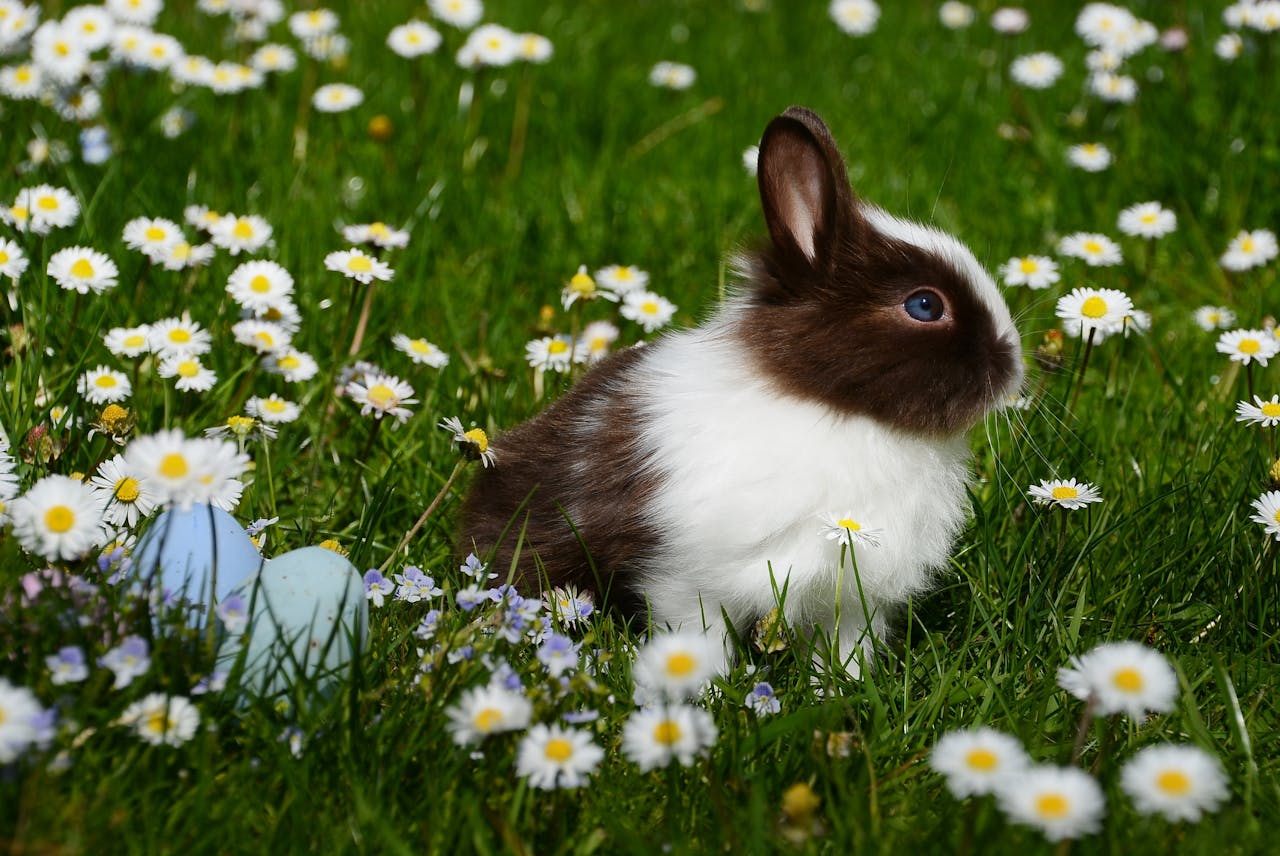
Parasitic diseases in rabbits: the commonest threats and how to prevent them
Coccidiosis, encephalitozoonosis, ear mange and cheyletiellosis are the parasitic diseases pet rabbits meet most often, and they can go unnoticed for a long time. We explain how they are diagnosed in the laboratory, how they are treated, and which hygiene, quarantine and feeding rules keep infection at bay.
-

How to protect your dog’s paws in winter
Frost, ice and road salt leave a dog's pads irritated, cracked and sometimes frostbitten every winter. We explain how to pick a route and a protective wax before the walk, how to rinse and dry the paws properly once you are home, and which signs mean it is time to call the veterinary clinic.
-
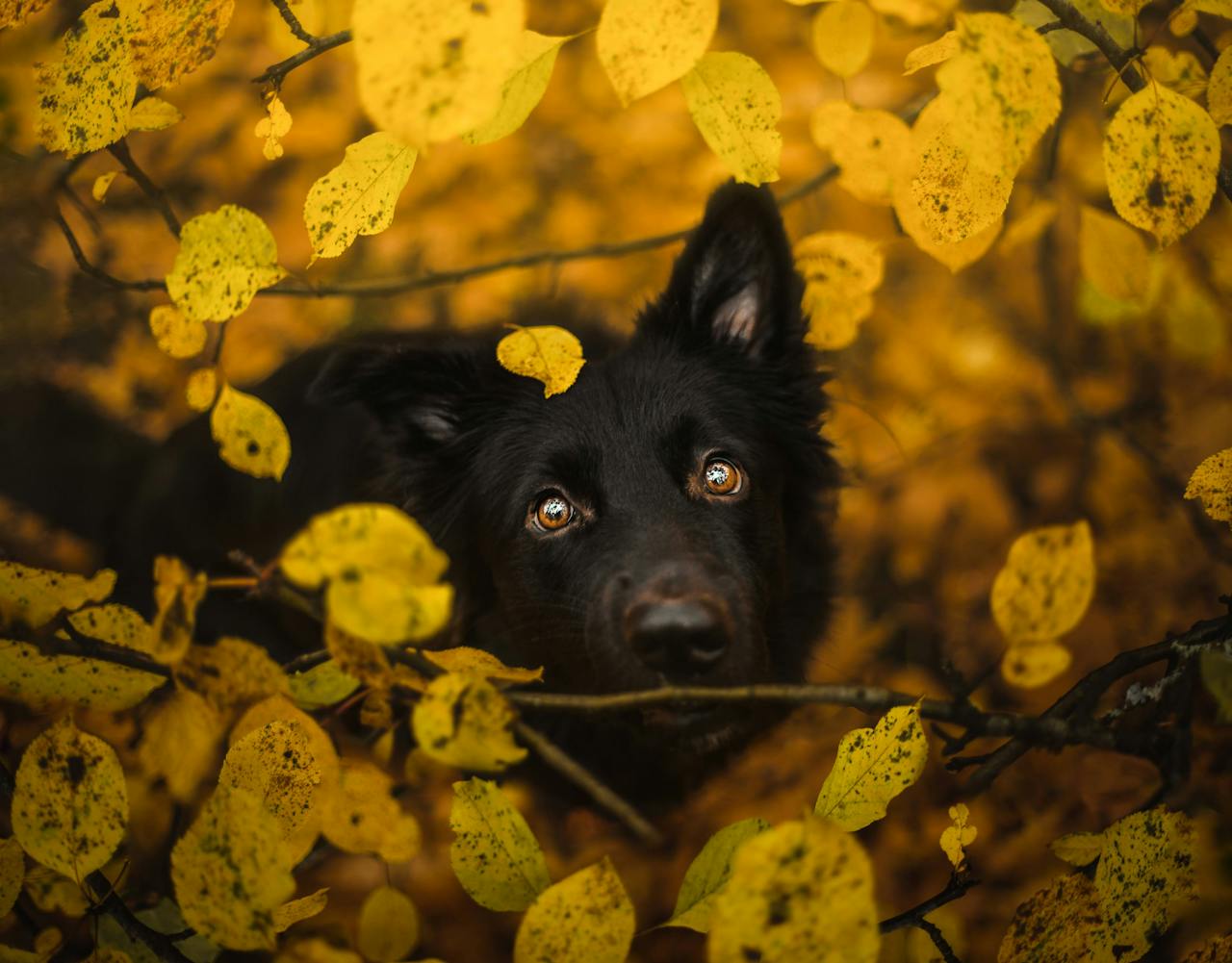
Horner’s syndrome in dogs and cats: signs, causes, diagnosis and treatment
A drooping eyelid, a smaller pupil and a visible third eyelid on one side add up to Horner's syndrome. It is not painful in itself and does not harm sight, but it often signals another, more serious condition underneath. We explain the causes, the diagnostic steps, the pharmacological tests and the treatment options.
Why Do Cats Scratch? A Guide to the Right Scratching Posts and Toys
Why do cats need claws?
Claws play a key role in a cat’s everyday life. First and foremost, they are a hunting tool, allowing cats to grab and hold their prey. Claws let cats climb trees, which is essential for escaping predators and finding shelter and safe spots. Beyond their defensive function, claws also matter for everyday mobility, helping cats keep their balance and footing when walking or running.
Why do cats scratch?
Scratching is a natural feline instinct that serves several important purposes. Firstly, it keeps the claws sharp by removing the dead outer layer and exposing the smoother, sharper layers underneath. Secondly, scratching is a way of marking territory: as they scratch, cats release pheromones from glands in their paw pads, which lets them communicate with other cats. Scratching also helps cats stretch their muscles and stay in shape, which is important for their health and wellbeing.
Why do cats need a scratching post?
A scratching post is essential to a cat’s health and wellbeing. It provides a proper place to scratch, satisfying the natural urge to sharpen claws and mark territory. With a scratching post, cats can keep their claws in good condition, which in turn reduces the risk of damage to furniture and other items around the home. A scratching post also gives cats a sense of security and comfort by offering them a territory of their own where they can relax. Providing a variety of scratching posts and games keeps cats physically and mentally active, which is key to their overall health and happiness.
Choosing the right scratching post
To satisfy your cat’s natural instincts while protecting your furniture, it is worth investing in a good-quality scratching post. There are many kinds, from basic and wall-mounted posts to elaborate tree-like structures. It is important that the post is stable: cats need a solid surface to really dig their claws into. Ideally, it should be tall enough for the cat to stretch out fully. The material it is made of is also worth considering.
Materials and types of scratching post: which one to choose for your cat?
The most commonly used materials are cardboard, sisal and wood. Sisal-covered posts are especially popular because they are durable and hard-wearing. The sisal rope wrapped around the posts gives cats an excellent surface for sharpening their claws and seems to feel like a natural material to them. Another option is cardboard scratchers, which are lightweight, easy to move around and often cheaper, but tend to wear out faster. Even scratching sofas, which combine a place to relax with a place to scratch, can be an excellent and comfortable choice, especially for cats that prefer multi-purpose accessories. The best scratching post is one that is stable, made of high-quality materials and suited to your cat’s individual preferences: its size, its lifestyle and the spot where the post will be used.
Toys added to the scratching post: what do cats find most appealing?
For many cats, a scratching post is not just a place to scratch but also a space to play. Well-chosen toys attached to the post can make it far more appealing and meet the cat’s need for exercise and mental stimulation.
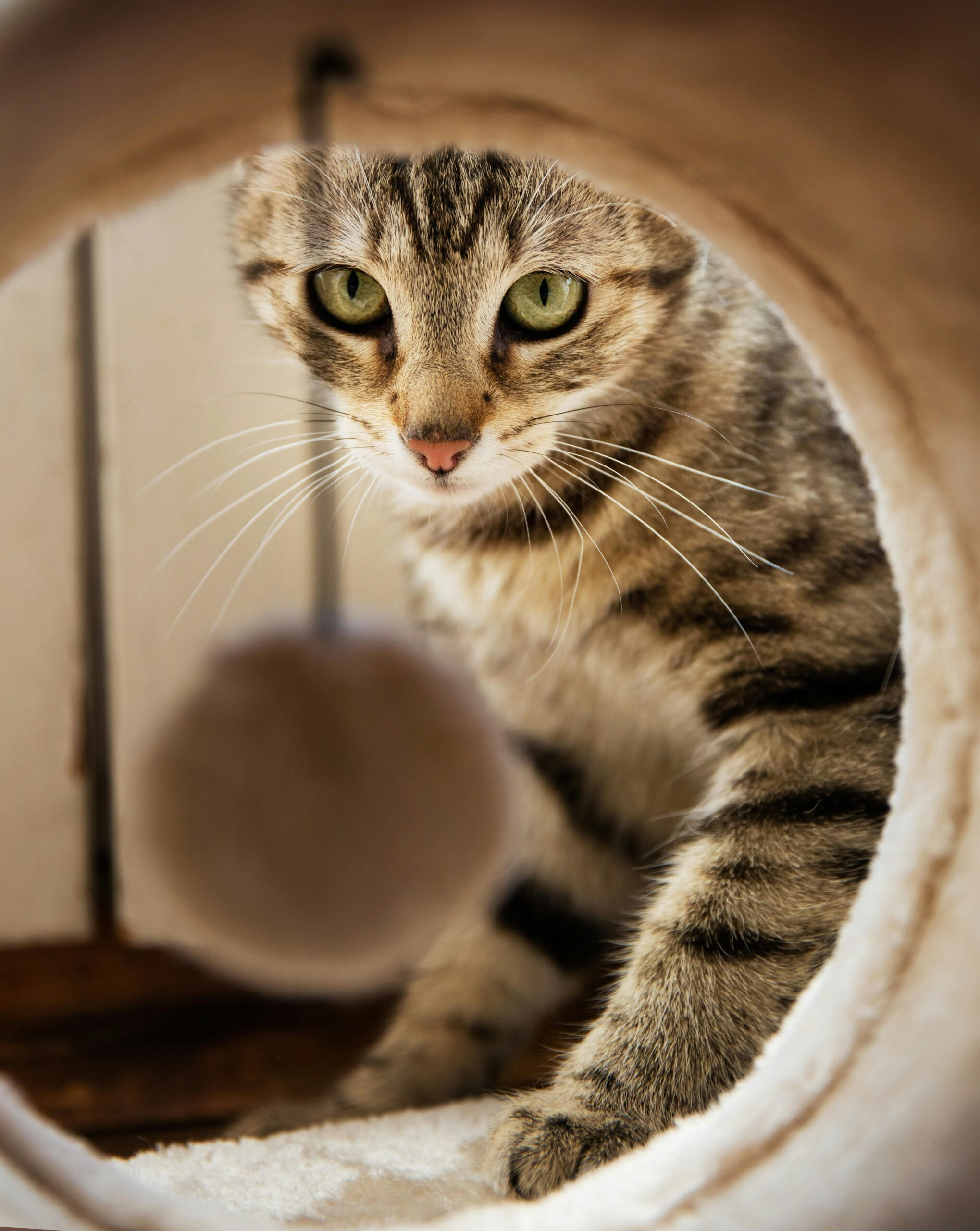
One of the most popular additions is a feather wand, which encourages cats to jump and grab, mimicking natural hunting behaviour. This type of toy not only provides exercise but also strengthens the bond between cat and owner during play. Another interesting option is interactive toys, such as small balls with bells or mice with moving parts, which catch the cat’s attention and awaken its hunting instincts.
Toys on springs or dangling toys are also great additions that make the scratching post even more attractive. They let cats act out their instincts by jumping, catching and tugging, giving them both excitement and fun. By investing in a variety of toys, you can create an interactive play area that satisfies your cat’s natural needs and supports its mental wellbeing.
Creating a cat-friendly environment
Finally, to help cats meet their need to scratch, it is worth creating a friendly environment for them. Try to arrange the space so that it is as appealing to your cat as possible. Placing scratching posts and toys in spots your cat visits often, such as by a window or its favourite bed, can encourage it to use them actively.
Summary
By understanding why cats scratch and providing the right accessories, we can help our cats keep up healthy habits, which benefits their wellbeing and protects our belongings. Choosing the right scratching posts and toys creates a harmonious space where cats can be themselves and we, as owners, avoid unnecessary damage.