

-
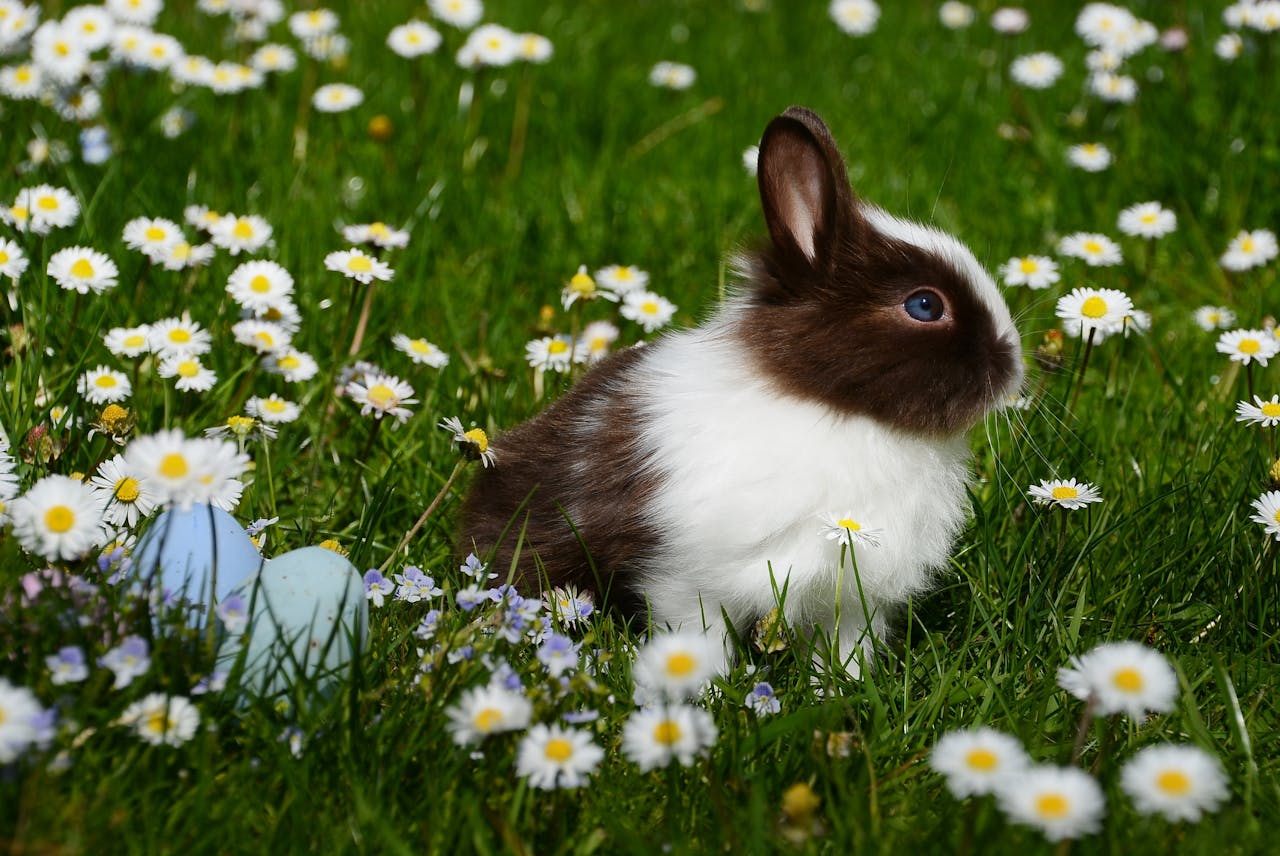
Parasitic diseases in rabbits: the commonest threats and how to prevent them
Coccidiosis, encephalitozoonosis, ear mange and cheyletiellosis are the parasitic diseases pet rabbits meet most often, and they can go unnoticed for a long time. We explain how they are diagnosed in the laboratory, how they are treated, and which hygiene, quarantine and feeding rules keep infection at bay.
-

How to protect your dog’s paws in winter
Frost, ice and road salt leave a dog's pads irritated, cracked and sometimes frostbitten every winter. We explain how to pick a route and a protective wax before the walk, how to rinse and dry the paws properly once you are home, and which signs mean it is time to call the veterinary clinic.
-
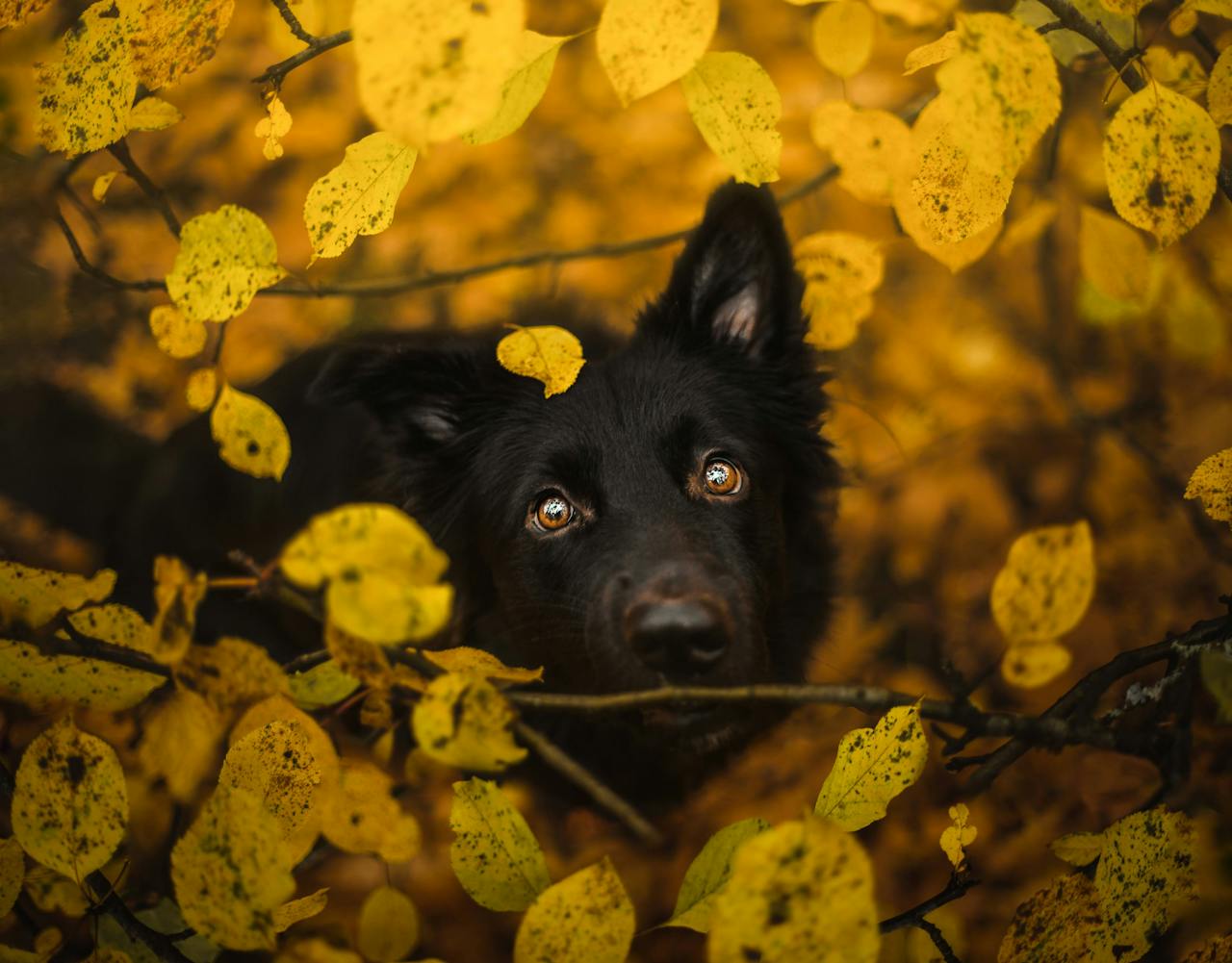
Horner’s syndrome in dogs and cats: signs, causes, diagnosis and treatment
A drooping eyelid, a smaller pupil and a visible third eyelid on one side add up to Horner's syndrome. It is not painful in itself and does not harm sight, but it often signals another, more serious condition underneath. We explain the causes, the diagnostic steps, the pharmacological tests and the treatment options.
Our Pets’ Emotions: How Dogs and Cats Grieve the Loss of a Close Friend

Animals, especially dogs and cats, feel the loss of those close to them, whether other animals or people. Their emotions are far more complex than was once believed. Research has shown that dogs are able to form strong bonds with their owners and with other animals, and their response to loss can include sadness, confusion and anxiety. Cats can also experience emotional pain after losing a companion: they may become more withdrawn, avoid interaction and change their eating habits. Both dogs and cats are sensitive to changes in their surroundings and in the atmosphere at home, which means their responses to loss can closely resemble human emotional reactions. Understanding these feelings is essential if we are to support them through difficult times.
How do animals feel emotions?
Animal emotions are regulated by the limbic system, just as in humans, which explains why they can feel and express sadness, fear and joy. Dogs are able to interpret human emotions by reading gestures and facial expressions, and this also shapes how they react to loss. Cats, for their part, tend to be more subtle in expressing their emotions, but their sensitivity should not be underestimated either.
Animals, particularly dogs and cats, experience emotions in a complex, multi-layered way that makes their feelings similar to ours. Take joy, which dogs show by wagging their tails and bounding about, and cats by purring and playing. Sadness in animals appears as apathy, lack of energy and withdrawal, especially after the loss of a close companion. Fear is also common, showing in dogs as hiding or barking and in cats as retreating to safe places. Jealousy, seen when one animal feels overlooked in favour of another, is another emotion they experience. Yet it is love and attachment that carry special significance: animals form deep bonds with people, expressed in a desire to spend time together and in mutual care. Research shows that these interactions stimulate the release of oxytocin, the “love hormone”, confirming just how intense and mutual this relationship is.
How to tell that an animal is grieving deeply after losing a loved one or an animal friend
Recognising deep grief in an animal after the loss of a close companion can be difficult, but there are several tell-tale signs that may point to emotional pain. Dogs may become listless, avoid play and lose interest in everyday activities, and they may eat less or stop eating altogether. They also often search for the companion who has died, wandering around the house and showing heightened interest in the places where the two of them used to spend time together. Cats tend to express their emotions more subtly: they may become more solitary, spend more time hiding or seem indifferent to interaction with their owners. In addition, both dogs and cats may display unusual behaviours such as excessive grooming, chewing their paws or destroying objects, which can be a way of coping with intense stress. When you notice these changes in behaviour, it is important to show understanding and support, which will help the animal through the difficult period of mourning.
Unlike dogs, cats are able to mask their emotions; this is an evolutionary defence strategy that allows them to hide any weakness. So even if a particular cat shows no obvious signs of sadness, it may be struggling inwardly with grief after losing a beloved companion or owner. When one cat dies in a multi-cat household, the remaining animals must not only cope with the emotional pain but also reorganise their social relationships. This double process of mourning and establishing a new hierarchy can make it considerably harder for cats to adjust to their changed reality.
How to help a grieving pet
Helping a grieving animal is a key part of supporting its emotional wellbeing, especially since emotional reactions to loss are natural and understandable. Animals do not grasp the concept of death the way humans do, so they cannot properly make sense of what has happened. When offering support, be patient and understanding. A good step is to keep to a routine: regular walks, meals and play help the animal feel safer and more settled. It is important to spend time with your pet, giving it attention, affection and a sense of security, which can ease its stress and feelings of loneliness. Encouraging play with new stimuli or activities can also help take its mind off its sadness. As you watch for changes in your pet’s behaviour, stay alert to whether it needs extra help, such as a consultation with a veterinarian or an animal behaviourist if the signs of grief do not ease. Remember that understanding and empathy are essential throughout this process, helping the animal to face difficult emotions.
Summary
Grief in animals is a natural response to the loss of a close companion. As owners, we have both the opportunity and the responsibility to support our pets through this difficult time. Let us remember that every animal is different, so it is important to tailor what we do to its individual needs. If the situation does not improve or the animal shows severe emotional symptoms, it is worth consulting a veterinarian or an animal behaviourist.