

-

Parasitic diseases in rabbits: the commonest threats and how to prevent them
Coccidiosis, encephalitozoonosis, ear mange and cheyletiellosis are the parasitic diseases pet rabbits meet most often, and they can go unnoticed for a long time. We explain how they are diagnosed in the laboratory, how they are treated, and which hygiene, quarantine and feeding rules keep infection at bay.
-

How to protect your dog’s paws in winter
Frost, ice and road salt leave a dog's pads irritated, cracked and sometimes frostbitten every winter. We explain how to pick a route and a protective wax before the walk, how to rinse and dry the paws properly once you are home, and which signs mean it is time to call the veterinary clinic.
-

Horner’s syndrome in dogs and cats: signs, causes, diagnosis and treatment
A drooping eyelid, a smaller pupil and a visible third eyelid on one side add up to Horner's syndrome. It is not painful in itself and does not harm sight, but it often signals another, more serious condition underneath. We explain the causes, the diagnostic steps, the pharmacological tests and the treatment options.
Chemical Castration in Pets: An Alternative to Traditional Surgical Neutering
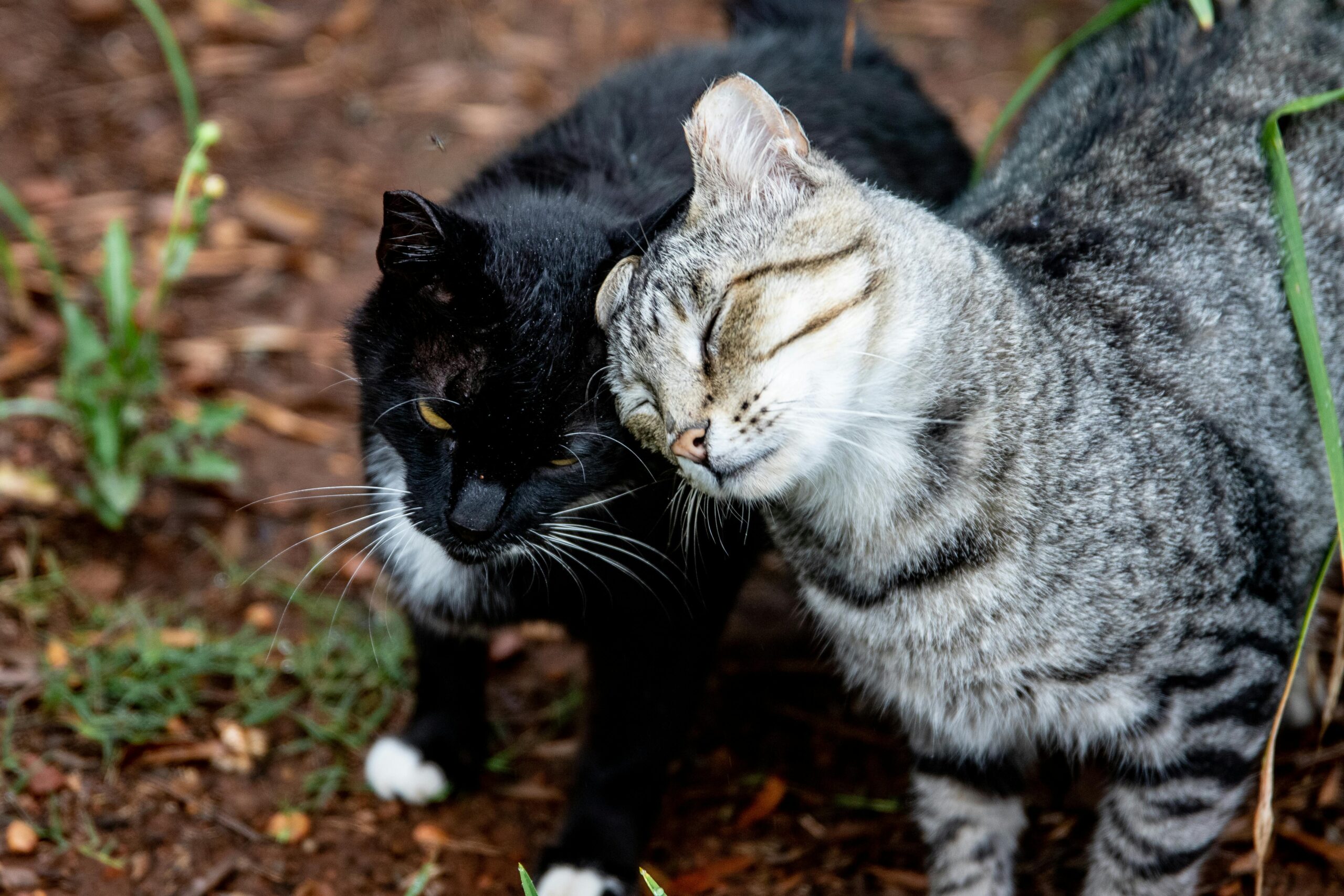
Chemical castration is a modern method that is increasingly chosen as an alternative to traditional surgical neutering in pets such as dogs and cats. Unlike the classic procedure, which involves removing the gonads (the ovaries in females and the testes in males), chemical castration uses medicines that temporarily or long-term alter the animal’s hormonal function.
How does chemical castration work?
Chemical castration usually relies on administering hormones or substances that affect the production of testosterone in males and oestrogens in females. In males, the medication can block testosterone secretion, which reduces sexual drive and prevents breeding. In females, it can influence the oestrous cycle and stop heat altogether. Examples of the products used include hormonal implants placed under the skin and long-acting injections.
Advantages of chemical castration
One of the main advantages of chemical castration is that it involves no surgery. This lowers the risk of complications such as infection or an adverse reaction to anaesthesia. The method is also reversible, which matters a great deal to owners who may decide to breed from their animal in the future. Chemical castration is also useful for animals that, for various reasons, cannot undergo an operation.
Drawbacks and limitations
Despite its advantages, chemical castration has its downsides too. The effect of the medication may be temporary, meaning that once it wears off the animal can return to its previous state, including full reproductive function. Long-term use of some products can also lead to side effects such as obesity, behavioural changes or hormonal problems. That is why, before choosing this method, it is worth consulting a veterinarian, who will help you find the best solution for your particular situation.
How long does chemical castration last?
How long the protection lasts after chemical castration depends on the method and the product used. With hormonal implants, protection against breeding usually lasts from several months to as long as a year, depending on the specific product and how the animal’s body responds. Hormonal injections vary in duration, most often working for anywhere between a few weeks and a few months.
It is important to consult a veterinarian before opting for chemical castration so that you can discuss in detail the expected length of protection and the possible side effects of the chosen method. Regular veterinary check-ups will help monitor your pet’s health and how well the treatment is working.
Side effects of chemical castration
One of the most common side effects of chemical castration is a change in the animal’s behaviour. After the hormones are administered, there may be differences in aggression, anxiety or activity levels. Some animals become more apathetic, while others, on the contrary, become overly excitable. Watching your pet’s behaviour closely after the procedure is essential so that such changes are picked up early.
Long-term hormone use can upset the hormonal balance, which may result in a range of health problems. In males this can lead to gynaecomastia (enlargement of the mammary glands), and in females to abnormal oestrous cycles or uterine problems.
Another significant side effect is a tendency to put on weight. The medicines used in chemical castration can affect the animal’s metabolism, and combined with a possible drop in physical activity this can lead to excess weight. Owners should keep an eye on their pet’s diet and make sure it gets regular exercise to keep the risk of obesity to a minimum.
Some animals may develop skin problems such as excessive dryness, flaking or increased hair loss. This can be a result of the hormonal changes brought on by chemical castration. If you notice such symptoms, it is worth seeking veterinary advice.
Which animals are suitable for chemical castration, and contraindications
Chemical castration can be used in a variety of pets, but it is most commonly applied to dogs and cats. In dogs, both sexes can be treated this way, and the method is particularly popular in rescue centres that want to prevent uncontrolled breeding. In cats, too, both males and females can benefit from it. However, not every animal is a suitable candidate. Contraindications include serious health conditions, such as liver or nervous system disease, that may interfere with how the body metabolises the medication. Young animals that have not yet reached sexual maturity may also be unsuitable for the procedure. For this reason, always consult a veterinarian before deciding on chemical castration: they will assess your animal’s health and decide on the best method of sterilisation.
Summary
Chemical castration is an interesting alternative to traditional surgical neutering, offering benefits such as avoiding an operation and the possibility of reversing its effects. Nevertheless, it calls for careful consideration and a consultation with a specialist. With further research and development in this field, chemical castration may become an ever more popular option in pet care.