
-
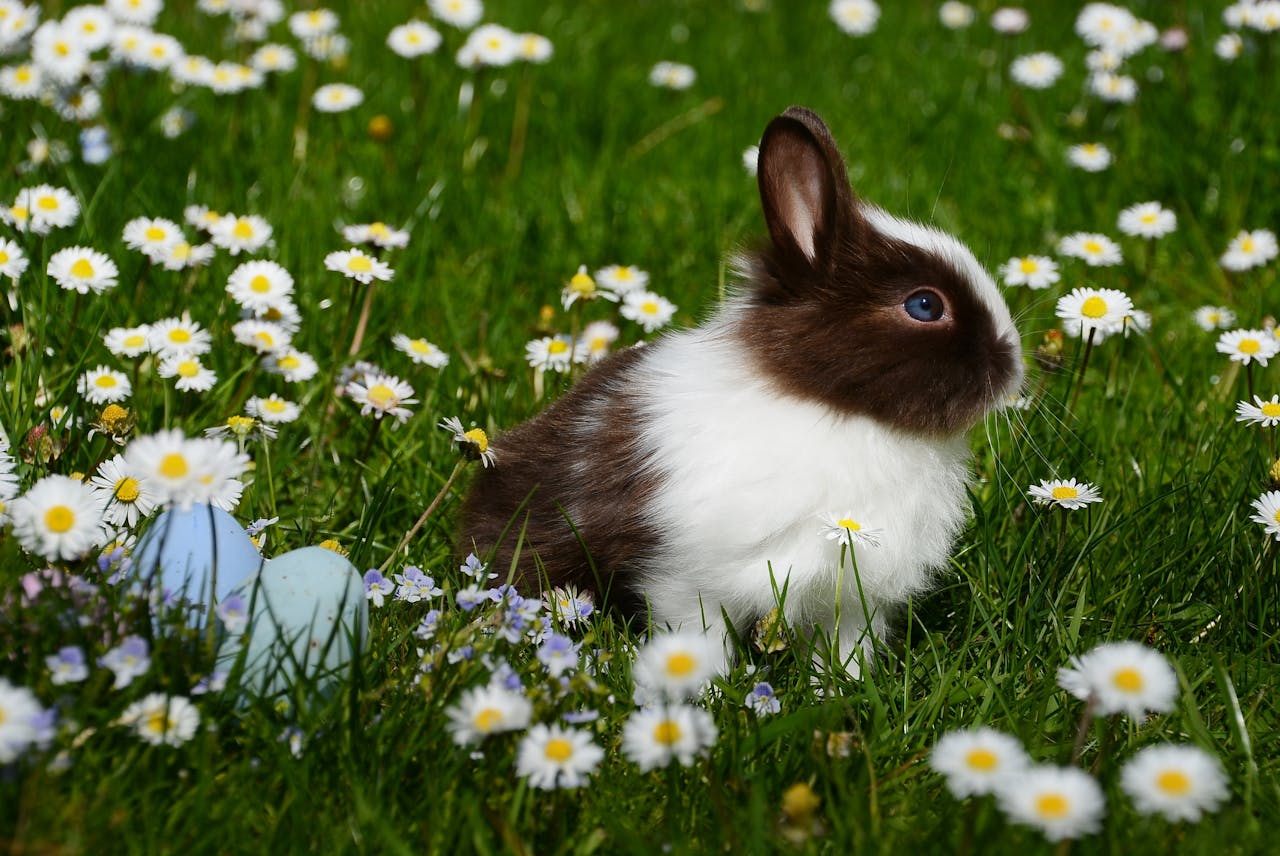
Parasitic diseases in rabbits: the commonest threats and how to prevent them
Coccidiosis, encephalitozoonosis, ear mange and cheyletiellosis are the parasitic diseases pet rabbits meet most often, and they can go unnoticed for a long time. We explain how they are diagnosed in the laboratory, how they are treated, and which hygiene, quarantine and feeding rules keep infection at bay.
-

How to protect your dog’s paws in winter
Frost, ice and road salt leave a dog's pads irritated, cracked and sometimes frostbitten every winter. We explain how to pick a route and a protective wax before the walk, how to rinse and dry the paws properly once you are home, and which signs mean it is time to call the veterinary clinic.
-
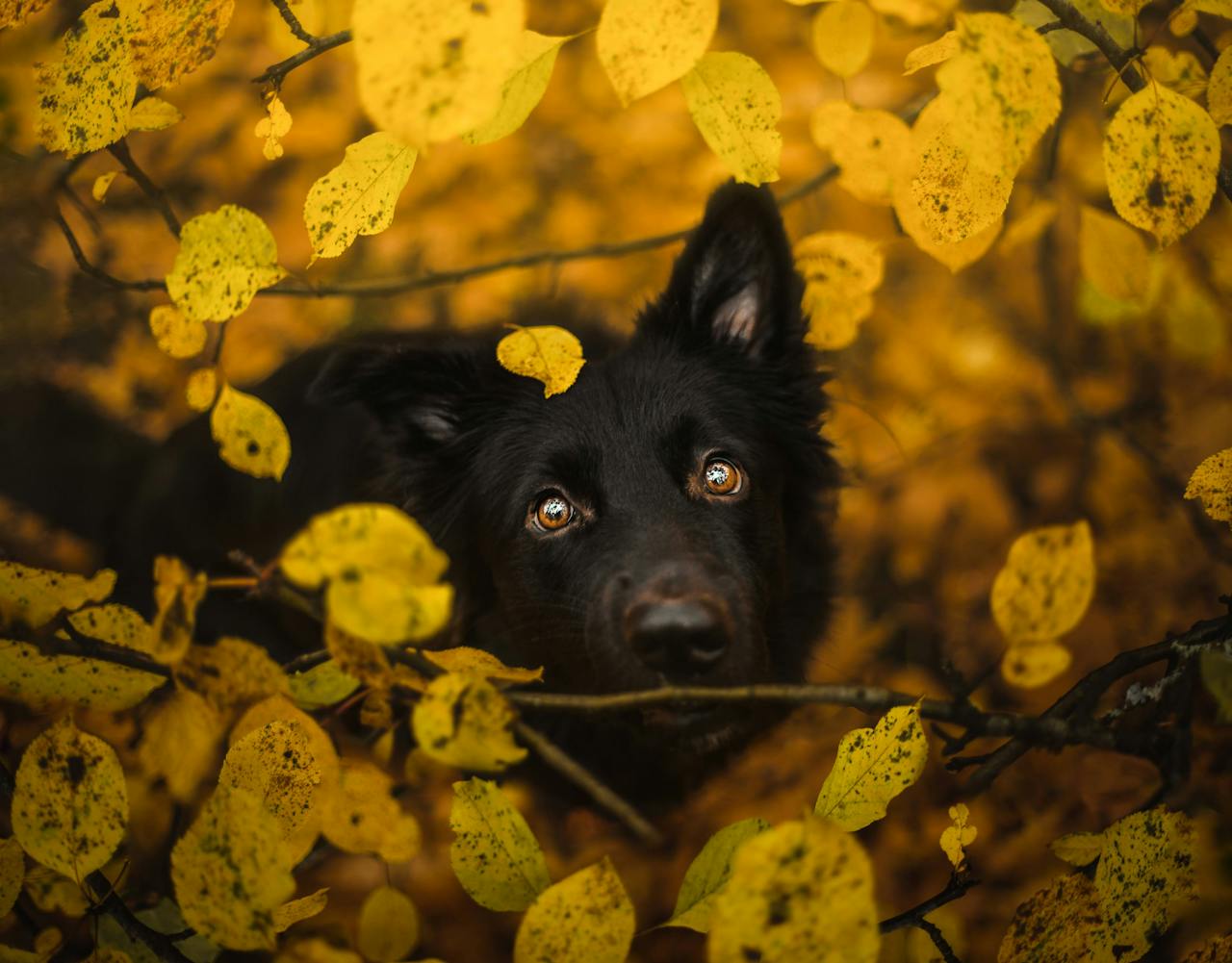
Horner’s syndrome in dogs and cats: signs, causes, diagnosis and treatment
A drooping eyelid, a smaller pupil and a visible third eyelid on one side add up to Horner's syndrome. It is not painful in itself and does not harm sight, but it often signals another, more serious condition underneath. We explain the causes, the diagnostic steps, the pharmacological tests and the treatment options.
The canine ethogram: understanding the behaviour of our four-legged friends
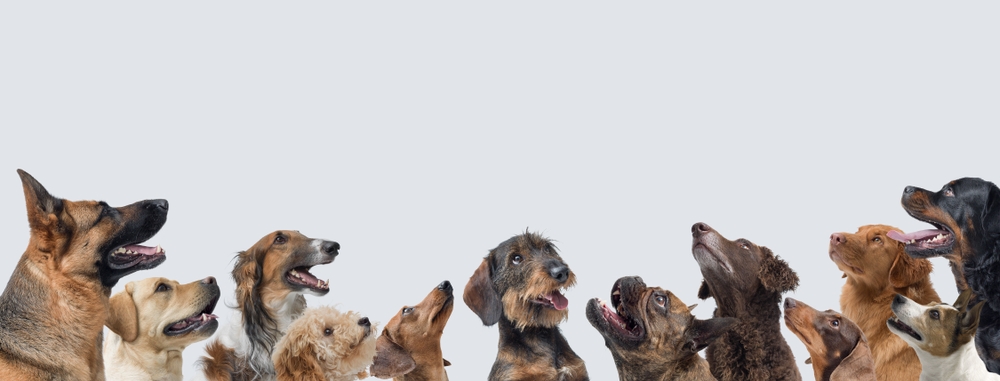
A canine ethogram is a tool that helps us make sense of the many things our four-legged friends do. It lets us read the signals dogs send far more accurately, which matters enormously both in their dealings with other dogs and in their relationships with people. In this article we take a closer look at what a canine ethogram actually is, what it is used for, and how it shapes the way we see dog behaviour. This knowledge is invaluable for any owner who wants to build a strong, healthy bond with their dog.
What is a canine ethogram?
A canine ethogram is a detailed catalogue of the behaviour characteristic of the species. It helps us understand how dogs communicate both among themselves and with people. An ethogram covers a wide range of typical canine behaviour, from calming and threatening signals to the things dogs do every day, such as sleeping and playing. Understanding this behaviour is essential for owners, because it makes it far easier to meet the needs of our four-legged friends.
Compiling an ethogram is a job for specialists in ethology, the science of animal behaviour. Ethologists study and verify various aspects of canine life in order to build a complete picture of what dogs do. Thanks to their work we understand dogs’ needs better and can respond to them appropriately. It is worth stressing that an ethogram is not a fixed document — it is continually updated as research advances. It is to ethologists that we owe the knowledge that helps us build stronger bonds with our dogs.
A history of ethogram research in dogs
Research into the canine ethogram has its roots in observations of grey wolves, the first attempts to understand what dogs do. Scientists initially assumed that dogs and wolves followed similar behavioural patterns, which led to mistaken conclusions. Transferring observations from wolves to dogs was one of the main errors, because the differences arising from domestication were ignored. At the time dogs were often regarded as less complex creatures, which made accurate research harder still.
As the science developed, the value of studying feral and free-ranging dogs became apparent. This work gave a much better picture of how dogs behave naturally in their own environment. Those observations proved crucial in building a more precise canine ethogram, one that took in the full variety of behaviour connected with social interaction and finding food. It allowed researchers to interpret the behaviour of domestic dogs more accurately and to adapt training methods to their natural needs.
Basic restful behaviour in dogs
Basic restful behaviour plays an important part in a dog’s daily life. The most significant elements are sleep and rest, which take up a large share of the day — as much as 16 hours. Enough sleep is essential to a dog’s physical and mental health. Without proper rest, health problems follow, from loss of appetite to reduced immunity. To help your dog sleep comfortably, give it a quiet spot of its own where it can stretch out freely.
Other important calming behaviours are chewing, licking and gnawing. These activities help a dog shed stress and tension and stimulate serotonin production. It is worth giving your dog access to toys or chews that let it satisfy these needs. Quiet walks are also conducive to relaxation, giving the dog a chance to explore and sniff about. In doing so it gains confidence and satisfies its natural urge to discover the world. Regular grooming and time spent with people likewise lower a dog’s stress levels.
Arousing behaviour and why it matters
Arousing behaviour in dogs, such as chasing prey or playing, plays an important part in their daily lives. These activities not only bring dogs joy, they also affect their mental and physical health. During such activity the dog’s body produces more dopamine and noradrenaline, which translates into better motivation and a greater capacity to learn new skills. Arousing behaviour falls into several categories:
Bear in mind that the right amount of arousing activity is essential to a dog’s healthy development. It teaches dogs to handle their emotions and sharpens their intelligence. This kind of behaviour also helps keep energy levels healthy and prevents the behavioural problems that stem from boredom or frustration. To give your dog the stimulation it needs, involve it regularly in different forms of play and physical activity.
Social interaction in the world of dogs
Social interaction plays a key part in dogs’ daily lives. Contact with other dogs and with people alike is essential to a dog’s healthy emotional and social development. Dogs communicate through a wide range of signals, some calming and some threatening. Calming signals such as yawning, turning the head away or licking the nose, help reduce tension and avoid conflict. Threatening signals, on the other hand, such as growling or barking, serve to warn off a potential threat.
A well-socialised dog can read these signals accurately and respond to them appropriately. As a result it avoids unnecessary conflict and copes better in all sorts of social situations. Owners should pay attention to these subtle forms of communication so as to understand their dogs’ needs better. Regular contact with other dogs and with people allows a dog to develop its social skills, which is hugely important for its wellbeing. Here are a few of the benefits of good socialisation:
The role of the walk in a dog’s life
A walk is not merely a chance for a dog to relieve itself; above all it is an opportunity to explore the surroundings and to socialise. Out on a walk a dog can sniff about, which is its natural way of getting to know the world. In doing so it develops its cognitive skills and satisfies its need to discover new scents. Exploring the surroundings lets a dog work off energy and stimulates its mind, both essential to its mental health.
A walk also gives a dog the chance to interact with other dogs and with people. This is an important part of its life, helping to build confidence and communication skills. To make a walk worthwhile, a few principles are worth following:
With a well-planned walk, a dog gets the full benefit of this daily ritual, and that shows in its general wellbeing and health.
Summary
A canine ethogram is a detailed catalogue of behaviour typical of the species, and it helps us understand how dogs communicate both with one another and with people. It covers a wide range of behaviour, from calming and threatening signals to the things dogs do every day, such as sleeping and playing. Thanks to the work of ethologists, who study and update ethograms, owners can respond better to their dogs’ needs and build stronger bonds with them.
Research into the canine ethogram began with observations of grey wolves, but over time scientists came to recognise the differences created by domestication. Today research focuses on how dogs behave naturally in their own environment, which allows more precise ethograms to be drawn up. That in turn makes it possible to understand domestic dogs better and to adapt training methods to their natural needs.
FAQ
What mistakes do dog owners most often make where the ethogram is concerned?
Owners often overlook, without meaning to, the subtle signals their dogs send — yawning or nose-licking, for instance — which can indicate stress or discomfort. Another mistake is anthropomorphism, that is, attributing human emotions and motives to dogs, which leads to misunderstandings in communication.
Do all dogs show the same behaviour described in the ethogram?
Although a great deal of behaviour is shared by most dogs, differences can arise depending on breed, age, life experience and individual temperament. That is why it is important to observe your own dog and adapt to its particular needs.
How can I use what I know about the ethogram in daily life with my dog?
Understanding the ethogram makes it easier to interpret a dog’s needs and emotions. You can then respond to its behaviour more effectively, which improves the relationship between owner and animal. This knowledge is also useful when training a dog and when working through behavioural problems.
Does a dog’s ethogram change as the animal ages?
Yes, dogs’ behaviour can change with age. Puppies are more inclined to play and explore, whereas older dogs may prefer quieter pursuits. As a dog ages, new health and behavioural needs may also appear.
How important is socialisation in the context of the canine ethogram?
Socialisation plays a key role in developing a dog’s social skills. A well-socialised dog is better at interpreting the signals sent by other dogs and by people, which helps it avoid conflict and cope with a variety of social situations.
Do ethograms differ between breeds?
Different breeds may show different behavioural patterns because of their genetic predispositions and the work they were historically bred for. Herding dogs, for example, may have a stronger instinct to watch over a flock, while hunting dogs may be more inclined to chase prey.
What are the best ways to reduce a dog’s stress according to the ethogram?
To reduce stress in a dog, make sure it gets enough sleep and has access to toys for chewing and gnawing. Regular walks and social contact also help lower stress levels. It is equally important to create a safe home environment in which the dog feels comfortable.