

-

Parasitic diseases in rabbits: the commonest threats and how to prevent them
Coccidiosis, encephalitozoonosis, ear mange and cheyletiellosis are the parasitic diseases pet rabbits meet most often, and they can go unnoticed for a long time. We explain how they are diagnosed in the laboratory, how they are treated, and which hygiene, quarantine and feeding rules keep infection at bay.
-

How to protect your dog’s paws in winter
Frost, ice and road salt leave a dog's pads irritated, cracked and sometimes frostbitten every winter. We explain how to pick a route and a protective wax before the walk, how to rinse and dry the paws properly once you are home, and which signs mean it is time to call the veterinary clinic.
-

Horner’s syndrome in dogs and cats: signs, causes, diagnosis and treatment
A drooping eyelid, a smaller pupil and a visible third eyelid on one side add up to Horner's syndrome. It is not painful in itself and does not harm sight, but it often signals another, more serious condition underneath. We explain the causes, the diagnostic steps, the pharmacological tests and the treatment options.
Understanding Addison’s Disease. How to Look After Your Dog’s Health
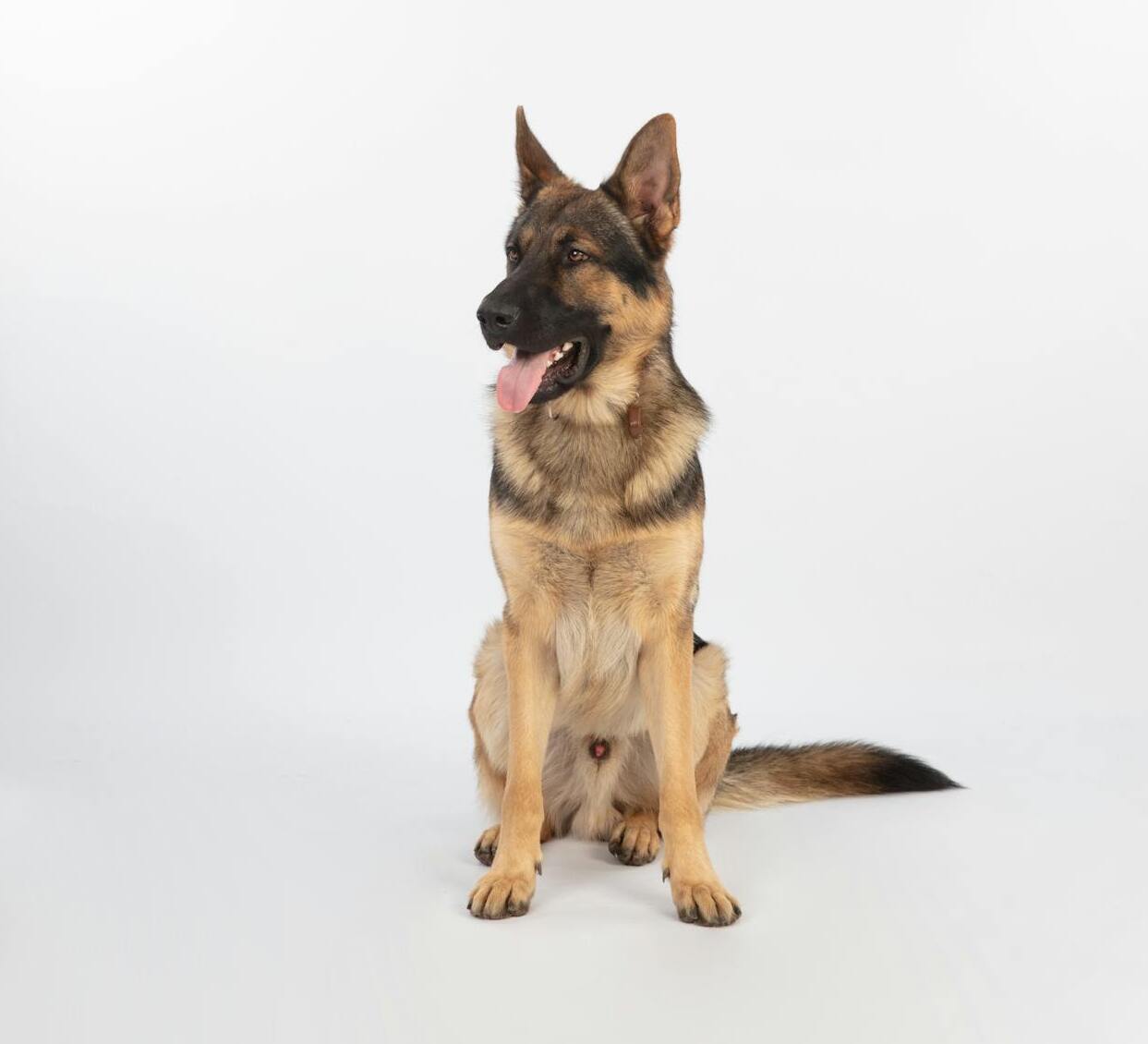
What is Addison’s disease in dogs?
Addison’s disease, also known as hypoadrenocorticism, is an endocrine disorder that occurs when the adrenal cortex fails to produce enough steroid hormones, notably cortisol and aldosterone. Cortisol plays a central role in regulating metabolism, the body’s response to stress and the maintenance of healthy blood glucose levels, while aldosterone governs the balance of water and electrolytes, including sodium and potassium levels. A shortage of these hormones can leave a dog with serious health problems such as weakness, vomiting and diarrhoea, as well as adrenal crises, which can be life-threatening. Addison’s disease usually develops gradually and may be brought on by a range of factors, among them autoimmune damage to the adrenal glands, which throws the dog’s hormonal balance out and in turn disrupts many vital functions.
Dog breeds predisposed to Addison’s disease
Addison’s disease can affect dogs of any breed, though some are noticeably more prone to it. It most commonly affects medium and large breeds, including:
Several other breeds, including the Whippet, Poodle and Beagle, also carry an increased risk of developing Addison’s disease. There is evidence, too, that females are more susceptible than males. While breed predisposition does raise the risk, it is worth remembering that Addison’s disease can occur in crossbreeds as well.
Signs of Addison’s disease
The signs of Addison’s disease in dogs vary and tend to appear gradually, which is why they are so often mistaken for other conditions.
Treating Addison’s disease in dogs
Treating Addison’s disease in dogs is a long-term undertaking focused on replacing the missing hormones and keeping their levels steady. The mainstay of therapy is hormone medication, most often corticosteroids such as prednisolone, which make up for the shortfall in cortisol. Doses are tailored to the individual dog, and medication may be needed daily or several times a week. Where aldosterone is lacking, mineralocorticoids such as fludrocortisone are used to help maintain electrolyte balance. Regular monitoring is equally important, covering electrolyte levels and the dog’s overall response to treatment. Owners should stay alert to both short- and long-term signs and offer support during stressful situations, which can trigger an adrenal crisis. Should a crisis occur, it can be life-threatening and requires immediate veterinary intervention, including intravenous fluids and medication.