

-
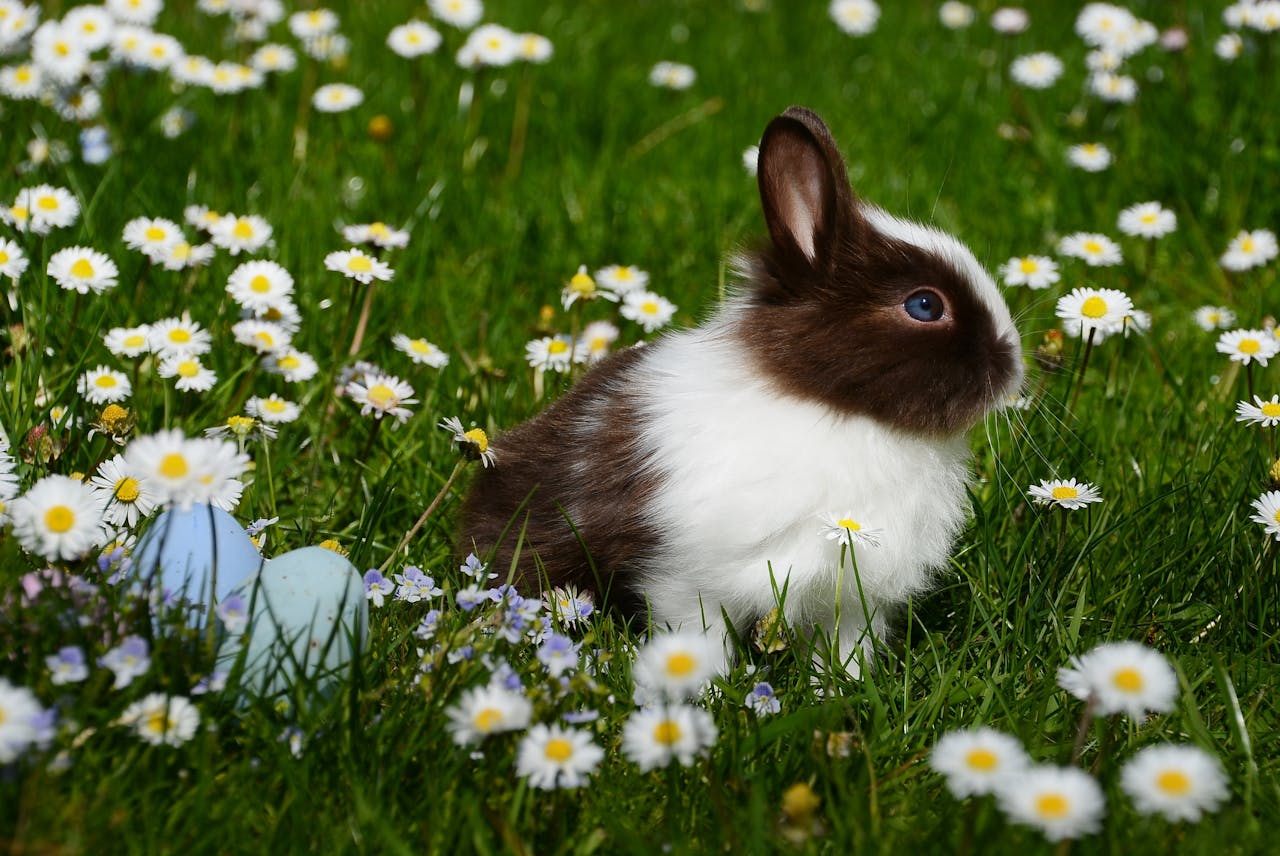
Parasitic diseases in rabbits: the commonest threats and how to prevent them
Coccidiosis, encephalitozoonosis, ear mange and cheyletiellosis are the parasitic diseases pet rabbits meet most often, and they can go unnoticed for a long time. We explain how they are diagnosed in the laboratory, how they are treated, and which hygiene, quarantine and feeding rules keep infection at bay.
-

How to protect your dog’s paws in winter
Frost, ice and road salt leave a dog's pads irritated, cracked and sometimes frostbitten every winter. We explain how to pick a route and a protective wax before the walk, how to rinse and dry the paws properly once you are home, and which signs mean it is time to call the veterinary clinic.
-

Horner’s syndrome in dogs and cats: signs, causes, diagnosis and treatment
A drooping eyelid, a smaller pupil and a visible third eyelid on one side add up to Horner's syndrome. It is not painful in itself and does not harm sight, but it often signals another, more serious condition underneath. We explain the causes, the diagnostic steps, the pharmacological tests and the treatment options.
Cat owners, take note! When hairballs turn dangerous — don’t miss these signs
What are hairballs?
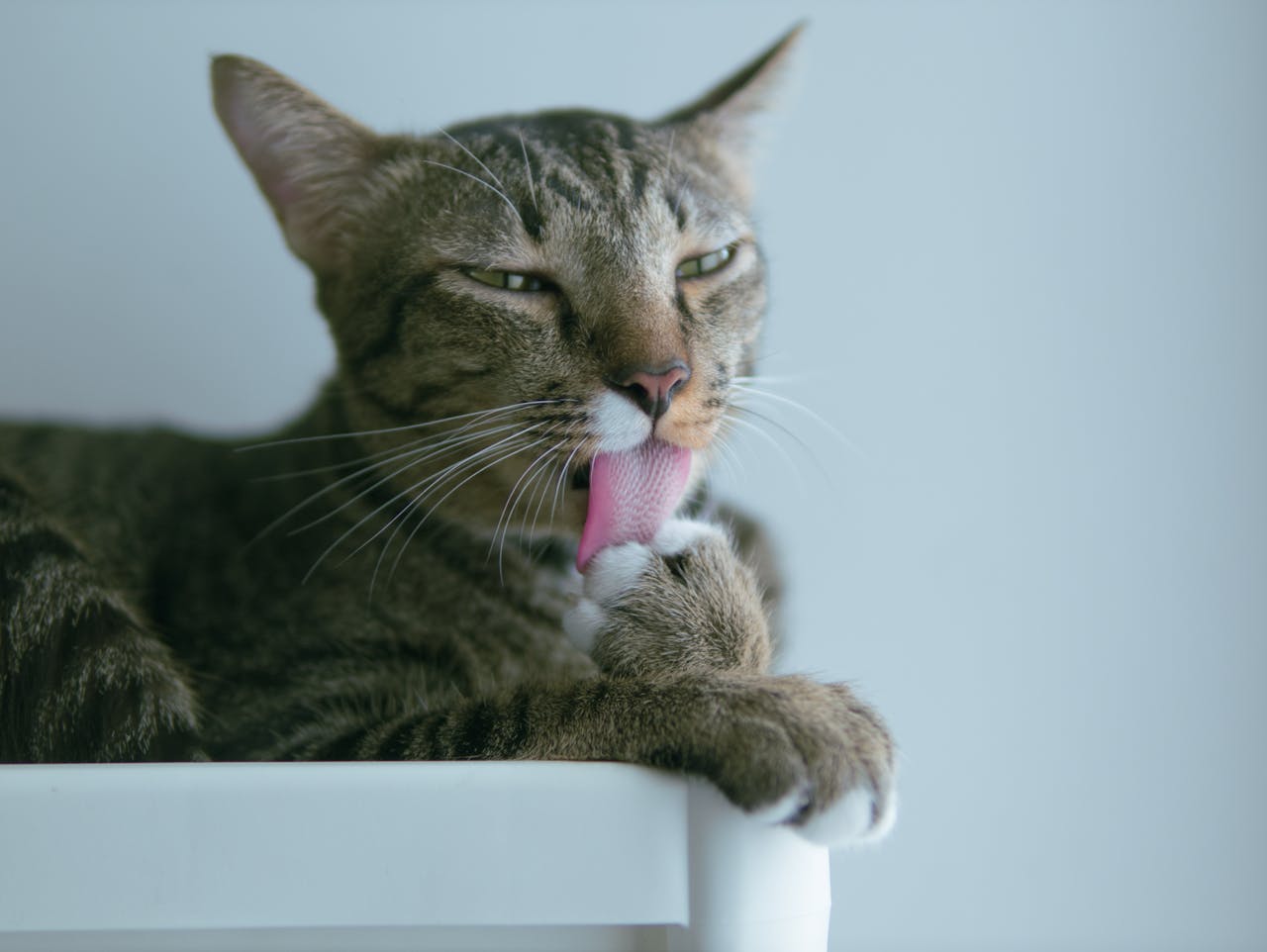
Hairballs, or trichobezoars, are a by-product of the way cats groom themselves. A cat’s tongue is covered with tiny stiff barbs that comb dead hair and dirt out of the coat very efficiently. Unfortunately, some of that hair is swallowed and gathers into balls in the digestive tract. Hairballs cause discomfort and, in some cases, more serious health problems, so they are worth paying close attention to.
Are hairballs dangerous?
Hairballs can indeed threaten a cat’s health, particularly when they build up in the digestive tract and are not passed. Most cats get rid of them on their own, either by bringing them up or by passing them in the faeces, but in some cases they lead to serious trouble. When a hairball grows too large or creates a blockage, it can cause intestinal obstruction — a life-threatening condition requiring immediate veterinary attention.
Signs of hairballs in cats
The sign owners notice most often is frequent vomiting, either containing hair or dry and unproductive, which suggests the cat is trying to bring a hairball up. Other symptoms include loss of appetite caused by discomfort or abdominal pain, along with general weakness and apathy. A cat may also seem unsettled, licking or scratching at its coat intensely in an attempt to relieve the unpleasant sensations. Difficulty passing stools, whether constipation or straining, is another signal that hairballs are obstructing the digestive tract. If these signs appear, consult a veterinarian as soon as possible so the situation can be assessed and the right treatment prescribed.
Breeds prone to hairball problems
Some breeds run into hairballs more often than others because of the length and texture of their coat. Long-haired cats come first — the Maine Coon, the Persian and the Siberian all have thick, long fur in which dead hair readily accumulates. The complex structure of their coat means they swallow more hair while grooming, and that hair goes on to form hairballs. Ragdolls and Birmans can have the same problem, especially during moulting, when far more fur is shed. Short-haired breeds such as the British Shorthair or the Sphynx are less affected, but they are not entirely free of the risk. Owners of every breed should therefore keep an eye on their cat’s health and stay on top of grooming to reduce the chance of hairballs forming.
When should you start worrying about your cat’s health?
A trip to the vet becomes necessary once signs appear that hair is building up in the digestive tract. Swallowing hair while grooming is perfectly normal, but sometimes it compacts into a solid mass and creates a blockage. Trichobezoars of this kind can become dangerous and put the cat’s health and life at risk. If you notice persistent vomiting, loss of appetite, weakness or difficulty passing stools, consult a veterinarian without delay. The vet will examine your cat thoroughly and recommend suitable treatment. Never attempt to treat the problem yourself or give any remedies without professional advice first, as this may only create further complications for your pet.