

Blog
-

Resuscitating a cat: what to do when your pet stops breathing
When a cat suddenly stops breathing, every second counts and the owner's response matters enormously. We explain how to check for breathing and a pulse, how to prepare the space and how to position your cat safely. You will also find the sequence for chest compressions and rescue breaths, and what to do next.
Read more -
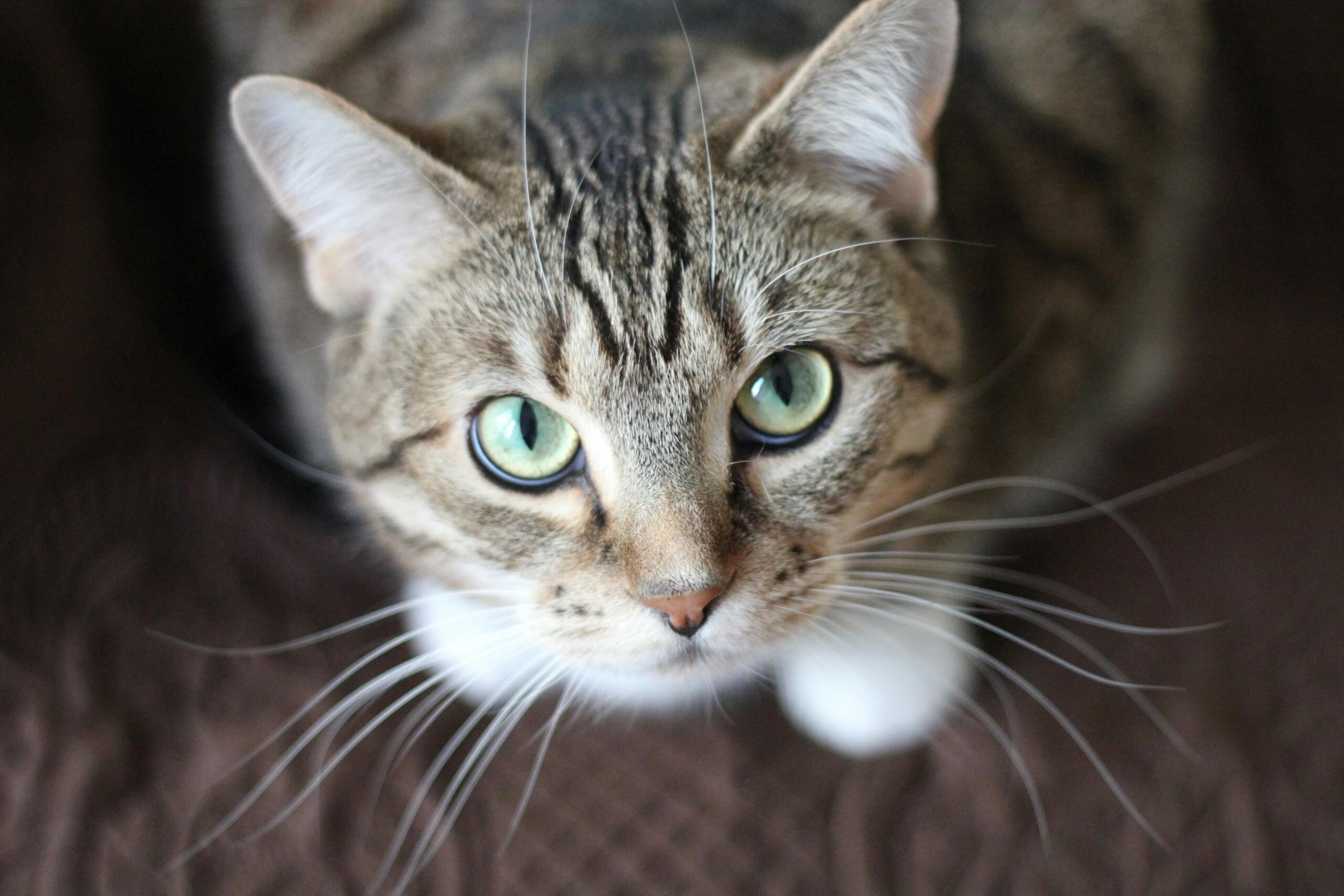
Eye tumours in cats: what owners need to know
Eye tumours in cats are uncommon but always serious: the first signs are subtle, yet the disease can go on to destroy the structures of the eye. We look at the types that occur, the changes to watch for at home and how vets reach a diagnosis. We also cover the treatment options, the prognosis and how to care for an affected cat.
Read more -

Pneumonia in cats: how to recognise and treat it
Pneumonia in cats is easy to mistake for other respiratory problems, and lost time can prove costly. We explain the different types of pneumonia, what causes them and the signs that should put you on alert at home. You will also find out how the condition is treated, how to care for a recovering cat and why diet matters.
Read more -

Ascites in dogs – symptoms, diagnosis, treatment
Ascites is a build-up of fluid in the abdominal cavity. It is not a disease in its own right but a warning sign of something serious - heart failure, liver disease, a tumour or inflammation. Here is how to spot ascites in a dog, why it should never be left unchecked, and what diagnosis and treatment look like.
Read more -

Candidiasis in cats – symptoms, types, diagnosis and treatment
Candidiasis in cats is a fungal infection caused by an overgrowth of yeasts of the Candida genus. It can affect the skin, the ears, the digestive tract and even the internal organs, and it most often strikes cats whose immune defences are already weakened. Here are the symptoms, the different forms, the causes, and how vets diagnose and treat it.
Read more -
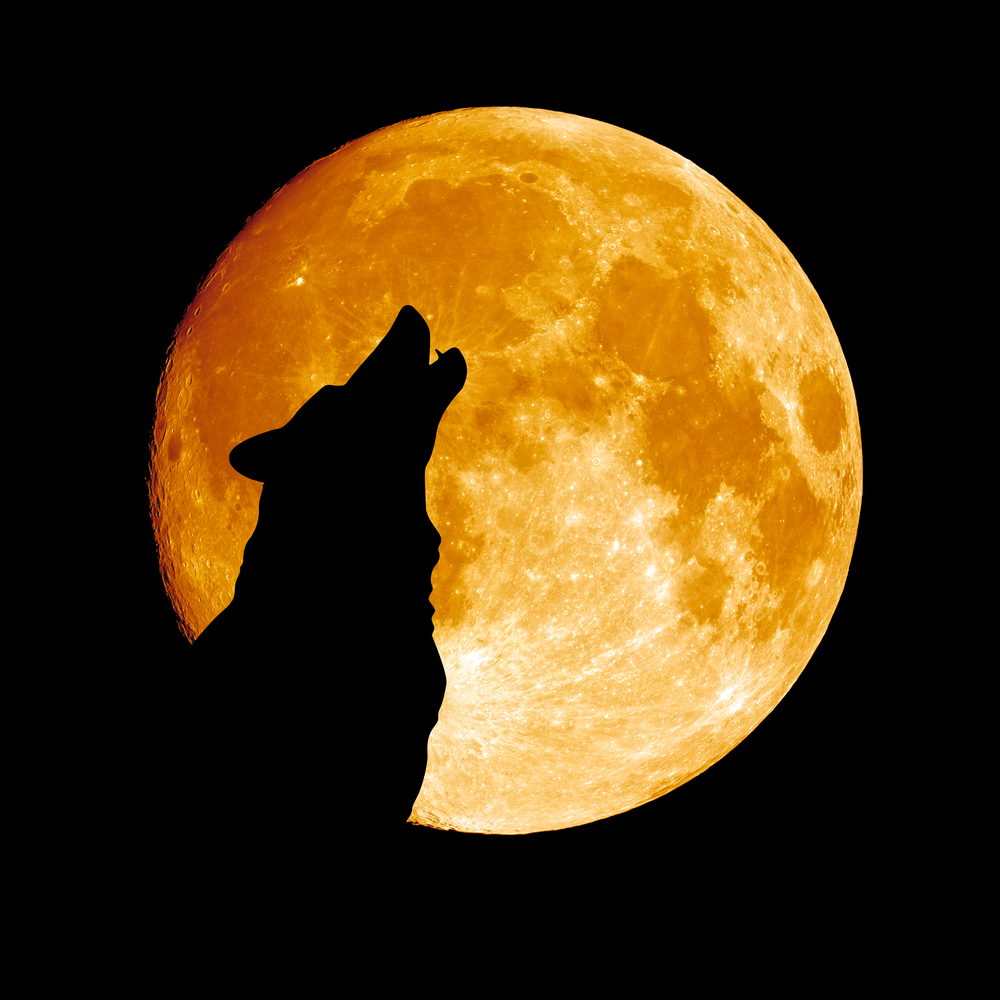
Why do dogs howl at the moon? Is it just a myth?
Dogs howling at the moon is a story that has followed us from ancient legend to present-day back-garden chatter. We look at where the belief came from in different cultures, whether a full moon really does change canine behaviour, and what biology says about howling - plus the real reasons your own dog might be doing it.
Read more -

Which pet should you choose for your child? A practical guide for parents
A pet is far more than a source of fun - it is a real lesson in empathy and responsibility for a child. Here is how to choose the right animal for your child's age and your living situation, how to divide the duties within the family, what to do if your child has allergies, and how to get your home ready for a new arrival.
Read more -

Malassezia dermatitis in dogs – symptoms, types, diagnosis and treatment
Malassezia dermatitis is a skin infection caused by the overgrowth of yeasts that normally live on a dog's skin. It brings intense itching, reddened skin and the distinctive musty smell around the ears and skin folds. Here is where the lesions usually appear, what triggers them, how a vet reaches a diagnosis and what treatment involves.
Read more -

Bathing your cat: when, how often and what to use
Cats are perfectly capable of grooming themselves, yet a bath is sometimes genuinely necessary. We explain when it cannot be avoided, how often to bathe a cat, which shampoo to choose and how to handle the bath itself so it stays calm for your pet and for you.
Read more -
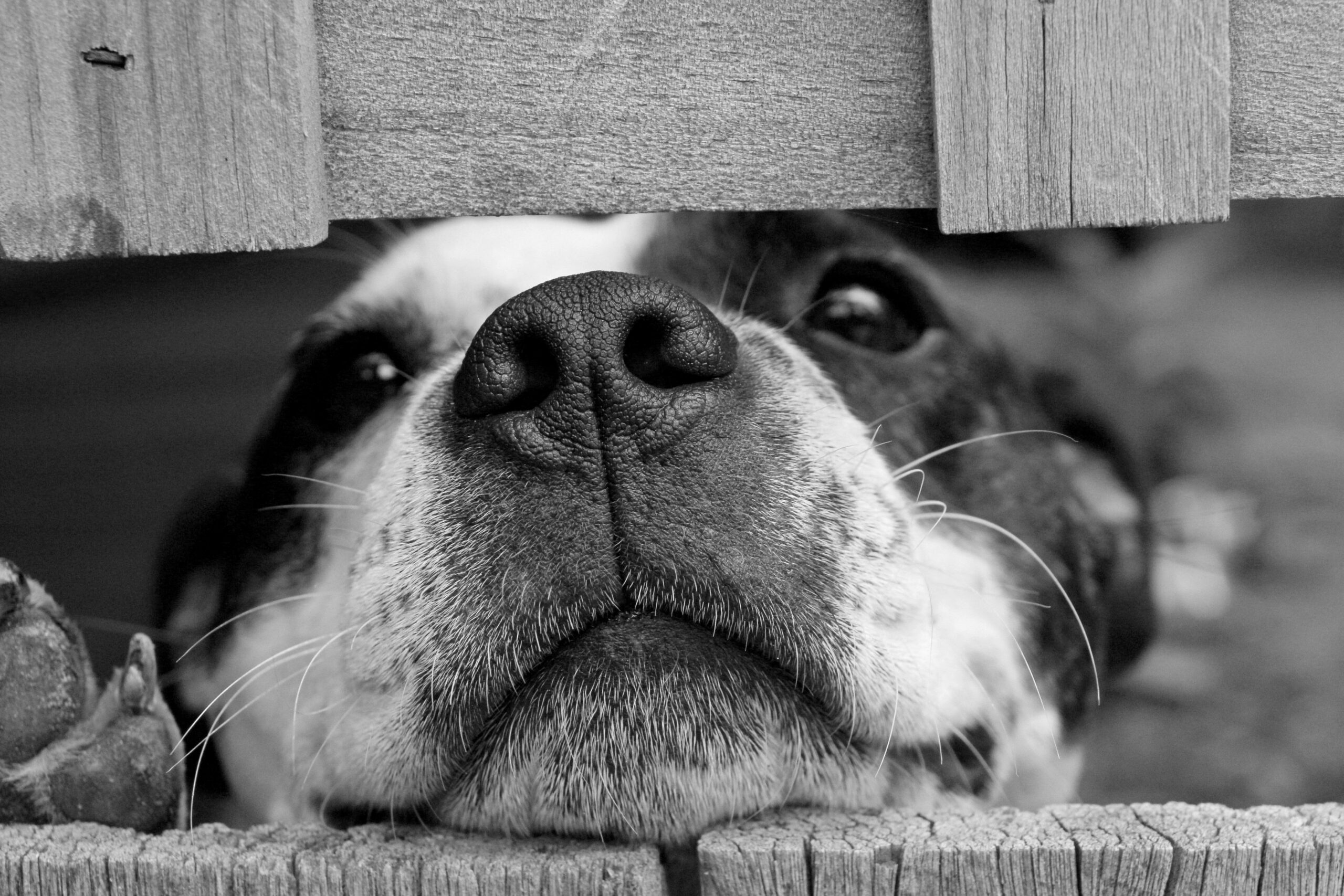
A dry nose in dogs: what does it actually mean?
A wet nose is traditionally taken as proof that a dog is well, though the reality is far more nuanced. We explain how the nose leather works, when dryness is entirely normal, and when it signals dehydration, hyperkeratosis or autoimmune disease, plus what to do at home.
Read more -
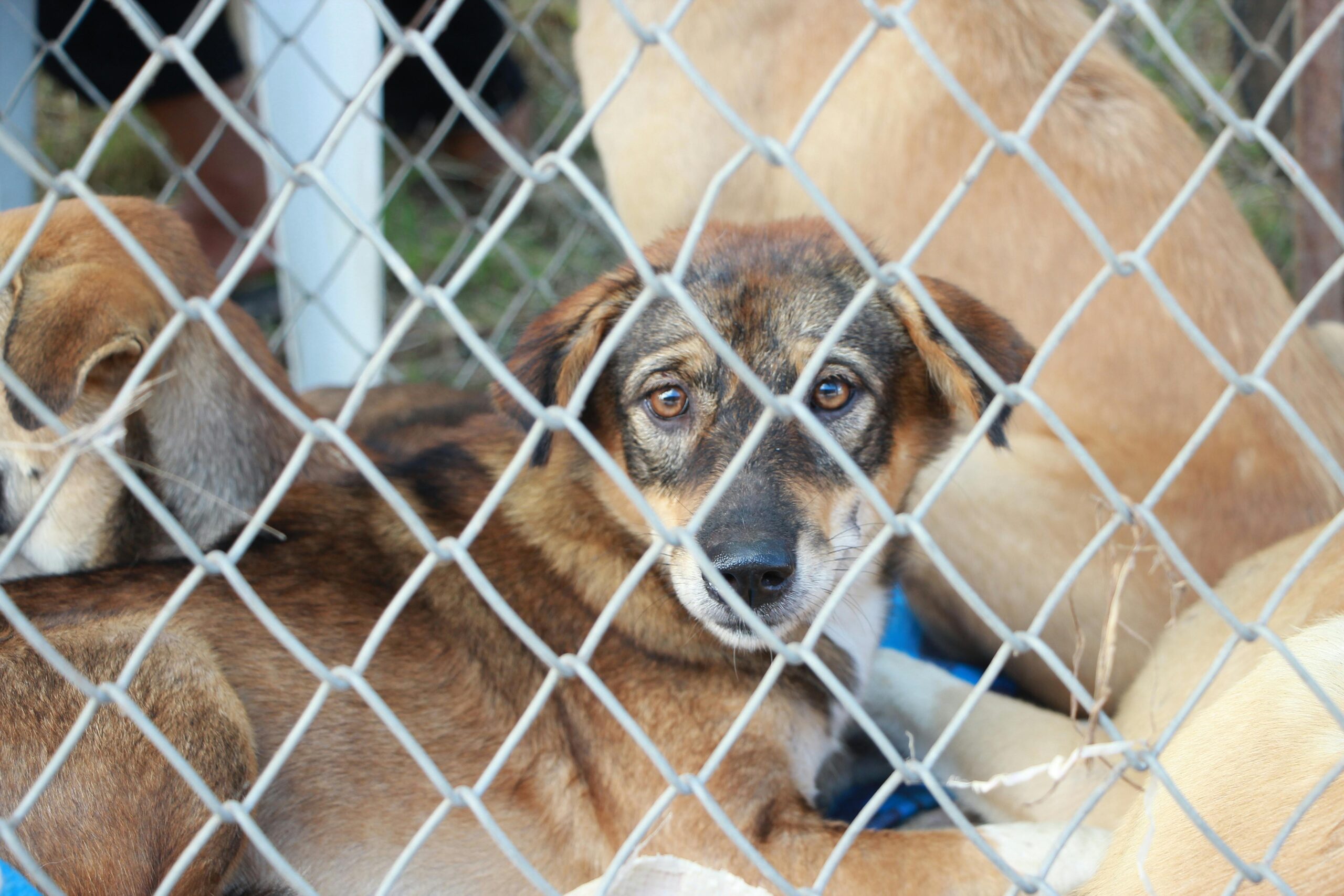
Mange in dogs and cats: what to know, how to treat it and whether you can catch it
Mange is caused by microscopic Sarcoptes scabiei mites, and brief contact with an infected animal is enough for them to move on to your pet. We explain the signs to look out for, how the condition is treated and whether it really poses a risk to people.
Read more -
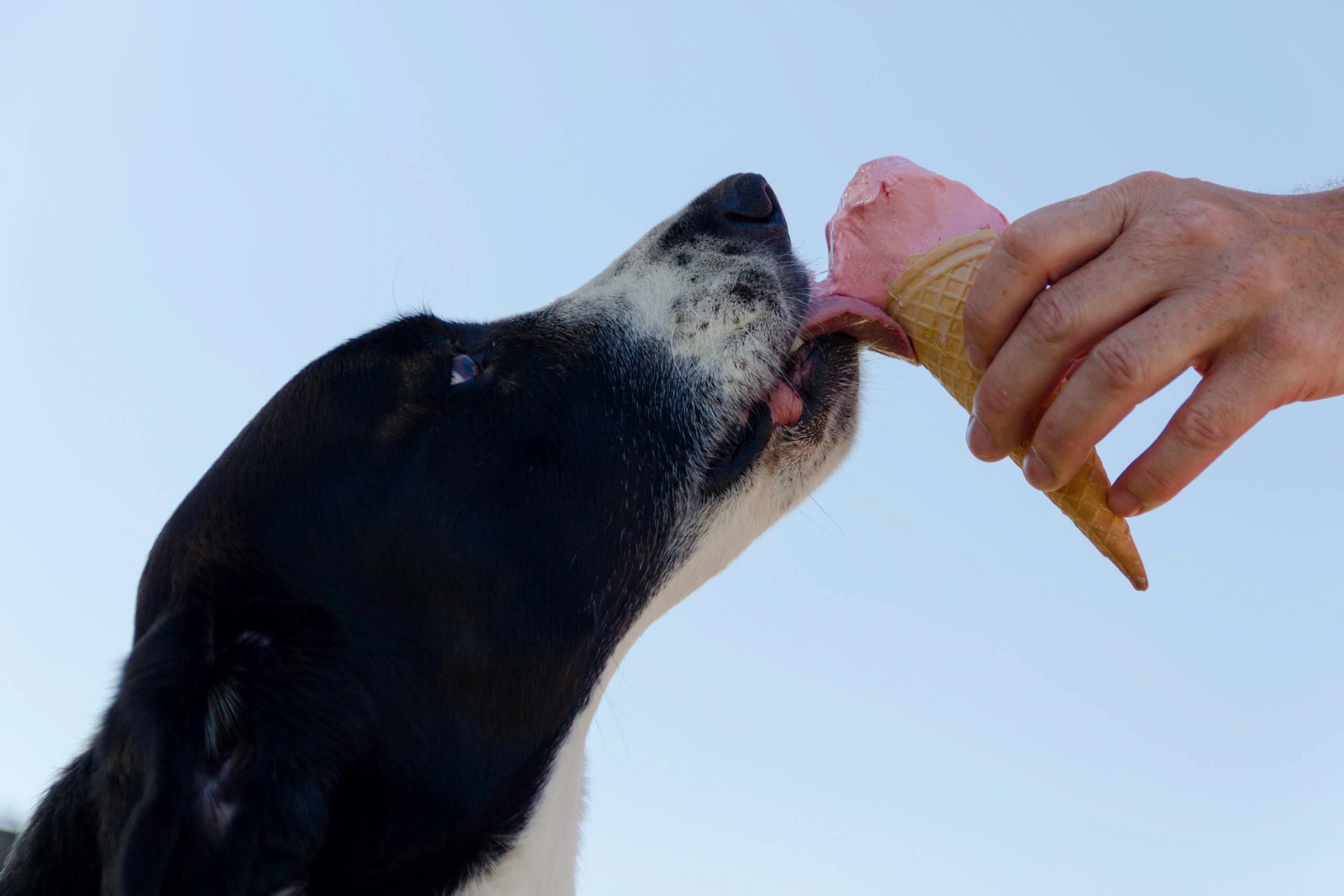
Obesity in dogs: causes, consequences and prevention
As many as 30-60% of pets carry excess weight, and this is a serious health risk rather than a cosmetic issue. We look at the feeding mistakes that most often lead to obesity, how to assess your dog's weight at home, and which changes to diet and exercise actually work.
Read more