

-
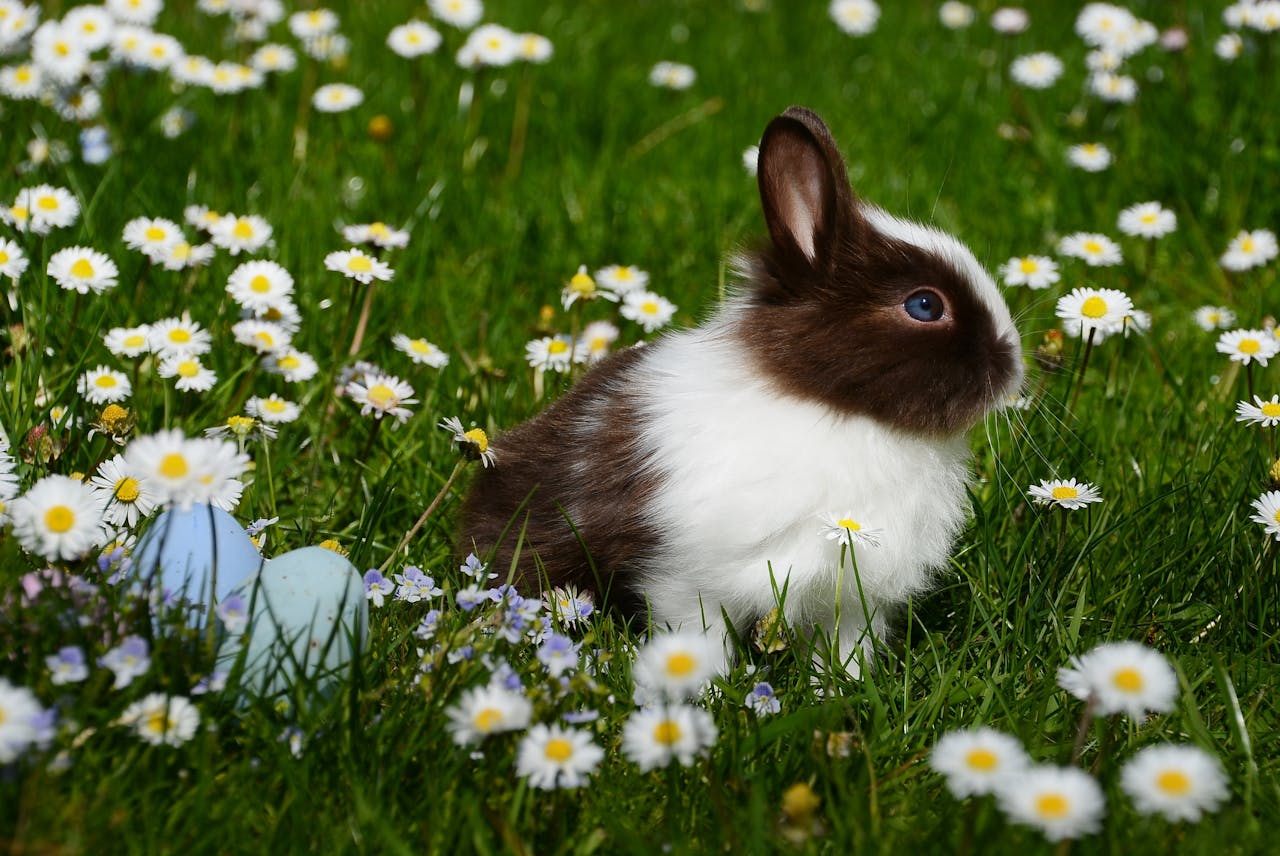
Parasitic diseases in rabbits: the commonest threats and how to prevent them
Coccidiosis, encephalitozoonosis, ear mange and cheyletiellosis are the parasitic diseases pet rabbits meet most often, and they can go unnoticed for a long time. We explain how they are diagnosed in the laboratory, how they are treated, and which hygiene, quarantine and feeding rules keep infection at bay.
-
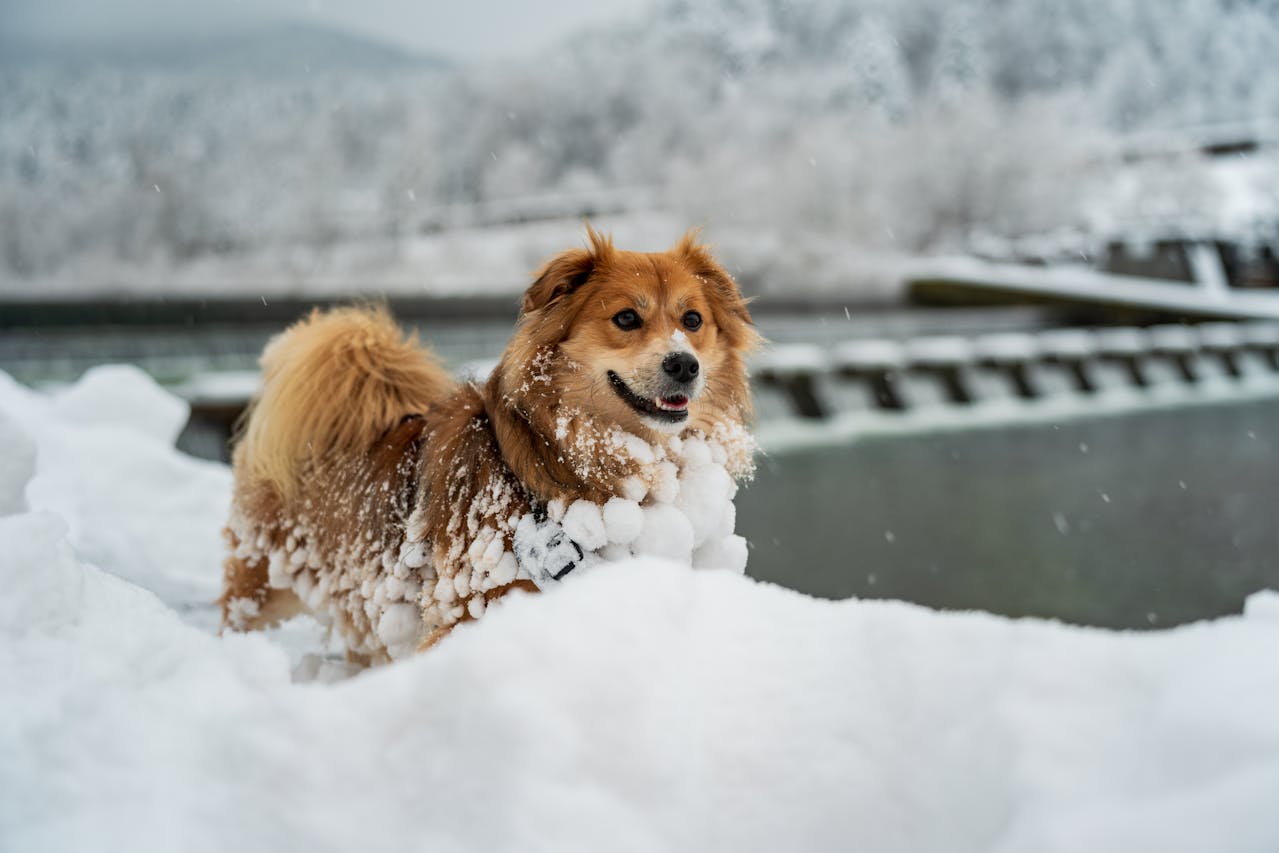
How to protect your dog’s paws in winter
Frost, ice and road salt leave a dog's pads irritated, cracked and sometimes frostbitten every winter. We explain how to pick a route and a protective wax before the walk, how to rinse and dry the paws properly once you are home, and which signs mean it is time to call the veterinary clinic.
-
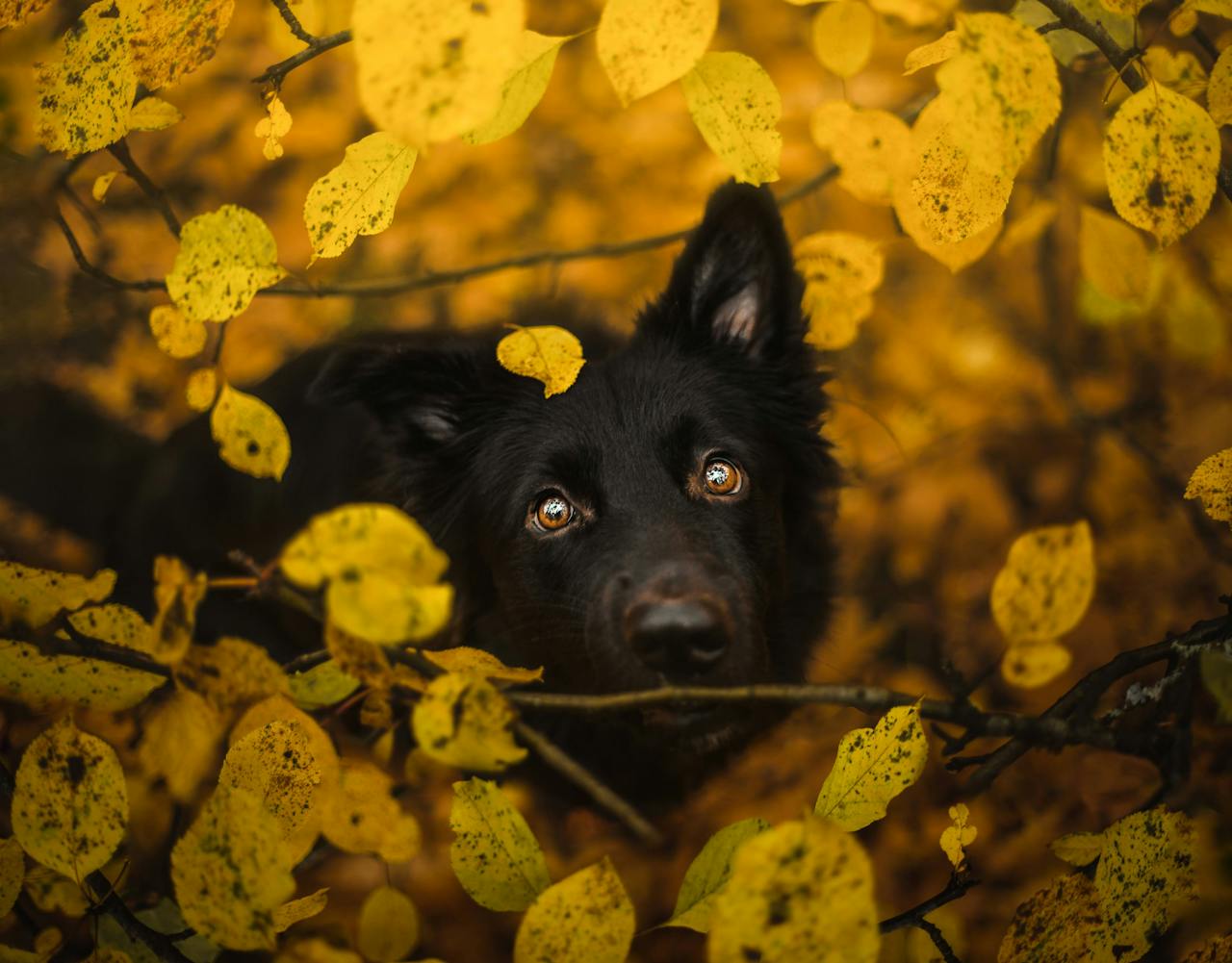
Horner’s syndrome in dogs and cats: signs, causes, diagnosis and treatment
A drooping eyelid, a smaller pupil and a visible third eyelid on one side add up to Horner's syndrome. It is not painful in itself and does not harm sight, but it often signals another, more serious condition underneath. We explain the causes, the diagnostic steps, the pharmacological tests and the treatment options.
A dry nose in dogs: what does it actually mean?
Introduction and the physiology of the organ
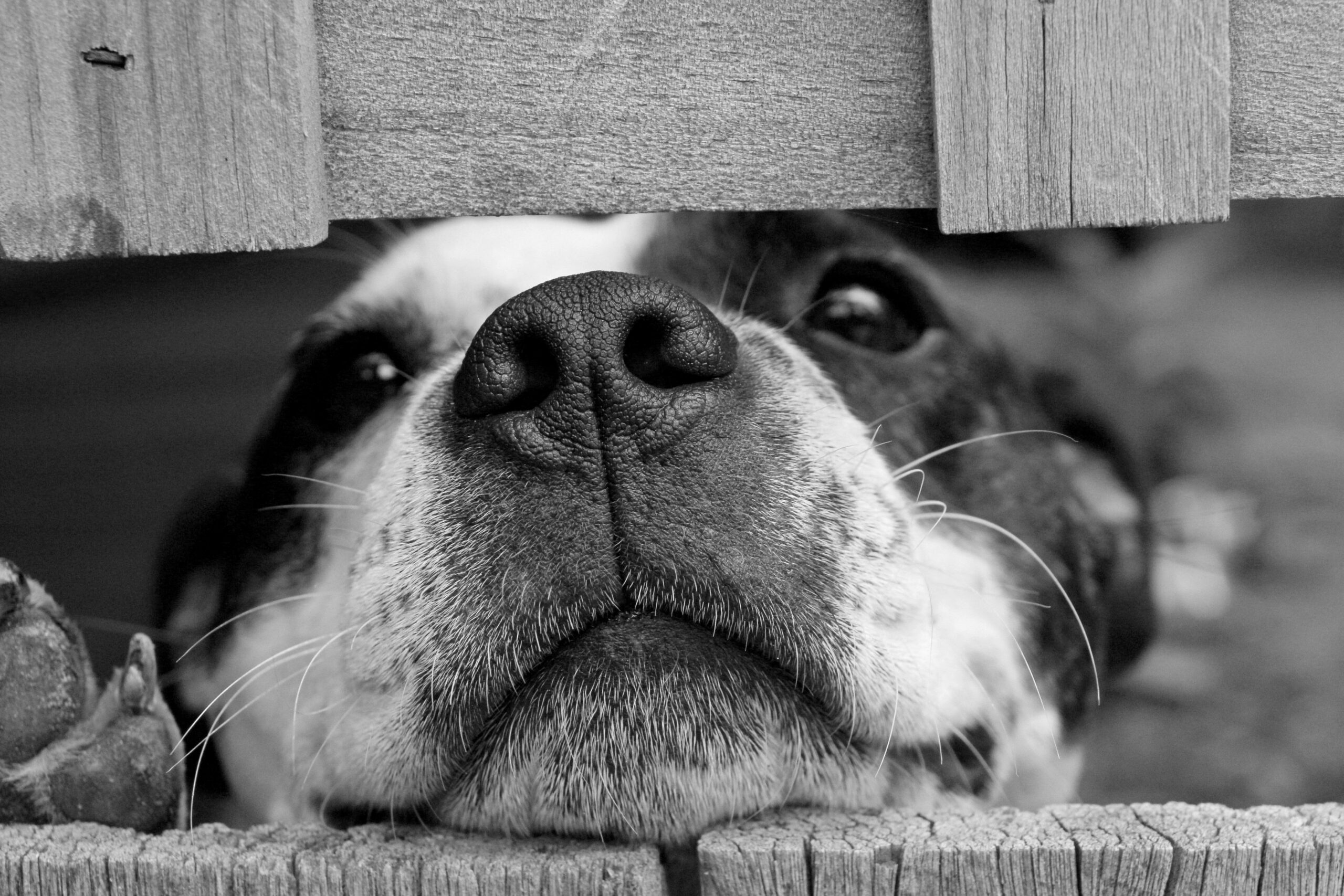
For decades, how moist a dog’s nose feels has served owners as an informal gauge of their animal’s general health. The widespread belief that a wet nose invariably means an animal in perfect condition is a considerable oversimplification, yet changes in this area really can be an early indicator of a range of disease processes. To interpret a dry nose in a dog correctly, it is essential to understand the complex physiology and anatomy of the region.
The nose leather, known in anatomical terminology as the planum nasale, plays a fundamental role in canids. This organ is not only the first section of the airways but, above all, a highly specialised sensory and thermoregulatory instrument. The surface of the nose is constantly moistened by secretions from the mucous glands and by tears, which drain from the conjunctival sacs through the nasolacrimal ducts. This thin film of moisture acts as a kind of trap for scent molecules carried in the air. Odorants dissolved in the fluid are then conveyed to the olfactory receptors and to the vomeronasal organ, also known as Jacobson’s organ. This structure, located in the floor of the nasal cavity, is responsible for the sophisticated analysis of pheromones and key chemical signals from the environment, which underpins the animal’s normal behaviour.
Adequate moisture on the nose leather also supports thermoregulation. Evaporation of fluid from the surface of the nose and mouth helps a dog shed excess heat, a crucial mechanism given the almost complete absence of sweat glands elsewhere on the body. The anatomy of the nose leather itself is based on a stratified squamous keratinised epithelium. This forms a robust mechanical and immunological barrier, protecting against invading pathogens and physical damage. When the barrier stops working properly, tissues lose water rapidly and pronounced dryness follows.
Physiological causes of dryness, or non-disease states
Noticing that a dog has a dry nose is not always grounds for launching immediate diagnostic procedures. In many cases it is an entirely physiological phenomenon, arising from the animal’s natural daily rhythm or from the direct effect of environmental factors on the skin barrier.
Sleep and deep rest are the most common causes of a temporary loss of moisture on the nose leather. During sleep a dog’s metabolic rate slows down, which directly reduces the production of tear and mucous secretions. On top of that, a resting animal does not lick its nose, and licking is the main mechanism by which moisture is spread mechanically across the surface during waking hours. Once the dog wakes and resumes normal activity, proper moisture usually returns within ten to twenty minutes.
Another extremely important aspect is environmental factors and the microclimate indoors. Keeping a dog in rooms with low air humidity, something particularly common during the heating season, accelerates the evaporation of water from the surface of the mucous membranes and the skin. Prolonged exposure to strong ultraviolet radiation on sunny days, or direct contact with freezing wind in winter, has a similarly unfavourable effect. These extreme conditions can cause not only dryness but also painful micro-cracks in the skin that weaken its protective function.
The natural ageing process and the patient’s age must also be taken into account. In geriatric dogs, cell renewal slows down physiologically and tissue elasticity decreases considerably. Natural keratinisation of the skin may intensify with age, which means older dogs often have a permanently less moist and rougher nose leather than young and middle-aged animals.
A dry nose as a clinical sign, and the pathophysiology of the changes
If the dryness is chronic or accompanied by other worrying signs, it must be regarded as a clinical sign. The most common reason for this in veterinary pathology is dehydration, together with the acute disturbances of fluid and electrolyte balance that go with it.
Fluid loss may follow hyperthermia, that is a raised body temperature of varying origin, as well as acute gastrointestinal upsets with intense vomiting and diarrhoea. In dehydration the body first reduces perfusion of the peripheral tissues, including the skin and mucous membranes, in order to maintain adequate blood pressure and protect the vital internal organs. In both clinical and home settings, the degree of dehydration is assessed by testing the elasticity of the skin fold at the scruff and by carefully checking capillary refill time and the moisture of the gums. If a lifted skin fold does not spring straight back into place and the oral mucous membranes are tacky and pale, a dry nose is merely the outward, mild sign of a far more serious fluid deficit.
Another condition requiring investigation is idiopathic hyperkeratosis, that is pathological, excessive keratinisation. This is a state in which the natural cell cycle of the skin is disrupted. Instead of shedding physiologically, dead cells of the horny layer accumulate on the surface of the nose and, quite often, on the paw pads as well. They form thick, hard, dried-out layers of crust which, left untreated, can crack, causing severe pain and secondary, complicated bacterial infections.
An important group of causes, and a diagnostically difficult one, are autoimmune diseases, in which the dog’s immune system mistakenly identifies and attacks its own tissues. A prime example is discoid lupus erythematosus, abbreviated in the specialist literature to DLE, along with pemphigus foliaceus. In both, the disease process very often begins on the nose leather. What is visible is not only extreme dryness but also progressive depigmentation, through which the nose loses its natural dark pigment. Over time, extensive erosions, bleeding ulcers and thick crusts appear, and the sharp boundary between the smooth nose leather and the haired skin of the muzzle becomes blurred.
Systemic viral infections must not be overlooked either. The canine distemper virus has an exceptionally strong affinity for epithelial and nervous tissue. In the later stages of this extremely dangerous infectious disease, drastic keratinisation of the skin develops on the nose and the paw pads, a picture that older veterinary terminology aptly described as hard pad disease.
Breed characteristics and nose moisture
The anatomy and genetic predispositions of particular breeds have a decisive influence on the physiological ability to keep the nose leather properly moist. The greatest clinical challenges in this area concern patients affected by brachycephalic syndrome, known in veterinary medicine by the acronym BAOS.
Breeds such as French bulldogs, English bulldogs, pugs and boxers have a pronounced, genetically determined shortening of the facial skeleton. This particular anatomy means these animals physically struggle to reach their own nose with their tongue. The absence of any mechanical spreading of mucous secretions and saliva is the main cause of chronic dryness in these dogs. In addition, their often narrowed nostrils and chronically increased respiratory effort raise airflow through the nasal cavity, which constantly dries the mucous membrane and the skin of the planum nasale still further.
Genetic predispositions in other breeds also deserve attention. The veterinary literature describes hereditary nasal keratopathy and parakeratosis, diagnosed particularly often in the labrador retriever and the golden retriever. In these dogs, excessive dryness and keratinisation of the nose can appear at a young age and may require lifelong topical treatment to keep the animal comfortable.
Assessment and care at home
Noticing a dry nose in a dog calls for sensible care aimed at improving the condition of the skin and ruling out more serious disease. The basic step is to apply safe moisturising substances that help rebuild the damaged hydrolipid barrier.
At home, natural preparations based on shea butter, coconut oil, olive oil or beeswax work very well. These substances are completely non-toxic and safe for the animal if licked off. The veterinary market also offers dedicated balms and ointments for the care of the nose and paw pads, containing combinations of ingredients that help regenerate the skin. It is essential, however, to warn firmly against using human cosmetics, moisturisers or nappy-rash ointments. Many of these contain zinc oxide, fragrances or preservatives which, once licked off by the dog, can lead to serious gastrointestinal irritation or toxicosis.
Just as important as topical treatment is appropriate dietary support. A properly balanced diet is fundamental to the health of the skin and mucous membranes. Supplementation with Omega-3 polyunsaturated fatty acids, most often obtained from fish oils, plays a key role in rebuilding the lipid barrier. B vitamins, vitamin E and organic zinc also help, stimulating normal keratinisation and reducing inflammation in the skin.
When veterinary intervention is needed
Although a dry nose can often be dealt with at home, there are situations in which specialist intervention by a veterinarian is absolutely necessary. Owners should know the warning signs that point to a serious disease process developing.
Among the most important reasons for an urgent visit to the clinic is cracking of the skin on the nose, especially when accompanied by bleeding or marked pain on touch. Purulent, mucous or bloody discharge from the nostrils is a clear signal of a respiratory infection, a foreign body or a developing tumour. Any lasting change in the texture of the nose leather should also cause concern, as should the appearance of asymmetry, ulcers, crusts or depigmentation.
If a dry nose comes with systemic clinical signs such as lethargy, sudden loss of appetite, fever, difficulty breathing, coughing or digestive upset, a clinical examination together with a panel of blood tests should be carried out immediately. On the basis of the history and differential diagnosis, the veterinarian will be able to start targeted drug treatment.
Summary
To sum up, it is worth emphasising that the moisture of a dog’s nose leather is a dynamic phenomenon that depends on many variables. A dry nose may result from entirely natural physiological processes, or be a response to dry air or advancing age, but it can equally be an early and valuable warning sign of serious systemic disease, including dehydration, autoimmune disorders and infections.
That is precisely why it is so important to assess nose moisture in the wider context of the dog’s overall haemodynamic and clinical condition. Careful observation of the animal’s behaviour, attention to a properly balanced diet and adequate hydration, combined with routine preventive veterinary care, form the most effective strategy for maintaining the full health and comfort of our four-legged patients.