
-
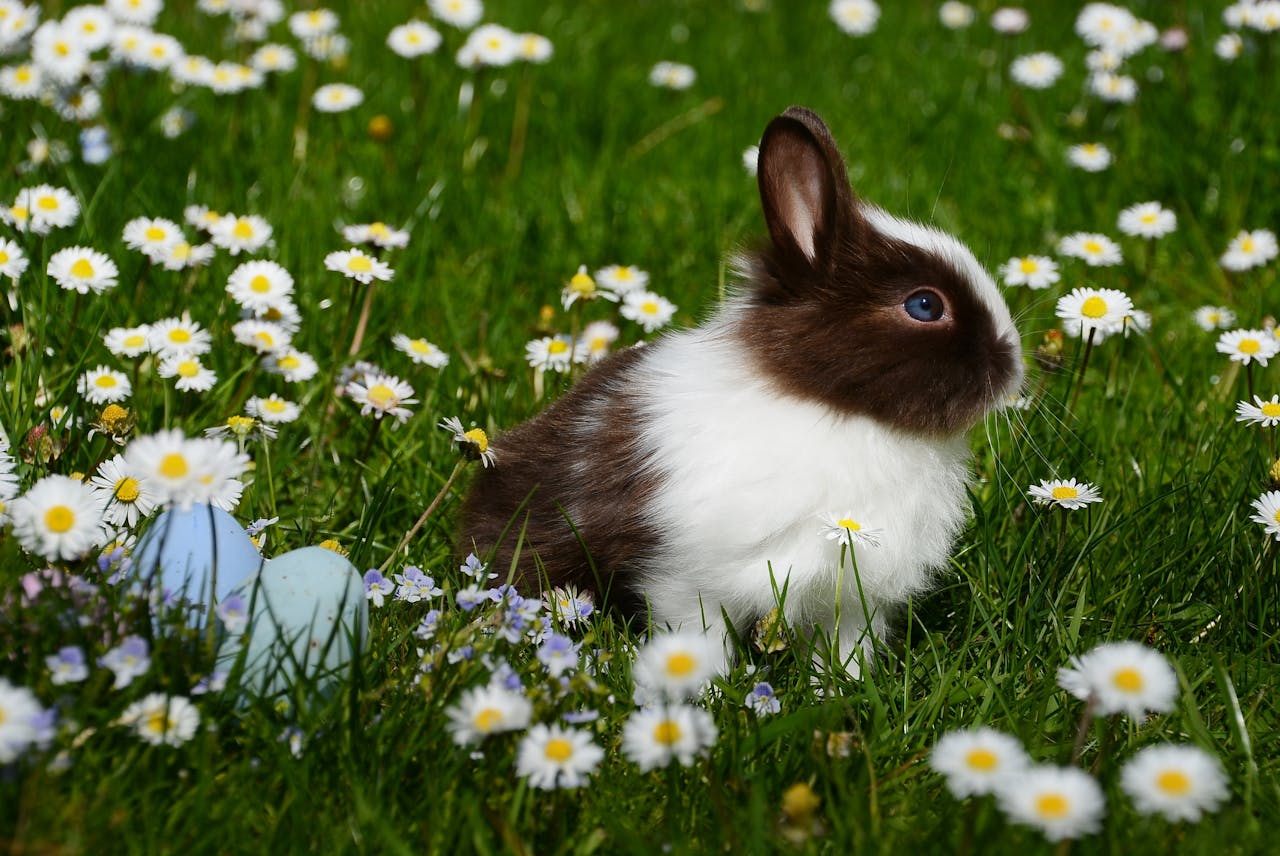
Parasitic diseases in rabbits: the commonest threats and how to prevent them
Coccidiosis, encephalitozoonosis, ear mange and cheyletiellosis are the parasitic diseases pet rabbits meet most often, and they can go unnoticed for a long time. We explain how they are diagnosed in the laboratory, how they are treated, and which hygiene, quarantine and feeding rules keep infection at bay.
-

How to protect your dog’s paws in winter
Frost, ice and road salt leave a dog's pads irritated, cracked and sometimes frostbitten every winter. We explain how to pick a route and a protective wax before the walk, how to rinse and dry the paws properly once you are home, and which signs mean it is time to call the veterinary clinic.
-

Horner’s syndrome in dogs and cats: signs, causes, diagnosis and treatment
A drooping eyelid, a smaller pupil and a visible third eyelid on one side add up to Horner's syndrome. It is not painful in itself and does not harm sight, but it often signals another, more serious condition underneath. We explain the causes, the diagnostic steps, the pharmacological tests and the treatment options.
Which pet should you choose for your child? A practical guide for parents
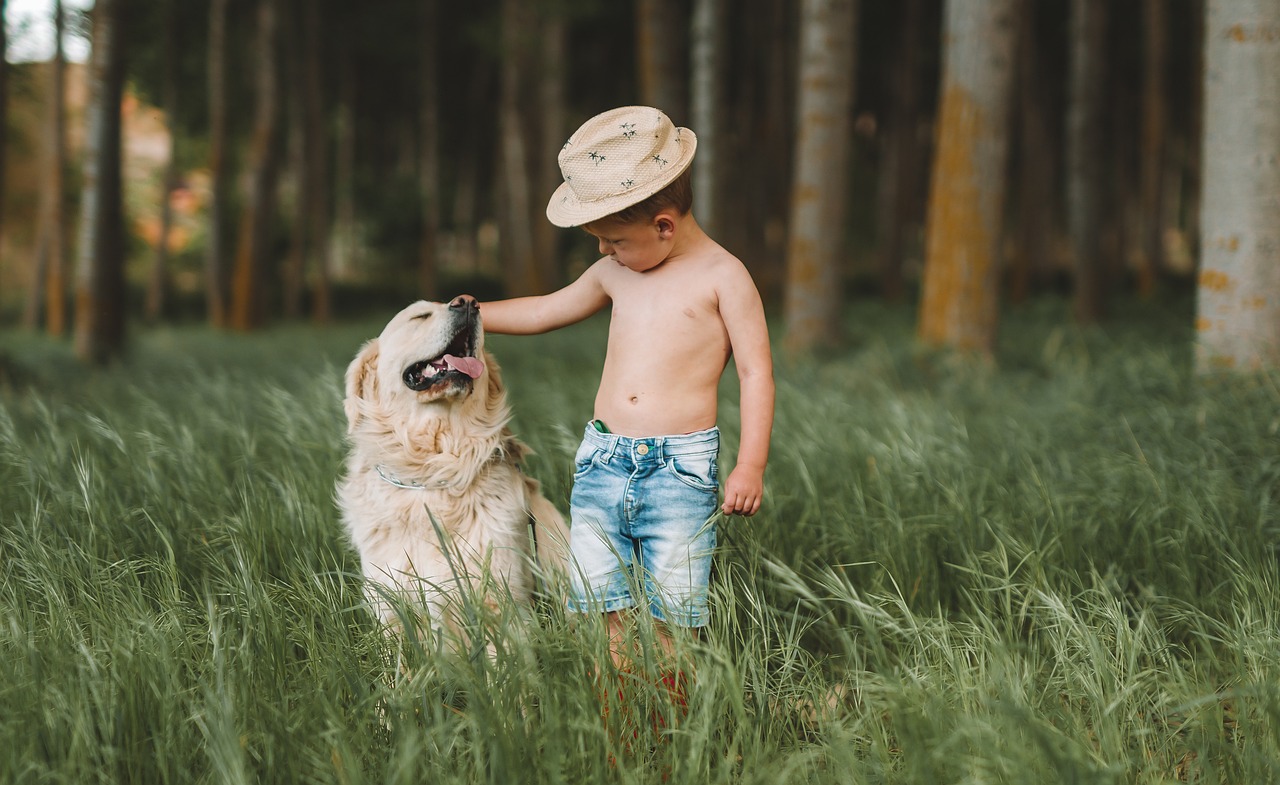
Have you ever wondered what a child gains from having a pet at home? It is not only a source of joy and fun but also an important part of a young person’s emotional and social development. Animals teach children empathy and responsibility, helping them understand the needs of other living beings. Looking after a pet is an excellent opportunity to learn consistency and care for others. What is more, having an animal in the house can be genuinely therapeutic, particularly for shy children or those on the autism spectrum. Time spent with a four-legged companion can build confidence and make it easier to connect with other children. Read on for a closer look at all the benefits of a child having a pet.
The benefits of a child having a pet
A pet is not only a source of joy for a child but also an important support for their emotional and social development. Animals teach children empathy, because they require an understanding of their needs and feelings. As a child cares for a pet, they begin to see that every living creature has its own needs and emotions. It is an excellent lesson in responsibility – feeding, cleaning up and playing with an animal are duties that teach consistency and care for others. Animals can also play a therapeutic role, particularly for shy children or those on the autism spectrum. Having a four-legged friend around can lend courage and confidence and make it easier to connect with other children.
It is worth stressing that contact with animals brings benefits to children of every age.
Animals also help children manage their emotions – stroking a cat or walking a dog can be calming and takes the edge off stress. This helps children recognise their own feelings and handle them in a healthy way. Time spent together with a pet is also a wonderful way to strengthen family bonds, since the whole household can get involved in caring for its newest member.
Which pet should you choose for your child?
Choosing the right pet for a child is a decision that deserves careful thought. Every animal has its own particular needs and care requirements. Dogs are often chosen as a child’s first pet thanks to their sociable nature and their ability to form strong bonds with the family. Do bear in mind, though, that dogs need regular walks, proper training and plenty of attention. If you live in a large house with a garden, bigger breeds such as the golden retriever may be an ideal choice. In a smaller flat, smaller breeds such as the English bulldog will do better.
Cats are an excellent option for families who prefer a more independent animal. Cats do not need walking, but they do need a clean litter tray and somewhere to rest. They suit children who enjoy quiet company. For anyone looking for something smaller, hamsters and guinea pigs can be a great choice. Hamsters are solitary and nocturnal, which is worth keeping in mind. Guinea pigs, by contrast, are more sociable and are happiest in pairs. If your child is drawn to the underwater world, aquarium fish can bring a great deal of pleasure and teach responsibility through the regular care an aquarium demands.
Can a child look after a pet on their own?
Children often say they would love a pet of their own, but it is worth remembering that the main responsibility for its care rests with the parents. Children can of course share in the daily duties that come with an animal, and that is an excellent way to learn empathy and responsibility. It is the adults, however, who must make sure all the animal’s needs are met. Depending on the child’s age and maturity, various tasks can be handed over:
Even so, remember that however involved a child is in caring for a pet, parents should keep an eye on things and be ready to step in when needed. Animals are living creatures that require constant attention and care. That is why it matters that the whole family understands its responsibilities and looks after the wellbeing of its new member together. That way both child and animal can enjoy each other’s company safely and happily.
Pets and allergies in children
Many children dream of having a pet, but for some it is a challenge because of allergies. Allergies to animal hair, from dogs or cats, are fairly common and can produce a range of symptoms, from mild to thoroughly troublesome. It is worth knowing that allergens are not confined to the coat – they are also present in an animal’s saliva and skin flakes. For parents of children with allergies, the key is finding solutions that allow the family to enjoy an animal’s company without any risk to health. Here are a few alternatives:
For those who would still like a dog or a cat, some breeds are less likely to trigger allergies. Among dogs, poodles and schnauzers are worth considering, as they have hair rather than fur. Among cats, breeds such as the Siberian and the Norwegian forest cat are known for producing fewer allergens. Before making a decision, however, it is important to consult a doctor and have allergy testing done.
Getting your home ready for a new pet
Preparing the house for a new pet is an important stage that will keep the animal comfortable and safe. Above all, set aside a space where it can feel at ease. Choose a spot that will be its retreat – a corner of the living room, perhaps, or a room prepared especially for it. Make sure it is free of anything dangerous and easy for everyone in the household to reach. Buying the essentials is the next important step. Depending on the type of animal, these may include:
Before the new member of the family arrives, it is worth talking through the duties of caring for it with everyone at home. Each person should know what falls to them – from feeding to cleaning up or taking the dog out. That avoids misunderstandings and ensures the animal is properly looked after. Remember that a pet is a shared responsibility, and a well-organised division of duties makes daily life with a new companion far easier.
Summary
A pet is not only a source of joy for a child but also an important support for their emotional and social development. Animals teach children empathy, because they require an understanding of their needs and feelings. Caring for a pet is an excellent lesson in responsibility – feeding, cleaning up and playing with an animal teach consistency and care for others. Animals can also play a therapeutic role, particularly for shy children or those on the autism spectrum, giving them courage and confidence and making it easier to form relationships with other children.
Contact with animals brings many benefits to children of every age. For the youngest, a dog or a cat can become a first friend; for older children, looking after a pet is a chance to learn to plan and organise their time. Animals also help children manage their emotions – stroking a cat or walking a dog is calming and takes the edge off stress. Time spent together with a pet is also a wonderful way to strengthen family bonds, since the whole household can get involved in caring for its newest member.
Frequently asked questions
What are the most common mistakes parents make when choosing a pet for their child?
Many parents choose a pet on impulse, without considering the long-term commitment its care involves. They also often forget to take the family’s lifestyle and the amount of space at home into account, which can leave the animal struggling to settle in. It is important to think the decision through carefully and make sure the chosen animal suits your home and the time your family can realistically give it.
Are there animals that can help children with emotional difficulties?
Yes, some animals have therapeutic qualities and can support children with emotional difficulties. Therapy dogs are often used in work with children with autism or ADHD, helping them form relationships and reducing stress. Cats too can have a calming effect thanks to their placid disposition.
What are the health benefits for a child of having a pet?
Having a pet can bring a child many health benefits. Regular walks with a dog encourage physical activity, which is good for the heart and general fitness. Contact with animals may also strengthen a child’s immune system and reduce stress by lowering cortisol levels.
Are some dog or cat breeds better suited to families with young children?
Yes, some dog and cat breeds are friendlier towards families with young children. Among dogs, labrador retrievers and beagles are worth considering, as they are known for their patience and gentle nature. Among cats, breeds such as the ragdoll and the maine coon are often recommended for their sociable, easy-going temperament.
How can you prepare a child for the arrival of a new pet?
Before a new pet arrives, talk to your child about the duties that come with caring for an animal. You could also visit a shelter or a breeder so that the child can see what day-to-day animal care looks like. It is equally important to teach the child to handle the animal gently and respect its space.
Can children learn responsibility by looking after plants instead of animals?
Yes, caring for plants can be an excellent introduction to responsibility before taking on a pet. Children learn to water regularly, watch a plant grow and attend to its needs. It is a great way to build consistency and care for other living things.