Contact us Make an appointment

How to Make a Vet Visit Stress-Free: A Guide for Responsible Pet Owners

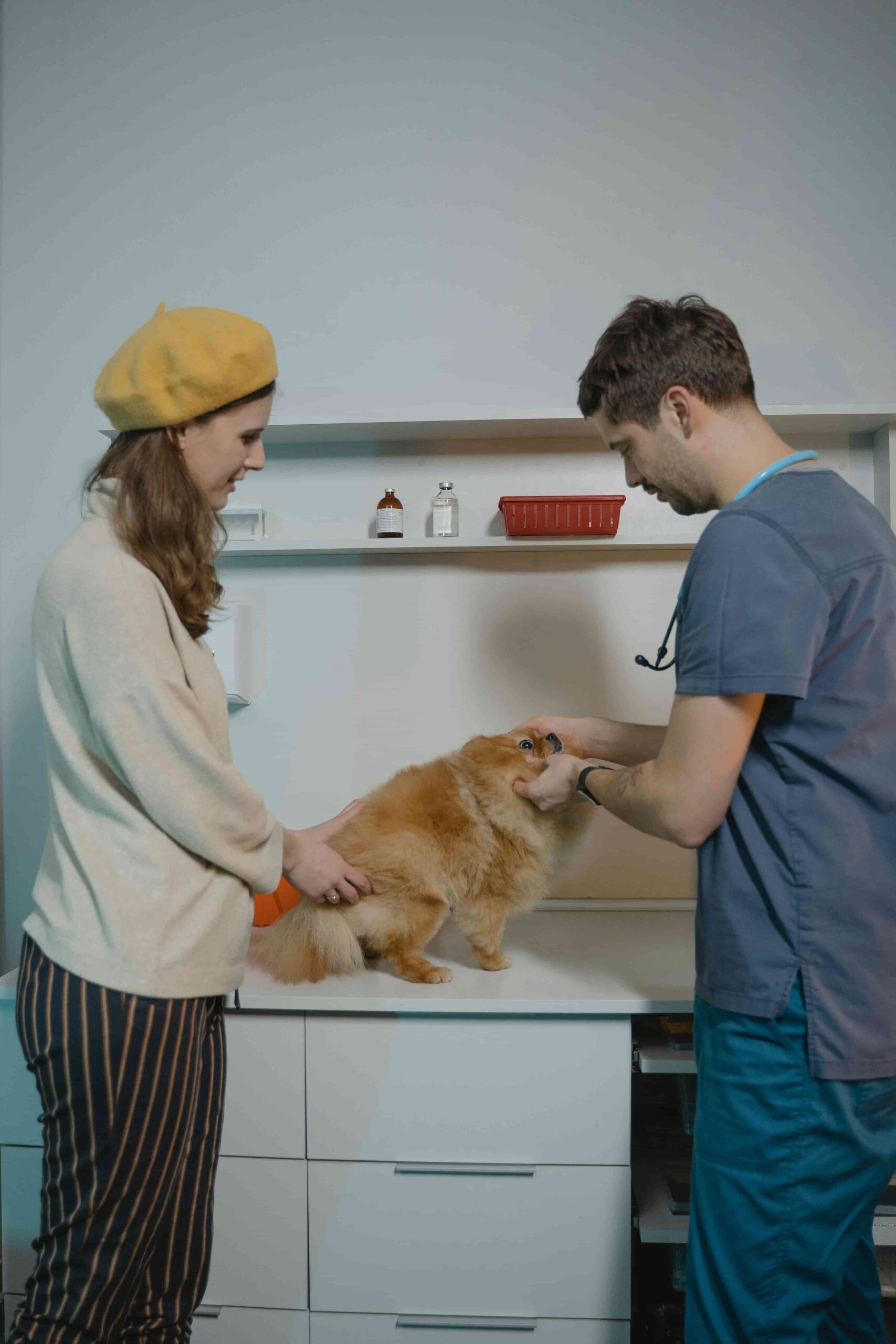
A visit to the vet is a key part of looking after the health of our four-legged friends. Whether it is a routine check-up, a vaccination or an urgent consultation, proper preparation, of both the pet and the owner, plays an important role in keeping the visit comfortable and safe. A well-conducted consultation not only provides valuable information about your animal’s health, but also builds positive experiences that help reduce stress at future appointments.

What to bring to the vet

  1. Your pet’s medical history: Make sure you have an up-to-date record of your pet’s health. It should include details of previous vaccinations, past illnesses, operations and allergies. This will give the vet a clear picture of your animal’s health.
  2. Vaccination records and documents: If you have paper or electronic vaccination records (such as a pet health booklet or passport), bring them along. This matters especially for visits linked to legal requirements, such as moving to a new area or travelling with your pet.
  3. Medication: If your animal is taking any medication, be sure to bring it with you. It is also worth packing the original packaging with the labels, so the vet can check the dosage and ingredients. If you have them, bring any recent test results too, as they may help with diagnosis.
  4. Collar and lead: For dogs, remember a sturdy lead and collar to keep them safe during the visit. For cats, bring a carrier so your pet can travel to the clinic in comfort.
  5. Food and treats: An excellent idea, particularly for animals that may feel anxious. Bring their favourite treats: they will not only make the wait more pleasant, but can also be used during the examination as rewards for good behaviour.
  6. A toy or blanket: Familiar items can help an animal feel more secure. A toy or blanket that carries a familiar scent can reduce stress and improve your pet’s mood during the visit.

How to prepare your pet for a vet visit

To make the vet visit as comfortable as possible for your pet, it is worth taking a few preparatory steps. First of all, a few days before the appointment, introduce your animal to the carrier or lead you will be using for the journey. Let them explore these items to minimise any stress their presence might cause. You can also get your pet used to going into the carrier by rewarding them with treats, which helps build positive associations. 

On the day of the visit, it is important to stay calm, because an owner’s emotions easily rub off on the animal. Try not to show any nervousness; instead, speak to your pet in a gentle tone to help them feel safe. A short walk before the appointment can help burn off excess energy, making it easier for them to settle in the carrier or the waiting room. Try to keep the day of the visit as normal as possible for your pet, and avoid anything that might make them associate it with something negative, as that could affect how they feel and behave at the clinic. These simple steps will prepare your pet for the visit and make both the journey and the examination itself much more comfortable.

How to behave during the vet visit

During the visit, it is essential that the owner stays calm and confident, as this helps keep the animal in a settled emotional state. Try to speak to your pet in a soft, soothing voice, praising them for every positive interaction with the vet. While waiting, avoid fidgeting and nervous behaviour; instead, focus on your pet to help lower their stress. If possible, keep them close to you so they feel safe. Once the vet begins the examination, take an active part: ask questions if anything is unclear and pass on any relevant information about your pet’s behaviour and symptoms. Remember not to press down on your pet or hold them too tightly; a gentle hold is better, as it avoids adding to their stress. After the examination, you can reward your animal with a treat or a short play session, which creates positive associations with the visit. Your calm, positive attitude can make a real difference to how your pet feels, making the trip to the vet less stressful for everyone involved.

Keeping an eye on your pet after the visit

Watching your pet after a vet visit is extremely important to make sure they are feeling well and that no worrying symptoms appear. Once you are home, give your animal time to rest, as they may be tired after a stressful trip. Pay attention to their behaviour; keep an eye on their energy levels, appetite and general mood. If your pet is sluggish, refuses food or drinks water in an unusual way, this may be a sign that they need extra attention or treatment.

Also look out for physical signs, such as:

  • Coat: Check that the fur is not dull or unpleasant to the touch.
  • After procedures: If the vet carried out a procedure or took a blood sample, watch the area around the wound (if there is one) for swelling, redness or discharge.
  • Breathing: Make sure breathing is even and calm. Rapid breathing or coughing may require an immediate consultation.
  • Bowel movements: Check the stools to make sure they are healthy (normal consistency and colour). Changes in how often your pet goes may be a sign of problems.
  • Behaviour: Notice how your pet interacts with you and other members of the household. If they suddenly become withdrawn, aggressive or fearful, it may indicate discomfort or pain.

Winter Health Hazards for Pets: How to Prepare Your Pet for the Cold

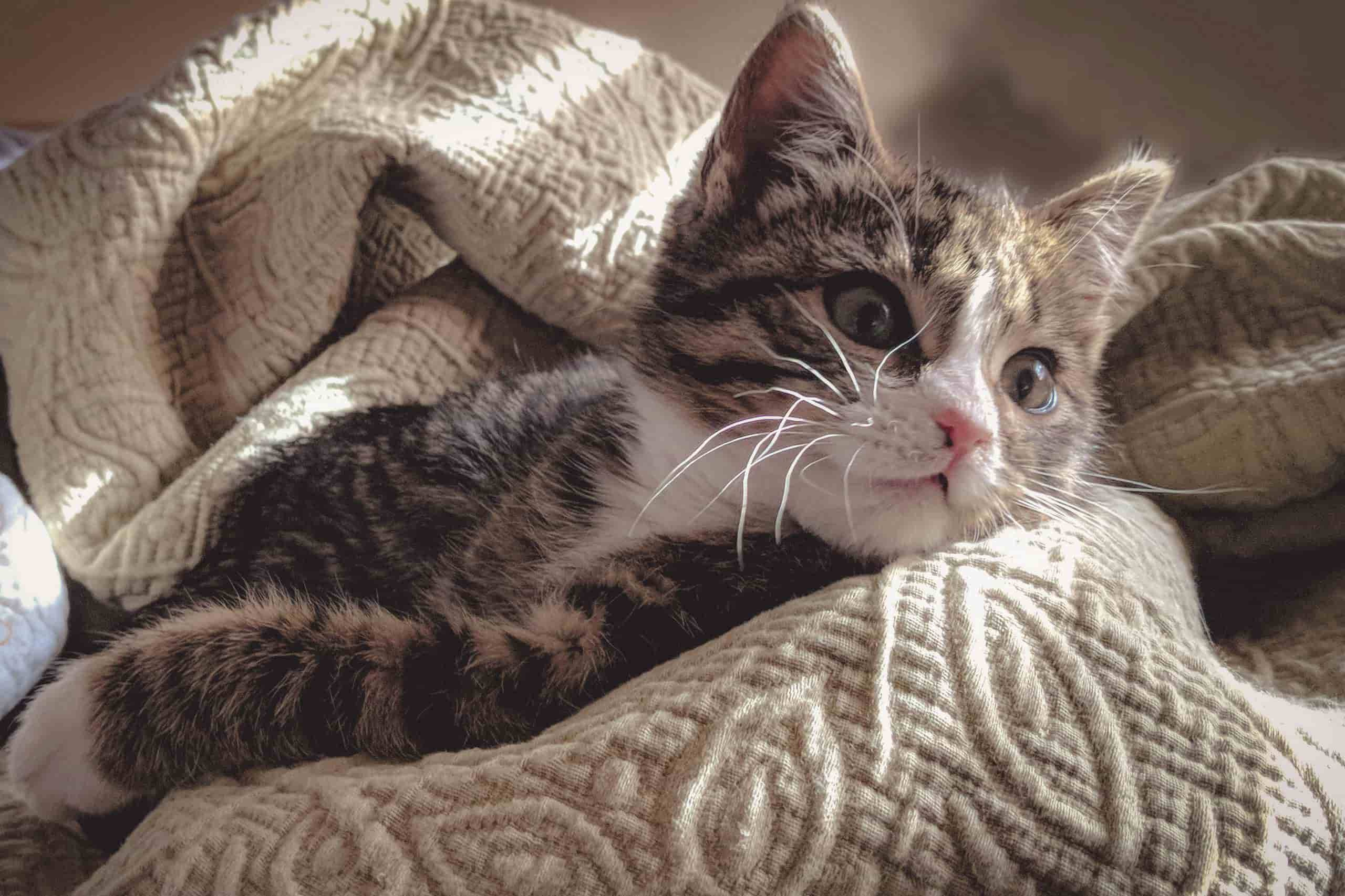
Winter is a season that brings plenty of joy, but for our four-legged friends it can also carry serious health risks. It helps to understand which illnesses animals are exposed to at this time of year and what you can do to keep them safe and comfortable.

Illnesses and health hazards

  • Colds and upper respiratory infections

In winter, dogs and cats are prone to colds and upper respiratory infections because low temperatures and higher humidity weaken their immune systems. Animals crowded together indoors make it easier for viruses to spread, while a lack of exercise and sudden temperature changes can further raise the risk of illness. On top of that, a poor diet and inadequate hydration weaken the body and make pets more susceptible to infection during the winter months.

What are the first signs?

The first signs of a cold in dogs and cats may include sneezing, coughing, a reduced appetite and a runny nose. Dogs often show changes in behaviour too, such as lethargy and weakness, while cats may tend to withdraw from other animals. As the illness progresses, breathing difficulties may develop, which call for immediate veterinary attention.

How is it treated?

Treatment of an upper respiratory infection depends on its severity and cause. In mild cases, it is enough to keep the animal comfortable, with a warm, quiet place to rest and a suitable diet. A humidifier can help ease symptoms by moistening the mucous membranes. Vets may prescribe antihistamines or anti-inflammatory drugs, and antibiotics may also help in the case of bacterial infections. Preventing further infection is another key part of treatment, so limit contact with other animals until your pet has fully recovered.

  • Hypothermia

Hypothermia, a drop in body temperature below normal (in dogs and cats it is usually 38–39°C), is a serious, life-threatening condition that can affect animals on cold days. One of the main causes is prolonged exposure to low temperatures, especially combined with wind and damp. Short-haired dogs and cats, young and elderly animals, and those with chronic conditions are particularly likely to lose body heat quickly. Additional risk factors include wet fur, which loses its insulating properties, and long periods spent out in the cold.

What are the first signs?

At first, animals may become listless and less active, shiver, and have paws that feel cold to the touch. As the condition worsens, breathing difficulties, a slowed heart rate, lethargy and weakness may appear. In more advanced stages, animals may lose coordination and their reactions may slow, which can lead to loss of consciousness.

How is it treated?

Hypothermia must be treated as quickly as possible and under veterinary supervision. Initial steps include moving the animal to a warm place, drying them off and gradually warming their body. If you notice signs of hypothermia, it is vital to contact a veterinarian as soon as possible and avoid home warming methods, which can do more harm than good. Proper intervention and quick action can save your pet’s life!!!

  • Burns and frostbite

Paws are especially vulnerable to frostbite, as they come into direct contact with very cold ground. Snow, ice and road salt can cause irritation and damage to the skin. It is important to check your pet’s paws after walks and dry them thoroughly. Severe frostbite requires veterinary treatment.

  • Poisoning

In winter, streets are often treated with de-icing agents such as road salt and chemical products which, although effective at preventing ice, can be extremely hazardous to the health of dogs and cats. Close contact with salt can poison an animal, producing a range of serious symptoms. The main chemicals involved, such as sodium, magnesium and calcium chloride, enter the body through the paws, where they can cause irritation and chemical burns to the skin. Animals often lick their paws to relieve the discomfort, which can lead to them ingesting these toxic substances.

What are the signs of poisoning?

The signs of poisoning by salt and other de-icers vary depending on the amount and type of substance the animal has been exposed to. Early signs include excessive thirst, vomiting, diarrhoea and lethargy. As the poisoning progresses, animals may have difficulty breathing, develop seizures and lose much of their coordination. Attentive owners may also notice signs of pain and discomfort, as well as persistent attempts to lick the paws, which is a clear signal that something is wrong.

What should you do?

If signs of poisoning appear, it is crucial to consult a veterinarian as soon as possible. The vet may recommend gastric lavage or appropriate medication to relieve the symptoms and help the body eliminate the harmful substances.

Winter is a time when taking extra care of our pets’ health and safety really matters. Here are the key preventive measures that will help keep dogs and cats well during the winter months:

  1. Suitable clothing: For short-haired dogs and small breeds, it is worth investing in a warm coat or jumper to help maintain a steady body temperature on walks. For some animals, particularly older or unwell ones, an extra protective layer can make a real difference.
  2. A suitable diet: An increased need for calories is normal in winter, as animals need more energy to keep warm. Make sure their diet is balanced and matched to their needs, especially for working dogs or those that are active outdoors.
  3. Regular walks: Despite the winter weather, regular exercise remains essential. Shorter but more frequent walks will keep your pet energetic and fit while minimising the risk of hypothermia. Always check the paws for signs of irritation when you get home.
  4. Protection from chemicals: Take particular care in areas where antifreeze products, road salt and other potentially toxic chemicals are used. Check your pet’s paws regularly after walks to remove any chemical residue that could irritate the skin.
  5. Keep them hydrated: Animals often drink less water in winter, which can lead to dehydration. Make sure they always have access to fresh, clean water. You might also consider offering wet food, which provides extra moisture.
  6. Monitor their health: Watch your pet for changes in behaviour, lethargy or signs of a cold. Spotting symptoms early makes prompt veterinary treatment possible.

Summary

Winter need not pose a threat to our pets’ health if we prepare for it properly. Knowing the risks and taking sensible precautions will allow our animals to enjoy the season in full health and good spirits. Proper prevention and keeping a close eye on your pet’s wellbeing are the keys to keeping them well through the harsh winter months. 

How to Prepare for a New Pet: A Guide for Future Pet Owners

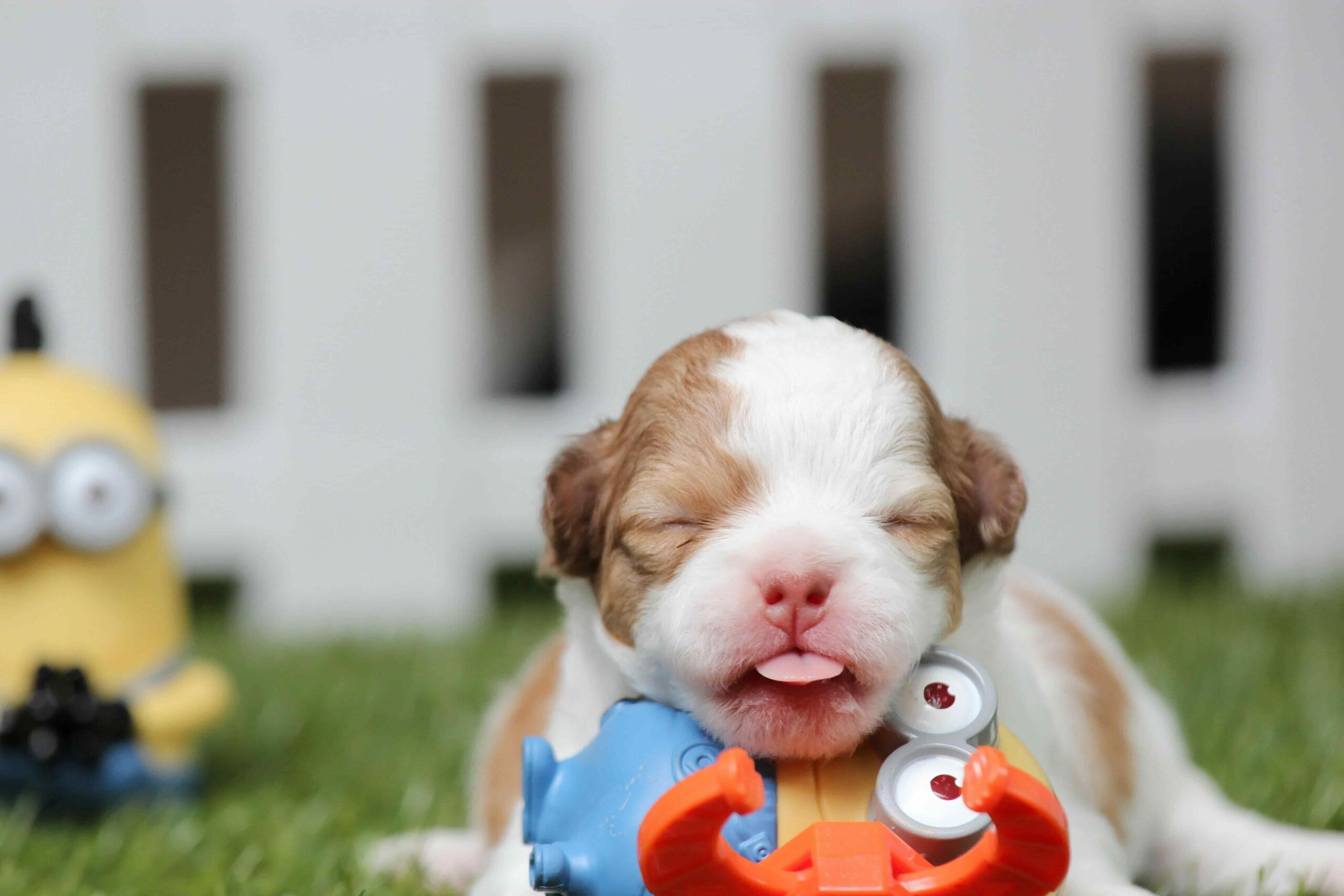
Adopting an animal is not just a lovely gesture; it is also a huge responsibility and a change in lifestyle. By choosing a new pet, you open the door to a world full of joy, love and one-of-a-kind moments you will create together. A new pet brings happiness, affection and countless unforgettable memories into our lives, but it also comes with serious obligations. So before you welcome your new friend home, it is worth thinking through a few key questions to make sure you can give them the best possible life. 

Thinking the decision through

Deciding to adopt an animal is one of those life choices that call for particularly careful thought and proper preparation. Choosing a new pet is not a spur-of-the-moment thing; it means taking responsibility for a living creature that will be part of your life for many years. That is why it is so important to spend time researching different breeds, their temperaments and their specific needs before you make a final decision.

Every breed has its own unique traits, both physical and psychological. Some dogs, such as border collies, are highly energetic and need plenty of exercise and mental stimulation, while breeds like bulldogs tend to be calmer and less active. The same goes for cats: Persians may need more grooming because of their long coats, whereas short-haired cats such as the British Shorthair are often easier to look after. Understanding these differences helps you judge whether a particular breed will suit your lifestyle.

It is also important to take an honest look at what you can offer. Do you have enough time for walks, play and interaction with your pet? Is your flat or house suited to the needs of the breed you have chosen? Bear in mind that some animals need plenty of space to run around, while others do perfectly well in smaller homes, provided they get enough activity.

 Preparing your home

Getting your home ready for a new animal is essential. Here are a few steps to take:

  • Safety: Make sure your home is safe for an animal. Remove anything hazardous, such as chemicals and small objects that could be swallowed, and secure windows and balconies.
  • A space of their own: Set up a spot where your pet can rest and feel secure. This might be a bed for a dog or a scratching post for a cat.
  • Gathering supplies: Get the essentials ready: water and food bowls, toys, leads, collars, a litter tray (if you are adopting a cat) and anything else that will make life easier for both you and your pet.

The first visit to the vet

The first vet visit after adopting an animal is a key step that belongs in every new owner’s calendar. Its purpose is not only to assess your pet’s health, but also to make sure the newest member of the family gets the care and support they need to live a healthy life. Book an appointment as soon as possible after your pet arrives, ideally within the first few days.

During the visit, it is also worth going over the animal’s medical history, if one is available. Details of previous vaccinations, deworming and any past illnesses can be extremely valuable in helping the vet work out which steps matter most for your pet’s health. If you are adopting from a shelter, staff can often provide health records, which makes this much easier.

One of the key points of the visit is setting up a vaccination and deworming schedule. Your vet will tell you which vaccinations are recommended and how often they need to be given. As a rule, they should be repeated regularly to keep your pet protected against infectious diseases. The vet will also discuss other important procedures, such as spaying or neutering, which can affect your animal’s health and behaviour.

Care and patience: helping your pet settle into a new environment

When you first welcome a new animal into your home, they should have access to a separate space where they can hide and rest. A crate, a bed or a quiet corner of a room makes an ideal first refuge and will give them a sense of security early on. This is where your pet can calmly take in new smells and sounds, and retreat to unwind whenever the new surroundings feel overwhelming.

In the beginning, it is important to avoid too much stimulation. Try not to interrupt their rest or overwhelm them with lots of people, loud noises or intense interaction. Give them time to explore their new environment at their own pace. Watch how they behave: if they seem stressed, give them a moment to calm down in their comfort zone. 

Gradually introducing daily routines will help your pet feel more confident. When they show an interest in interacting, encourage play and exploration with favourite toys or treats. For a dog, regular walks on the lead will not only help them get used to the new surroundings, but also build a bond as you discover the neighbourhood together. Try introducing them to different rooms in the house to increase their comfort and help them understand the space.

Building a positive relationship is the key to helping your pet settle in. Use positive reinforcement, rewarding the behaviour you want to encourage, such as calmly approaching you or exploring the new environment. With regular contact and a safe space of their own, you will build a bond based on trust and security.

What to know before adopting or buying a pet from a breeder

When choosing a dog, especially from a breeder, it is extremely important to check the breeder thoroughly before deciding to buy. Unfortunately, alongside legitimate breeders there are also backyard breeders and puppy farms that ignore ethical and health standards, which can lead to serious health problems in puppies and bad experiences for both the animals and their future owners. Such operations tend to focus mainly on profit and disregard animal welfare, resulting in poor living conditions, a lack of proper veterinary care and unethical breeding practices.

Before buying a dog, take the time to look closely at the breeder: ask about the conditions the animals are kept in, their health history and how they are socialised. Reputable breeders are transparent, happy to share information and documentation about their animals, and welcome prospective buyers to visit. 

Summary

Remember that adoption is a commitment for many years, and every new member of the family deserves love, care and a proper home. Only a conscious, well-considered decision will allow you to build a harmonious relationship based on trust and friendship. Before taking the final step, invest some time in learning, so that you can give your new pet a happy, healthy life by your side. After all, adopting an animal is not just a gift to them; it is a treasure for you as well.