

-
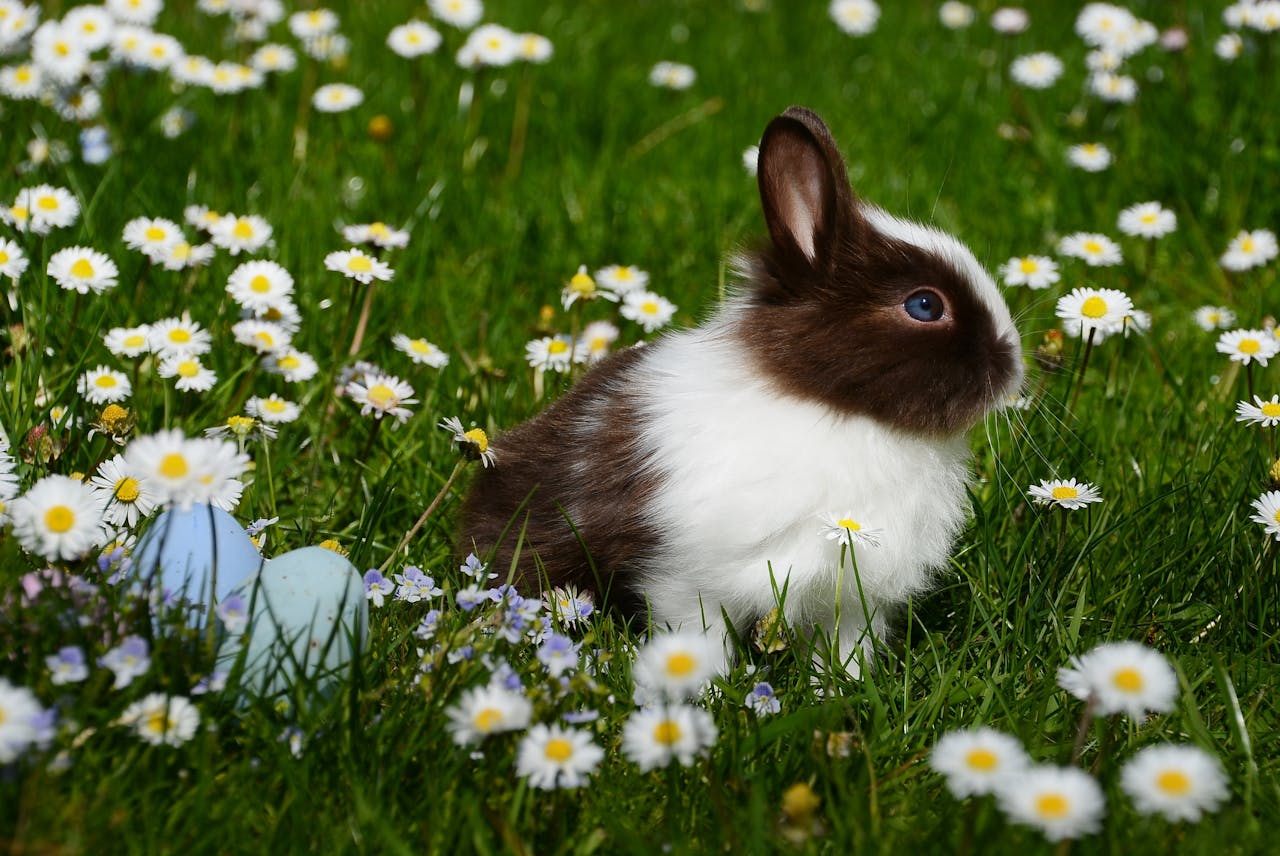
Parasitic diseases in rabbits: the commonest threats and how to prevent them
Coccidiosis, encephalitozoonosis, ear mange and cheyletiellosis are the parasitic diseases pet rabbits meet most often, and they can go unnoticed for a long time. We explain how they are diagnosed in the laboratory, how they are treated, and which hygiene, quarantine and feeding rules keep infection at bay.
-

How to protect your dog’s paws in winter
Frost, ice and road salt leave a dog's pads irritated, cracked and sometimes frostbitten every winter. We explain how to pick a route and a protective wax before the walk, how to rinse and dry the paws properly once you are home, and which signs mean it is time to call the veterinary clinic.
-

Horner’s syndrome in dogs and cats: signs, causes, diagnosis and treatment
A drooping eyelid, a smaller pupil and a visible third eyelid on one side add up to Horner's syndrome. It is not painful in itself and does not harm sight, but it often signals another, more serious condition underneath. We explain the causes, the diagnostic steps, the pharmacological tests and the treatment options.
How to Prepare for a New Pet: A Guide for Future Pet Owners
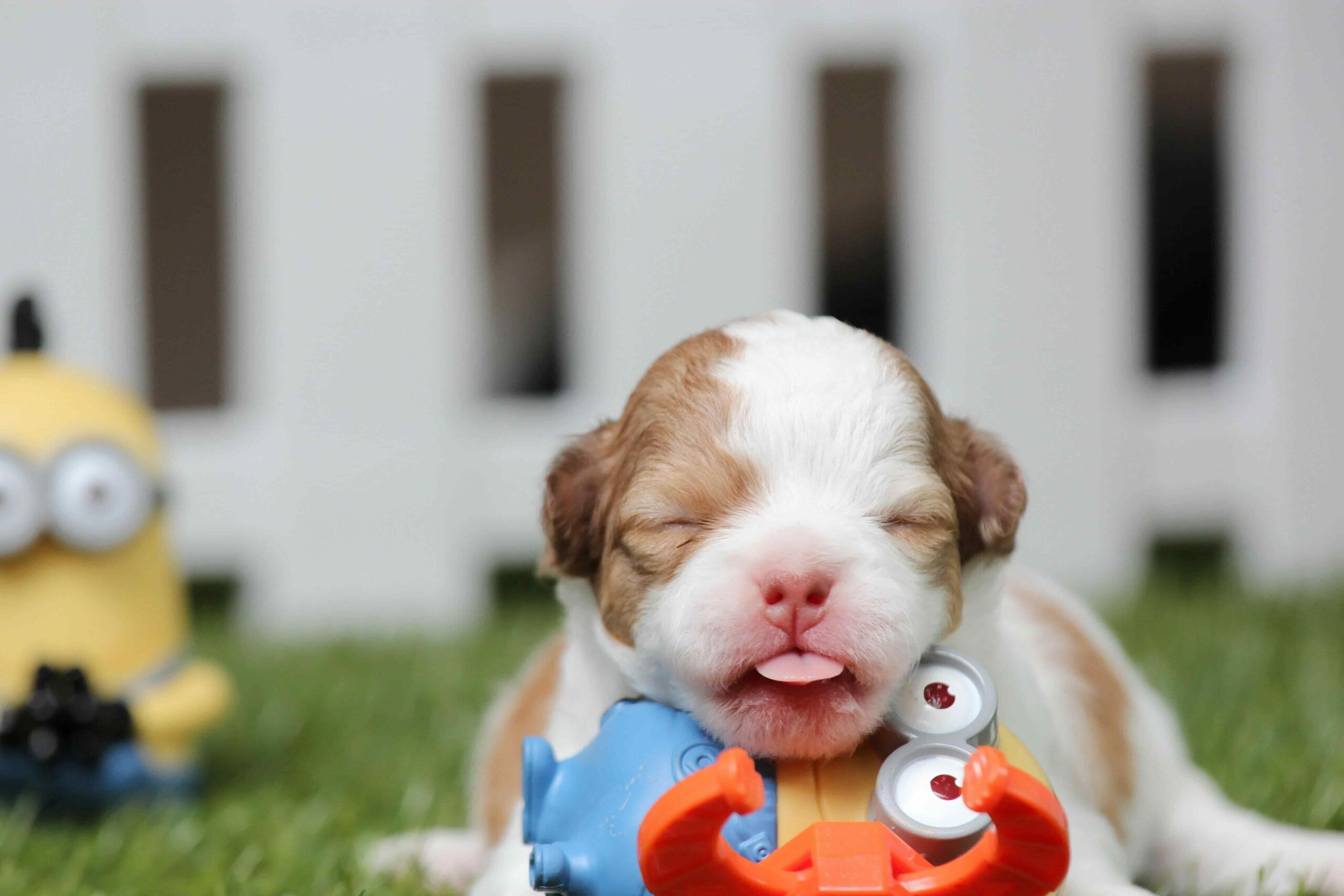
Adopting an animal is not just a lovely gesture; it is also a huge responsibility and a change in lifestyle. By choosing a new pet, you open the door to a world full of joy, love and one-of-a-kind moments you will create together. A new pet brings happiness, affection and countless unforgettable memories into our lives, but it also comes with serious obligations. So before you welcome your new friend home, it is worth thinking through a few key questions to make sure you can give them the best possible life.
Thinking the decision through
Deciding to adopt an animal is one of those life choices that call for particularly careful thought and proper preparation. Choosing a new pet is not a spur-of-the-moment thing; it means taking responsibility for a living creature that will be part of your life for many years. That is why it is so important to spend time researching different breeds, their temperaments and their specific needs before you make a final decision.
Every breed has its own unique traits, both physical and psychological. Some dogs, such as border collies, are highly energetic and need plenty of exercise and mental stimulation, while breeds like bulldogs tend to be calmer and less active. The same goes for cats: Persians may need more grooming because of their long coats, whereas short-haired cats such as the British Shorthair are often easier to look after. Understanding these differences helps you judge whether a particular breed will suit your lifestyle.
It is also important to take an honest look at what you can offer. Do you have enough time for walks, play and interaction with your pet? Is your flat or house suited to the needs of the breed you have chosen? Bear in mind that some animals need plenty of space to run around, while others do perfectly well in smaller homes, provided they get enough activity.
Preparing your home
Getting your home ready for a new animal is essential. Here are a few steps to take:
The first visit to the vet
The first vet visit after adopting an animal is a key step that belongs in every new owner’s calendar. Its purpose is not only to assess your pet’s health, but also to make sure the newest member of the family gets the care and support they need to live a healthy life. Book an appointment as soon as possible after your pet arrives, ideally within the first few days.
During the visit, it is also worth going over the animal’s medical history, if one is available. Details of previous vaccinations, deworming and any past illnesses can be extremely valuable in helping the vet work out which steps matter most for your pet’s health. If you are adopting from a shelter, staff can often provide health records, which makes this much easier.
One of the key points of the visit is setting up a vaccination and deworming schedule. Your vet will tell you which vaccinations are recommended and how often they need to be given. As a rule, they should be repeated regularly to keep your pet protected against infectious diseases. The vet will also discuss other important procedures, such as spaying or neutering, which can affect your animal’s health and behaviour.
Care and patience: helping your pet settle into a new environment
When you first welcome a new animal into your home, they should have access to a separate space where they can hide and rest. A crate, a bed or a quiet corner of a room makes an ideal first refuge and will give them a sense of security early on. This is where your pet can calmly take in new smells and sounds, and retreat to unwind whenever the new surroundings feel overwhelming.
In the beginning, it is important to avoid too much stimulation. Try not to interrupt their rest or overwhelm them with lots of people, loud noises or intense interaction. Give them time to explore their new environment at their own pace. Watch how they behave: if they seem stressed, give them a moment to calm down in their comfort zone.
Gradually introducing daily routines will help your pet feel more confident. When they show an interest in interacting, encourage play and exploration with favourite toys or treats. For a dog, regular walks on the lead will not only help them get used to the new surroundings, but also build a bond as you discover the neighbourhood together. Try introducing them to different rooms in the house to increase their comfort and help them understand the space.
Building a positive relationship is the key to helping your pet settle in. Use positive reinforcement, rewarding the behaviour you want to encourage, such as calmly approaching you or exploring the new environment. With regular contact and a safe space of their own, you will build a bond based on trust and security.
What to know before adopting or buying a pet from a breeder
When choosing a dog, especially from a breeder, it is extremely important to check the breeder thoroughly before deciding to buy. Unfortunately, alongside legitimate breeders there are also backyard breeders and puppy farms that ignore ethical and health standards, which can lead to serious health problems in puppies and bad experiences for both the animals and their future owners. Such operations tend to focus mainly on profit and disregard animal welfare, resulting in poor living conditions, a lack of proper veterinary care and unethical breeding practices.
Before buying a dog, take the time to look closely at the breeder: ask about the conditions the animals are kept in, their health history and how they are socialised. Reputable breeders are transparent, happy to share information and documentation about their animals, and welcome prospective buyers to visit.
Summary
Remember that adoption is a commitment for many years, and every new member of the family deserves love, care and a proper home. Only a conscious, well-considered decision will allow you to build a harmonious relationship based on trust and friendship. Before taking the final step, invest some time in learning, so that you can give your new pet a happy, healthy life by your side. After all, adopting an animal is not just a gift to them; it is a treasure for you as well.