

-
Parasitic diseases in rabbits: the commonest threats and how to prevent them
Coccidiosis, encephalitozoonosis, ear mange and cheyletiellosis are the parasitic diseases pet rabbits meet most often, and they can go unnoticed for a long time. We explain how they are diagnosed in the laboratory, how they are treated, and which hygiene, quarantine and feeding rules keep infection at bay.
-
How to protect your dog’s paws in winter
Frost, ice and road salt leave a dog's pads irritated, cracked and sometimes frostbitten every winter. We explain how to pick a route and a protective wax before the walk, how to rinse and dry the paws properly once you are home, and which signs mean it is time to call the veterinary clinic.
-
Horner’s syndrome in dogs and cats: signs, causes, diagnosis and treatment
A drooping eyelid, a smaller pupil and a visible third eyelid on one side add up to Horner's syndrome. It is not painful in itself and does not harm sight, but it often signals another, more serious condition underneath. We explain the causes, the diagnostic steps, the pharmacological tests and the treatment options.
How to Make a Vet Visit Stress-Free: A Guide for Responsible Pet Owners
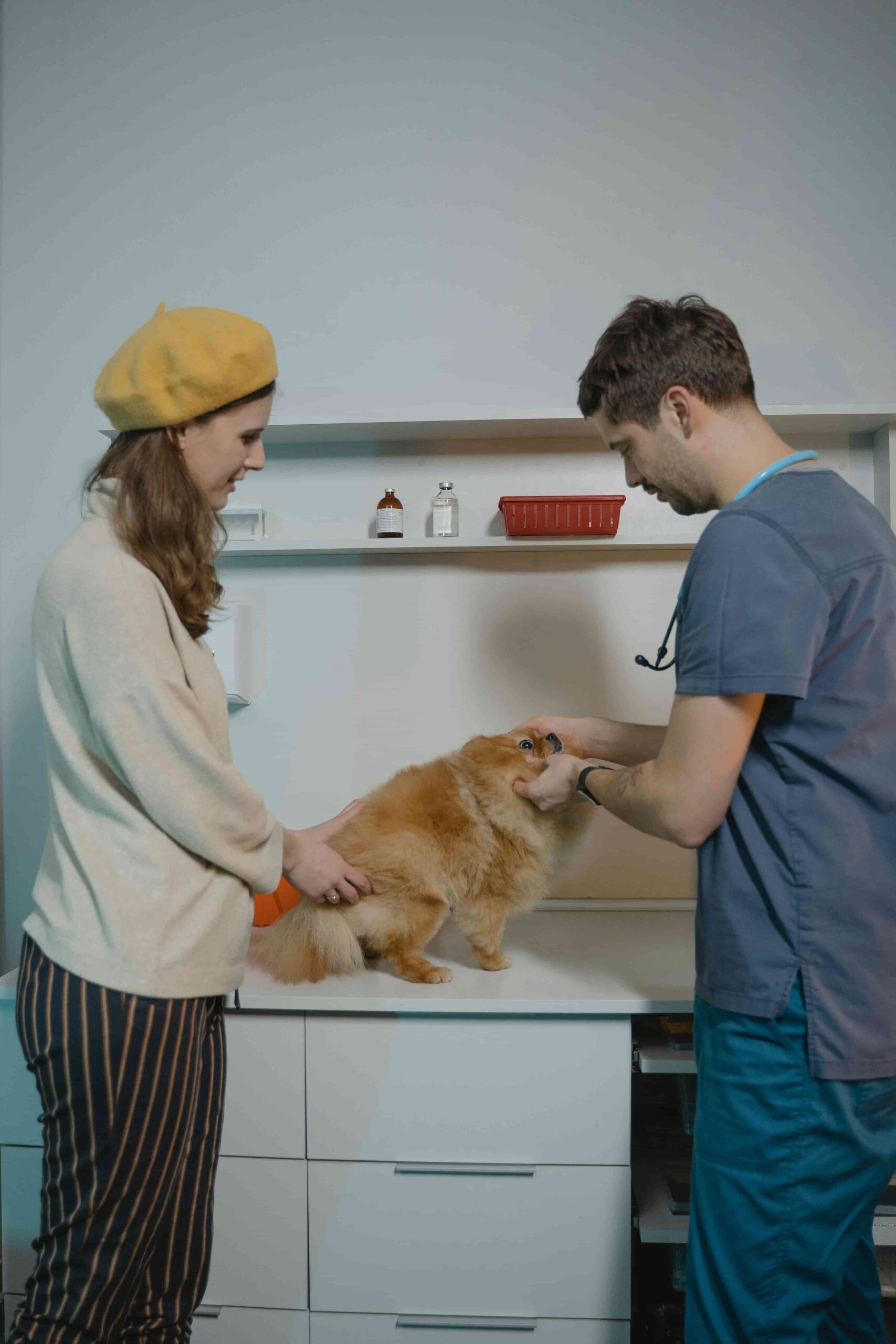
A visit to the vet is a key part of looking after the health of our four-legged friends. Whether it is a routine check-up, a vaccination or an urgent consultation, proper preparation, of both the pet and the owner, plays an important role in keeping the visit comfortable and safe. A well-conducted consultation not only provides valuable information about your animal’s health, but also builds positive experiences that help reduce stress at future appointments.
What to bring to the vet
How to prepare your pet for a vet visit
To make the vet visit as comfortable as possible for your pet, it is worth taking a few preparatory steps. First of all, a few days before the appointment, introduce your animal to the carrier or lead you will be using for the journey. Let them explore these items to minimise any stress their presence might cause. You can also get your pet used to going into the carrier by rewarding them with treats, which helps build positive associations.
On the day of the visit, it is important to stay calm, because an owner’s emotions easily rub off on the animal. Try not to show any nervousness; instead, speak to your pet in a gentle tone to help them feel safe. A short walk before the appointment can help burn off excess energy, making it easier for them to settle in the carrier or the waiting room. Try to keep the day of the visit as normal as possible for your pet, and avoid anything that might make them associate it with something negative, as that could affect how they feel and behave at the clinic. These simple steps will prepare your pet for the visit and make both the journey and the examination itself much more comfortable.
How to behave during the vet visit
During the visit, it is essential that the owner stays calm and confident, as this helps keep the animal in a settled emotional state. Try to speak to your pet in a soft, soothing voice, praising them for every positive interaction with the vet. While waiting, avoid fidgeting and nervous behaviour; instead, focus on your pet to help lower their stress. If possible, keep them close to you so they feel safe. Once the vet begins the examination, take an active part: ask questions if anything is unclear and pass on any relevant information about your pet’s behaviour and symptoms. Remember not to press down on your pet or hold them too tightly; a gentle hold is better, as it avoids adding to their stress. After the examination, you can reward your animal with a treat or a short play session, which creates positive associations with the visit. Your calm, positive attitude can make a real difference to how your pet feels, making the trip to the vet less stressful for everyone involved.
Keeping an eye on your pet after the visit
Watching your pet after a vet visit is extremely important to make sure they are feeling well and that no worrying symptoms appear. Once you are home, give your animal time to rest, as they may be tired after a stressful trip. Pay attention to their behaviour; keep an eye on their energy levels, appetite and general mood. If your pet is sluggish, refuses food or drinks water in an unusual way, this may be a sign that they need extra attention or treatment.
Also look out for physical signs, such as: