Contact us Make an appointment

Orthopaedic Treatment: The Most Common Injuries in Dogs and Cats

Veterinary orthopaedics is an important branch of medicine concerned with diagnosing and treating injuries and disorders of the musculoskeletal system in our four-legged friends. Like people, dogs and cats can suffer a variety of injuries that affect their health and quality of life. In this article we discuss the most common orthopaedic injuries, their causes and the treatments available. This knowledge is extremely valuable for pet owners, helping them better understand their pets’ needs in terms of health and rehabilitation.

The most common orthopaedic injuries

Many owners wonder which orthopaedic injuries are most common in dogs and cats. Here are some of those seen most often:

  • Fractures – broken bones are among the most common injuries. They can result from accidents such as falls, blows from other animals or any kind of intense physical activity. Fractures may be open, where the bone breaks through the skin, or closed, where the skin remains intact. Depending on the severity of the fracture, immobilisation in a cast or surgery may be required.
  • Sprains and strains – joint sprains, such as a sprained hock, and muscle strains are common, particularly in active dogs. They can be caused by excessive loading, intense exertion or sudden changes of direction during play. Rest, cold compresses and pain relief are the standard treatments for these injuries.
  • Joint disease – joints are essential for normal movement, and joint conditions such as arthritis can lead to chronic pain and reduced mobility. Symptoms such as stiffness, difficulty getting up and avoiding activity should be a cause for concern. Treatment often includes anti-inflammatory drugs, dietary supplements and supportive therapies such as physiotherapy.
  • Hip dysplasia – this genetic condition is particularly common in large dog breeds and involves abnormal development of the hip joint, leading to pain and restricted movement. Early diagnosis is key to successful treatment, which may include medication, rehabilitation and surgery.

How to recognise an orthopaedic injury: symptoms to watch for

Recognising an orthopaedic injury in a dog or cat can be crucial for prompt intervention and effective treatment. The first signs that should put us on alert are noticeable changes in the animal’s behaviour. After an injury, animals may become less active, avoid jumping or running, and lie down more often. An important sign is lameness: a noticeable difficulty in moving that may affect one or more limbs. Animals often try to take the weight off a painful limb, which can change their posture. Other symptoms include vocalising, such as whimpering or barking, especially when moving or when the injured area is touched. Further signs are swelling, redness or warmth around the injury, and reluctance to be touched there. Where joints are concerned, look out for restricted movement, stiffness and sometimes visible discomfort when the limbs are extended or flexed. 

What to do if you suspect an orthopaedic injury in your dog or cat?

When we notice signs of an orthopaedic injury in our pet, it is important to act promptly to keep the animal comfortable and safe. 

First of all, restrict the animal’s activity to avoid making the injury worse. Keeping your pet calm while it is transported to the vet is essential; you can limit its movement with a carrier or a lead. Whether the injury is fresh or not, never dismiss the symptoms: the sooner help is obtained, the better the chances of successful treatment.

At the vet’s, the animal will be thoroughly assessed, with a physical examination and, if necessary, diagnostic imaging such as X-rays. The vet will determine the type of injury and propose appropriate treatment, which may be conservative or surgical depending on how serious the condition is.

If musculoskeletal problems are chronic, it is worth consulting a veterinary orthopaedic specialist. An orthopaedic specialist focuses on diagnosing and treating musculoskeletal disorders and injuries that require advanced intervention. Such cases may include joint dysplasia, chronic inflammation and injuries that do not respond to conventional treatment. The specialist will carry out a series of detailed examinations and assess the animal’s condition in order to plan an appropriate treatment programme. This may involve medication and rehabilitation recommendations and, in some situations, surgical repair of joints or other anatomical structures. 

Treatment options 

Conservative treatment:

  • Rest: restricting physical activity is key to recovery. Animals need peace and quiet to minimise the load on the injured limb or joint.
  • Medication: painkillers and anti-inflammatory drugs are used to relieve pain and swelling. These may be over-the-counter products or medicines prescribed by the vet.
  • Cold compresses: applying cold compresses to the injured area during the first 48 hours after the injury can help reduce swelling and pain.

Rehabilitation:

  • Physiotherapy: a rehabilitation programme may include a range of techniques such as massage, manual therapy, laser therapy, hydrotherapy and strengthening exercises.
  • Supplements: dietary supplements such as glucosamine, chondroitin and Omega-3 fatty acids can support joint health and speed up healing.

Surgery

  • Orthopaedic surgery in dogs and cats is usually reserved for serious injuries that cannot be treated effectively by other means. Orthopaedic operations aim to restore normal musculoskeletal function, reduce pain and improve the animal’s quality of life. After every operation the vet will recommend an appropriate rehabilitation programme to help the animal recover. Rehabilitation may include physiotherapy, strengthening exercises and pain management, as well as supportive measures such as joint supplements. Regular check-ups at the vet are essential to monitor healing and adjust the treatment plan. The goal of orthopaedic surgery is to give our four-legged friends the best possible quality of life and restore their full mobility.

Summary

Orthopaedic treatment plays a key role in safeguarding the health and quality of life of dogs and cats. Early recognition of orthopaedic injuries such as fractures or joint disease, and taking the right steps, including conservative or surgical treatment, is extremely important. Surgery may be necessary for serious injuries, while effective rehabilitation supports recovery. Owner awareness and regular veterinary check-ups allow faster intervention and improve the animals’ comfort. With proper care, many injuries can be treated successfully, giving our pets back the joy of being active.

How to Make Friends of a Cat and a Dog So They Live Peacefully Under One Roof

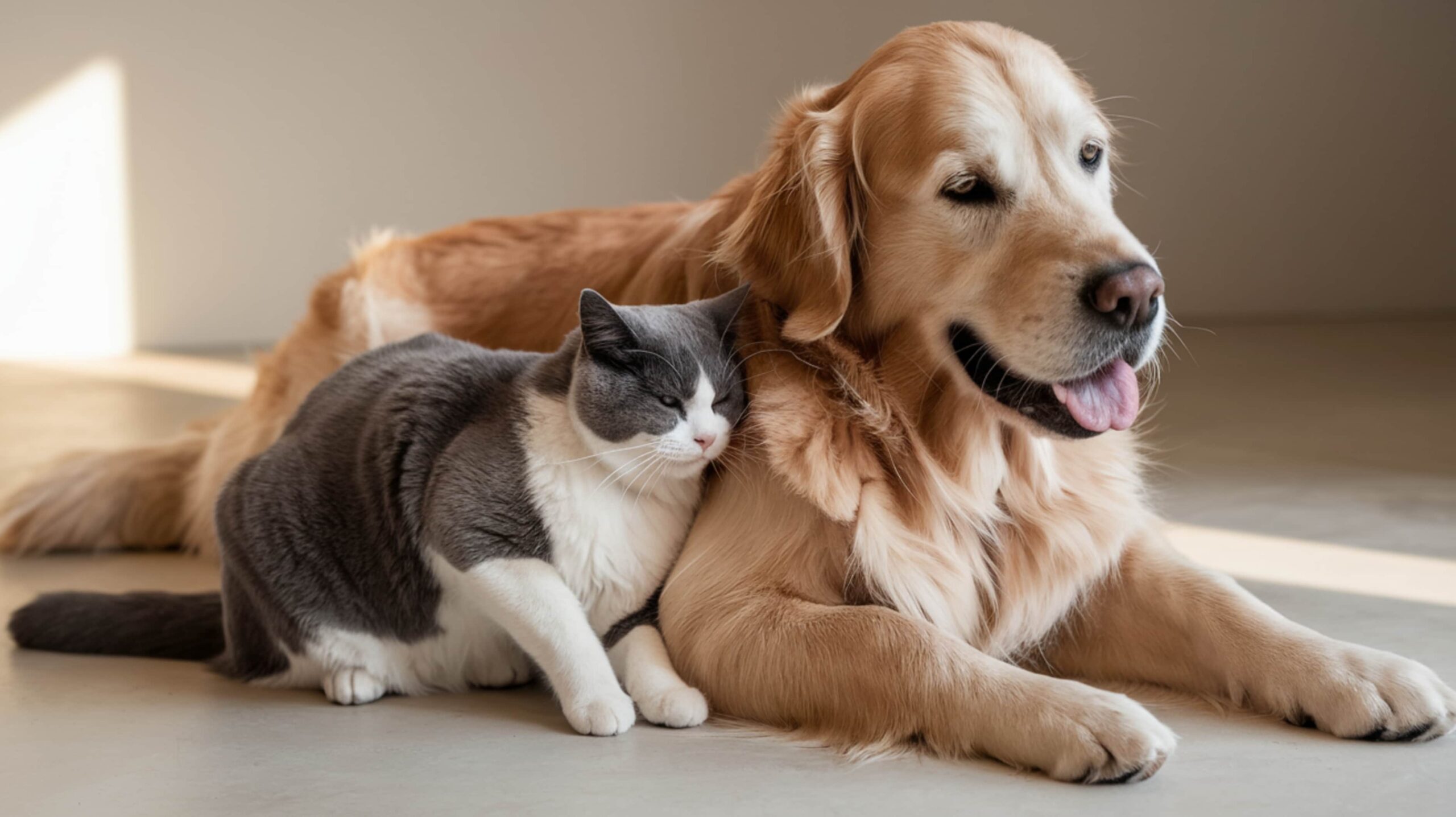
Wondering whether a dog and a cat can live together in harmony? It may seem a challenge, but with the right preparation and consistency these two species can become peaceful housemates and even friends. The key to success is not only patience but also an understanding of the differences in their behaviour, instincts and needs. In this article you will learn, step by step, how to introduce a dog and a cat so that they can live peacefully under one roof.

How to get a dog used to a new cat in the home

The first step is to introduce the cat properly into a home where a dog already lives. Remember that dogs and cats react differently to new animals, so it is important to make the start a calm one. Begin by preparing a space for the cat, ideally a separate room where it will feel safe. In the first few days, limit direct contact between the animals: keep the dog on a lead, and let the cat stay in its carrier or behind a door. This allows them to get used to each other’s scents and sounds gradually, without the stress of sudden closeness.

It is important to watch the dog’s reactions. If it shows excessive excitement or aggression, take particular care. In that case, try calming the dog with treats or a favourite toy.

The first meeting: how to plan it

The first meeting between a dog and a cat is a crucial moment that can shape their future relationship. That is why it should take place under controlled conditions. It is best to choose a neutral spot where neither animal feels too much at home, as this reduces the risk of territorial behaviour.

During the meeting the dog should be on a lead and the cat in a carrier or up high, for example on a scratching post. This lets both animals observe each other from a safe distance. The owner should stay calm and be ready to react quickly to any unwanted behaviour. If the meeting goes without much tension, it can be repeated, gradually extending the contact time. It is important not to force the interaction: the animals need time to accept the new situation.

Introducing a cat to a dog: practical tips

Successfully introducing a cat to a dog takes patience and consistency. The process should be gradual and respect the needs of both animals. To begin with, you can swap scents between them, for example using blankets or toys. This gives the animals a chance to become familiar with each other’s presence before any direct contact.

The next step is short, supervised meetings with the owner present. Remember that every animal reacts differently: some dogs may be excited, others anxious. The key is to watch their behaviour closely and adjust the pace of the introduction to their needs. If the dog is very energetic, it is a good idea to give it some exercise beforehand, such as a long walk or a play session, which will help it settle before the meeting.

How to prepare your home for a cat and a dog

Preparing your home is an important stage in introducing the animals. Each of them should have its own space where it feels safe. For a cat, high places are ideal: shelves, scratching posts or windowsills that let it observe its surroundings from a distance. A dog, on the other hand, needs its own bed in a quiet spot away from noise.

Separate food and water bowls, as well as a litter tray for the cat, help avoid conflict. If possible, place these items in different rooms. Remember to make the home safe too: hide cables, remove small objects that could be swallowed, and choose safe toys.

The role of rewards in the introduction process

Positive reinforcement is one of the most effective ways of building a relationship between animals. Rewards in the form of treats, praise or favourite toys help them associate the other animal’s presence with something pleasant. Remember, though, to reward the animals only for calm, desirable behaviour; do not reinforce aggressive or overexcited reactions.

Is it worth seeking help from a behaviourist?

If introducing the dog and cat is proving difficult, consider consulting an animal behaviourist. A specialist can help identify the source of the problems and propose an individual action plan. This is particularly helpful for animals with a difficult past, for example those that have been rehomed or have had negative experiences with other species.

How long does the introduction process take?

The time needed for a dog and a cat to get used to each other depends on many factors: their age, temperament, previous experiences and the owner’s approach. For some animals the process takes a few weeks; for others it can take several months. It is important to be patient and not force contact. Every animal has its own rhythm, and that should be respected.

The most common mistakes when introducing a dog and a cat

When introducing animals, there are a few common mistakes worth avoiding. One is forcing contact: the animals need to build mutual trust themselves. Another is a lack of control over the first meetings, which can lead to aggression and cement negative associations. Misreading the animals’ body language also hinders the process, so it is worth learning to recognise signs of stress, such as hissing in a cat or a tense posture in a dog.

Summary

Introducing a dog and a cat is a challenge that takes commitment, but the right approach makes it possible to build a harmonious relationship between the animals. The key is patience, gradual change and positive reinforcement of desirable behaviour. A well-prepared home, suitable conditions and the owner’s support are the foundations of success. Even if it seems difficult at first, in time a dog and a cat can become contented companions. Remember that every animal is different: adjust the pace and methods of introduction to their individual needs, and you are sure to succeed.

How to Feed an Older Cat: Tips and Advice

Sooner or later every cat owner notices that their pet is beginning to change. As cats age they become less active, and their needs and behaviour shift. How can you tell that your four-legged friend is entering its senior years? It is worth watching for the subtle signs that point to this natural process. In this article we look at the signs of ageing in cats and explain how best to look after their health and comfort in old age.

  • Ageing is a natural process that affects a cat’s behaviour and appearance. You will notice that your cat becomes less active and more inclined to rest.
  • Typical signs of ageing in cats include longer daytime naps and less interest in playing or jumping onto high surfaces.
  • If you notice lethargy, loss of appetite or difficulty urinating, it is worth consulting a vet.
  • Older cats can have weight problems, both overweight and underweight. It is important to adjust their diet and make sure they get enough exercise.
  • A senior cat’s diet should be rich in protein, but its quality needs to be monitored and excess phosphorus avoided.
  • Wet food is beneficial for older cats because it is easier to eat and the extra moisture supports kidney health.
  • Avoid giving older cats garlic, onion, chives or milk, all of which can be harmful to their health.

Signs of ageing in cats

Ageing is a natural process that affects a cat’s behaviour and appearance. Over the years you may notice your pet becoming less active and more inclined to rest for longer. Senior cats often avoid jumping onto high surfaces and may show less interest in play. It is important to observe these changes and watch for the subtle signs that may indicate ageing. Changes in sleep patterns, such as longer daytime naps, and reduced physical activity are typical signs of ageing in cats.

Some signs of ageing may call for a visit to the vet. If you notice lethargyloss of appetite, or difficulty urinating or defecating in your cat, it is worth consulting a veterinarian. Regular check-ups are key to monitoring an older cat’s health and catching potential problems early. Remember that not every change is a normal part of ageing; some may point to more serious conditions.

  • Lethargy
  • Loss of appetite
  • More hours spent sleeping
  • Deterioration in coat quality

A healthy weight for older cats

Older cats often struggle with weight problems, which can mean being either overweight or underweight. These changes result from a range of factors, such as a slower metabolism, reduced physical activity and health problems. It is worth noting that excess weight in older cats is usually the combined result of too much food and too little exercise. Cats may avoid physical activity because of joint pain or other ailments, which leads to the build-up of unwanted kilos. To prevent this, try to add more play and activity to your cat’s daily routine to help it maintain a healthy body weight.

On the other hand, being underweight can result from poor absorption of nutrients and loss of appetite. Older cats often find eating difficult because of dental problems or a diminished sense of smell. In such cases it is advisable to offer food with a higher energy density, enriched with essential nutrients. It is also important to monitor your cat’s weight and visit the vet regularly so that any worrying changes can be dealt with quickly. Here are a few tips on weight control in older cats:

  • Adjust the diet: choose food formulated for senior cats.
  • Regular activity: encourage your cat to play and move about.
  • Health monitoring: visit the vet regularly and keep an eye on your pet’s weight.

How a cat’s nutritional needs change with age

As cats grow older, their nutritional needs change significantly. Young cats need a diet rich in protein and energy to support growth and physical activity. With age, however, the metabolism slows down and older cats may have difficulty absorbing certain nutrients. That is why it is important to adapt the diet to the changing needs of a senior cat. Nutrients such as taurinemethionine and arginine, which support the heart and nervous system, are particularly important in an older cat’s diet.

When a cat reaches around 10 years of age, protein digestibility can drop considerably, which means the amount of protein in the diet should be increased accordingly. It is also important to keep an eye on the phosphorus level in the food so as not to put a strain on the kidneys, which become more prone to disease with age. Here are a few tips on feeding older cats:

  • Increase the amount of protein in the diet, but keep an eye on its quality.
  • Make sure your cat gets enough fluids, choosing wet food or installing a cat water fountain.
  • Avoid excess phosphorus, which can put a strain on the kidneys.
  • Tailor the diet individually to your cat’s health needs.

Remember that every cat is different and needs an individual approach to feeding. Regular visits to the vet will help you monitor your pet’s health and adapt its diet to its current needs.

How to choose food for a senior cat

Choosing the right food for an older cat takes care and an understanding of a senior cat’s specific nutritional needs. First of all, look at the nutrients the food contains. Older cats often have trouble absorbing protein, so the food should contain enough of it to support muscle mass and overall health. It is also important to avoid excess phosphorus, which can strain the kidneys. Look for food with added Omega-3 and Omega-6 fatty acids, which support joint health and improve coat quality.

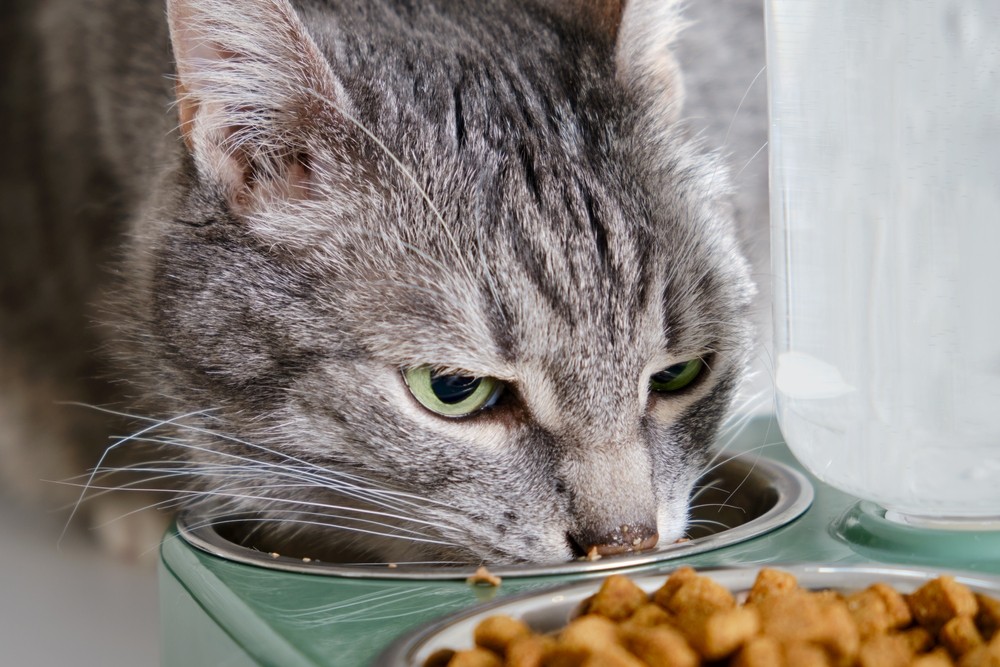
Wet food plays an important role in an older cat’s diet. Thanks to its high moisture content, it helps prevent kidney problems and dehydration. Wet food is also easier to eat for cats with dental problems. When choosing food, look closely at the ingredients and avoid products containing large amounts of carbohydrates and artificial additives. Here are a few things to look out for when buying:

  • High-quality ingredients: avoid foods with a low meat content and a lot of grain.
  • Adequate protein: supports muscle health and overall condition.
  • Low phosphorus content: protects the kidneys from strain.
  • Health-supporting extras: Omega-3 and Omega-6 fatty acids for a better coat and joints.

Feeding rules for older cats

Older cats often need a special approach to feeding. As cats age, their metabolism changes, which affects the way they absorb nutrients. That is why it is important to adjust the size and frequency of meals to their needs. Smaller but more frequent portions are recommended, even 5–6 times a day. Feeding this way can help maintain a steady energy level and prevent digestive problems. If your cat has a poor appetite, try warming the food to room temperature or adding a special cat broth to make it more appealing.

It is also important to monitor a senior cat’s body weight. Older cats may tend to gain weight because they are less active or, conversely, lose weight because of health problems. To counter this, it is worth using interactive feeders that encourage the cat to move while eating. For less mobile animals, it is better to place the bowls close to their bed. Remember to choose the right food: wet food is often better for older cats because it is easier to eat and the extra moisture supports kidney health. Avoid products high in carbohydrates and choose those rich in protein and essential fatty acids.

What not to feed a senior cat

Older cats have specific nutritional needs, and some foods can be harmful to them. It is important to avoid giving them anything that could adversely affect their health. For example, vegetables such as garlicleekonion and chives are toxic to cats and can lead to serious health problems. In addition, milk, often thought of as a treat, can be hard for older cats to digest and puts a strain on their kidneys. Also avoid foods intended for young animals, as they contain a different balance of nutrients, which can lead to obesity or other health problems.

Bear in mind, too, that a BARF (raw) diet can be risky for older cats. Although raw meat may be appealing in taste, its unbalanced protein and phosphorus content can overload a senior cat’s body. It is better to opt for a high-quality commercial wet food, which provides adequate moisture and is easier to digest. Here is a list of foods to avoid in an older cat’s diet:

  • Garlic
  • Onion
  • Chives
  • Milk
  • Food for young animals
  • Unbalanced raw meat

Make sure your pet’s diet is suited to its age and state of health. Regular consultations with your vet will help you avoid feeding mistakes and give your cat a long and healthy life.

Summary

Ageing is a process that affects a cat’s everyday life. Over the years you may notice changes in your pet’s behaviour and appearance. Older cats become less active, rest more often and avoid jumping onto high surfaces. It is important to observe these changes and watch for signs such as lethargy, loss of appetite or difficulty urinating. Regular visits to the vet will help you monitor your cat’s health and respond quickly to any problems.

Senior cats also have specific nutritional needs. Their diet should take account of their changing metabolism and reduced ability to absorb nutrients. Choose foods rich in protein but low in phosphorus so as not to strain the kidneys. Avoid products such as garlic and onion, which are toxic to cats. Remember to monitor your pet’s weight regularly and adapt its diet to its individual health needs.

Frequently asked questions

What other signs of ageing might I notice in my cat?

Besides reduced activity and longer sleep, older cats may show memory problems, such as forgetting where the litter tray is. They may also have difficulty moving about as a result of joint pain or arthritis. Behavioural changes, such as increased irritability or reluctance to interact with people, can also be a sign of ageing.

Do older cats need special dietary supplements?

Yes, older cats can benefit from supplements that support joint health, such as glucosamine and chondroitin. Omega-3 fatty acids can help maintain a healthy coat and skin. Always consult your vet before adding new supplements to your cat’s diet.

How often should I take my older cat to the vet?

For older cats, check-ups at the vet are recommended at least twice a year. Regular examinations help monitor your cat’s health and allow a quick response to any changes or health problems.

Can I still play with my older cat?

Of course! Although older cats may be less active, they still need mental and physical stimulation. Choose games suited to their abilities, such as gently trailing a piece of string or interactive toys. Avoid intense activities that could put a strain on the joints.

How can I help my older cat stay clean?

Older cats may find it hard to groom themselves. Regular brushing will help keep them clean and prevent matting. If you notice problems with oral hygiene, consult your vet about suitable dental care products.

Do older cats have any special environmental needs?

Yes, it is worth adapting your home to an older cat’s needs. Make sure it has easy access to its favourite resting spots and the litter tray. You might also consider ramps or steps to make it easier for your cat to climb onto higher surfaces.

Is a BARF diet suitable for my older cat?

A BARF (raw) diet can be risky for older cats because of its unbalanced nutrient content. Older cats have specific nutritional needs, so it is better to opt for a high-quality commercial wet food formulated for their age.