
Contact us Make an appointment

How to get your pet ready for the winter months

The first snow and frosts are already here. The winter months can be a demanding time for people and for our four-legged friends alike. Low temperatures, slippery ground and short daylight hours are only some of the challenges dogs and cats have to face.

Winter hazards for dogs and cats

Winter brings a whole range of hazards for dogs and cats that can affect their health and wellbeing. Above all, low temperatures can lead to the body cooling down dangerously, especially in young and elderly animals and in short-haired breeds without an undercoat. In such conditions pets are at risk of hypothermia, which shows itself as shivering, lethargy and, in extreme cases, loss of consciousness. Winter walks also carry a risk of frostbite, which most often affects delicate areas such as the paw pads, ears and tail.

Just as important is the hazard posed by road salt and de-icing chemicals. These substances can cause irritation and chemical burns to the paws, and if swallowed — for instance when a pet licks its paws after a walk — they can lead to poisoning and digestive upset.

 Another risk comes from ice and snow, which can cause slips and physical injuries, such as sprains, dislocations or even fractures. Frozen bodies of water are particularly dangerous, as they can look perfectly solid to an unsuspecting animal that may then fall through the ice.

The coat as protection against the cold

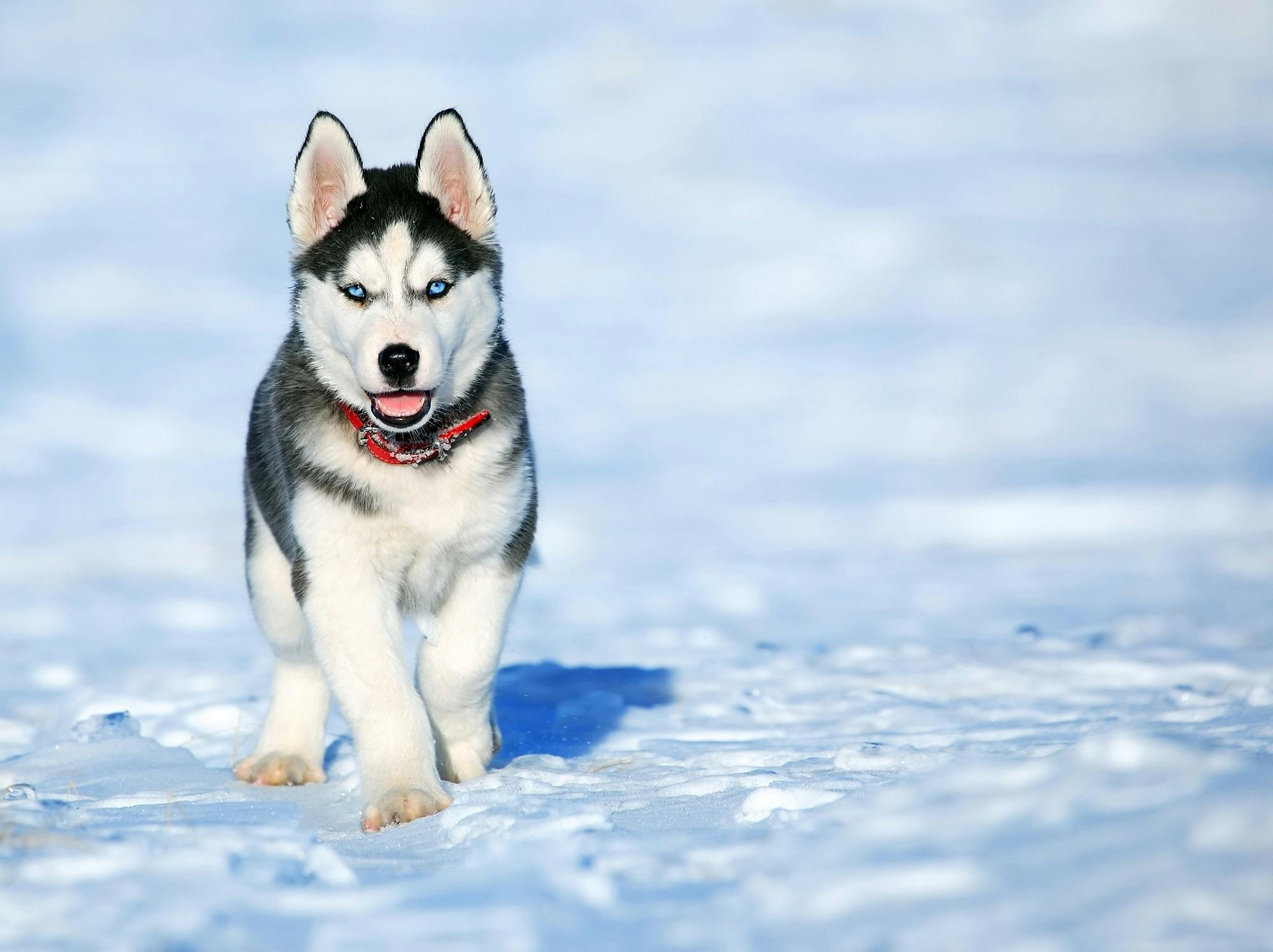
The coat plays a key role in protecting dogs and cats from the cold: it insulates, helps regulate body temperature and shields the skin from moisture. Most animals have either a double or a single coat. A double coat consists of a dense undercoat that traps warmth and a longer protective topcoat that carries moisture and dirt away. Breeds well suited to low temperatures include the Siberian husky, the malamute and the German shepherd, all of which have exceptionally thick, long fur. Their coat allows them to cope with extreme conditions and insulates them effectively even in the coldest climates.

Not every breed, however, is naturally equipped for winter. Short-haired dogs such as chihuahuas, French bulldogs and dalmatians are far more vulnerable to the cold, because their thin, sparse coat offers little thermal protection. Likewise, many hairless cat breeds, the sphynx among them, have no natural defence against the cold and need extra help in the form of clothing or covers. Breeds with thick fur, such as the Maine coon or the Norwegian forest cat, cope with winter considerably better. 

What should winter exercise look like for dogs and cats?

For dogs, the ideal way to stay fit and get enough movement is walking on straightforward, well-kept paths where the surface is relatively even and there is no risk of slipping. It is also worth arranging shorter but more frequent walks, adjusting their length to the weather and to your dog’s condition. Games in the snow, such as fetching a ball or a frisbee, are another excellent way of keeping a dog active, though do avoid overly tiring play in extreme temperatures.

Cats, which are more sensitive to the cold and less inclined to go outside, benefit from having their indoor environment enriched over winter. Interactive toys, climbing on scratching posts and treats hidden around the house provide entertainment as well as mental stimulation. It is also worth investing in toys that make a cat work for the reward, such as treat balls that encourage physical activity. 

Why winter clothing for dogs and cats is worth considering

With the right clothing, pets can enjoy walks outdoors without the risk of getting chilled or frostbitten. Above all, a well-chosen garment protects an animal from low temperatures, which matters enormously for short-haired breeds and for those with no natural insulation, such as chihuahuas or sphynx cats.

Winter clothing also protects sensitive areas — the belly, chest and paws — from cold wind, snow and road salt, all of which can irritate the skin. Beyond warmth, some designs offer extra features such as water resistance, so the animal is less exposed to damp during rain or a thaw. It is also worth noting that winter coats for dogs and cats often include reflective elements, making pets more visible on evening walks, which is crucial for their safety.

Our pets’ winter diet

A dog’s or cat’s winter diet deserves particular attention, so that the animal gets the energy it needs to cope with the colder months. It is worth increasing the calorie content of meals by adding extra sources of protein and fat, which helps maintain body temperature and supports the immune system. Meat, fish and complete commercial foods will supply the necessary nutrients. Water intake must not be overlooked either, as animals tend to drink less in cold air, which brings a risk of dehydration. Vitamin supplements, especially those that support immunity, can also be beneficial over winter. Meals should be served regularly at fixed times, and food treats such as vegetables or fruit (sticking to those that are safe for pets) make a tasty addition, providing motivation and an extra source of vitamins.

Regular veterinary check-ups — in winter too!

Over the winter, regular visits to the veterinarian are essential to keep our pets healthy through this difficult season. Winter weather — low temperatures, damp and reduced exposure to sunlight — can weaken an animal’s immune system. That in turn opens the door to various health problems, such as chills, joint disease or skin conditions. A veterinarian can help identify signs that owners may miss, such as changes in behaviour, appetite or activity levels. Regular check-ups also make it possible to monitor a pet’s health and to arrange any vaccinations and preventive care that will protect it against seasonal illness. Looking after animals in winter through veterinary visits is a key part of responsible care and can make a real difference to their comfort and quality of life in harsh weather.

Summary

Preparing a pet for the challenges of winter is not only a matter of comfort, but above all of health and safety. Proper care and attention during the winter months can significantly improve how animals feel and make the season an enjoyable one for pets and owners alike.

Parvovirus in puppies: how to recognise and treat this dangerous disease

Parvovirus in puppies is a subject that stirs up a great deal of worry among dog owners. It is a highly contagious viral disease that can have serious consequences for the health of our four-legged friends. In this article we explain exactly what parvovirus is, what its symptoms are and how it can be prevented. Understanding this disease is key to giving our pets a long and healthy life. Read on to learn more about how to protect your puppies from this dangerous virus.

  • Parvovirus is a dangerous viral disease that poses a particular threat to puppies because of their immature immune systems.
  • The disease presents with sudden bloody diarrhoea, vomiting and loss of appetite, which quickly leave the dog severely weakened.
  • Infection occurs through contact with the faeces, urine, saliva or vomit of a sick animal. The virus is resistant to environmental conditions and can survive for a long time outside its host.
  • Prompt diagnosis is crucial; it involves blood tests, an abdominal ultrasound scan, and serological and rapid in-clinic tests.
  • Treatment involves anti-emetic and anti-diarrhoeal medication and fluid therapy, along with support for the puppy’s immune system.
  • To prevent parvovirus, regular vaccinations are essential, as is disinfecting the surroundings and any items used by sick animals.

What is parvovirus in puppies?

Parvovirus, also known as canine typhus, is a highly contagious viral disease that poses a serious threat to the health of puppies. It is caused by the CPV-2 virus (Canine Parvovirus type 2), which primarily attacks the digestive system of young dogs. The disease presents as haemorrhagic inflammation of the stomach and intestines, leaving the body severely weakened. Left untreated, parvovirus can have tragic consequences, including the death of the animal. That is why prompt recognition and appropriate action are so important.

Puppies are especially vulnerable to parvovirus because their immune systems are not yet mature. The disease progresses rapidly and can lead to serious health consequences. Symptoms such as bloody diarrhoea, vomiting and loss of appetite can appear suddenly and worsen quickly. Dog owners should be aware of these signs and consult a vet without delay if they occur. To protect your pet from this dangerous disease, remember to keep up with vaccinations and maintain good hygiene in its surroundings.

What causes parvovirus?

Parvovirus, also known as canine typhus, is caused by the CPV-2 virus (Canine Parvovirus type 2). It is an extremely contagious disease that can affect any dog but is particularly dangerous for puppies. Infection occurs through contact with the faeces, urine, saliva or vomit of a sick animal. The virus is exceptionally resistant to environmental conditions, which means it can survive in the surroundings for a long time. That is why good hygiene and avoiding places where sick dogs may have been are so important.

The CPV-2 virus is highly infectious. Even brief contact with contaminated objects or surfaces can lead to infection. The most common routes of transmission are:

  • Contact with faeces – the virus is present in the stools of infected dogs and can be carried on shoes or paws.
  • Contaminated objects – bowls, toys and bedding can become a source of infection.
  • Direct contact – licking or sniffing other dogs also carries a risk of infection.

Because it withstands changes in temperature and pH, the CPV-2 virus poses a serious threat to the health of puppies. That is why it is so important to recognise the symptoms quickly and take appropriate preventive measures.

Symptoms of parvovirus in puppies

Parvovirus in a puppy is a serious disease whose symptoms can come on suddenly and violently. One of the most characteristic signs is bloody diarrhoea, which is often accompanied by vomiting. Puppies with parvovirus usually lose their appetite, leading to rapid weight loss. Owners may also notice that their pet becomes listless and avoids activities it used to enjoy. In addition, the puppy may have abdominal pain, shown by restlessness or whimpering when touched.

Recognising these symptoms quickly is vital for successful treatment of parvovirus. The sooner the right steps are taken, the better the chances of a full recovery. That is why owners need to stay alert and respond to any worrying changes in their pet’s behaviour. If parvovirus is suspected, see a vet as soon as possible; they will carry out the necessary tests and recommend the appropriate treatment. Remember that swift action can save the life of our four-legged friend.

How is parvovirus diagnosed?

Diagnosing parvovirus in a puppy is a process that requires precise veterinary testing. If you notice symptoms such as bloody diarrhoea, vomiting or loss of appetite in your pet, go to the vet straight away. The first step in diagnosis is a blood test, which allows the vet to assess the animal’s general health and detect any abnormalities, such as leukopenia (a low white blood cell count). Another important investigation is an abdominal ultrasound scan, which makes it possible to assess the internal organs and detect any inflammatory changes.

To confirm the presence of the parvovirus, vets often turn to serological tests. These methods rely on detecting the antibodies the dog’s body produces in response to the infection. It is also worth mentioning the rapid in-clinic test, which detects viral antigens in the puppy’s faeces or vomit. This allows a quick diagnosis and an early start to treatment. Remember that the sooner medical intervention begins, the better your pet’s chances of a full recovery.

Treating parvovirus in puppies

Treating parvovirus in puppies requires prompt and decisive veterinary intervention. The key is to use the right measures to relieve the symptoms and support the body in fighting the virus. The first line of treatment is anti-emetic and anti-diarrhoeal medication, which helps control the distressing symptoms of the disease. At the same time, fluid therapy is extremely important: intravenous fluids prevent dehydration and help maintain the body’s electrolyte balance.

In addition, to support the puppy’s immune system, immune-boosting preparations are used, such as antibody serum from recovered dogs or specialised supplementary foods. The puppy’s condition needs to be monitored throughout the course of treatment. Regular veterinary visits allow the progress of therapy to be assessed and adjusted to the animal’s needs on an ongoing basis. It is worth remembering that a quick response and appropriate treatment can significantly improve your pet’s chances of a full recovery.

How to prevent parvovirus

Preventing parvovirus in puppies is a key part of looking after the health of our four-legged friends. The most effective protection against this dangerous disease is vaccination. It significantly reduces the risk of infection with the CPV-2 virus. Puppies should receive their first vaccination at 6–8 weeks of age, followed by further doses every 2–4 weeks until they are 16 weeks old. For adult dogs, regular boosters every three years are recommended to maintain adequate immunity.

Alongside vaccination, disinfecting the surroundings is just as important, especially if there has been contact with a sick animal. The parvovirus is extremely resistant to environmental conditions and can survive for a long time outside its host. So make sure to clean thoroughly any areas where an infected dog has been, using specialist disinfectants. Also remember to throw away or thoroughly clean all accessories and toys used by the sick dog to prevent the virus spreading further.

Summary

Parvovirus is a dangerous viral disease that poses a serious threat to the health of puppies. It is caused by the CPV-2 virus, which primarily attacks the digestive system of young dogs. Symptoms such as haemorrhagic inflammation of the stomach and intestines can leave the body severely weakened, and left untreated the disease can end in the animal’s death. Recognising the symptoms quickly and taking appropriate action are crucial to saving a pet’s life.

Puppies are especially vulnerable to parvovirus because their immune systems are not yet mature. The disease progresses rapidly, and its symptoms, such as bloody diarrhoea and vomiting, can appear suddenly. Dog owners should be aware of these signs and consult a vet without delay if they occur. Regular vaccination and good hygiene in the surroundings are the basic preventive measures that can protect a puppy from this dangerous disease.

Frequently asked questions

Can parvovirus affect adult dogs?

Yes, parvovirus can affect adult dogs too, although they are less susceptible to the disease than puppies. Adult dogs with a strong immune system that are vaccinated regularly have a lower risk of falling ill. Nevertheless, if exposed to the virus, even adult dogs can become infected, especially if their immunity is weakened.

What are the long-term effects of parvovirus in dogs that survive?

Dogs that have survived parvovirus may experience long-term health effects. These can include digestive problems such as chronic diarrhoea or a sensitive stomach. In some cases the heart or other internal organs may be damaged. Regular veterinary check-ups will help monitor the dog’s health after the illness.

Are there natural methods that can support parvovirus treatment?

Natural methods can support conventional parvovirus treatment but should never replace it. Some dietary supplements, such as probiotics or vitamin preparations, may help support the dog’s immune system. It is important, however, to discuss any additional therapy with your vet.

How long can the parvovirus survive in the environment?

The parvovirus is exceptionally hardy and can survive in the environment for many months. It can persist on surfaces such as floors, bowls and toys. That is why thorough disinfection of places where a sick dog has been is so important.

Can parvovirus be prevented through diet?

Diet alone will not prevent parvovirus infection, but healthy nutrition can support the dog’s immune system. A well-balanced diet rich in protein and vitamins will help keep the dog in good health. The most important preventive measure, however, is vaccination.

Can other pets catch parvovirus from a dog?

Parvovirus is specific to dogs and does not spread to other pet species such as cats or rabbits. However, other dogs in the household are at risk of infection, so it is important to isolate the sick dog and follow strict hygiene rules.

How much does parvovirus treatment for a puppy cost?

The cost of treating parvovirus can be considerable and depends on the severity of the disease and the length of hospitalisation. It covers veterinary visits, antiviral medication, fluid therapy and any hospital stay. It is worth considering pet health insurance as financial protection against situations like these.

Does a vet trim a dog’s or cat’s claws? Find out how it works!

Claw trimming is one of those procedures that can seem daunting but is essential to an animal’s wellbeing. In this article we look at the benefits of regular claw trimming and explain how to do it safely and effectively. You will also learn which techniques are available and when it is worth turning to a vet for help. Read on!

  • Trimming the claws of dogs and cats is not just about appearance; above all, it is about our pets’ health and comfort. Overgrown claws can cause pain and discomfort and increase the risk of injury.
  • Regular trimming protects floors, furniture and carpets from damage, which is a practical bonus for owners.
  • There are several trimming techniques: traditional clippers, grinding and modern laser trimming. Each has its pros and cons.
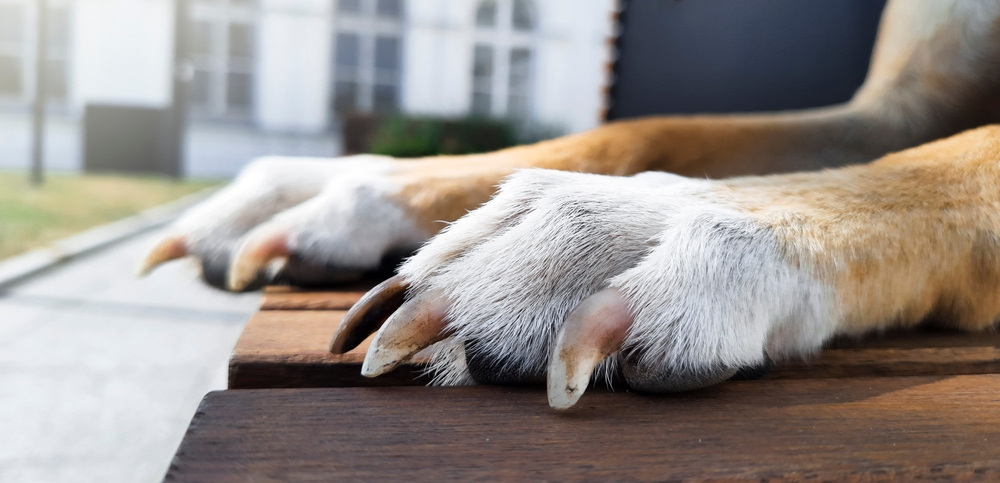
  • Trimming becomes necessary when the claws grow too long and start to curl or catch on the ground. How often it is needed depends on how active the animal is and what kind of surfaces it walks on.
  • Trimming claws yourself is possible, but it calls for the right tools and care. It helps to know your pet’s anatomy and avoid cutting too close to the quick.
  • Claw trimming should not hurt if it is done properly. The key is using the right tools and techniques.
  • A vet can help with claw care by providing a professional service and by training owners to look after their pets’ claws themselves.

The benefits of claw trimming for dogs and cats

Trimming the claws of dogs and cats is not just about appearance; above all, it is about our pets’ health and comfort. Overgrown claws can lead to pain and discomfort, particularly when they start to dig into the paw pads. Regular trimming helps avoid such problems and keeps your animal feeling better. Safety is another important consideration: claws that are too long can snag on all sorts of objects, increasing the risk of injury both to the animal and to members of the household.

Beyond the health benefits, claw trimming has practical advantages for owners too. Long claws can damage floors, furniture and carpets around the home. Regular trimming helps you reduce the risk of such damage and keep your home in good order. It is worth remembering that by keeping claws at the right length, we protect not only our belongings but, first and foremost, the health and comfort of our four-legged friends.

Claw trimming techniques for pets

Claw trimming is an important part of pet grooming, and there are several ways to go about it. One of the most popular methods is traditional clipping. Here the vet or owner uses special claw clippers that allow the claw to be shortened precisely. The advantages of this method are its simplicity and the ready availability of the tools, but it requires great care to avoid damaging the blood vessels. Another option is grinding, which uses a special device to gently file the claw down. This method is more precise and minimises the risk of accidental injury.

A modern approach to claw care is laser trimming. Some veterinary clinics offer this service as a safe and effective alternative to traditional methods. Laser trimming minimises the risk of bleeding and infection, which makes it an attractive choice for many pet owners. Each of these methods has its advantages and drawbacks, so it is worth considering how they work in practice:

  • Traditional clipping: simple tools, but precision is required.
  • Grinding: greater precision, lower risk of damage.
  • Laser trimming: minimal risk of bleeding, modern technology.

With such a range of techniques available, every owner can find the right method for their pet and make the procedure comfortable and safe.

When claw trimming is necessary for dogs and cats

Claw trimming is necessary for dogs and cats in several situations that can affect their health and comfort. First and foremost, when claws grow too long they can start to curl or catch on the ground, causing pain and difficulty walking. Long claws are also prone to damage such as cracks or breaks, which are painful and can lead to infection. In such cases a vet may recommend trimming the claws to relieve the discomfort and speed up healing.

Regular claw trimming is important for keeping your animal healthy. It is recommended every 4–6 weeks, although the frequency may vary depending on your pet’s individual needs. Here are a few pointers on how often to trim:

  • Activity level: More active animals may wear their claws down naturally, reducing the need for frequent trimming.
  • Type of surface: Animals that mostly walk on soft ground may need more frequent trimming than those that walk on hard surfaces.

Remember that regular claw care is not just about appearance; above all, it is about your pet’s health.

Can I trim my pet’s claws myself?

Trimming your pet’s claws yourself can be a challenge, but with the right tools and technique it is perfectly doable at home. First of all, get hold of proper claw scissors or clippers suited to the size and thickness of your animal’s claws. Choosing the right tools is crucial to avoid accidentally damaging blood vessels or nerves. Remember that every dog and cat has a different claw structure, so it is important to get to know your pet’s anatomy before you start.

When trimming, take care and do not rush. Here are a few tips that may help:

  • Watch your pet’s reactions – if you notice anxiety or discomfort, stop.
  • Avoid cutting too close to the quick, the pink part of the claw, to prevent bleeding.
  • Consult your vet if you have any doubts about the technique or how often to trim.

Remember that your pet’s safety comes first. If you do not feel confident trimming the claws yourself, you can always ask a vet for help. A professional will not only carry out the procedure safely but also give you valuable tips for the future.

Is claw trimming painful for animals?

Trimming the claws of dogs and cats should not be painful if it is done properly. The key to a pain-free procedure is the right tools and technique. Properly chosen tools, such as special clippers or grinders, allow the claws to be shortened precisely and gently. It is important to avoid damaging the blood vessels and nerves inside the claw. That is why it is worth consulting a vet, who can advise on the best approach to claw care.

The vet’s role does not end with the procedure itself. A professional can also teach pet owners how to trim claws correctly, which matters a great deal for our pets’ comfort. Training led by a vet covers:

  • choosing the right tools,
  • trimming techniques,
  • avoiding common mistakes.

This gives owners the confidence that their animals are in good hands and spares them unnecessary stress around claw care.

How can a vet help with your pet’s claw care?

A vet is not only an expert in animal health but also an excellent adviser on your pet’s claw care. A visit to the vet is a good opportunity to have the claws trimmed professionally. That way you can be sure the procedure is carried out safely and effectively, which is especially important for animals with dark claws, where the blood vessels are hard to see. Vets have the right tools and techniques to minimise the risk of pain or bleeding.

As well as trimming the claws, many vets also offer training for pet owners. Through such sessions you can learn to look after your pet’s claws yourself at home. Your vet will show you:

  • which tools are best for trimming claws,
  • how to hold the paw correctly to avoid injury,
  • how to recognise when the claws need trimming.

This knowledge helps you keep your animal healthy and comfortable day to day. Professional veterinary care is not only a guarantee of safety during the procedure but also an investment in your pet’s long-term health and wellbeing.

Summary

Trimming the claws of dogs and cats is not just about appearance; above all, it is about our pets’ health and comfort. Overgrown claws can lead to pain and discomfort, particularly when they start to dig into the paw pads. Regular trimming helps avoid such problems and keeps your animal feeling better. Safety is another important consideration: claws that are too long can snag on all sorts of objects, increasing the risk of injury both to the animal and to members of the household.

Beyond the health benefits, claw trimming has practical advantages for owners too. Long claws can damage floors, furniture and carpets around the home. Regular trimming helps reduce the risk of such damage and keep your home in good order. It is worth remembering that by keeping claws at the right length, we protect not only our belongings but, first and foremost, the health and comfort of our four-legged friends.

Frequently asked questions

How often should I trim my pet’s claws?

How often you need to trim depends on many factors, such as how active your pet is and what kind of surfaces it walks on. As a rule, trimming every 4–6 weeks is recommended, but more active animals may need it less often.

What should I do if I accidentally hurt my pet while trimming its claws?

If you do happen to nick your pet, the most important thing is to stay calm. Apply gentle pressure to the spot and use a styptic powder, available from pet shops, to stop the bleeding. If the bleeding does not stop, contact your vet.

Are there special claw-trimming tools for different breeds of dogs and cats?

Yes, there are various tools designed for the claw size and thickness of different breeds. It is worth choosing clippers or a grinder that best suit your animal.

Can I use ordinary scissors to trim my pet’s claws?

Ordinary scissors are not recommended for trimming claws, as they can cause the claw to crack or split. It is better to invest in proper tools designed for the job.

How can I get my pet used to having its claws trimmed?

To help your pet tolerate the procedure, start with short sessions and reward calm behaviour with treats. Gradually extend the sessions so your animal gets used to the process.

Are there alternatives to traditional claw clipping?

Besides traditional methods, you can consider grinding or laser trimming. Both offer greater precision and minimise the risk of injury.

How can I tell if my pet’s claws are too long?

Claws are too long when they start to touch the ground while your pet is standing or walking. You may also notice a change in the way it moves, or hear the claws clicking on hard floors.

Do all dogs and cats need regular claw trimming?

Most dogs and cats need regular claw trimming, but the frequency can vary depending on lifestyle and environment. Animals that live outdoors may wear their claws down naturally more than those that spend most of their time indoors.