

-
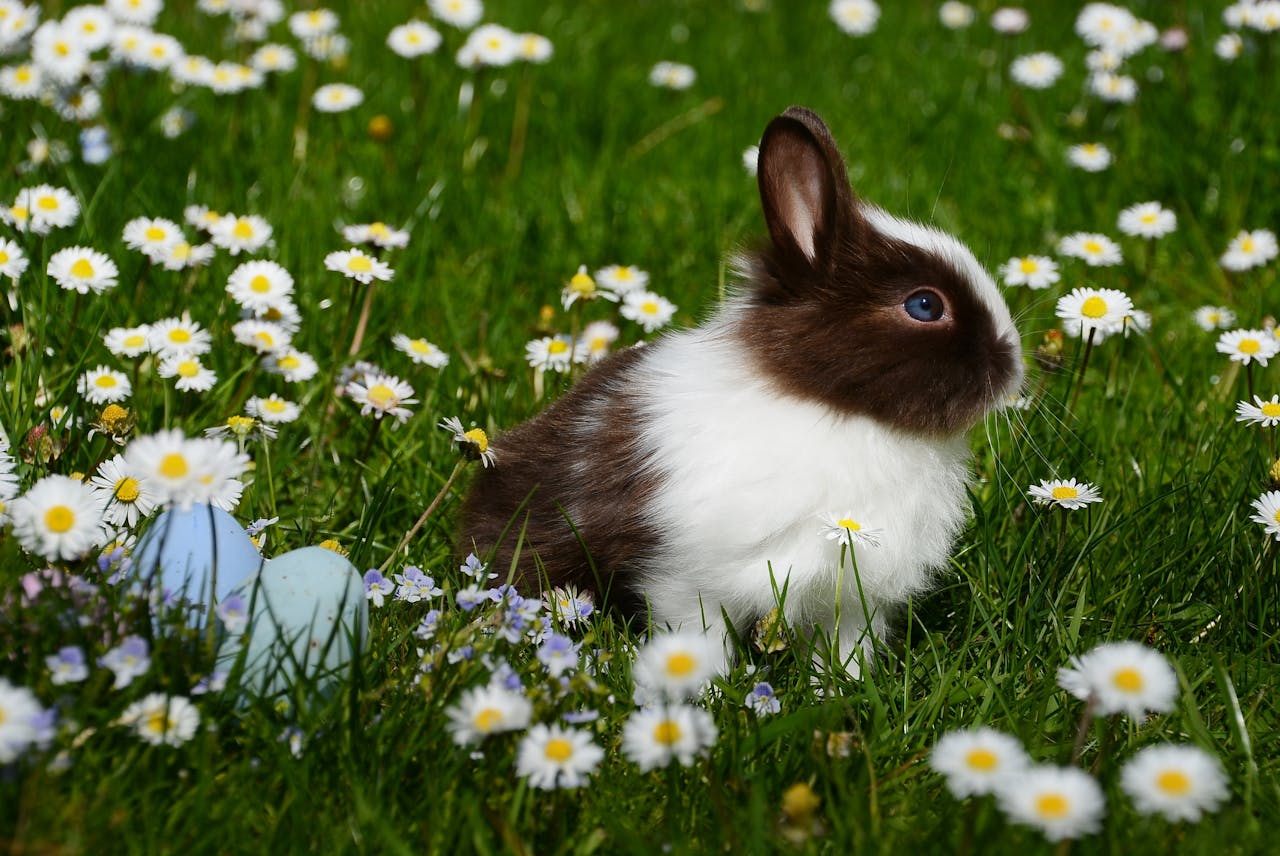
Parasitic diseases in rabbits: the commonest threats and how to prevent them
Coccidiosis, encephalitozoonosis, ear mange and cheyletiellosis are the parasitic diseases pet rabbits meet most often, and they can go unnoticed for a long time. We explain how they are diagnosed in the laboratory, how they are treated, and which hygiene, quarantine and feeding rules keep infection at bay.
-
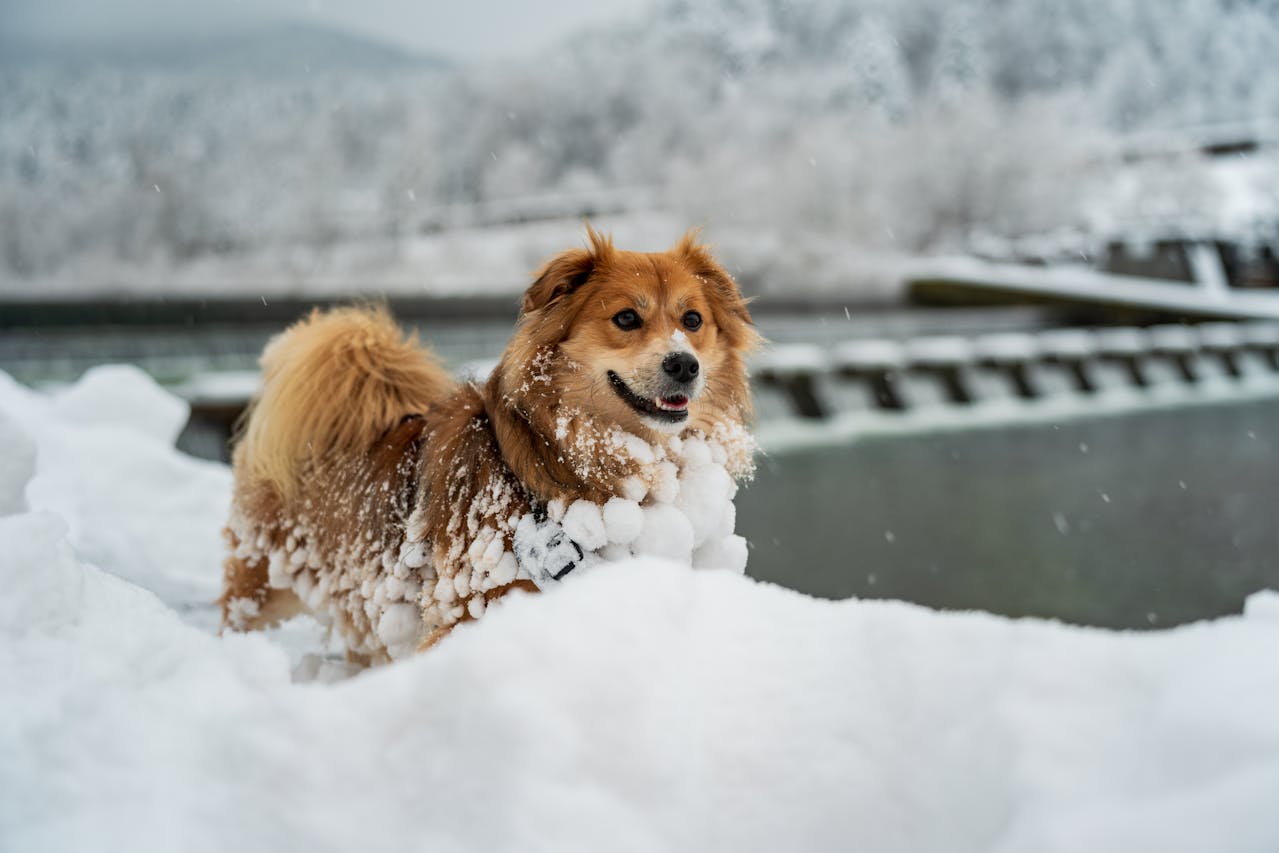
How to protect your dog’s paws in winter
Frost, ice and road salt leave a dog's pads irritated, cracked and sometimes frostbitten every winter. We explain how to pick a route and a protective wax before the walk, how to rinse and dry the paws properly once you are home, and which signs mean it is time to call the veterinary clinic.
-
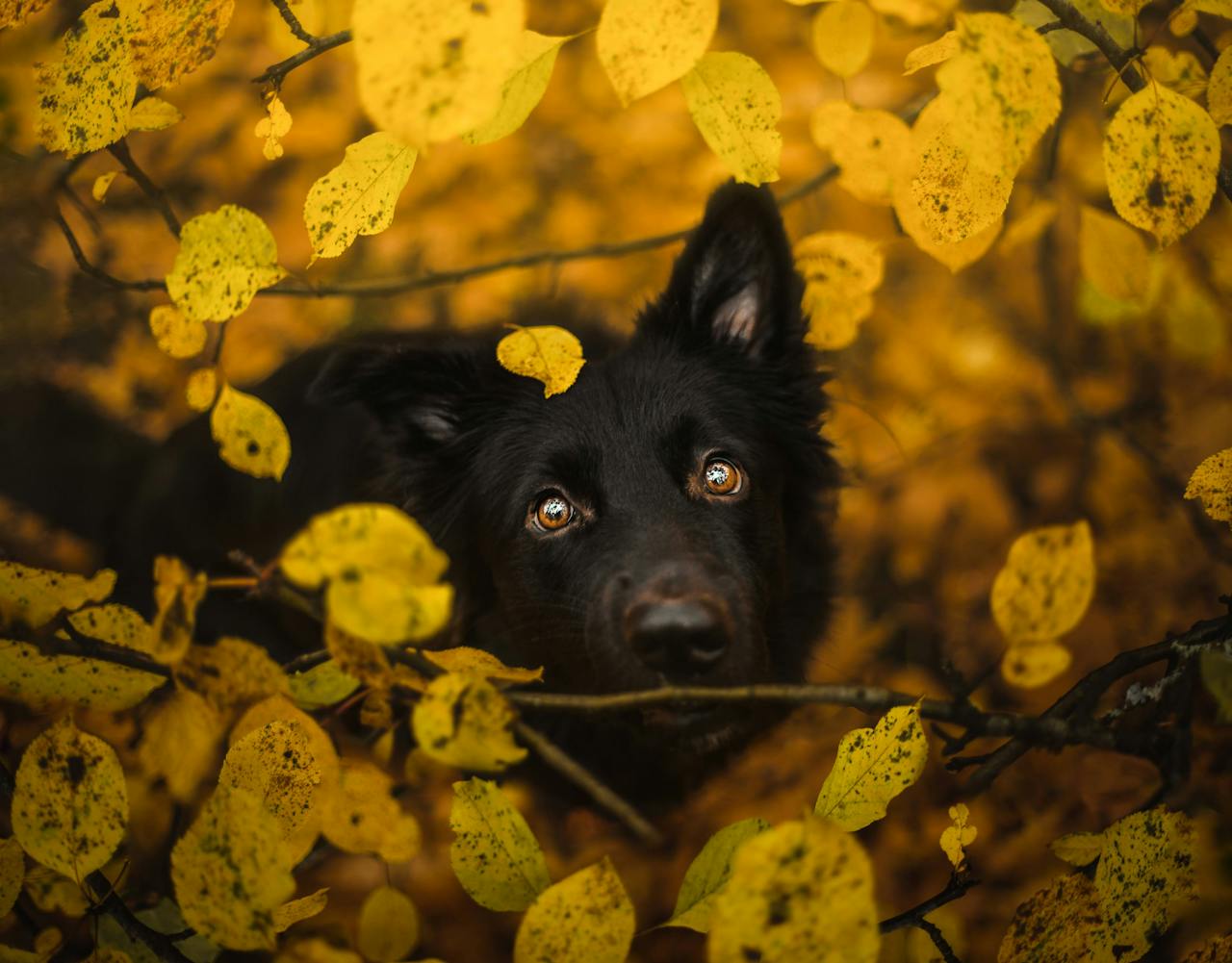
Horner’s syndrome in dogs and cats: signs, causes, diagnosis and treatment
A drooping eyelid, a smaller pupil and a visible third eyelid on one side add up to Horner's syndrome. It is not painful in itself and does not harm sight, but it often signals another, more serious condition underneath. We explain the causes, the diagnostic steps, the pharmacological tests and the treatment options.
How to get your pet ready for the winter months
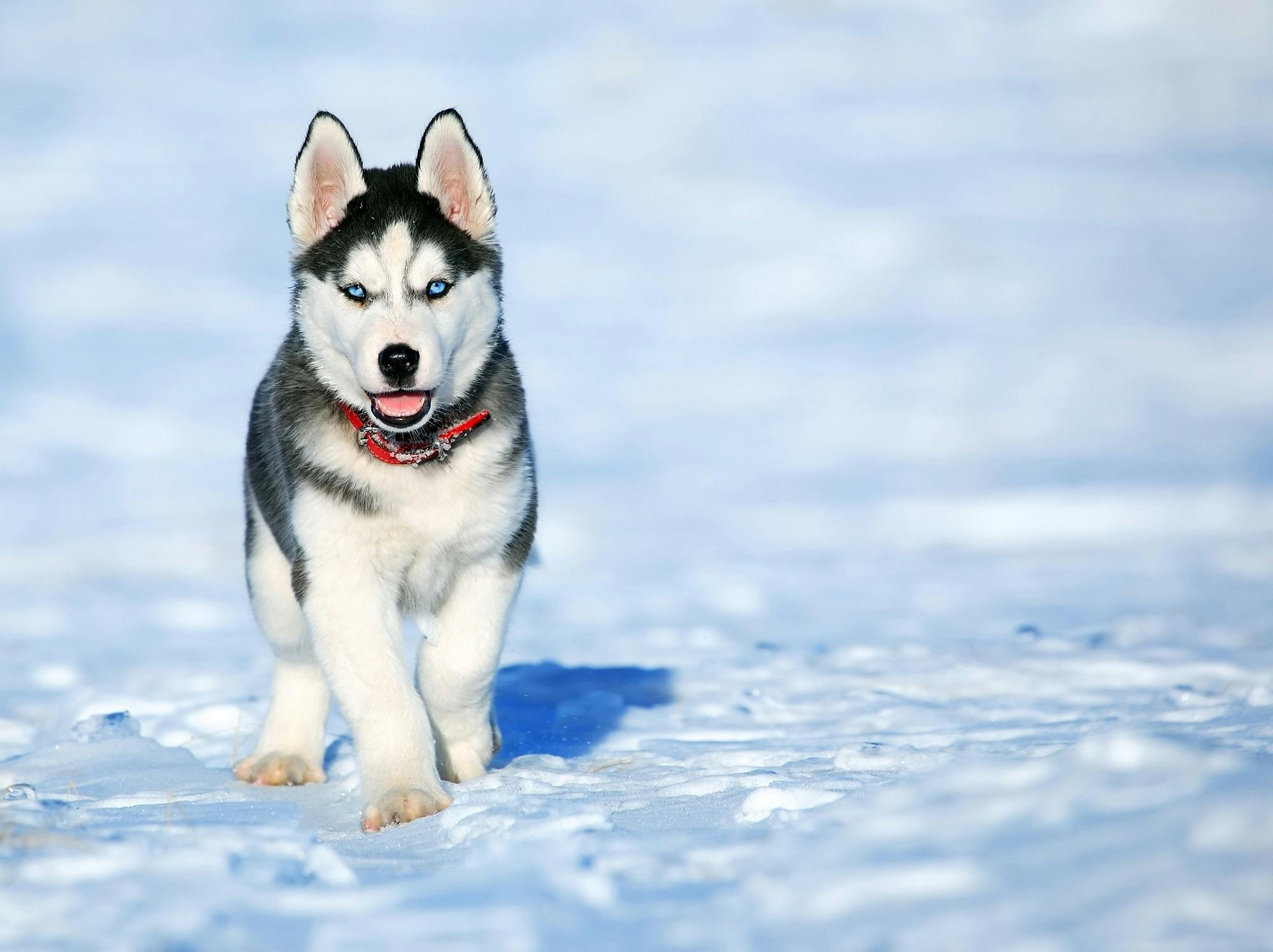
The first snow and frosts are already here. The winter months can be a demanding time for people and for our four-legged friends alike. Low temperatures, slippery ground and short daylight hours are only some of the challenges dogs and cats have to face.
Winter hazards for dogs and cats
Winter brings a whole range of hazards for dogs and cats that can affect their health and wellbeing. Above all, low temperatures can lead to the body cooling down dangerously, especially in young and elderly animals and in short-haired breeds without an undercoat. In such conditions pets are at risk of hypothermia, which shows itself as shivering, lethargy and, in extreme cases, loss of consciousness. Winter walks also carry a risk of frostbite, which most often affects delicate areas such as the paw pads, ears and tail.
Just as important is the hazard posed by road salt and de-icing chemicals. These substances can cause irritation and chemical burns to the paws, and if swallowed — for instance when a pet licks its paws after a walk — they can lead to poisoning and digestive upset.
Another risk comes from ice and snow, which can cause slips and physical injuries, such as sprains, dislocations or even fractures. Frozen bodies of water are particularly dangerous, as they can look perfectly solid to an unsuspecting animal that may then fall through the ice.
The coat as protection against the cold
The coat plays a key role in protecting dogs and cats from the cold: it insulates, helps regulate body temperature and shields the skin from moisture. Most animals have either a double or a single coat. A double coat consists of a dense undercoat that traps warmth and a longer protective topcoat that carries moisture and dirt away. Breeds well suited to low temperatures include the Siberian husky, the malamute and the German shepherd, all of which have exceptionally thick, long fur. Their coat allows them to cope with extreme conditions and insulates them effectively even in the coldest climates.
Not every breed, however, is naturally equipped for winter. Short-haired dogs such as chihuahuas, French bulldogs and dalmatians are far more vulnerable to the cold, because their thin, sparse coat offers little thermal protection. Likewise, many hairless cat breeds, the sphynx among them, have no natural defence against the cold and need extra help in the form of clothing or covers. Breeds with thick fur, such as the Maine coon or the Norwegian forest cat, cope with winter considerably better.
What should winter exercise look like for dogs and cats?
For dogs, the ideal way to stay fit and get enough movement is walking on straightforward, well-kept paths where the surface is relatively even and there is no risk of slipping. It is also worth arranging shorter but more frequent walks, adjusting their length to the weather and to your dog’s condition. Games in the snow, such as fetching a ball or a frisbee, are another excellent way of keeping a dog active, though do avoid overly tiring play in extreme temperatures.
Cats, which are more sensitive to the cold and less inclined to go outside, benefit from having their indoor environment enriched over winter. Interactive toys, climbing on scratching posts and treats hidden around the house provide entertainment as well as mental stimulation. It is also worth investing in toys that make a cat work for the reward, such as treat balls that encourage physical activity.
Why winter clothing for dogs and cats is worth considering
With the right clothing, pets can enjoy walks outdoors without the risk of getting chilled or frostbitten. Above all, a well-chosen garment protects an animal from low temperatures, which matters enormously for short-haired breeds and for those with no natural insulation, such as chihuahuas or sphynx cats.
Winter clothing also protects sensitive areas — the belly, chest and paws — from cold wind, snow and road salt, all of which can irritate the skin. Beyond warmth, some designs offer extra features such as water resistance, so the animal is less exposed to damp during rain or a thaw. It is also worth noting that winter coats for dogs and cats often include reflective elements, making pets more visible on evening walks, which is crucial for their safety.
Our pets’ winter diet
A dog’s or cat’s winter diet deserves particular attention, so that the animal gets the energy it needs to cope with the colder months. It is worth increasing the calorie content of meals by adding extra sources of protein and fat, which helps maintain body temperature and supports the immune system. Meat, fish and complete commercial foods will supply the necessary nutrients. Water intake must not be overlooked either, as animals tend to drink less in cold air, which brings a risk of dehydration. Vitamin supplements, especially those that support immunity, can also be beneficial over winter. Meals should be served regularly at fixed times, and food treats such as vegetables or fruit (sticking to those that are safe for pets) make a tasty addition, providing motivation and an extra source of vitamins.
Regular veterinary check-ups — in winter too!
Over the winter, regular visits to the veterinarian are essential to keep our pets healthy through this difficult season. Winter weather — low temperatures, damp and reduced exposure to sunlight — can weaken an animal’s immune system. That in turn opens the door to various health problems, such as chills, joint disease or skin conditions. A veterinarian can help identify signs that owners may miss, such as changes in behaviour, appetite or activity levels. Regular check-ups also make it possible to monitor a pet’s health and to arrange any vaccinations and preventive care that will protect it against seasonal illness. Looking after animals in winter through veterinary visits is a key part of responsible care and can make a real difference to their comfort and quality of life in harsh weather.
Summary
Preparing a pet for the challenges of winter is not only a matter of comfort, but above all of health and safety. Proper care and attention during the winter months can significantly improve how animals feel and make the season an enjoyable one for pets and owners alike.