

-
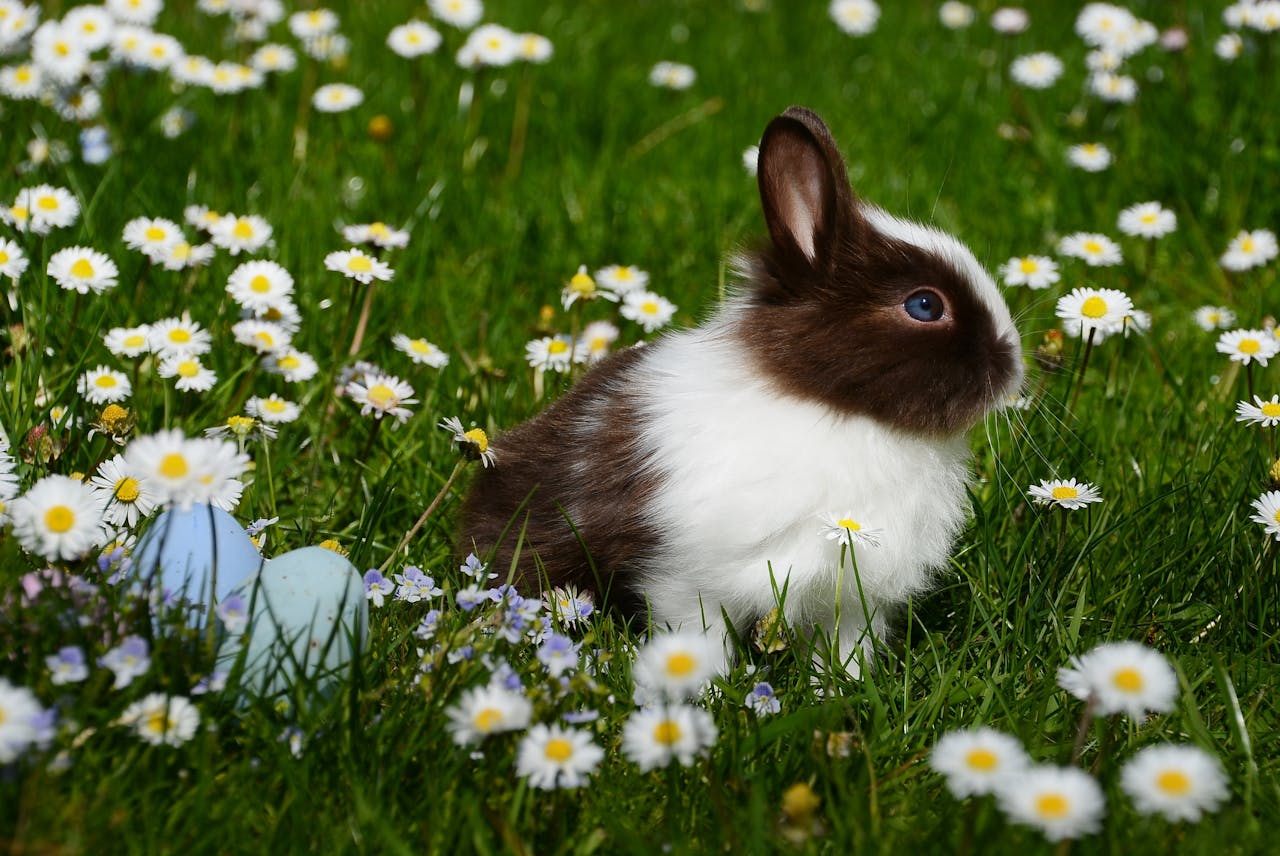
Parasitic diseases in rabbits: the commonest threats and how to prevent them
Coccidiosis, encephalitozoonosis, ear mange and cheyletiellosis are the parasitic diseases pet rabbits meet most often, and they can go unnoticed for a long time. We explain how they are diagnosed in the laboratory, how they are treated, and which hygiene, quarantine and feeding rules keep infection at bay.
-

How to protect your dog’s paws in winter
Frost, ice and road salt leave a dog's pads irritated, cracked and sometimes frostbitten every winter. We explain how to pick a route and a protective wax before the walk, how to rinse and dry the paws properly once you are home, and which signs mean it is time to call the veterinary clinic.
-
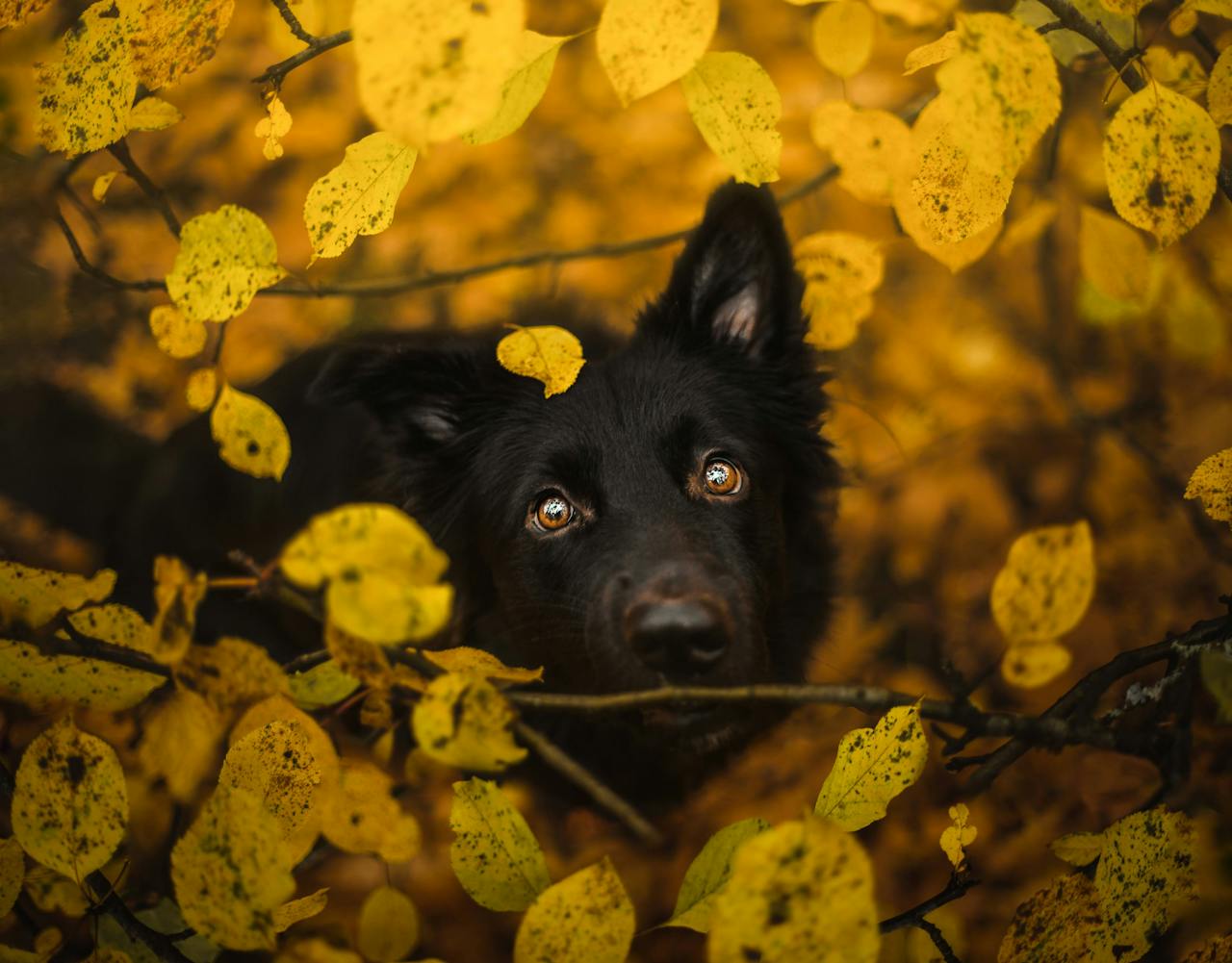
Horner’s syndrome in dogs and cats: signs, causes, diagnosis and treatment
A drooping eyelid, a smaller pupil and a visible third eyelid on one side add up to Horner's syndrome. It is not painful in itself and does not harm sight, but it often signals another, more serious condition underneath. We explain the causes, the diagnostic steps, the pharmacological tests and the treatment options.
Parvovirus in puppies: how to recognise and treat this dangerous disease

Parvovirus in puppies is a subject that stirs up a great deal of worry among dog owners. It is a highly contagious viral disease that can have serious consequences for the health of our four-legged friends. In this article we explain exactly what parvovirus is, what its symptoms are and how it can be prevented. Understanding this disease is key to giving our pets a long and healthy life. Read on to learn more about how to protect your puppies from this dangerous virus.
What is parvovirus in puppies?
Parvovirus, also known as canine typhus, is a highly contagious viral disease that poses a serious threat to the health of puppies. It is caused by the CPV-2 virus (Canine Parvovirus type 2), which primarily attacks the digestive system of young dogs. The disease presents as haemorrhagic inflammation of the stomach and intestines, leaving the body severely weakened. Left untreated, parvovirus can have tragic consequences, including the death of the animal. That is why prompt recognition and appropriate action are so important.
Puppies are especially vulnerable to parvovirus because their immune systems are not yet mature. The disease progresses rapidly and can lead to serious health consequences. Symptoms such as bloody diarrhoea, vomiting and loss of appetite can appear suddenly and worsen quickly. Dog owners should be aware of these signs and consult a vet without delay if they occur. To protect your pet from this dangerous disease, remember to keep up with vaccinations and maintain good hygiene in its surroundings.
What causes parvovirus?
Parvovirus, also known as canine typhus, is caused by the CPV-2 virus (Canine Parvovirus type 2). It is an extremely contagious disease that can affect any dog but is particularly dangerous for puppies. Infection occurs through contact with the faeces, urine, saliva or vomit of a sick animal. The virus is exceptionally resistant to environmental conditions, which means it can survive in the surroundings for a long time. That is why good hygiene and avoiding places where sick dogs may have been are so important.
The CPV-2 virus is highly infectious. Even brief contact with contaminated objects or surfaces can lead to infection. The most common routes of transmission are:
Because it withstands changes in temperature and pH, the CPV-2 virus poses a serious threat to the health of puppies. That is why it is so important to recognise the symptoms quickly and take appropriate preventive measures.
Symptoms of parvovirus in puppies
Parvovirus in a puppy is a serious disease whose symptoms can come on suddenly and violently. One of the most characteristic signs is bloody diarrhoea, which is often accompanied by vomiting. Puppies with parvovirus usually lose their appetite, leading to rapid weight loss. Owners may also notice that their pet becomes listless and avoids activities it used to enjoy. In addition, the puppy may have abdominal pain, shown by restlessness or whimpering when touched.
Recognising these symptoms quickly is vital for successful treatment of parvovirus. The sooner the right steps are taken, the better the chances of a full recovery. That is why owners need to stay alert and respond to any worrying changes in their pet’s behaviour. If parvovirus is suspected, see a vet as soon as possible; they will carry out the necessary tests and recommend the appropriate treatment. Remember that swift action can save the life of our four-legged friend.
How is parvovirus diagnosed?
Diagnosing parvovirus in a puppy is a process that requires precise veterinary testing. If you notice symptoms such as bloody diarrhoea, vomiting or loss of appetite in your pet, go to the vet straight away. The first step in diagnosis is a blood test, which allows the vet to assess the animal’s general health and detect any abnormalities, such as leukopenia (a low white blood cell count). Another important investigation is an abdominal ultrasound scan, which makes it possible to assess the internal organs and detect any inflammatory changes.
To confirm the presence of the parvovirus, vets often turn to serological tests. These methods rely on detecting the antibodies the dog’s body produces in response to the infection. It is also worth mentioning the rapid in-clinic test, which detects viral antigens in the puppy’s faeces or vomit. This allows a quick diagnosis and an early start to treatment. Remember that the sooner medical intervention begins, the better your pet’s chances of a full recovery.
Treating parvovirus in puppies
Treating parvovirus in puppies requires prompt and decisive veterinary intervention. The key is to use the right measures to relieve the symptoms and support the body in fighting the virus. The first line of treatment is anti-emetic and anti-diarrhoeal medication, which helps control the distressing symptoms of the disease. At the same time, fluid therapy is extremely important: intravenous fluids prevent dehydration and help maintain the body’s electrolyte balance.
In addition, to support the puppy’s immune system, immune-boosting preparations are used, such as antibody serum from recovered dogs or specialised supplementary foods. The puppy’s condition needs to be monitored throughout the course of treatment. Regular veterinary visits allow the progress of therapy to be assessed and adjusted to the animal’s needs on an ongoing basis. It is worth remembering that a quick response and appropriate treatment can significantly improve your pet’s chances of a full recovery.
How to prevent parvovirus
Preventing parvovirus in puppies is a key part of looking after the health of our four-legged friends. The most effective protection against this dangerous disease is vaccination. It significantly reduces the risk of infection with the CPV-2 virus. Puppies should receive their first vaccination at 6–8 weeks of age, followed by further doses every 2–4 weeks until they are 16 weeks old. For adult dogs, regular boosters every three years are recommended to maintain adequate immunity.
Alongside vaccination, disinfecting the surroundings is just as important, especially if there has been contact with a sick animal. The parvovirus is extremely resistant to environmental conditions and can survive for a long time outside its host. So make sure to clean thoroughly any areas where an infected dog has been, using specialist disinfectants. Also remember to throw away or thoroughly clean all accessories and toys used by the sick dog to prevent the virus spreading further.
Summary
Parvovirus is a dangerous viral disease that poses a serious threat to the health of puppies. It is caused by the CPV-2 virus, which primarily attacks the digestive system of young dogs. Symptoms such as haemorrhagic inflammation of the stomach and intestines can leave the body severely weakened, and left untreated the disease can end in the animal’s death. Recognising the symptoms quickly and taking appropriate action are crucial to saving a pet’s life.
Puppies are especially vulnerable to parvovirus because their immune systems are not yet mature. The disease progresses rapidly, and its symptoms, such as bloody diarrhoea and vomiting, can appear suddenly. Dog owners should be aware of these signs and consult a vet without delay if they occur. Regular vaccination and good hygiene in the surroundings are the basic preventive measures that can protect a puppy from this dangerous disease.
Frequently asked questions
Can parvovirus affect adult dogs?
Yes, parvovirus can affect adult dogs too, although they are less susceptible to the disease than puppies. Adult dogs with a strong immune system that are vaccinated regularly have a lower risk of falling ill. Nevertheless, if exposed to the virus, even adult dogs can become infected, especially if their immunity is weakened.
What are the long-term effects of parvovirus in dogs that survive?
Dogs that have survived parvovirus may experience long-term health effects. These can include digestive problems such as chronic diarrhoea or a sensitive stomach. In some cases the heart or other internal organs may be damaged. Regular veterinary check-ups will help monitor the dog’s health after the illness.
Are there natural methods that can support parvovirus treatment?
Natural methods can support conventional parvovirus treatment but should never replace it. Some dietary supplements, such as probiotics or vitamin preparations, may help support the dog’s immune system. It is important, however, to discuss any additional therapy with your vet.
How long can the parvovirus survive in the environment?
The parvovirus is exceptionally hardy and can survive in the environment for many months. It can persist on surfaces such as floors, bowls and toys. That is why thorough disinfection of places where a sick dog has been is so important.
Can parvovirus be prevented through diet?
Diet alone will not prevent parvovirus infection, but healthy nutrition can support the dog’s immune system. A well-balanced diet rich in protein and vitamins will help keep the dog in good health. The most important preventive measure, however, is vaccination.
Can other pets catch parvovirus from a dog?
Parvovirus is specific to dogs and does not spread to other pet species such as cats or rabbits. However, other dogs in the household are at risk of infection, so it is important to isolate the sick dog and follow strict hygiene rules.
How much does parvovirus treatment for a puppy cost?
The cost of treating parvovirus can be considerable and depends on the severity of the disease and the length of hospitalisation. It covers veterinary visits, antiviral medication, fluid therapy and any hospital stay. It is worth considering pet health insurance as financial protection against situations like these.