
Contact us Make an appointment

Which pet should you choose for your child? A practical guide for parents

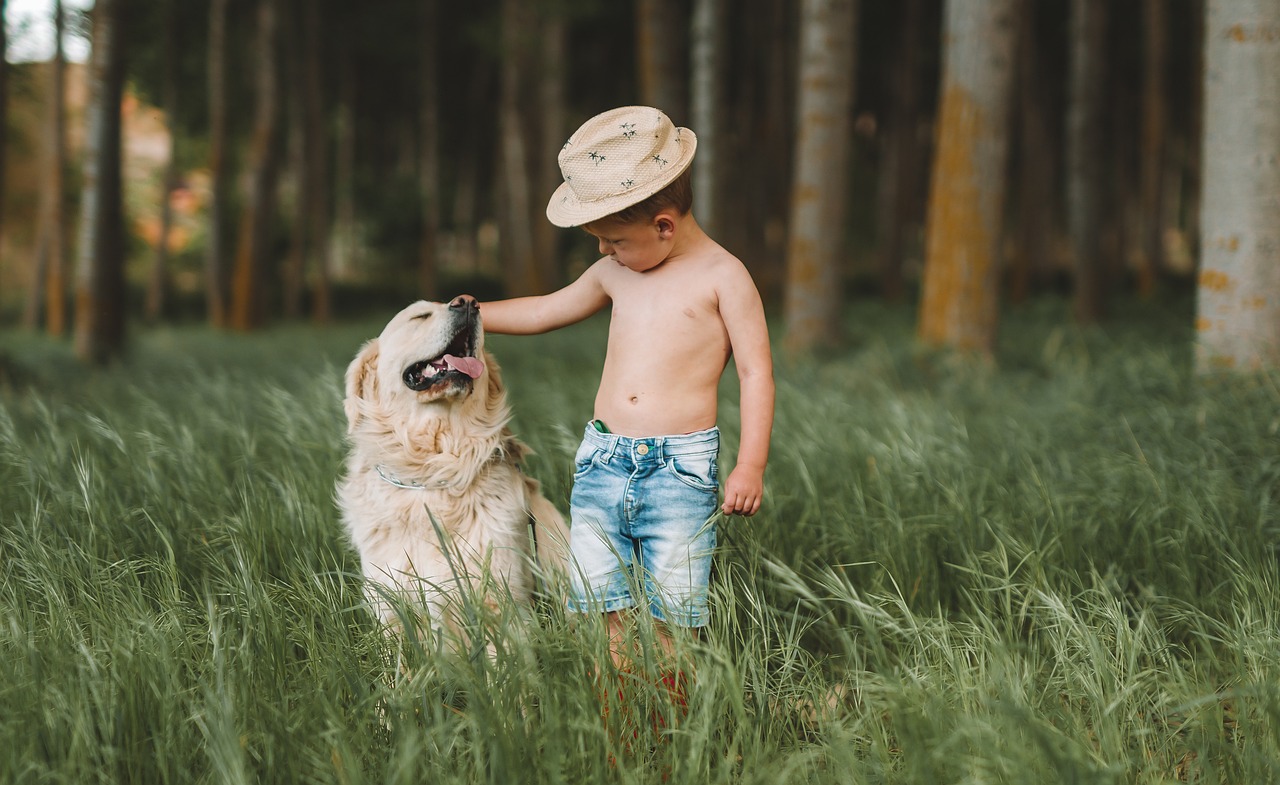
Have you ever wondered what a child gains from having a pet at home? It is not only a source of joy and fun but also an important part of a young person’s emotional and social development. Animals teach children empathy and responsibility, helping them understand the needs of other living beings. Looking after a pet is an excellent opportunity to learn consistency and care for others. What is more, having an animal in the house can be genuinely therapeutic, particularly for shy children or those on the autism spectrum. Time spent with a four-legged companion can build confidence and make it easier to connect with other children. Read on for a closer look at all the benefits of a child having a pet.

  • Having a pet supports a child’s emotional and social development, teaching empathy and responsibility.
  • Animals can play a therapeutic role, helping shy or autistic children build confidence and form relationships.
  • For the youngest children a pet can become a first friend; for older ones it is a chance to learn to plan and organise their time.
  • Contact with animals helps children manage their emotions, reducing stress and teaching them to recognise their feelings in a healthy way.
  • The choice of pet should be a considered one – dogs are sociable, cats more independent, while hamsters or guinea pigs need less attention.
  • Children can take part in caring for a pet, but the main responsibility rests with the parents. Tasks are best matched to the child’s age.
  • For children with allergies, aquarium fish or tortoises can be a good choice. There are also breeds of dog and cat that are less likely to trigger allergies.
  • Getting the home ready for a new pet means creating a safe space and buying the essentials, such as a bed and bowls.

The benefits of a child having a pet

A pet is not only a source of joy for a child but also an important support for their emotional and social development. Animals teach children empathy, because they require an understanding of their needs and feelings. As a child cares for a pet, they begin to see that every living creature has its own needs and emotions. It is an excellent lesson in responsibility – feeding, cleaning up and playing with an animal are duties that teach consistency and care for others. Animals can also play a therapeutic role, particularly for shy children or those on the autism spectrum. Having a four-legged friend around can lend courage and confidence and make it easier to connect with other children.

It is worth stressing that contact with animals brings benefits to children of every age.

  • For the youngest children, a dog or a cat can become a first friend who is always ready to play.
  • For older children, looking after a pet is a chance to learn to plan and organise their time.

Animals also help children manage their emotions – stroking a cat or walking a dog can be calming and takes the edge off stress. This helps children recognise their own feelings and handle them in a healthy way. Time spent together with a pet is also a wonderful way to strengthen family bonds, since the whole household can get involved in caring for its newest member.

Which pet should you choose for your child?

Choosing the right pet for a child is a decision that deserves careful thought. Every animal has its own particular needs and care requirements. Dogs are often chosen as a child’s first pet thanks to their sociable nature and their ability to form strong bonds with the family. Do bear in mind, though, that dogs need regular walks, proper training and plenty of attention. If you live in a large house with a garden, bigger breeds such as the golden retriever may be an ideal choice. In a smaller flat, smaller breeds such as the English bulldog will do better.

Cats are an excellent option for families who prefer a more independent animal. Cats do not need walking, but they do need a clean litter tray and somewhere to rest. They suit children who enjoy quiet company. For anyone looking for something smaller, hamsters and guinea pigs can be a great choice. Hamsters are solitary and nocturnal, which is worth keeping in mind. Guinea pigs, by contrast, are more sociable and are happiest in pairs. If your child is drawn to the underwater world, aquarium fish can bring a great deal of pleasure and teach responsibility through the regular care an aquarium demands.

Can a child look after a pet on their own?

Children often say they would love a pet of their own, but it is worth remembering that the main responsibility for its care rests with the parents. Children can of course share in the daily duties that come with an animal, and that is an excellent way to learn empathy and responsibility. It is the adults, however, who must make sure all the animal’s needs are met. Depending on the child’s age and maturity, various tasks can be handed over:

  • Younger children can help with simple jobs such as filling the water bowl or putting out food.
  • Older children can take charge of cleaning the cat’s litter tray or the hamster’s cage.
  • Teenagers are usually able to walk the dog on their own or keep the fish fed on schedule.

Even so, remember that however involved a child is in caring for a pet, parents should keep an eye on things and be ready to step in when needed. Animals are living creatures that require constant attention and care. That is why it matters that the whole family understands its responsibilities and looks after the wellbeing of its new member together. That way both child and animal can enjoy each other’s company safely and happily.

Pets and allergies in children

Many children dream of having a pet, but for some it is a challenge because of allergies. Allergies to animal hair, from dogs or cats, are fairly common and can produce a range of symptoms, from mild to thoroughly troublesome. It is worth knowing that allergens are not confined to the coat – they are also present in an animal’s saliva and skin flakes. For parents of children with allergies, the key is finding solutions that allow the family to enjoy an animal’s company without any risk to health. Here are a few alternatives:

  • Aquarium fish – not only beautiful and relaxing to watch, but completely safe for allergy sufferers.
  • Tortoises – these placid creatures have neither fur nor feathers, which makes them an ideal choice for anyone with allergies.

For those who would still like a dog or a cat, some breeds are less likely to trigger allergies. Among dogs, poodles and schnauzers are worth considering, as they have hair rather than fur. Among cats, breeds such as the Siberian and the Norwegian forest cat are known for producing fewer allergens. Before making a decision, however, it is important to consult a doctor and have allergy testing done.

Getting your home ready for a new pet

Preparing the house for a new pet is an important stage that will keep the animal comfortable and safe. Above all, set aside a space where it can feel at ease. Choose a spot that will be its retreat – a corner of the living room, perhaps, or a room prepared especially for it. Make sure it is free of anything dangerous and easy for everyone in the household to reach. Buying the essentials is the next important step. Depending on the type of animal, these may include:

  • a bed or a cage
  • bowls for water and food
  • toys and grooming supplies
  • a litter tray for a cat or a lead for a dog

Before the new member of the family arrives, it is worth talking through the duties of caring for it with everyone at home. Each person should know what falls to them – from feeding to cleaning up or taking the dog out. That avoids misunderstandings and ensures the animal is properly looked after. Remember that a pet is a shared responsibility, and a well-organised division of duties makes daily life with a new companion far easier.

Summary

A pet is not only a source of joy for a child but also an important support for their emotional and social development. Animals teach children empathy, because they require an understanding of their needs and feelings. Caring for a pet is an excellent lesson in responsibility – feeding, cleaning up and playing with an animal teach consistency and care for others. Animals can also play a therapeutic role, particularly for shy children or those on the autism spectrum, giving them courage and confidence and making it easier to form relationships with other children.

Contact with animals brings many benefits to children of every age. For the youngest, a dog or a cat can become a first friend; for older children, looking after a pet is a chance to learn to plan and organise their time. Animals also help children manage their emotions – stroking a cat or walking a dog is calming and takes the edge off stress. Time spent together with a pet is also a wonderful way to strengthen family bonds, since the whole household can get involved in caring for its newest member.

Frequently asked questions

What are the most common mistakes parents make when choosing a pet for their child?

Many parents choose a pet on impulse, without considering the long-term commitment its care involves. They also often forget to take the family’s lifestyle and the amount of space at home into account, which can leave the animal struggling to settle in. It is important to think the decision through carefully and make sure the chosen animal suits your home and the time your family can realistically give it.

Are there animals that can help children with emotional difficulties?

Yes, some animals have therapeutic qualities and can support children with emotional difficulties. Therapy dogs are often used in work with children with autism or ADHD, helping them form relationships and reducing stress. Cats too can have a calming effect thanks to their placid disposition.

What are the health benefits for a child of having a pet?

Having a pet can bring a child many health benefits. Regular walks with a dog encourage physical activity, which is good for the heart and general fitness. Contact with animals may also strengthen a child’s immune system and reduce stress by lowering cortisol levels.

Are some dog or cat breeds better suited to families with young children?

Yes, some dog and cat breeds are friendlier towards families with young children. Among dogs, labrador retrievers and beagles are worth considering, as they are known for their patience and gentle nature. Among cats, breeds such as the ragdoll and the maine coon are often recommended for their sociable, easy-going temperament.

How can you prepare a child for the arrival of a new pet?

Before a new pet arrives, talk to your child about the duties that come with caring for an animal. You could also visit a shelter or a breeder so that the child can see what day-to-day animal care looks like. It is equally important to teach the child to handle the animal gently and respect its space.

Can children learn responsibility by looking after plants instead of animals?

Yes, caring for plants can be an excellent introduction to responsibility before taking on a pet. Children learn to water regularly, watch a plant grow and attend to its needs. It is a great way to build consistency and care for other living things.

Malassezia dermatitis in dogs – symptoms, types, diagnosis and treatment

What is Malassezia dermatitis in dogs?

Malassezia dermatitis in a dog is an infection caused by the overgrowth of yeasts on the animal’s skin, most often the yeast Malassezia pachydermatis. These yeasts are normal residents of healthy canine skin and usually cause no trouble at all. They only become a problem when the skin’s microbial balance is disturbed, allowing them to multiply unchecked.Infections of this kind can lead to skin inflammation, causing intense itching, painful skin lesions and a characteristic unpleasant, yeasty smell.

Where does Malassezia dermatitis most often appear in dogs?

Malassezia dermatitis can develop on various parts of a dog’s body, and where it settles usually depends on which areas offer the yeasts the conditions they like. The ears are one of the most common sites. Dogs with drop ears, which trap moisture and warmth, are especially prone to it. In the ears the infection shows up as inflammation, severe itching and often a discharge with a distinctive smell. The next high-risk area is the skin folds, particularly in breeds with loose skin such as bulldogs or shar peis. Moisture and skin-on-skin contact encourage the yeasts to thrive, leading to redness, irritation and an unpleasant smell within the folds.

Other areas that may be affected include the groin, the belly and the armpits, where moisture also tends to collect. Malassezia dermatitis can appear on the paws too, especially between the toes, where the skin is more delicate and prone to abrasions. Finally, the infection may show up on the body as focal skin lesions – reddened patches, papules or flaking areas that can be itchy and sore.

What causes Malassezia dermatitis?

The reasons behind this uncontrolled yeast growth vary and may involve a number of factors. One of the main ones is a weakened immune system, which can result from chronic conditions such as diabetes, liver disease or kidney failure. On top of that, food allergies or allergies to environmental triggers (pollen or dust mites, for instance) can cause skin inflammation, which in turn favours yeast overgrowth.

Other factors include excessive moisture and warmth, which raise the risk of infection, particularly in long-coated dogs or those with drop ears where moisture builds up. Certain medicines, especially long-term use of antibiotics and corticosteroids, can also upset the balance of the skin’s microflora and open the door to Malassezia. An unsuitable diet lacking in nutrients may likewise weaken a dog’s immunity and make skin problems more likely.

What are the symptoms of Malassezia dermatitis?

The symptoms of Malassezia dermatitis in dogs vary and depend on where the infection is located. 

  • Itching: intense itching of the skin, which often leads to scratching and chewing and can leave the skin irritated and broken.
  • Reddened skin: the affected areas may be visibly red and tender to the touch.
  • Unpleasant smell: a yeast infection often has a distinctive, unpleasant odour, especially around the ears and skin folds.
  • Ear discharge: in the ears the infection produces a discharge that may be brown, thick and distinctly smelly.
  • Flaking skin: the infection can cause the outer skin layer to flake and dandruff to appear.
  • Skin lesions: papules and blisters may develop and, in some cases, wounds or ulcers as well, particularly where the dog scratches hardest.
  • Excess earwax: when the infection involves the ears, you may notice far more wax than usual.
  • Apathy: discomfort and pain can leave a dog less active and looking generally under the weather.

How is it diagnosed?

Diagnosing Malassezia dermatitis in dogs calls for a careful, detailed clinical examination along with a range of tests. The veterinarian starts by reviewing the dog’s medical history and the signs that point to an infection. A physical examination follows, focusing on the affected areas of skin and on the ears. To confirm that yeasts are present, a skin scraping or a sample of ear discharge is usually taken for microscopic analysis. In some cases, to rule out other skin conditions, allergy testing or further laboratory work may be ordered.

What might treatment involve?

Treatment usually combines medication with changes to the dog’s grooming and care routine. The standard approach involves topical antifungal shampoos or rinses that reduce the number of yeasts on the skin and in the ears. In more severe infections the veterinarian may prescribe oral antifungal medication. Supportive therapy matters just as much: removing the factors that encouraged the infection in the first place, such as switching to a more suitable diet, treating allergies, and keeping moisture-prone areas clean and dry. The aim is not only to clear the yeasts but also to restore the balance of the skin’s microflora and prevent the problem from coming back. Regular check-ups with the veterinarian are essential for monitoring progress and keeping an eye on the dog’s overall health.

Treatment is chosen by the veterinarian according to each patient’s condition and needs. If you notice worrying signs in your dog, get in touch with a veterinary clinic.

Summary

Malassezia dermatitis in dogs can be a nuisance, but with the right approach it is a condition that can be kept under control and treated effectively. Regular veterinary check-ups, watching for symptoms and acting early on any warning signs can make a real difference to a dog’s comfort and prevent long-term complications.

Bathing your cat: when, how often and what to use

Bathing a cat is a subject that stirs up strong feelings among cat owners. Although cats are famous for keeping themselves clean, a bath is occasionally unavoidable. In this article we look at when it is worth bathing your cat, how often to do it and what products to use.

When should you bathe a cat?

Bathing is not standard practice for cats and is usually unnecessary, since they look after their own hygiene by licking their coat. There are, however, specific situations in which a bath becomes essential. One example is soiling – when a cat has come into contact with substances that may be harmful or unpleasant, such as paint, oil or chemicals, a bath is needed to remove the contamination effectively and prevent it being absorbed through the skin. Bathing also becomes crucial in cases of skin problems, which may call for special medicated shampoos intended to treat and soothe irritation. People with allergies can benefit too, as a bath helps remove allergens such as pollen or dust that settle in the coat. It is also worth remembering older cats, which may struggle to groom themselves properly. In these animals, a lack of regular grooming can lead to skin inflammation, so bathing may become a necessity to keep them comfortable and healthy.

How often should you bathe a cat?

How often a cat needs bathing depends on several factors, including lifestyle, age and state of health. Generally, most cats do not need frequent baths – once every few months, and in some cases even once a year, may be enough. Cats that spend a lot of time outdoors and regularly get dirty may need a bath every few weeks, particularly if their coat is heavily soiled. Indoor cats, on the other hand, are less exposed to dirt, so bathing should be limited to avoid disturbing the natural balance of their skin. With older cats or those with skin conditions it is important to follow the advice of your veterinarian, who may suggest more frequent bathing depending on the animal’s health. The key is to watch your cat and its needs – if you notice it is struggling to stay clean or its coat looks soiled, it may be time for a bath.

How to prepare for the bath

Preparation is a key element that can make the whole process easier. 

  • Gather what you need: get out a cat shampoo, a towel, a jug or cup for pouring water, and a non-slip mat or towel for the bottom of the bath or sink.
  • Choose the right space: the bathroom is the best place to bathe a cat, as water is easy to reach. Make sure the space is quiet and calm so as not to stress your pet. The tub or sink should be stable so that the cat feels secure. A non-slip mat is also useful, as it stops your pet sliding about.
  • Use lukewarm water: the water temperature should be comfortable for the cat – lukewarm, neither too hot nor too cold.

How to choose the right shampoo

Choosing the right bathing products is essential to keeping a cat comfortable and safe. Above all, use shampoos formulated specifically for cats, as human shampoo may contain chemicals that are too harsh for their delicate skin and can cause allergies or irritation. It is worth checking the ingredients; ideally the shampoo should be free from parabens, sulphates and artificial dyes. Moisturising shampoos, or those containing natural ingredients such as aloe or oils, can be a good choice, especially for cats with sensitive skin.

What the bath itself should look like

Before bathing a cat, it is worth preparing and tending to the coat. Brush the cat thoroughly, removing any mats and dead hair that could stop the shampoo reaching the skin. Washing alone will not untangle a matted coat, so it is important to remove other debris such as sand or bits of plant material beforehand, using a fine-toothed comb. Trimming the cat’s claws is also worth doing, to minimise the risk of scratches.

The water temperature should match the cat’s body temperature – ideally around 38-39°C. Avoid extremes of temperature, which the cat will find unpleasant.

 During the bath, hold the cat by the scruff and shoulders, keeping clear of its teeth and claws, as stress can make it react aggressively.

Start by wetting the coat and skin thoroughly, then apply the chosen shampoo, following the manufacturer’s instructions. Avoid contact with sensitive areas such as the eyes, ears, nose and lips. 

Some products need diluting with water or working into a lather, and some are meant to be left on the coat for a set time to work properly. Rinsing the shampoo out thoroughly under running water is extremely important and may take longer than all the earlier stages of the bath. 

Finally, squeeze out the excess water while still in the bath or shower, then wrap the cat in a towel, changing it as needed to keep it comfortable and dry the coat quickly.

How to look after a cat after its bath

Once the bath is over, it is important to give the cat a quiet place to dry off in a warm room where it can rest. Towels should be swapped for dry ones regularly, so that damp does not cause discomfort. The coat can be gently combed through with a comb or brush, taking care not to pull the hair.

It is worth noting that after a bath a cat may lick its still-damp coat intensively and swallow more fur than usual. In that case, giving a hairball paste is recommended, as it helps reduce the risk of trichobezoars (hairballs) forming in the digestive tract. In this way we look after our pet’s health and comfort once the bath is over.

Summary

Bathing a cat is an important part of looking after its health and hygiene, and it calls for care and a gentle touch. Understanding your pet’s needs, adapting your bathing routine to its particular character and behaviour, and providing comfortable conditions before and after the bath all make for a positive experience. Proper care combined with regular grooming keeps a cat healthy and happy. Do remember that every cat is different, so an individual approach to its needs matters.