

Contact us Make an appointment

Ascites in dogs – symptoms, diagnosis, treatment

What is ascites in dogs?

Ascites in dogs, also known as abdominal dropsy, is a pathological condition in which excess fluid collects in the abdominal cavity. That fluid can come from various sources and can have very different properties depending on the cause. Ascites is not a disease in itself but a sign pointing to another serious health problem, such as heart failure, liver disease, peritonitis, tumours or disorders of the lymphatic system. The accumulated fluid presses on the surrounding organs, causing discomfort and making it harder for the dog’s body to function normally. As the condition progresses, the animal may struggle to breathe, become weak, go off its food and show other signs of deteriorating health. Ascites therefore calls for prompt diagnosis and treatment aimed not only at draining the fluid but, above all, at identifying and treating the underlying cause.

Causes of ascites

The causes of ascites in dogs vary and are often linked to serious conditions. One of the most common is heart failure, which leads to blood pooling in the vessels and rising pressure within the vascular system, which in turn allows fluid to seep into the abdominal cavity. Liver disease such as cirrhosis can also contribute, since a damaged liver produces less of the protein that keeps fluid inside the blood vessels. Other causes include tumours, which can trigger inflammation of the tissues, and kidney disease, in which impaired filtration allows fluid to accumulate. Infections such as peritonitis, along with damage to or disease of the lymphatic system, can likewise result in ascites. The condition may also stem from endocrine disorders such as Cushing’s syndrome, which upsets the body’s fluid balance. Understanding these causes is essential to putting the right treatment in place and improving a dog’s health.

Symptoms

The key sign is a noticeably enlarged abdomen, which may look distinctly bloated, together with a sense of discomfort that the dog shows by avoiding movement, losing interest in play or resting in positions that take the pressure off its belly. As the problem builds, the collected fluid presses on the lungs, which can lead to breathlessness and difficulty breathing.

Dogs with ascites may also feel generally weak and apathetic, showing little interest in their surroundings and becoming less active. Loss of appetite is another common sign – the dog may avoid food because of abdominal pain or the discomfort of a physically distended abdomen. Other complaints such as vomiting, diarrhoea or coughing sometimes appear as well, if the ascites is caused by an underlying condition such as pancreatitis or a tumour.

What happens if the signs of ascites are ignored?

First and foremost, fluid gathered in the abdominal cavity can press on the chest and lungs, causing breathing difficulties and a shortage of oxygen. This can result in hypoxia, which affects how well the whole body works and, in extreme cases, leads to respiratory failure. Long-standing ascites can also give rise to internal infections such as peritonitis, which develops when bacteria find their way into the abdominal cavity. That not only raises the risk of sepsis, a body-wide infection, but can also damage the internal organs and put the dog’s life at risk. Ignoring the symptoms also allows serious underlying diseases such as heart failure or cancer to progress, and those require far more demanding treatment.

Diagnosing ascites – what does it involve?

The diagnostic process begins with a detailed history, in which the veterinarian talks to the owner about the symptoms, the dog’s health record and any changes in its behaviour. A clinical physical examination follows, covering the abdomen as well as other parts of the body to gauge the dog’s general condition. On palpating the abdomen the vet may find it enlarged or tense, which suggests that fluid is building up.

To confirm the diagnosis, the veterinarian may recommend imaging such as an ultrasound scan, which shows precisely how much fluid is present in the abdominal cavity and what kind it is, and flags up possible changes in the internal organs. X-rays can also be useful for assessing the chest and the cardiovascular system, which may point to the cause of the ascites. Where doubt remains, further tests help: blood work can reveal an underlying disease, while analysing fluid drawn from the abdominal cavity (by paracentesis, for example) makes it possible to determine its properties and detect infection or the presence of tumour cells. It is important that the diagnostic process pins down the specific reason for the fluid build-up, because ascites is a symptom rather than a health problem in isolation.

Treating ascites in dogs

Treatment of ascites in dogs centres on identifying and treating the underlying disease that caused fluid to gather in the abdominal cavity, since ascites is not a disease in itself but a symptom. The key step is establishing the cause, which may call for diagnostic work to detect conditions such as heart failure, liver disease, tumours or inflammatory disease. Once the source of the problem is clear, the veterinarian starts treatment targeted at that primary condition, which may involve medication, a change of diet or surgery.

To remove the excess fluid, the vet may carry out a procedure called paracentesis, in which the abdomen is punctured with a needle and the fluid drawn off. This safe and effective procedure brings immediate relief and makes the dog far more comfortable by easing the pressure on the internal organs. Depending on need, the veterinarian may decide to drain the fluid more than once and take further therapeutic steps to stop it building up again. Crucially, treatment should address not just the symptoms but the dog’s health as a whole, providing lasting support and a better quality of life.

Summary

Ascites in dogs is a serious sign that calls for thorough diagnosis and effective treatment in order to improve the animal’s health and prevent further complications. Catching the problem early and identifying the underlying disease behind the fluid build-up is crucial. The right veterinary approach, combined with care and support from the owner, can greatly improve a dog’s quality of life. Stay alert to changes in your pet’s behaviour and condition, and consult a veterinarian without delay if any worrying signs appear.

Candidiasis in cats – symptoms, types, diagnosis and treatment

Candidiasis in cats is a fungal infection caused by an overgrowth of yeasts of the Candida genus, most often Candida albicans. It can occur in cats, particularly those with a weakened immune system or other underlying health problems. The condition may affect various parts of the body, including the skin, the ears, the digestive tract and the internal organs. Recognising and treating candidiasis is essential to a cat’s health and wellbeing.

Symptoms of candidiasis

The symptoms of candidiasis in cats vary and depend on where the infection has taken hold. With skin candidiasis, cats may suffer from itching, redness and flaking skin, along with rashes or scabs. When the ears are affected, the animal shows signs of discomfort such as scratching at the ears, shaking its head vigorously and producing discharge from the ear canals. Infections of the digestive tract can cause vomiting, diarrhoea and poor absorption of nutrients.

Cats with more severe candidal infections may become weak and apathetic and lose their appetite. When candidiasis reaches the internal organs it can have serious consequences, including organ damage or sepsis, and calls for prompt veterinary attention. 

Types of candidiasis

Candidiasis in cats takes different forms depending on where the infection is located. The most commonly distinguished are:

  1. Skin candidiasis – affects the surface of the skin and shows up as itching, inflammation and skin lesions.
  2. Ear candidiasis – causes discomfort in the ears, discharge and inflammation of the ear canals.
  3. Candidiasis of the digestive tract – can lead to digestive problems such as vomiting or diarrhoea and affect the cat’s general health.
  4. Systemic candidiasis – the most severe form, in which the infection can spread to the internal organs and cause potentially life-threatening complications.

Causes of candidiasis

Fungal infections in cats have a range of causes and often stem from a malfunctioning immune system, which allows fungi – Candida species in particular – to grow unchecked. Immunity can be weakened by all sorts of factors, including chronic illnesses (diabetes or kidney disease, for example), stress, an unsuitable diet or hormonal disorders. Another cause is the use of antibiotics, which upset the balance of the bacterial microflora and thereby give fungi room to develop. Infection through contact is also common, since yeasts are naturally present in the environment and on the skin of healthy cats; they simply colonise weakened or diseased tissue with ease. Ear infections may arise where wax and moisture build up, while in the digestive tract they are linked to a disturbed microbial balance in the gut. 

Diagnosing candidiasis

Diagnosis of candidiasis in cats begins with a detailed clinical examination and a history taken by the veterinarian. The vet will assess the symptoms, any skin changes and the cat’s general condition. To confirm the diagnosis, further tests may be ordered, such as:

  • Microscopy: examining the skin lesions under a microscope to identify the presence of yeasts.
  • Swabs from the ears or the digestive tract: collecting samples of discharge for laboratory analysis.
  • Blood tests: assessing liver and kidney function and overall health.
  • Ultrasound or X-ray: imaging may be carried out where the internal organs are suspected to be involved.

Thorough diagnostics are essential in order to rule out other diseases and draw up an effective treatment plan.

Treatment options

Treating candidiasis in cats means using suitable antifungal medicines that effectively clear the excess yeasts from the body. For milder skin infections, topical products such as shampoos or ointments with antifungal ingredients may be enough. For more severe infections involving the internal organs or the digestive tract, the veterinarian will usually prescribe oral antifungals such as ketoconazole, itraconazole or fluconazole, which act systemically and can clear the infection from within.

Supporting the cat’s immune system matters too, especially when the infection arose because the body was already run down – a particular concern in cats with chronic conditions. The veterinarian may recommend additional dietary supplements that support immunity and improve general health. Throughout treatment it is important to monitor progress regularly and adjust the therapy where necessary. If the infection proves stubborn, the vet may order further tests to establish why it is resisting treatment. Keeping the cat’s surroundings properly clean is equally important in preventing the infection from returning. 

Summary

Candidiasis in cats is a serious health problem that can lead to numerous complications if it is not diagnosed early and treated properly. Knowing the symptoms, the causes and the ways infection can occur is essential for owners, as it allows them to keep a close eye on their pet’s health and act on the first warning signs. Working with a veterinarian and attending regular check-ups can greatly improve a cat’s quality of life and keep the risk of recurrence to a minimum. Whatever challenges candidiasis brings, as owners we should stay alert and ready to take the steps that will keep our furry friends comfortable and well.

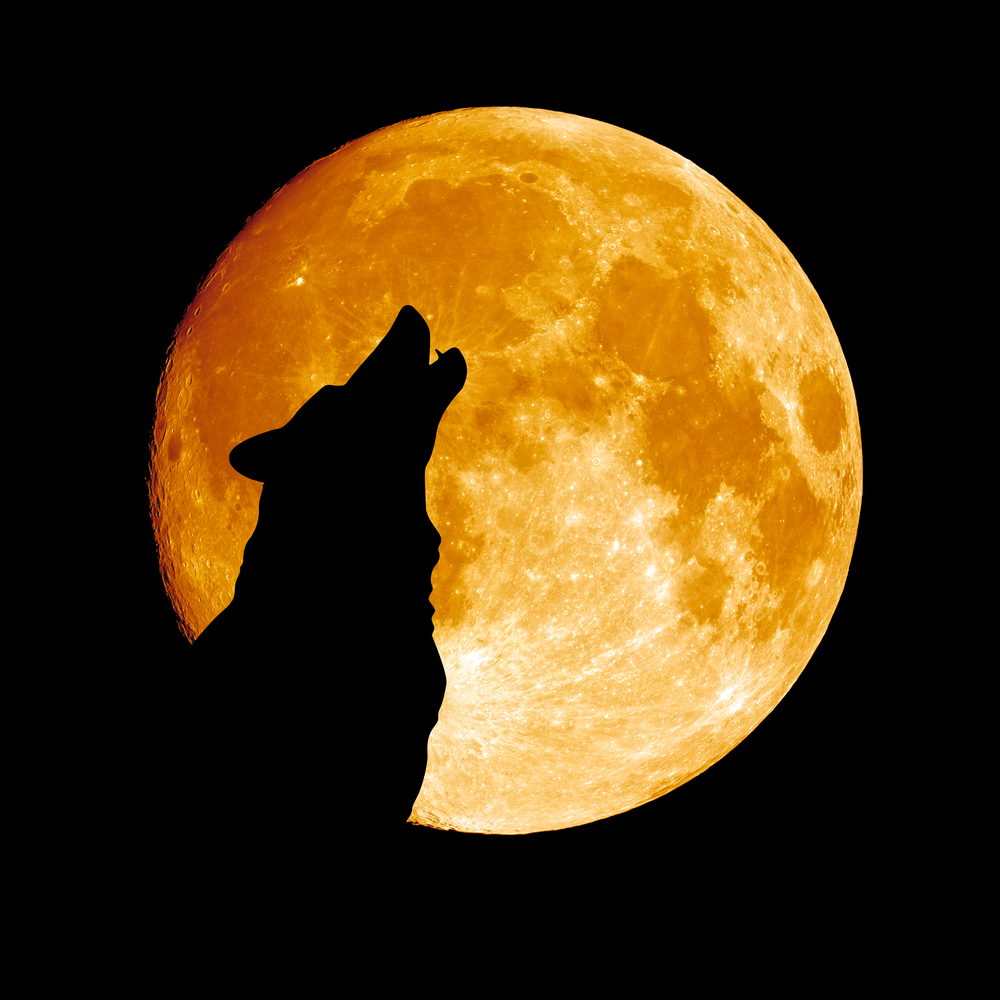
Why do dogs howl at the moon? Is it just a myth?

Dogs howling at the moon is a fascinating subject. Is it just a myth, or is there rather more to it? In this article we look at both the cultural and the biological sides of the phenomenon, trying to understand why our four-legged friends so often lift their voices towards the night sky. We will discover what this behaviour meant in old beliefs and how modern science explains this mysterious canine habit. Read on and let us look for the answer together: why do dogs howl at the moon?

  • The idea of dogs howling at the moon has its roots in old beliefs and legends, in which the moon was seen as a powerful symbol influencing life on Earth.
  • Cultural beliefs about dogs howling at the moon appear in many traditions – Greek, Roman and Norse among them – where dogs and wolves were associated with the night and the moon.
  • There is no conclusive scientific evidence that a full moon affects the behaviour of dogs.
  • Increased activity during a full moon is more likely to be down to environmental factors, such as the greater amount of light at night, than to the lunar phase itself.
  • Howling is a form of vocal communication inherited from wolves, and it can serve to mark territory, warn of danger or call the members of the pack together.
  • Dogs may howl out of loneliness or stress, or in response to sounds such as sirens.
  • To manage a dog’s howling, it is worth focusing on behavioural training and relaxation techniques such as massage or aromatherapy.
  • Myths about dogs howling at the moon rarely have any scientific basis; howling comes down to instinct and the need to communicate, not to unscientific explanations such as the energy of the moon.

Why do dogs howl at the moon? Where did the belief come from?

The belief that dogs howl at the moon has its roots in old beliefs and legends. In many cultures the moon was regarded as a powerful symbol whose influence on life on Earth was beyond question. In antiquity people often linked the howling of dogs to the full moon, quite possibly from watching how these animals behaved at night. In Greek and Roman mythology dogs were frequently the companions of deities associated with the moon, such as Hecate and Diana. In Norse culture, wolves – the close relatives of dogs – were seen as creatures of the night and the moon, which may well have helped the belief take hold.

The cultural influence on the image of dogs as animals that howl at the moon is visible in literature and art too. In many folk tales dogs were portrayed as guardians of the night, whose howling warned of approaching danger or heralded changes in nature. Similar motifs turn up in different parts of the world:

  • In Japan dogs are often associated with protection against evil spirits.
  • In Native American culture a dog’s howl may be read as a form of communication with the spirits of ancestors.

Beliefs of this kind shaped the way people view dogs and their behaviour in relation to the lunar cycle.

Does a full moon affect how dogs behave?

The full moon has stirred curiosity and fascination for centuries, and its supposed influence on animal behaviour, dogs included, is the subject of endless debate. Is there really scientific evidence that a full moon affects how our four-legged friends behave? Research in this area is limited, but what there is suggests no meaningful correlation.

Some people believe that changes in behaviour may come down to the greater amount of light at night, which can affect animals’ biological rhythms. The general view, however, is that this is a myth with no solid scientific grounding. Even so, a few points are worth bearing in mind:

  • Increased activity – some dogs may be livelier on bright nights.
  • Environmental factors – noise and other stimuli may matter far more than the lunar phase itself.
  • Individual differences – every dog reacts differently, which makes firm conclusions hard to draw.

Whether or not we believe the full moon affects our dogs, it is always worth watching their behaviour and adapting their care to their needs.

The biological reasons dogs howl

Howling is a behaviour rooted in biology and inherited from wolves. Dogs, like their wild ancestors, use howling as a form of vocal communication. It can serve various purposes, such as marking territory, warning of danger or calling the pack together. Today’s dogs often howl in response to sounds such as sirens or other loud noises, a leftover from their wolf instincts.

The biological reasons behind howling are also tied to a dog’s need for social contact. Howling can be a way of expressing emotions or needs, such as loneliness or stress. It is worth noting that some breeds are more given to howling than others, thanks to their genetic predisposition. To understand your own pet better, pay attention to the situations in which it starts to howl and think about what might lie behind it. Here are a few reasons dogs howl:

  • Loneliness – dogs may howl when they feel abandoned or neglected.
  • Stress – sudden changes in their surroundings can make a dog anxious.
  • Sound triggers – a reaction to loud noises such as sirens or music.
  • Communication – an attempt to get through to other dogs or to people.

Understanding these biological and behavioural aspects can help owners handle this perfectly natural behaviour in their dogs.

Myths and facts about dogs howling at the moon

Plenty of dog owners wonder why their pets howl at the moon. There are many myths on the subject, and they are worth dispelling. One of the most popular is the belief that dogs sense the energy of the moon and respond by howling. In reality there is no scientific evidence to support that theory. Animal behaviour experts point out that howling is more likely linked to instincts inherited from wolves, which use sound to communicate within the pack.

Another myth is that a full moon makes dogs more aggressive. Scientific research does not bear this out. Specialists suggest instead that changes in behaviour may result from other environmental or emotional factors. Here are a few facts about howling:

  • Communication: dogs use howling as a way of communicating with other dogs.
  • Instinct: howling may be a legacy of their wolf ancestors.
  • Boredom or stress: dogs sometimes howl because they are bored or stressed.

Understanding the real reasons behind howling can help owners deal with the behaviour and avoid needless worry rooted in myth.

Summary

This article looks at dogs howling at the moon, examining both the cultural and the biological sides of the phenomenon. In old beliefs the moon was a symbol with a powerful influence over life on Earth, and that gave rise to the myths about dogs howling during a full moon. In various cultures dogs were seen as guardians of the night, and their howling was read as a warning of danger or as communication with ancestral spirits. These beliefs shaped the way people interpret canine behaviour in relation to the lunar cycle.

The biological reasons for howling lie in instincts inherited from wolves. Howling is a form of vocal communication that can serve to mark territory or warn of danger. Although there is no scientific evidence that a full moon directly affects how dogs behave, the belief is deeply rooted in human culture.

It is worth adding that owners can use relaxation techniques and behavioural training to help their pets cope with the stress that lies behind the howling.