

-

Parasitic diseases in rabbits: the commonest threats and how to prevent them
Coccidiosis, encephalitozoonosis, ear mange and cheyletiellosis are the parasitic diseases pet rabbits meet most often, and they can go unnoticed for a long time. We explain how they are diagnosed in the laboratory, how they are treated, and which hygiene, quarantine and feeding rules keep infection at bay.
-

How to protect your dog’s paws in winter
Frost, ice and road salt leave a dog's pads irritated, cracked and sometimes frostbitten every winter. We explain how to pick a route and a protective wax before the walk, how to rinse and dry the paws properly once you are home, and which signs mean it is time to call the veterinary clinic.
-

Horner’s syndrome in dogs and cats: signs, causes, diagnosis and treatment
A drooping eyelid, a smaller pupil and a visible third eyelid on one side add up to Horner's syndrome. It is not painful in itself and does not harm sight, but it often signals another, more serious condition underneath. We explain the causes, the diagnostic steps, the pharmacological tests and the treatment options.
Osteoarthritis in cats: the key facts every owner should know
What is osteoarthritis?
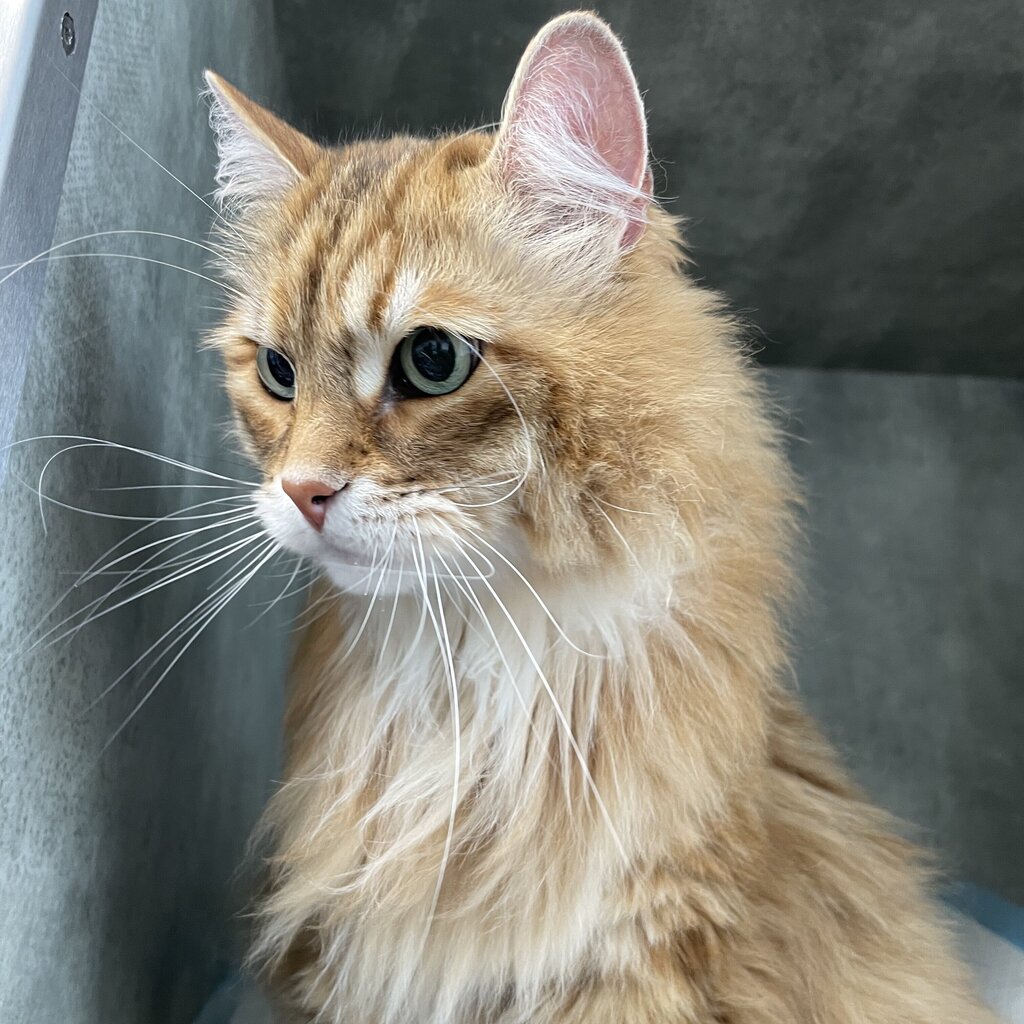
Osteoarthritis is a degenerative process in which the tissues gradually weaken, the cells in the joints change and the joint loses its ability to function properly. The condition often affects older cats, while larger breeds such as the Maine Coon, Persian or British Shorthair may suffer from it at an earlier age.
How to recognise joint disease in your cat
Unfortunately, the disease is often hard for owners to notice, because cats hide pain for a very long time. The best approach is to compare your cat’s behaviour with how it behaved, say, a year ago. The most common changes include:
It is important not to put a drop in your cat’s activity down to age alone. It is true that at a certain age cats can become calmer, but the cause may also be pain.
How is osteoarthritis diagnosed in cats?
If you notice any worrying behaviour in your pet, take your cat to the vet for an examination.
The best way to check for osteoarthritis is to take X-rays. The examination can be carried out by an internal medicine vet or an orthopaedic specialist. The vet will take into account the history given by the owner, palpation of the limbs to check for thickening around the joints, and the imaging results.
The condition can be brought on, for example, by excess body weight, in other words obesity. Heavier cats may develop problems with their musculoskeletal system sooner.
How is osteoarthritis in cats treated?
The aim of treatment is to reduce pain and halt the inflammatory process in the joint. The vet can choose from various treatment options, including painkillers or a monthly injection that blocks both of the processes mentioned above. Bear in mind that even with cartilage-support supplements, we may not be able to reverse existing changes to any great extent. Unfortunately, the disease is progressive, just as it is in humans, so the treatment may be adjusted over time to make it more effective.
Summary
Detecting the disease at an early stage greatly improves a cat’s day-to-day comfort, which is why keeping a close eye on your pet is so important. For a cat already diagnosed with joint disease, it is a good idea to adapt its surroundings, for instance by making it easier to get up onto raised surfaces. Water and food should be placed in easily accessible spots around the home. A suitable bed for such a cat will be soft enough, or a special orthopaedic one.
We encourage you to book an appointment at Zviropolis if you suspect your cat has joint problems or have any further questions about its health and wellbeing.