

-
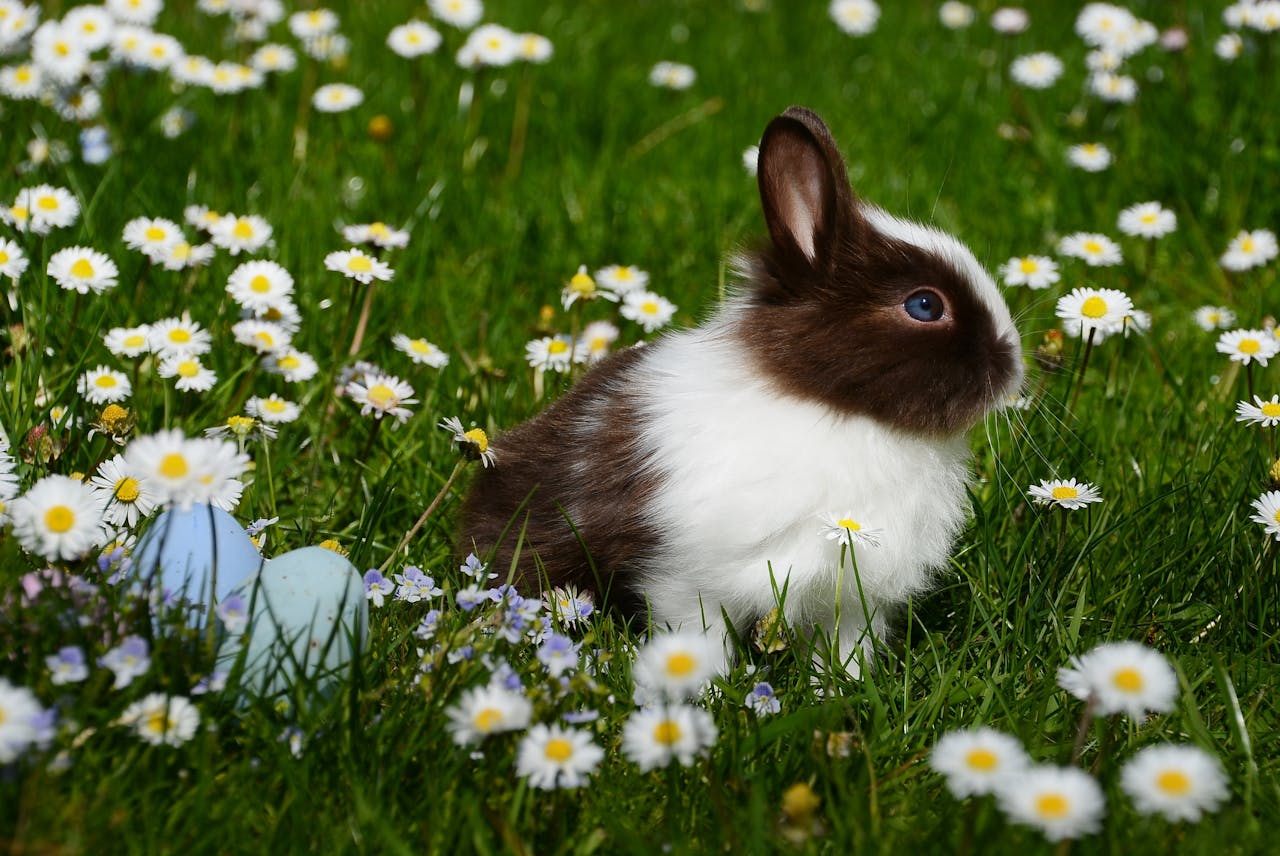
Parasitic diseases in rabbits: the commonest threats and how to prevent them
Coccidiosis, encephalitozoonosis, ear mange and cheyletiellosis are the parasitic diseases pet rabbits meet most often, and they can go unnoticed for a long time. We explain how they are diagnosed in the laboratory, how they are treated, and which hygiene, quarantine and feeding rules keep infection at bay.
-

How to protect your dog’s paws in winter
Frost, ice and road salt leave a dog's pads irritated, cracked and sometimes frostbitten every winter. We explain how to pick a route and a protective wax before the walk, how to rinse and dry the paws properly once you are home, and which signs mean it is time to call the veterinary clinic.
-
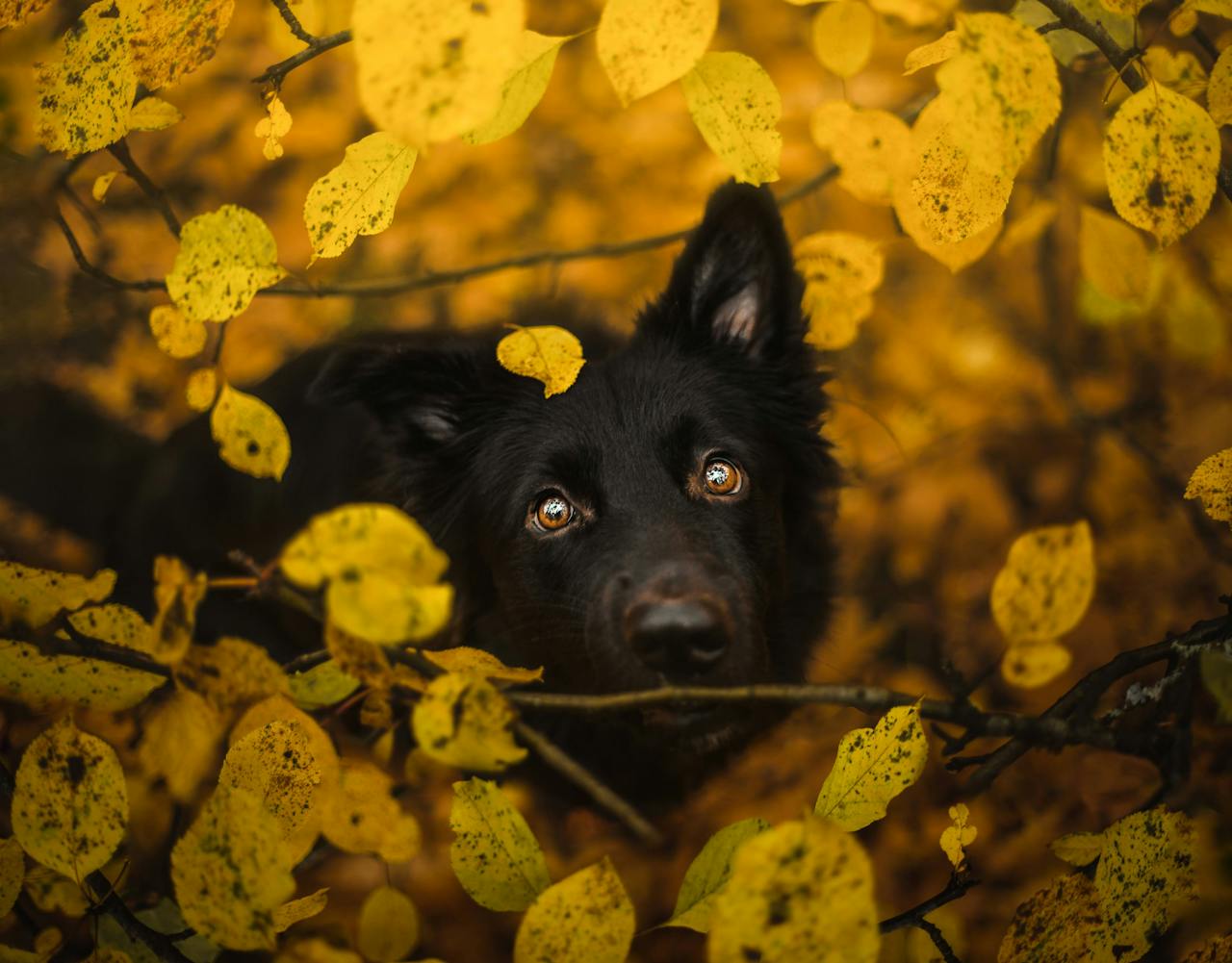
Horner’s syndrome in dogs and cats: signs, causes, diagnosis and treatment
A drooping eyelid, a smaller pupil and a visible third eyelid on one side add up to Horner's syndrome. It is not painful in itself and does not harm sight, but it often signals another, more serious condition underneath. We explain the causes, the diagnostic steps, the pharmacological tests and the treatment options.
Zuzanna Meyer
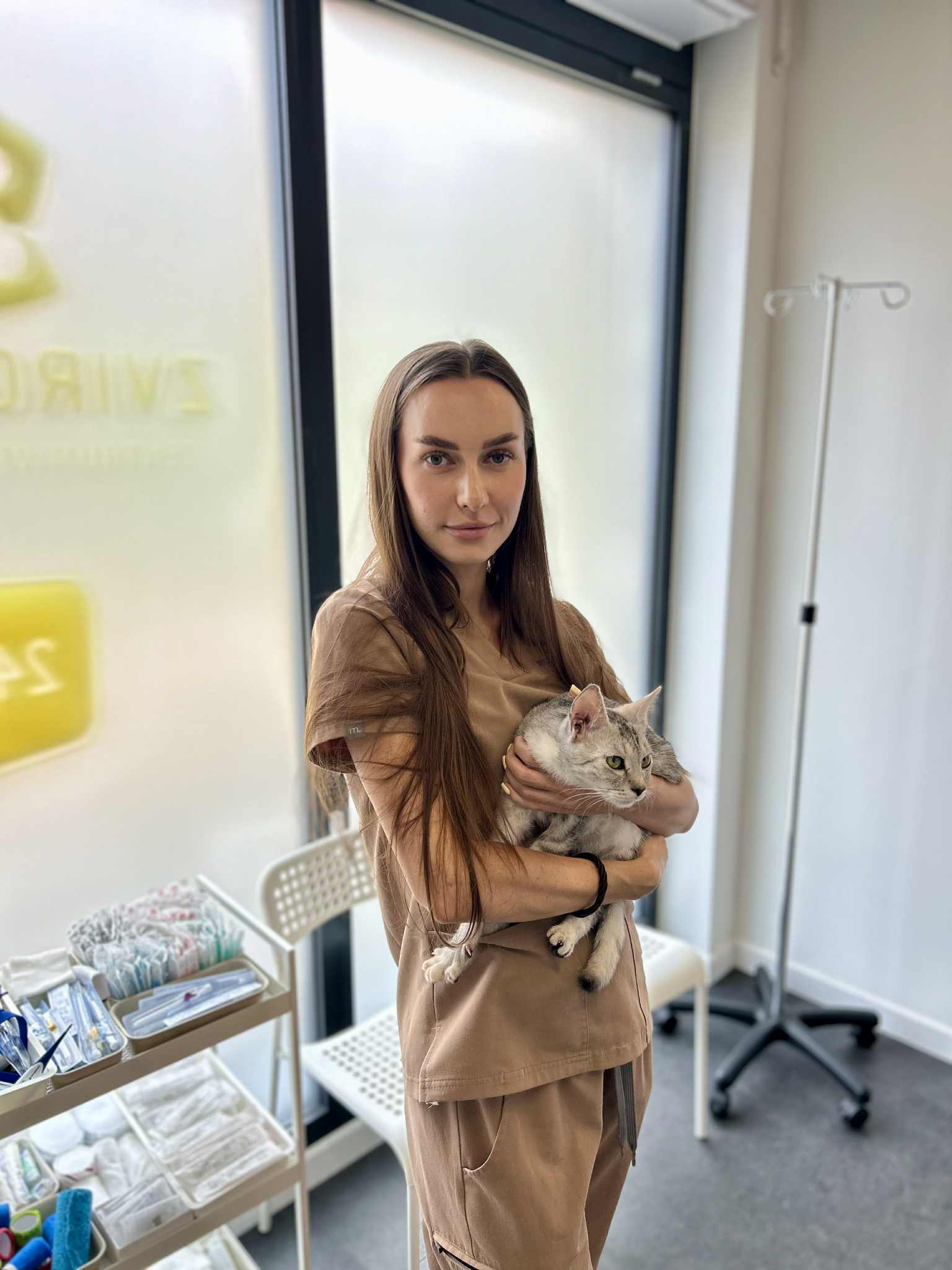
A graduate of the Wrocław University of Environmental and Life Sciences, where she completed her studies at the Faculty of Veterinary Medicine in 2024. Even during her studies, she paid particular attention to emergency medicine, which gradually became her main professional area of interest.
She is currently developing her skills in the field of diagnostic imaging, particularly in abdominal ultrasound and echocardiography. She believes that accurate diagnostics are the foundation of effective treatment, which is why she actively participates in numerous courses, training sessions, and conferences, constantly improving her qualifications based on up-to-date medical knowledge and practical skills.
In her daily work, she is characterized by calmness, composure, and commitment, which—combined with her precision and empathetic approach to pet owners—enables her to build trust even in difficult and urgent situations. She always strives to view the patient holistically—taking into account not only the symptoms but also the clinical context, medical history, and overall well-being of the animal.
Privately, she is a lover of distant, exotic travels, which she treats as an opportunity to discover new cultures, people, and nature. She is accompanied daily by her adopted dog Molly, with whom she has shared her life for several years. Caring for Molly constantly reminds her of the importance of empathy, patience, and an individualized approach—values she strives to fully embody in her work as a veterinary doctor.