
Contact us Make an appointment

What You Should Know Before Your Dog’s Blood Test

Every responsible dog owner wants to give their pet the longest and healthiest life possible. One way of monitoring our dogs’ health is regular blood testing. But why is it so important, and what can a blood test tell us?

What can I do to keep my dog healthy?

Ongoing veterinary care is vital to keeping your pet healthy. That means remembering the preventive health screening package, protection against ticks and parasites, and rabies vaccination.

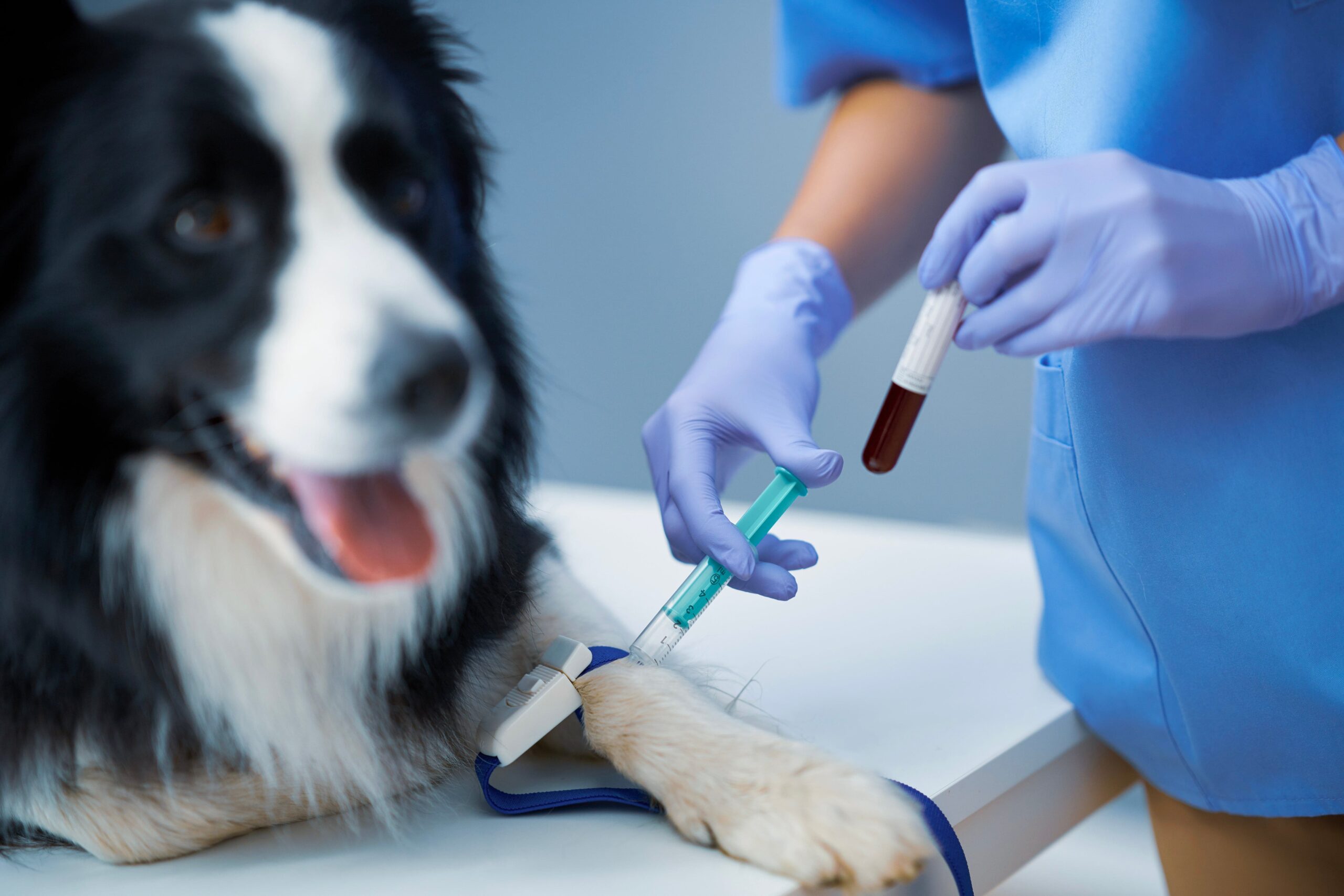
Why are blood tests done on dogs?

Veterinarians recommend regular blood tests, which make it possible to:

·  Detect many conditions early, before the first symptoms appear.

·  Monitor progress during treatment and how the body responds to medication and therapy.

·  Check the function of vital organs such as the liver, kidneys and others.

What types of blood tests are there for dogs?

·  Complete blood count: shows the animal’s overall state of health. It measures, among other things, the number of red and white blood cells and platelets, which allows anaemia, infections and inflammation to be diagnosed.

·  Blood biochemistry: focuses on markers such as glucose, liver enzymes and electrolytes. This allows the function of vital organs such as the liver, pancreas and kidneys to be assessed.

·  Hormone tests and other specialist blood tests: help diagnose endocrine disorders such as thyroid or adrenal disease.

·  Blood gas analysis: a test that assesses how effectively gases are exchanged and the acid-base balance. It is particularly important in diseases of the lungs, cardiovascular system and kidneys, in severe infections, and after trauma or resuscitation.

These tests can also pick up many other diseases and infections that may show no symptoms, including in the early stages of illness.

How to prepare your dog for a blood test

For the most reliable results, it is worth:

·  For tests that require fasting, withholding food and water for around 8 hours before the test.

·  If your dog takes regular medication, checking with the vet whether it could affect the results.

What next? How to interpret the results

Blood test results can vary widely and are not always easy for a layperson to interpret. That is why, at the veterinary clinic, the vet should always go through the results with you and explain whether there are any abnormalities and whether further diagnostics or treatment are needed.
Bear in mind, however, that:

·  Abnormal results do not always mean a serious illness. They may be the result of a temporary ailment or stress.

·  Only a specialist can interpret the results correctly and suggest any further steps.

Frequently asked questions about blood tests in dogs:

·  Is a blood test painful for a dog? – Taking a blood sample is quick and usually painless. The veterinary clinic has plenty of experience in drawing blood from animals, so the staff know how to minimise stress and discomfort for your pet.

·  How often should a blood test be done? – A routine blood test is recommended once a year, although for older dogs or those with chronic conditions it may be done more often.

·  Are there any risks associated with a blood test? – The risk is marginal. There may be slight irritation or bruising at the puncture site, but this usually disappears quickly.

Summary

Regular blood tests are the key to keeping our dogs healthy and catching potential problems early. Thanks to them we can give our pets a long and healthy life. So it is well worth investing in regular check-ups with the vet and looking after our dogs’ health at every stage of their lives.

My Dog Won’t Eat – What Could Be the Cause and What Can I Do?

A loss of appetite in our four-legged friend, known in medical terminology as anorexia
or inappetence, is one of the most common complaints brought to veterinary surgeries. Dogs,
like people, have varied dietary needs and individual habits. Although
refusing a single meal does not always signal immediate danger, a sudden drop in
appetite or a prolonged reluctance to eat almost always points to a deeper health
or emotional problem. Understanding what lies behind it and taking the right
action are essential to preserving our pet’s health and wellbeing.


The main causes of loss of appetite in dogs


Illness and pain. Physical illness is the most common cause of a sudden loss of
appetite. Digestive problems, acute viral and bacterial infections, and chronic
diseases of the internal organs drastically reduce the desire to eat. An extremely important yet often
overlooked factor is pain in the mouth. Advanced periodontal disease, gum
inflammation, abscesses or broken teeth make eating hard food extremely
painful for a dog, which effectively puts it off going anywhere near its bowl.


Behavioural problems and environmental stress. Dogs are highly sensitive to changes in
routine. Severe stress, separation anxiety or sudden changes at home take a heavy toll on their nervous
and digestive systems. Moving house, a lengthy renovation, loud noises or the arrival of a
new family member can trigger a mental block. In such situations the response to
stress often shows itself precisely as a complete or partial refusal to eat.


Diet and food neophobia. If a new diet has recently been introduced, your dog
may need a longer period to adjust. A sudden change of food often leads to a refusal
to eat because of the unfamiliar smell, a different kibble texture or simply different taste
preferences. A drastic change of menu can also cause temporary digestive
discomfort. It is also worth keeping an eye on the number of treats given between meals, which
can disrupt the natural rhythm of hunger.


When should a loss of appetite be a cause for concern?


Any departure from the daily eating routine that lasts longer than twenty-four hours
calls for vigilance on the owner’s part. The situation becomes alarming and requires immediate action when
the reluctance to eat is accompanied by other clinical signs. Vomiting, diarrhoea, marked apathy
and lethargy, as well as coughing or shortness of breath, are unmistakable signs of a developing
illness. In puppies and toy breeds even a short fast can lead to
life-threatening hypoglycaemia, so in their case veterinary help should be sought
without delay.


Veterinary consultation and the diagnostic process


If the loss of appetite persists and gives genuine cause for concern, a visit to the veterinary clinic is
absolutely essential. During the consultation the veterinarian will take a detailed history and carry out a
physical examination. To pinpoint the cause of the problem, the specialist will usually recommend further
diagnostics. The standard protocol includes a full blood test with a complete blood count and
biochemistry. Diagnostic imaging is very often needed as well. An abdominal
ultrasound and X-rays make it possible to rule out an intestinal obstruction, foreign bodies
or pathological changes in the internal organs.

Tips on preventive nutrition


The foundation of every dog’s health is proper preventive care and stable eating
habits. Sudden dietary upheavals and highly processed foods must be avoided at all
costs. Any change of food should be a gradual process spread over a couple of weeks.
Regular health monitoring at check-ups with an internal medicine vet is also extremely
important. Dedicated preventive health screening packages allow any abnormalities to be detected
early, long before they lead to a loss of appetite and the development of
full-blown disease.


Summary


Looking after your dog’s nutrition and health is the most important part of responsible ownership,
and it guarantees a long and comfortable life. Watching your dog’s behaviour closely and responding
instantly to anything unusual, such as a sudden loss of appetite, can effectively prevent serious
health complications down the line. Remember that your dog relies entirely on your decisions.
If anything about its health gives you cause for doubt, don’t take the risk – always consult an
experienced vet at Zviropolis.

What You Need to Know About Ear Infections in Dogs

Ear infections in dogs – a comprehensive guide for dog owners

Is your dog scratching its ears more than usual? Have you noticed an unpleasant smell or discharge from your pet’s ears? If so, you may be dealing with an ear infection. In this article we explain what this condition is, what its symptoms are, how to prevent it and which treatments work best.

What is an ear infection in dogs and what causes it?

An ear infection, or otitis externa, is inflammation of the external ear canal. It is often the result of a bacterial or fungal infection, but it can also be caused by parasites, allergies and even foreign bodies such as grass seeds or sand.

What are the symptoms of an ear infection?

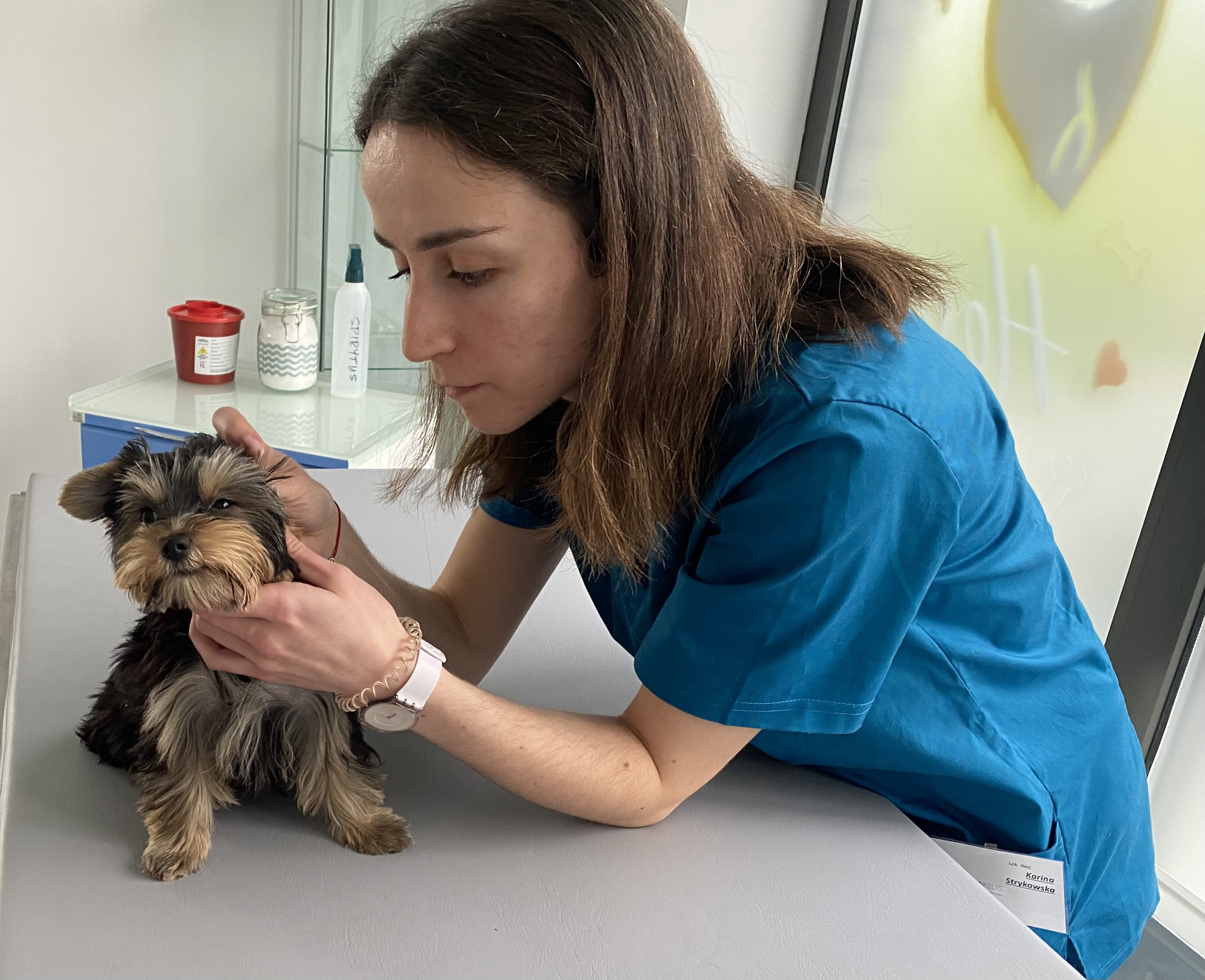
Symptoms of an ear infection in dogs can include: frequent scratching of the ears, head shaking, red or swollen ears, foul-smelling discharge from the ears, pain when the ears are touched, and even balance problems. Remember that every dog is different and may show different symptoms.

How does an ear infection affect a dog’s quality of life?

An ear infection is not only painful, it can also affect your dog’s overall quality of life. A dog with an ear infection may become nervous, irritable or listless. The pain may also disturb its sleep.

How can you prevent ear infections in dogs?

Prevention is always better than cure! Regular ear hygiene, keeping your dog in good health and veterinary check-ups are the best ways to prevent ear infections. In other words, to spare your pet unnecessary suffering, it’s worth taking them for regular visits to an internal medicine vet and having a preventive health screening package done. 

How are ear infections diagnosed and treated?

Diagnosing an ear infection usually involves a physical examination of the ears and sometimes taking samples for microscopy or culture. Treatment depends on the cause of the inflammation and may include antibiotics, antifungals, steroids or antiparasitic drugs.

What are the potential complications?

If an ear infection is not treated properly, it can lead to serious complications such as hearing loss, meningitis or permanent damage to the structures of the ear. That is why it is important to seek veterinary help as soon as possible.

What if the ear infection is chronic or keeps coming back despite treatment?

A chronic ear infection, or one that returns despite treatment, needs specialist care. This may mean long-term treatment or even surgery.

Real-life cases

At our Zviropolis veterinary clinic we know many stories of dogs that have successfully overcome ear infections. Max, a Golden Retriever, for example, suffered from chronic otitis caused by a food allergy. After a change of diet and regular visits to us, Max is now fully healthy and happy.

Remember, your dog is counting on you to keep an eye on the condition of its ears. Regular check-ups with the vet and appropriate preventive measures can greatly reduce the risk of ear infections. If you have any questions or concerns about your dog’s ears, get in touch with us at Zviropolis – we’re here to help!