

-
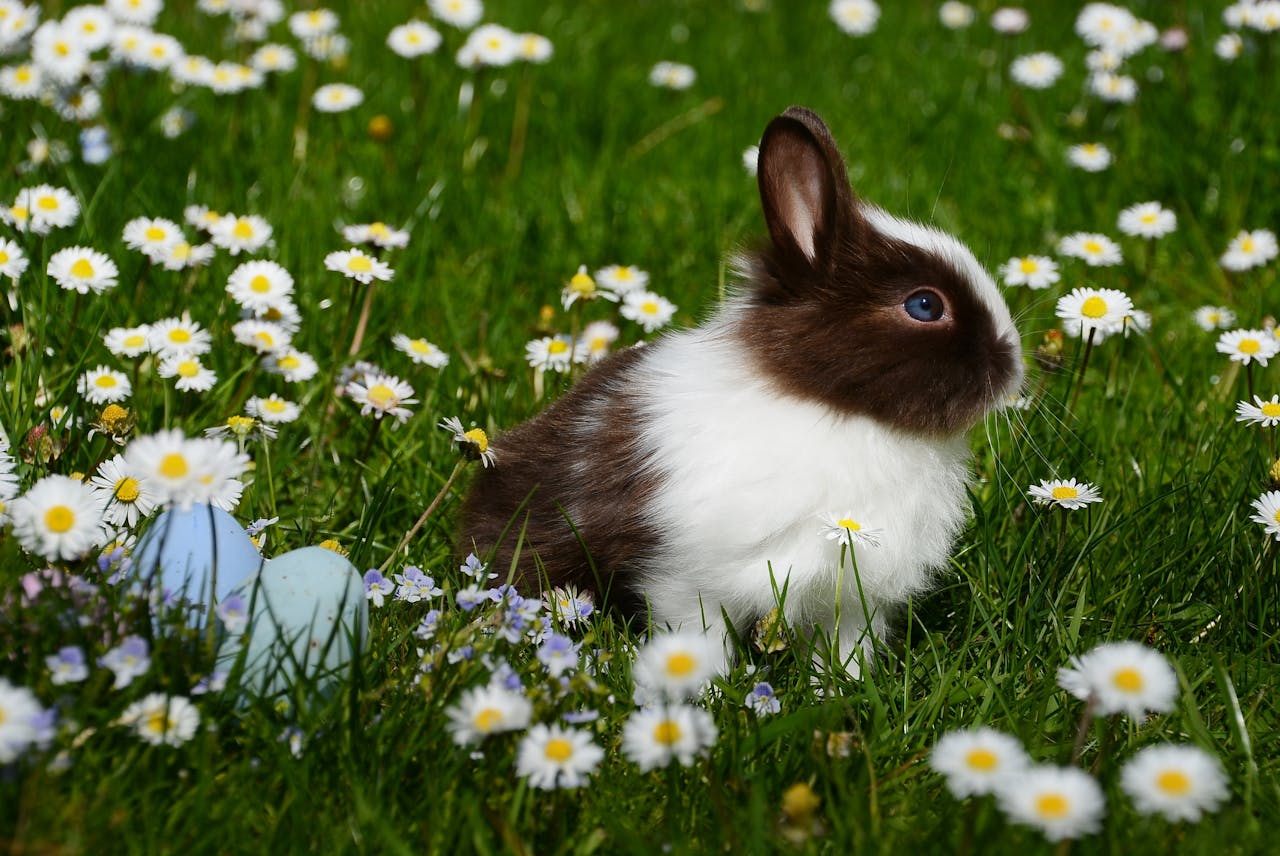
Parasitic diseases in rabbits: the commonest threats and how to prevent them
Coccidiosis, encephalitozoonosis, ear mange and cheyletiellosis are the parasitic diseases pet rabbits meet most often, and they can go unnoticed for a long time. We explain how they are diagnosed in the laboratory, how they are treated, and which hygiene, quarantine and feeding rules keep infection at bay.
-

How to protect your dog’s paws in winter
Frost, ice and road salt leave a dog's pads irritated, cracked and sometimes frostbitten every winter. We explain how to pick a route and a protective wax before the walk, how to rinse and dry the paws properly once you are home, and which signs mean it is time to call the veterinary clinic.
-
Horner’s syndrome in dogs and cats: signs, causes, diagnosis and treatment
A drooping eyelid, a smaller pupil and a visible third eyelid on one side add up to Horner's syndrome. It is not painful in itself and does not harm sight, but it often signals another, more serious condition underneath. We explain the causes, the diagnostic steps, the pharmacological tests and the treatment options.
My Dog Won’t Eat – What Could Be the Cause and What Can I Do?
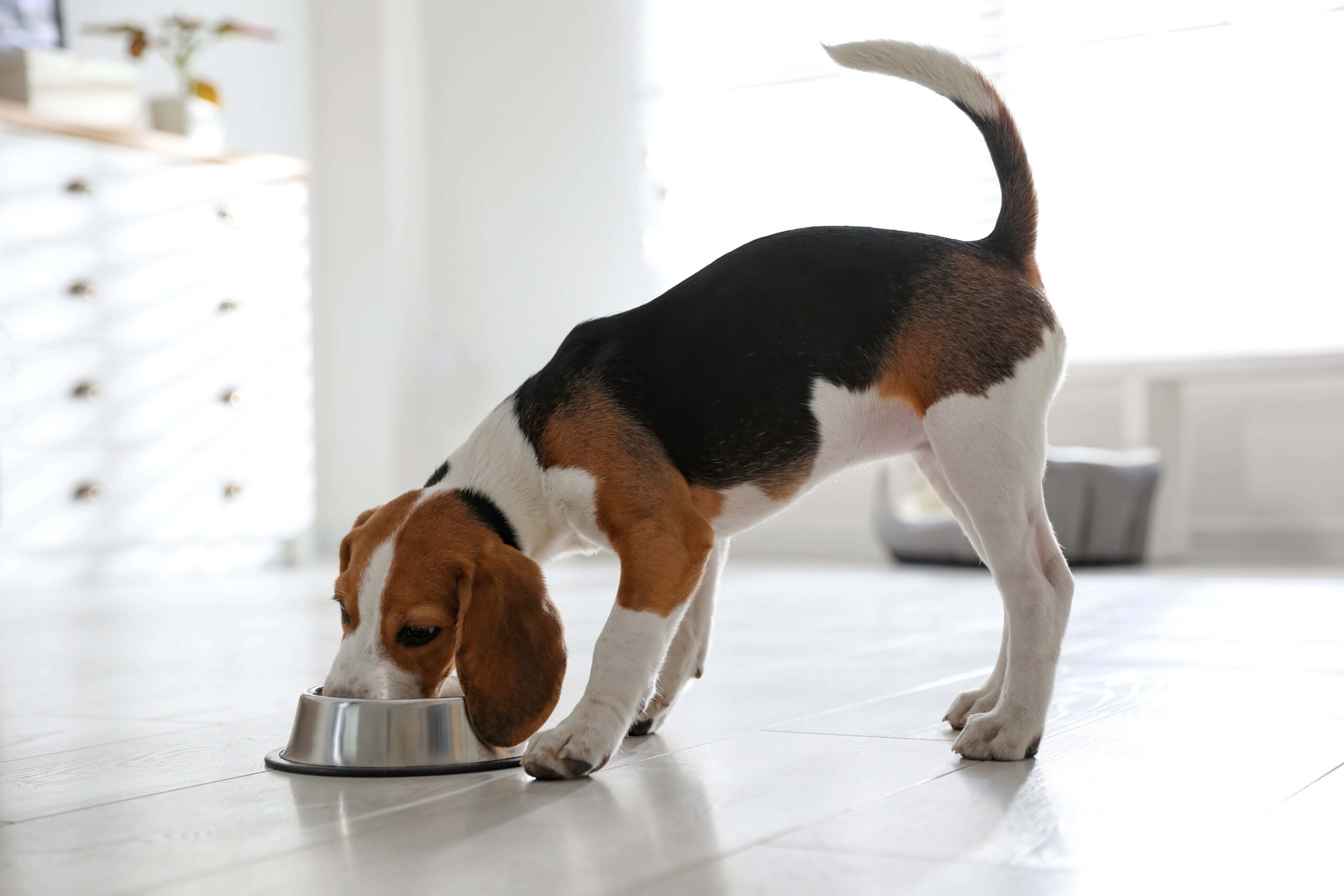
A loss of appetite in our four-legged friend, known in medical terminology as anorexia
or inappetence, is one of the most common complaints brought to veterinary surgeries. Dogs,
like people, have varied dietary needs and individual habits. Although
refusing a single meal does not always signal immediate danger, a sudden drop in
appetite or a prolonged reluctance to eat almost always points to a deeper health
or emotional problem. Understanding what lies behind it and taking the right
action are essential to preserving our pet’s health and wellbeing.
The main causes of loss of appetite in dogs
Illness and pain. Physical illness is the most common cause of a sudden loss of
appetite. Digestive problems, acute viral and bacterial infections, and chronic
diseases of the internal organs drastically reduce the desire to eat. An extremely important yet often
overlooked factor is pain in the mouth. Advanced periodontal disease, gum
inflammation, abscesses or broken teeth make eating hard food extremely
painful for a dog, which effectively puts it off going anywhere near its bowl.
Behavioural problems and environmental stress. Dogs are highly sensitive to changes in
routine. Severe stress, separation anxiety or sudden changes at home take a heavy toll on their nervous
and digestive systems. Moving house, a lengthy renovation, loud noises or the arrival of a
new family member can trigger a mental block. In such situations the response to
stress often shows itself precisely as a complete or partial refusal to eat.
Diet and food neophobia. If a new diet has recently been introduced, your dog
may need a longer period to adjust. A sudden change of food often leads to a refusal
to eat because of the unfamiliar smell, a different kibble texture or simply different taste
preferences. A drastic change of menu can also cause temporary digestive
discomfort. It is also worth keeping an eye on the number of treats given between meals, which
can disrupt the natural rhythm of hunger.
When should a loss of appetite be a cause for concern?
Any departure from the daily eating routine that lasts longer than twenty-four hours
calls for vigilance on the owner’s part. The situation becomes alarming and requires immediate action when
the reluctance to eat is accompanied by other clinical signs. Vomiting, diarrhoea, marked apathy
and lethargy, as well as coughing or shortness of breath, are unmistakable signs of a developing
illness. In puppies and toy breeds even a short fast can lead to
life-threatening hypoglycaemia, so in their case veterinary help should be sought
without delay.
Veterinary consultation and the diagnostic process
If the loss of appetite persists and gives genuine cause for concern, a visit to the veterinary clinic is
absolutely essential. During the consultation the veterinarian will take a detailed history and carry out a
physical examination. To pinpoint the cause of the problem, the specialist will usually recommend further
diagnostics. The standard protocol includes a full blood test with a complete blood count and
biochemistry. Diagnostic imaging is very often needed as well. An abdominal
ultrasound and X-rays make it possible to rule out an intestinal obstruction, foreign bodies
or pathological changes in the internal organs.
Tips on preventive nutrition
The foundation of every dog’s health is proper preventive care and stable eating
habits. Sudden dietary upheavals and highly processed foods must be avoided at all
costs. Any change of food should be a gradual process spread over a couple of weeks.
Regular health monitoring at check-ups with an internal medicine vet is also extremely
important. Dedicated preventive health screening packages allow any abnormalities to be detected
early, long before they lead to a loss of appetite and the development of
full-blown disease.
Summary
Looking after your dog’s nutrition and health is the most important part of responsible ownership,
and it guarantees a long and comfortable life. Watching your dog’s behaviour closely and responding
instantly to anything unusual, such as a sudden loss of appetite, can effectively prevent serious
health complications down the line. Remember that your dog relies entirely on your decisions.
If anything about its health gives you cause for doubt, don’t take the risk – always consult an
experienced vet at Zviropolis.