

-

Parasitic diseases in rabbits: the commonest threats and how to prevent them
Coccidiosis, encephalitozoonosis, ear mange and cheyletiellosis are the parasitic diseases pet rabbits meet most often, and they can go unnoticed for a long time. We explain how they are diagnosed in the laboratory, how they are treated, and which hygiene, quarantine and feeding rules keep infection at bay.
-

How to protect your dog’s paws in winter
Frost, ice and road salt leave a dog's pads irritated, cracked and sometimes frostbitten every winter. We explain how to pick a route and a protective wax before the walk, how to rinse and dry the paws properly once you are home, and which signs mean it is time to call the veterinary clinic.
-

Horner’s syndrome in dogs and cats: signs, causes, diagnosis and treatment
A drooping eyelid, a smaller pupil and a visible third eyelid on one side add up to Horner's syndrome. It is not painful in itself and does not harm sight, but it often signals another, more serious condition underneath. We explain the causes, the diagnostic steps, the pharmacological tests and the treatment options.
What You Need to Know About Ear Infections in Dogs
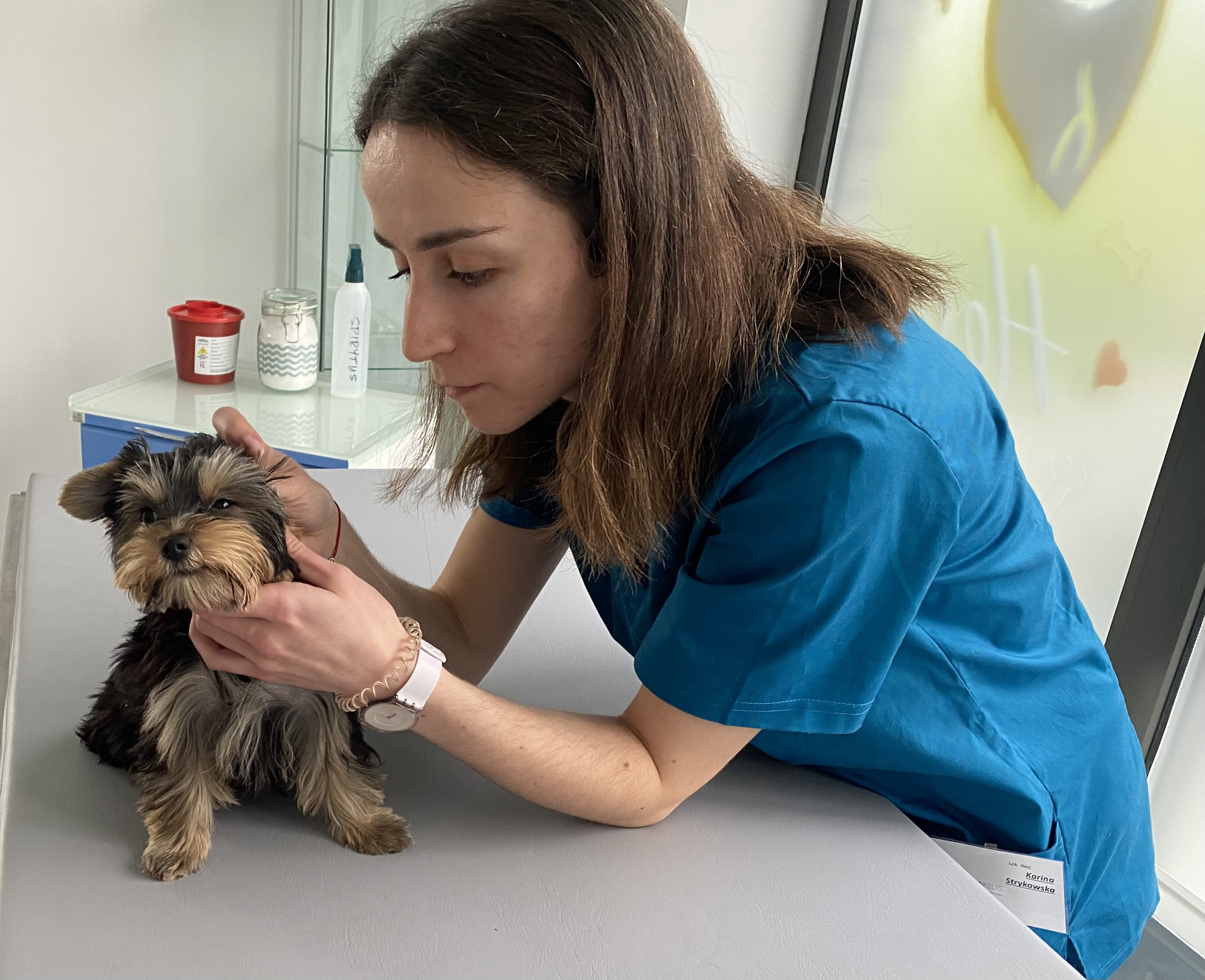
Ear infections in dogs – a comprehensive guide for dog owners
Is your dog scratching its ears more than usual? Have you noticed an unpleasant smell or discharge from your pet’s ears? If so, you may be dealing with an ear infection. In this article we explain what this condition is, what its symptoms are, how to prevent it and which treatments work best.
What is an ear infection in dogs and what causes it?
An ear infection, or otitis externa, is inflammation of the external ear canal. It is often the result of a bacterial or fungal infection, but it can also be caused by parasites, allergies and even foreign bodies such as grass seeds or sand.
What are the symptoms of an ear infection?
Symptoms of an ear infection in dogs can include: frequent scratching of the ears, head shaking, red or swollen ears, foul-smelling discharge from the ears, pain when the ears are touched, and even balance problems. Remember that every dog is different and may show different symptoms.
How does an ear infection affect a dog’s quality of life?
An ear infection is not only painful, it can also affect your dog’s overall quality of life. A dog with an ear infection may become nervous, irritable or listless. The pain may also disturb its sleep.
How can you prevent ear infections in dogs?
Prevention is always better than cure! Regular ear hygiene, keeping your dog in good health and veterinary check-ups are the best ways to prevent ear infections. In other words, to spare your pet unnecessary suffering, it’s worth taking them for regular visits to an internal medicine vet and having a preventive health screening package done.
How are ear infections diagnosed and treated?
Diagnosing an ear infection usually involves a physical examination of the ears and sometimes taking samples for microscopy or culture. Treatment depends on the cause of the inflammation and may include antibiotics, antifungals, steroids or antiparasitic drugs.
What are the potential complications?
If an ear infection is not treated properly, it can lead to serious complications such as hearing loss, meningitis or permanent damage to the structures of the ear. That is why it is important to seek veterinary help as soon as possible.
What if the ear infection is chronic or keeps coming back despite treatment?
A chronic ear infection, or one that returns despite treatment, needs specialist care. This may mean long-term treatment or even surgery.
Real-life cases
At our Zviropolis veterinary clinic we know many stories of dogs that have successfully overcome ear infections. Max, a Golden Retriever, for example, suffered from chronic otitis caused by a food allergy. After a change of diet and regular visits to us, Max is now fully healthy and happy.
Remember, your dog is counting on you to keep an eye on the condition of its ears. Regular check-ups with the vet and appropriate preventive measures can greatly reduce the risk of ear infections. If you have any questions or concerns about your dog’s ears, get in touch with us at Zviropolis – we’re here to help!