Contact us Make an appointment

What diet is right for a dog with digestive problems?

Why is diet important  in treating digestive disorders?

A properly chosen diet should match the patient’s nutritional needs, taking into account the particular veterinary problem, the dog’s age and any concurrent conditions.

The right diet will help ease digestive problems, balance nutrient levels or make up for any deficiencies. It can even support the recovery of the stomach and intestines. This is particularly important in inflammatory diseases of the digestive tract. 

What is the best food for a dog with digestive problems?

The recommended food will vary depending on the problem. As a rule, it should be rich in fibre and probiotics. Ideally, the food should contain as little fat as possible and be easily digestible. Owners often decide to cook meals for their pets themselves, but this should only be done following detailed advice from a veterinarian. 

How often should you feed a dog with a stomach problem? 

Vets recommend feeding the dog more often during the day, for example 4 times a day. It is very important that the food is easily digestible, ideally wet food. More frequent meals are better for the stomach, because the dog is never given one large portion at once and then left hungry for the rest of the day.  

What should you not give a dog with digestive problems?

We should not give dogs leftovers from our own plates at all, but if we occasionally do, then with a dog that has a sensitive stomach we can make things a lot worse. The diet should avoid:

  • treats, 
  • salt,
  •  fat,
  •  spices and seasonings of any kind
  • the crude fibre content of the food should be limited

The most important thing is for owners to be aware that a properly fed animal is far less prone to illness, especially of the digestive system. When it comes to feeding, it is best to choose good-quality food or cook meals yourself while staying in regular contact with your veterinarian. 
What happens at a dermatology appointment?

What is a veterinary dermatologist?

In veterinary medicine, a dermatologist is a vet who specialises in skin diseases in animals. This field requires extensive knowledge of laboratory tests and how to interpret them, because the dermatologist often carries out additional tests, such as cytology, in person. 

What happens at a dermatology appointment with a dog or cat?

As with any vet, the appointment starts with taking a history. In dermatology, this has to be very detailed. It is a good idea for the owner to prepare for the consultation in advance so they can give precise answers that will help with the diagnosis. 

The vet then moves on to a clinical examination and an assessment of the skin, ears and coat. To reach a diagnosis, various laboratory tests often have to be ordered, such as examination of skin scrapings and hair, a culture or a biopsy. If your pet has had a blood test recently, bring the results with you.

Depending on the problem, the vet may start treatment straight away. It can happen that laboratory results take anywhere from a few days to even a few weeks. 

Treating skin conditions often takes time and one appointment is not enough. In this specialty, regular follow-up appointments are important to check how the treatment is progressing. 

How to prepare for a dermatology appointment?

If the patient is a dog, do not bathe it before the appointment, because the vet needs to see the problem as it really is and washing the dog can mask everything. It is a good idea to bring your pet’s health record, which contains details of vaccinations and worming. You should know what illnesses your pet has had and, ideally, have any notes relating to this problem and its treatment. If your pet is on long-term medication, it is very important to know exactly which drugs. If you saw an internal medicine vet before the specialist appointment, bring details of any treatment that was started. It is also very important to know what food your dog or cat eats and exactly what it contains. 

When is it worth seeing a veterinary dermatologist?

In cases such as itching, lumps on the body, flaking skin, rashes, coat problems, hair loss and all sorts of skin changes. Remember that as soon as you notice any skin problem in your pet, it is best to book an appointment as quickly as possible, because skin conditions very often get worse or spread within a short time. 

How much does a dermatology appointment for a dog or cat cost?

The cost depends on the problem in question. Sometimes an appointment, medication and a follow-up are all that is needed. If the problem is complicated, it may require additional tests, more medication and more frequent follow-ups.  It varies a great deal and is assessed individually. 

How to prepare your pet for an X-ray

How to prepare your pet properly for an X-ray?

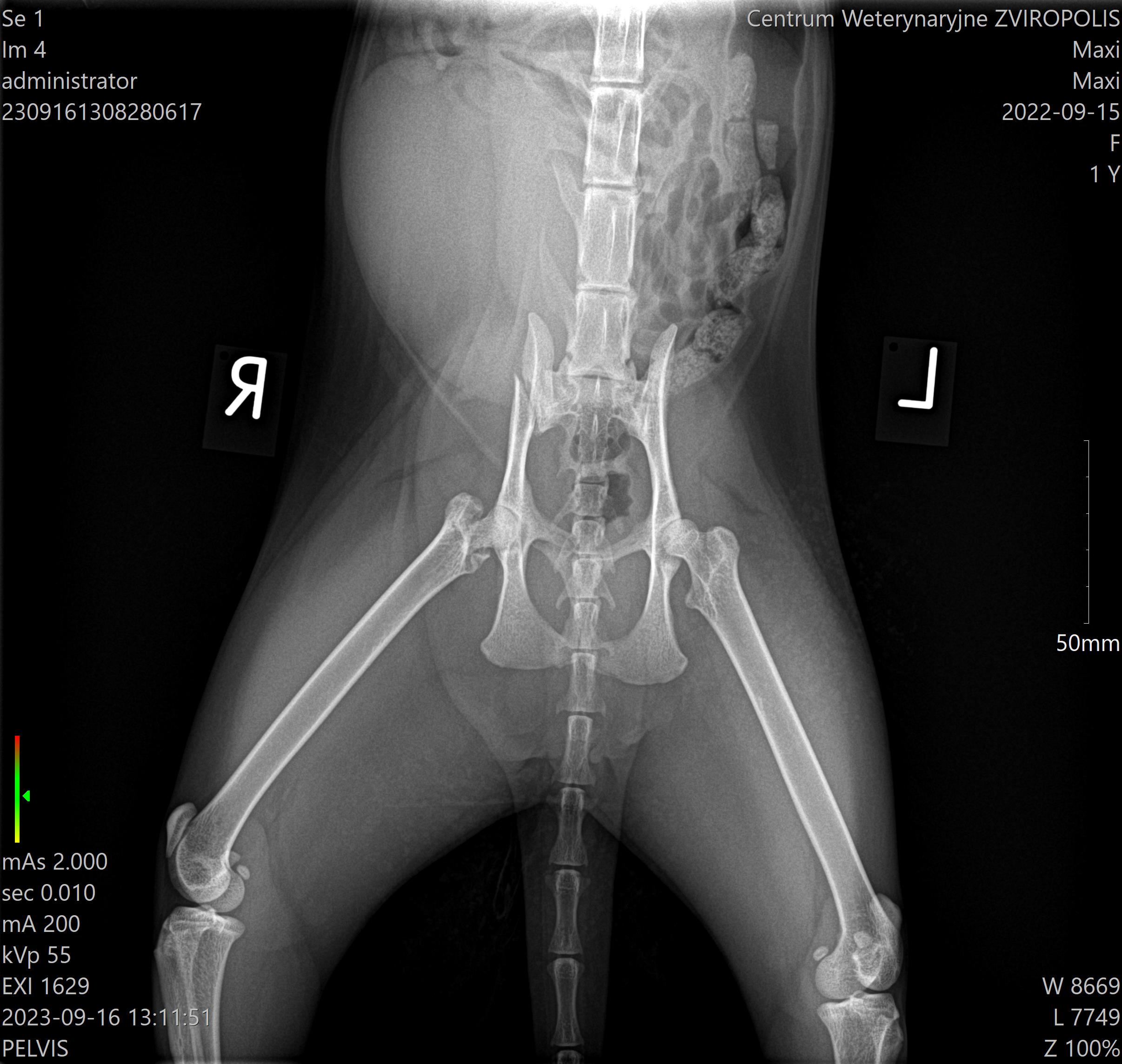
As with other diagnostic tests, your pet needs to be prepared for an X-ray in advance. At Zviropolis we take X-rays only under sedation, so the patient must be fasted for around 8-10 hours before the appointment. Please take away water 2 hours before you arrive at the clinic. 

Are blood tests needed before an X-ray?

If the patient is an older animal, we always urge owners to have blood tests done because of the anaesthetic risk. The tests need to be fairly recent: depending on the animal’s general condition, the results are valid for around 2 weeks. 

For pedigree patients predisposed to heart disease and for geriatric patients, an echocardiogram is also advisable. 

Do you need records from previous appointments?

If you have previously seen an internal medicine vet, it is a good idea to bring the discharge notes with you. They will show when the problem (for example lameness) started and what medication was given, and if any survey X-rays were taken, they are always mentioned in the report. 

Does a dog or cat have to be anaesthetised for an X-ray?

To carry out this examination properly, the patient has to stay completely still for a certain time. Positioning alone (laying the animal down, turning it, stretching the body or a limb) and holding it by force for the whole procedure is hugely stressful for most animals. Depending on the area being examined and where the problem is, a dog or cat often has to be placed in an unusual yet comfortable position. Some positions can be painful, for example with fractures. This is why we keep unpleasant memories to a minimum, as well as the danger to staff that can arise from the aggression of an animal in pain.