

-
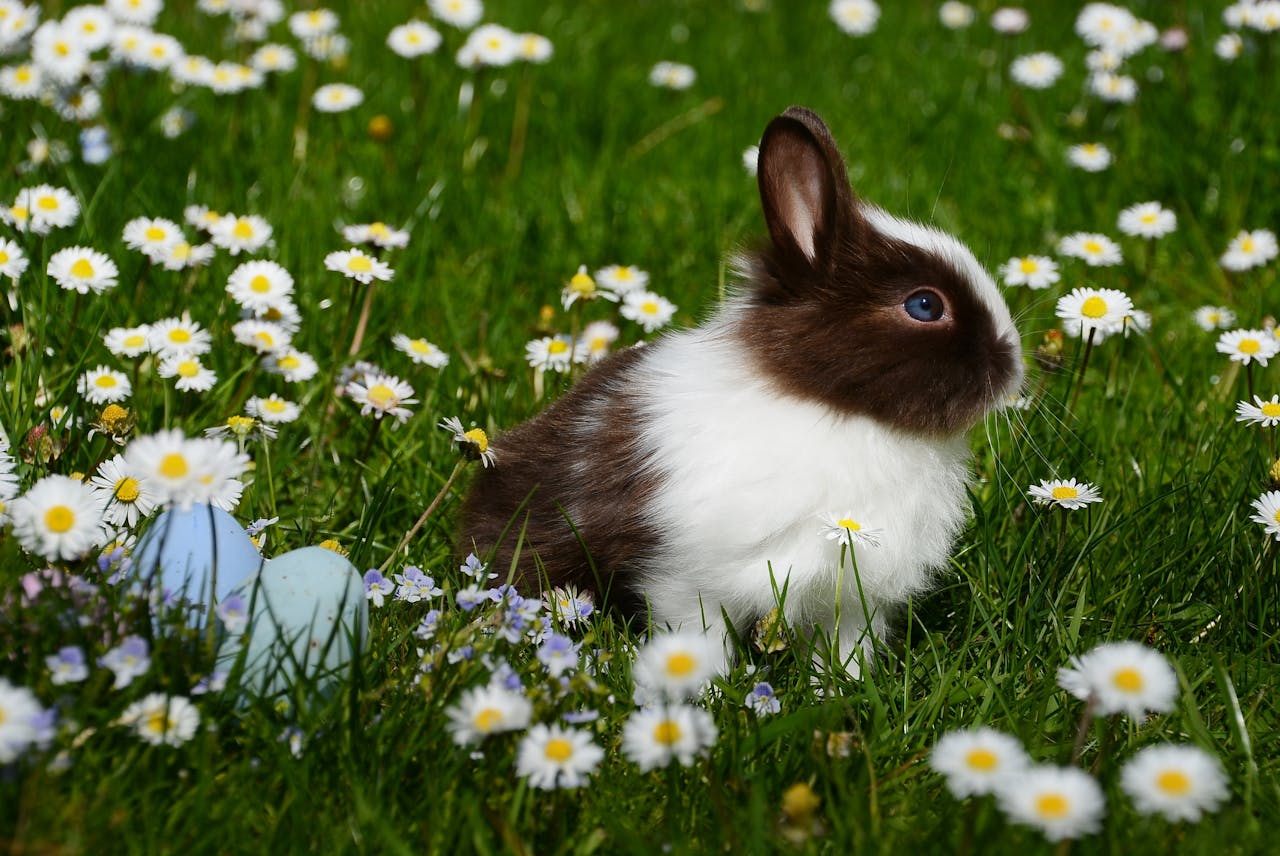
Parasitic diseases in rabbits: the commonest threats and how to prevent them
Coccidiosis, encephalitozoonosis, ear mange and cheyletiellosis are the parasitic diseases pet rabbits meet most often, and they can go unnoticed for a long time. We explain how they are diagnosed in the laboratory, how they are treated, and which hygiene, quarantine and feeding rules keep infection at bay.
-

How to protect your dog’s paws in winter
Frost, ice and road salt leave a dog's pads irritated, cracked and sometimes frostbitten every winter. We explain how to pick a route and a protective wax before the walk, how to rinse and dry the paws properly once you are home, and which signs mean it is time to call the veterinary clinic.
-
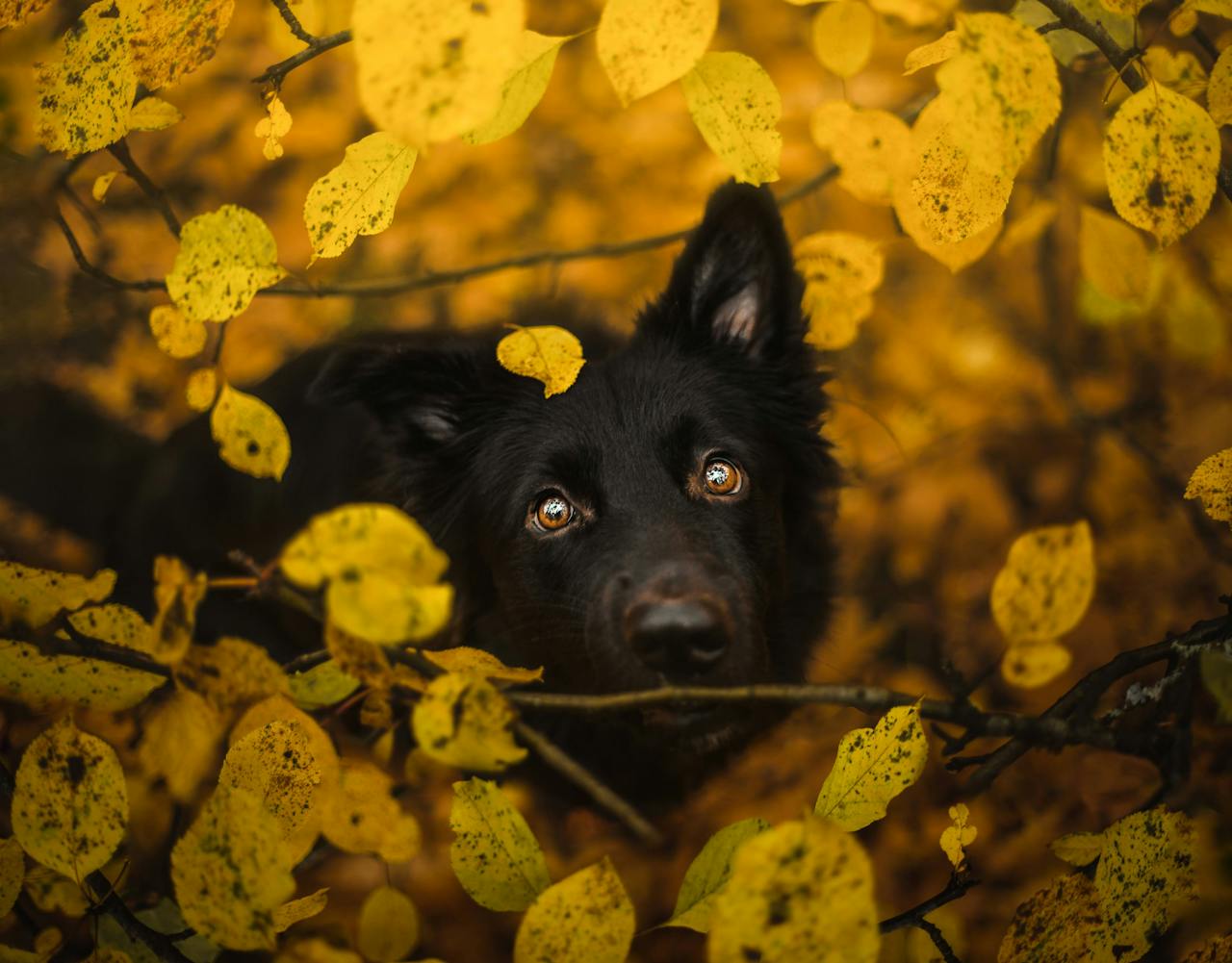
Horner’s syndrome in dogs and cats: signs, causes, diagnosis and treatment
A drooping eyelid, a smaller pupil and a visible third eyelid on one side add up to Horner's syndrome. It is not painful in itself and does not harm sight, but it often signals another, more serious condition underneath. We explain the causes, the diagnostic steps, the pharmacological tests and the treatment options.
What diet is right for a dog with digestive problems?
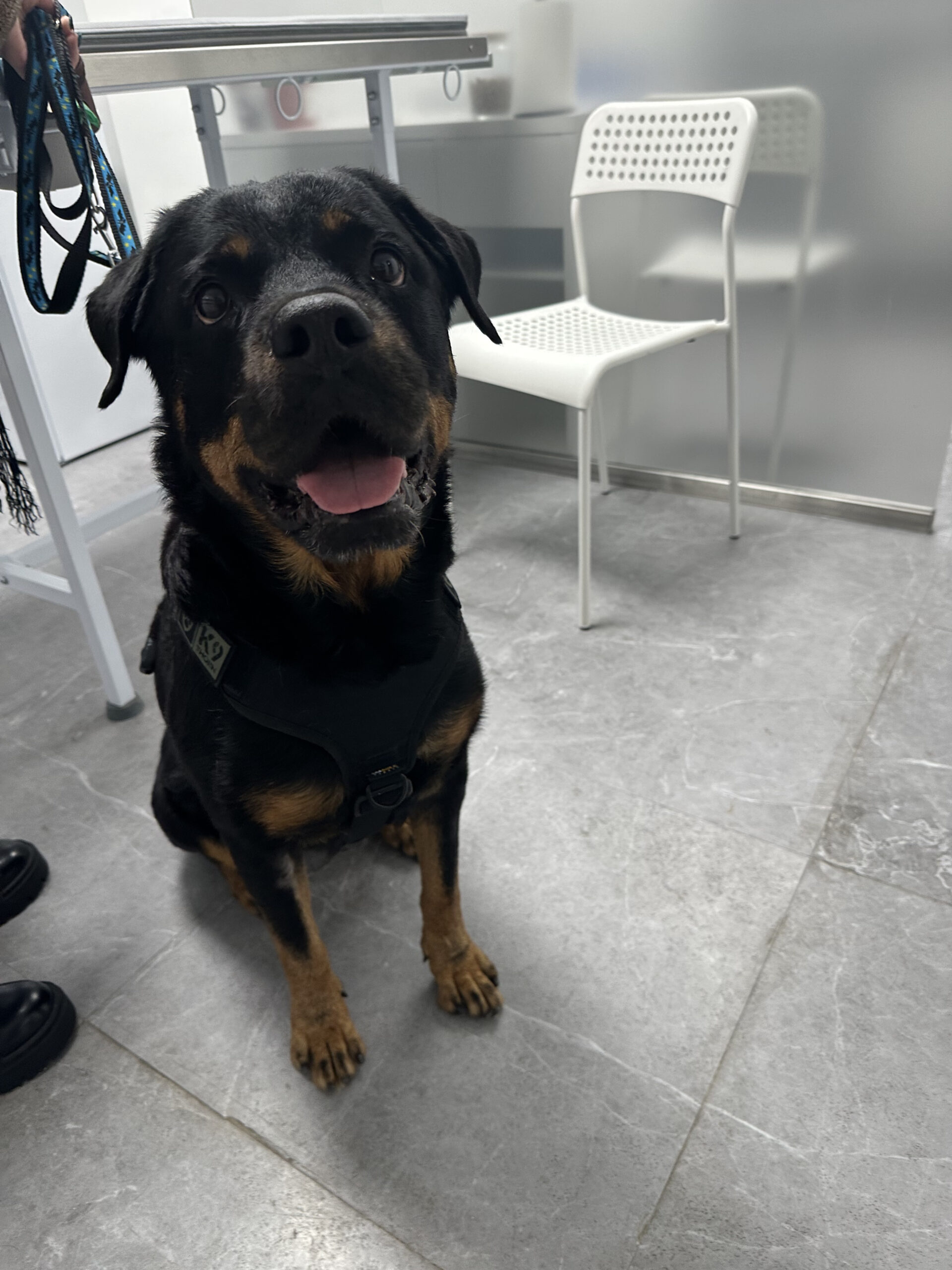
Why is diet important in treating digestive disorders?
A properly chosen diet should match the patient’s nutritional needs, taking into account the particular veterinary problem, the dog’s age and any concurrent conditions.
The right diet will help ease digestive problems, balance nutrient levels or make up for any deficiencies. It can even support the recovery of the stomach and intestines. This is particularly important in inflammatory diseases of the digestive tract.
What is the best food for a dog with digestive problems?
The recommended food will vary depending on the problem. As a rule, it should be rich in fibre and probiotics. Ideally, the food should contain as little fat as possible and be easily digestible. Owners often decide to cook meals for their pets themselves, but this should only be done following detailed advice from a veterinarian.
How often should you feed a dog with a stomach problem?
Vets recommend feeding the dog more often during the day, for example 4 times a day. It is very important that the food is easily digestible, ideally wet food. More frequent meals are better for the stomach, because the dog is never given one large portion at once and then left hungry for the rest of the day.
What should you not give a dog with digestive problems?
We should not give dogs leftovers from our own plates at all, but if we occasionally do, then with a dog that has a sensitive stomach we can make things a lot worse. The diet should avoid:
The most important thing is for owners to be aware that a properly fed animal is far less prone to illness, especially of the digestive system. When it comes to feeding, it is best to choose good-quality food or cook meals yourself while staying in regular contact with your veterinarian.