

-

Parasitic diseases in rabbits: the commonest threats and how to prevent them
Coccidiosis, encephalitozoonosis, ear mange and cheyletiellosis are the parasitic diseases pet rabbits meet most often, and they can go unnoticed for a long time. We explain how they are diagnosed in the laboratory, how they are treated, and which hygiene, quarantine and feeding rules keep infection at bay.
-

How to protect your dog’s paws in winter
Frost, ice and road salt leave a dog's pads irritated, cracked and sometimes frostbitten every winter. We explain how to pick a route and a protective wax before the walk, how to rinse and dry the paws properly once you are home, and which signs mean it is time to call the veterinary clinic.
-

Horner’s syndrome in dogs and cats: signs, causes, diagnosis and treatment
A drooping eyelid, a smaller pupil and a visible third eyelid on one side add up to Horner's syndrome. It is not painful in itself and does not harm sight, but it often signals another, more serious condition underneath. We explain the causes, the diagnostic steps, the pharmacological tests and the treatment options.
How to prepare your pet for an X-ray
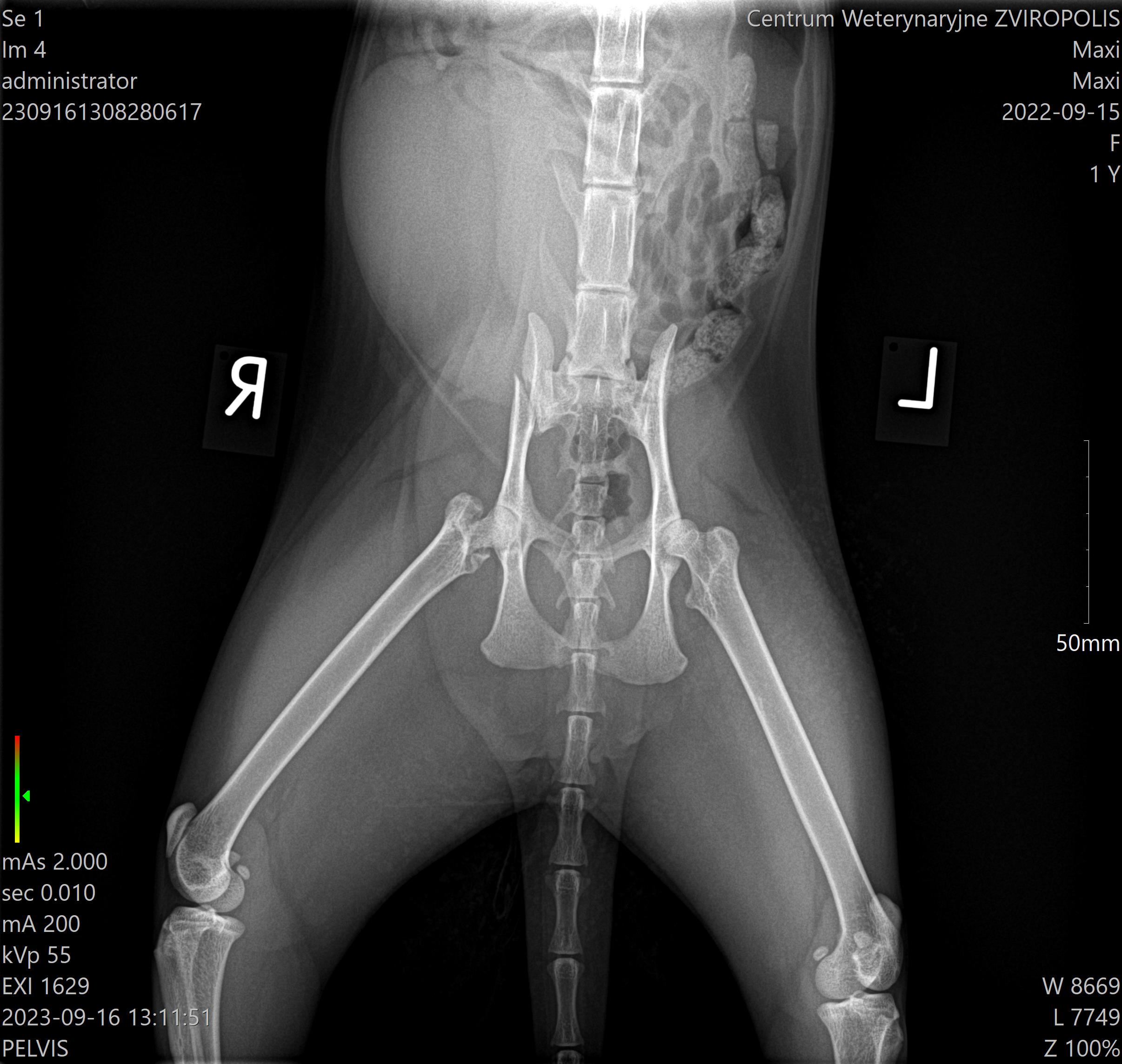
How to prepare your pet properly for an X-ray?
As with other diagnostic tests, your pet needs to be prepared for an X-ray in advance. At Zviropolis we take X-rays only under sedation, so the patient must be fasted for around 8-10 hours before the appointment. Please take away water 2 hours before you arrive at the clinic.
Are blood tests needed before an X-ray?
If the patient is an older animal, we always urge owners to have blood tests done because of the anaesthetic risk. The tests need to be fairly recent: depending on the animal’s general condition, the results are valid for around 2 weeks.
For pedigree patients predisposed to heart disease and for geriatric patients, an echocardiogram is also advisable.
Do you need records from previous appointments?
If you have previously seen an internal medicine vet, it is a good idea to bring the discharge notes with you. They will show when the problem (for example lameness) started and what medication was given, and if any survey X-rays were taken, they are always mentioned in the report.
Does a dog or cat have to be anaesthetised for an X-ray?
To carry out this examination properly, the patient has to stay completely still for a certain time. Positioning alone (laying the animal down, turning it, stretching the body or a limb) and holding it by force for the whole procedure is hugely stressful for most animals. Depending on the area being examined and where the problem is, a dog or cat often has to be placed in an unusual yet comfortable position. Some positions can be painful, for example with fractures. This is why we keep unpleasant memories to a minimum, as well as the danger to staff that can arise from the aggression of an animal in pain.