
Contact us Make an appointment

What Does a Cat’s Meow Mean? Communication, Emotions and Needs

In this article we will look at the different kinds of cat meowing and what they mean. We will show you how to recognise particular sounds and which emotions or needs a cat may be expressing through them. We will also focus on the role of meowing in communication between cats and people, explaining why cats meow mainly at their owners and how this affects our reactions and behaviour. We will discuss meowing as an expression of a cat’s emotions and the link between meowing and physical needs such as hunger, thirst or pain. Finally, we will cover how meowing can be a request for attention and interaction from the owner, and how to tell whether it is caused by old age or health problems.

Cat meowing: different kinds of sounds and their meaning

A cat’s meowing is remarkably varied and can have many different meanings. Cats can produce a range of sounds that express different emotions and needs. It is worth learning to recognise the different kinds of meowing so that you can understand your cat better.

One of the most common is a short, quiet meow, which may be a request for food or attention. A cat may also produce a louder, more intense meow, which often means it feels threatened or needs help. Some cats meow continuously and repetitively, which may suggest they are stressed or in pain.

What does a cat’s meow mean? Communication between cats and people

Meowing plays an important role in communication between cats and people. Cats meow mainly at their owners because they have learned that it is an effective way of getting our attention. A cat’s meow has a similar frequency and pitch to a baby’s cry, which means we are genetically programmed to respond to the sound. Our brain reacts to a cat’s meow automatically, and we simply cannot ignore it.

Cats use meowing as a way of expressing their needs and emotions. They may be asking for food, attention, play or reassurance. Meowing can also be a sign of stress or pain, which is why it is important to be able to recognise the different kinds of meowing and respond to them appropriately. Communication between cats and people through meowing is unique and helps us understand our furry friend better.

What does a cat’s meow mean? Meowing as an expression of emotion

A cat’s meowing is not just a way of communicating; it also expresses the various emotions a cat may be feeling. The manner, pitch and frequency of meowing can change depending on the animal’s emotional state. For example, when a cat is happy and content, its meow may be soft and gentle. When it is stressed or frightened, however, the meow may become louder and more insistent.

It is important to be able to recognise these differences in our cat’s meowing, as this helps us understand its needs and emotions better. If a cat meows intensely and constantly, it may mean it feels threatened or anxious. A quiet, short meow, on the other hand, may suggest the cat is relaxed and content.

Cat meowing and physical needs

A cat’s meowing can also be a way of expressing its physical needs. Cats often meow when they are hungry or thirsty. It is their way of getting our attention and letting us know they need food or water. If your cat regularly meows before meals, you can get it used to fixed feeding times to avoid excessive meowing.

Another reason a cat may meow is the need for a clean litter tray. Cats are very clean animals and will not tolerate a dirty tray. If a cat does not have access to a clean litter tray, it may start meowing to draw attention to this. It is important to clean your cat’s litter tray regularly and keep its conditions hygienic.

Cat meowing and the need for attention and interaction

A cat’s meowing is often an expression of its need for attention and interaction with its owner. Cats are very sociable animals and need our presence and attention. They often meow when they want to draw us over and spend time together.

When a cat meows to get our attention, it is important that we respond appropriately. We can give it some time and attention, play with it or stroke it. This will help the cat feel valued and appreciated. If we cannot attend to the cat straight away, we can give it something to play with, such as a ball or a scratching post, so that it has something to occupy itself with.

Cat meowing, old age and health problems

A cat’s meowing can change as it ages and as health problems appear. Older cats often meow more loudly and intensely, which may be caused by hearing loss or other age-related changes. If a cat stops reacting to its own meow, it may mean it has trouble hearing and has to make louder sounds to be sure it is heard.

With age, cats may also develop various health problems that affect the way they meow. Cats may meow more often and more intensely if they are in pain or discomfort. They may also meow continuously and repetitively if they suffer from feline dementia or other neurological problems. It is important to recognise these changes in an older cat’s meowing and respond appropriately, providing suitable care and support.
Why Do Cats Purr? Everything Worth Knowing About Purring

Purring is one of the most distinctive things cats do. In this article you will learn why cats purr and what the different reasons behind it are. We will also look at what purring means to cats and how it affects their wellbeing.

Why do cats purr? Causes and meaning of purring in cats

Cats purr for a variety of reasons, and each purr can carry its own meaning. One of the most important is contentment and comfort. When a cat feels safe and happy in its surroundings, it purrs to express pleasure. Purring can also act as a self-soothing mechanism in stressful situations. Just as people hum or sing to calm themselves down, cats use purring to lower their stress levels.

Cats may also purr to communicate their needs. Hungry cats often add high-pitched, cry-like sounds to their purr, which helps them get their owner’s attention. Paradoxically, purring can also be a sign of pain or discomfort. In such situations cats use purring as a form of self-healing. Fascinatingly, purring may even have therapeutic properties, speeding up bone healing and easing pain in both humans and cats themselves.

Purring as a form of communication: how cats use purring to communicate with people and other cats

Purring is not only a way of expressing contentment or calming down; it is also an important communication tool that cats use with both people and other cats. Cats are able to use purring to convey their needs and emotions.

When a mother cat purrs to her kittens, she strengthens the bond between them and gives them a sense of security. The kittens, in turn, start purring to tell their mother what they need. Purring therefore serves a communicative function in the relationship between a queen and her offspring.

Cats also use purring to communicate with people. They can vary the tone and volume of their purr to get our attention and express their needs. Cats often purr when they are hungry and want to remind us of it. Purring can also be an attempt to make contact and seek closeness with a person.

Between cats, purring can act as a social signal. Cats may purr to signal their intentions, for instance during play or a confrontation with another cat. Purring can serve as a form of vocal communication between cats.

Purring and feline health: can purring be a sign of pain or discomfort?

A cat’s purring can be not only an expression of contentment and comfort but also a signal of pain or discomfort. Cats often use purring as a form of self-healing when something hurts or they feel unwell. As owners, it is important that we stay alert to our cat’s behaviour while it is purring so that we can spot potential health problems.

One sign that may point to pain or discomfort in a purring cat is a change in behaviour. If your cat starts avoiding touch, withdraws or becomes aggressive while purring, it may be a sign that something hurts. It is also worth watching for other symptoms such as reduced appetite, excessive irritability or difficulty moving.

Differences in purring between cats: do all cats purr? What individual differences are there in the behaviour of purring cats?

Not all cats purr to the same extent. There are individual differences in how often and how loudly particular cats purr. Some cats are more inclined to purr than others, and some may not purr at all. This depends on many factors, such as the cat’s personality, life experiences and even its breed.

Cats with a more extroverted personality may be more likely to express their contentment and comfort through purring. More introverted cats, on the other hand, may prefer other forms of communication, such as seeking closeness with their owner or rubbing against them. Life experiences can also shape a cat’s purring behaviour. Cats that were mistreated in the past or had negative experiences may be less inclined to express contentment by purring.

Purring and feline emotions: how can purring reflect a cat’s emotions and wellbeing?

A cat’s purring is not only a form of communication but also a reflection of its emotions and wellbeing. Cats may purr in different situations depending on their mood and needs.

For example, when a cat is content and happy, its purring expresses pleasure and comfort. When a cat feels stressed or unsure, however, its purring may be an attempt to calm itself and those around it. It is worth paying attention to the context and other behavioural cues to better understand your cat’s emotions.

Purring and interaction with people: how should we respond to a cat’s purring?

Interacting with a cat while it purrs is extremely important for building the bond between a person and an animal. Responding appropriately to purring allows us to understand a cat’s needs and emotions better, which builds mutual trust and harmony in the relationship.

To respond properly to the needs a cat expresses through purring, watch the context and the animal’s other behavioural cues. If your cat is purring because it is content and happy, you can carry on stroking it and keep it comfortable. If, however, the cat seems stressed or unsure, it is better to give it space and quiet so that it can calm down on its own.

How to Litter Train a Cat

In this article we cover the key rules that will help with litter training, the right place to put the litter tray and ways to encourage your cat to use it regularly. Whether you have a small kitten or an adult cat, our tips will help you establish good toilet habits in your pet. With our advice, the process will be simpler and less stressful for both you and your cat.

How to litter train a cat: the general rules

Litter training can be a challenge, but with the right approach your cat will pick it up quickly. The most important thing is to place the litter tray in a quiet, easily accessible spot. Cats value their privacy, so avoid high-traffic areas. Cleanliness is another key factor: cats are very clean animals and may avoid a dirty tray. Regularly removing waste and changing the litter is essential. It is also worth paying attention to the type of litter. Some cats prefer a particular kind, so experiment to find the one your pet likes best. Rewards and positive reinforcement are extremely effective. When your cat uses the tray, praise it and give it a treat. Avoid punishing accidents, as this will only put the cat off using the tray. Remember that patience and consistency are key. Every cat is different and some need more time to learn. Watch your pet and adapt your methods to its needs. With the right approach, your cat will soon learn to use the litter tray, which benefits both of you.

Where to put the litter tray

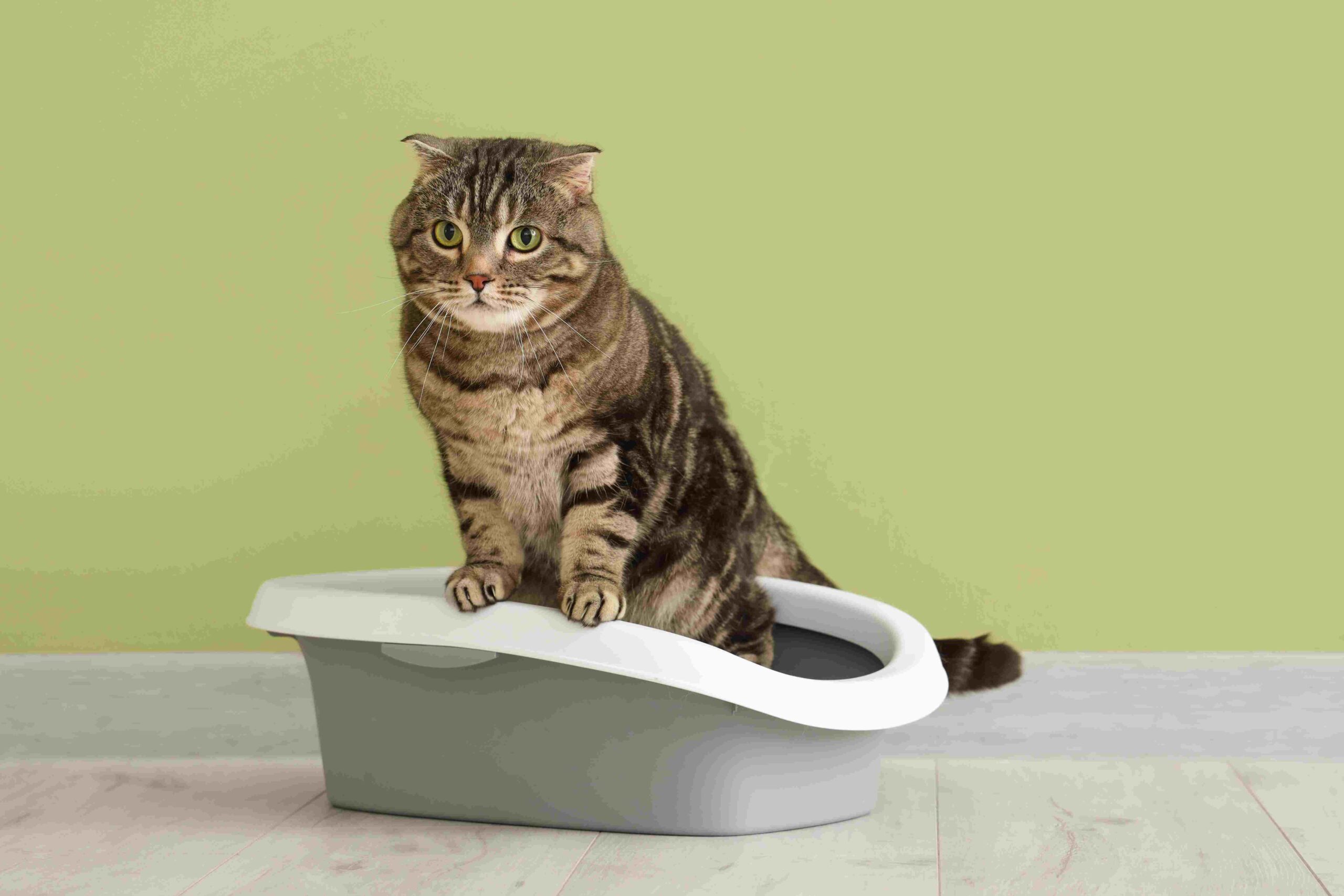
Choosing the right spot for the litter tray is crucial to successful litter training. The tray should be placed somewhere quiet and calm, away from noise and the bustle of the household. A bathroom or utility room can be ideal, giving the cat privacy and peace. Avoid placing the tray near food and water bowls, as cats are very clean and do not like to toilet where they eat. Remember to clean the tray regularly and keep it hygienic. Cats are very sensitive to smells and may avoid the tray if it is dirty. A clean, fresh litter tray is the foundation of successful training.

How to teach a cat to use the litter tray

If you want your cat to start using the litter tray, you need to approach it with patience and consistency. Cats value cleanliness and routine, so it is important to provide the right conditions. Choosing the right tray and the right location are key to success. The tray should be in a quiet, easily accessible spot, away from food and water bowls.

Here are a few steps that can help with litter training:

  • Choose the right tray: Make sure the tray is big enough and comfortable for your cat. Some cats prefer open trays, others covered ones.
  • Use the right litter: Cats have different litter preferences. Try a few types to find the one your pet likes best.
  • Clean the tray regularly: Cats are very sensitive to smells, so the tray must always be clean. Remove waste daily and change the litter at least once a week.
  • Watch your cat’s behaviour: If you notice the cat looking for somewhere to toilet, gently move it to the tray. Reward it every time it uses the tray.

Remember that patience and consistency are key. Every cat is different, so it may take a little time. It is important not to punish the cat for accidents but to focus on positive reinforcement. With the right approach, your cat will soon learn to use the litter tray.

When do cats most often use the litter tray?

Cats are exceptionally clean animals and instinctively strive to stay hygienic. Experts point out that cats are most likely to use a litter tray in calm, quiet places where they feel safe. The tray should be kept away from noisy household appliances and high-traffic areas. Cats prefer spots that give them some privacy, which helps them feel comfortable while they toilet. The tray should also always be clean. Cats are very sensitive to smells, so regular cleaning is essential. A dirty tray can put a cat off using it, which may lead to toileting elsewhere in the house.

The type of litter matters too: some cats have preferences about texture and scent, and this can also affect their willingness to use the tray. In addition, cats often use the tray after eating or after waking up. Watching your pet and noticing these moments can help you understand its habits better. Specialists suggest making sure the cat has easy access to the tray at these key moments, which can make litter training considerably easier.

How to litter train a kitten

Litter training a kitten can be a challenge, but with the right approach it is entirely achievable. The first step is choosing the right tray. It should be easy to reach and placed in a quiet spot where the kitten feels safe. The tray should also be the right size: not too big, but not too small either, so the kitten can move around in it freely. Once you have the right tray, show the kitten where it is. You can do this by gently placing the kitten in the tray after meals or after a nap. Cats have a natural instinct to bury their waste, so most kittens quickly work out what the tray is for. If the kitten has an accident outside the tray, do not shout or scold: that will only stress it.

Instead, gently move it to the tray and praise it when it uses the tray correctly. Cleanliness is also crucial. Cats are very clean animals and may avoid a dirty tray. Remove waste regularly and change the litter so the tray is always fresh. Keeping the tray clean not only encourages the kitten to use it but also helps avoid unpleasant smells in the house. Remember that every cat is different and some need more time to learn. Be patient and consistent, and your kitten will eventually get the hang of it. Regular rewards and positive reinforcement can speed the process up considerably.

How to litter train an adult cat

Litter training an adult cat may seem a daunting task, but with the right approach it is entirely achievable. First of all, choose a suitable tray and litter. The tray should be big enough for the cat to turn around in comfortably. The litter should be soft and pleasant under the cat’s paws, which will encourage it to use the tray. Once you have the right tray and litter, place the tray in a quiet, easily accessible spot. Avoid high-traffic areas so the cat feels safe. If the cat has never used a tray before, you can try putting some of its waste in the tray so it understands what it is for.

Regular cleaning is essential, as cats are very clean animals and may avoid a dirty tray. Remember to reward the cat every time it uses the tray. Positive reinforcement in the form of treats or praise will help it understand that using the tray is the behaviour you want. If the cat struggles to learn, be patient and consistent. Every cat is different and some need more time to adjust to a new routine.

How the number of litter trays affects cats’ toilet habits

Having enough litter trays in the house is crucial to litter training. Every cat needs its own space to toilet, so it is important to provide a sufficient number of trays. Too few trays can cause stress in cats and make them reluctant to use them.

Experts recommend one litter tray per cat in the household, plus one extra just in case. This way every cat has access to its own tray and does not have to compete with the others for it. The extra trays can be placed in different parts of the house so that all the cats can reach one easily.