

-
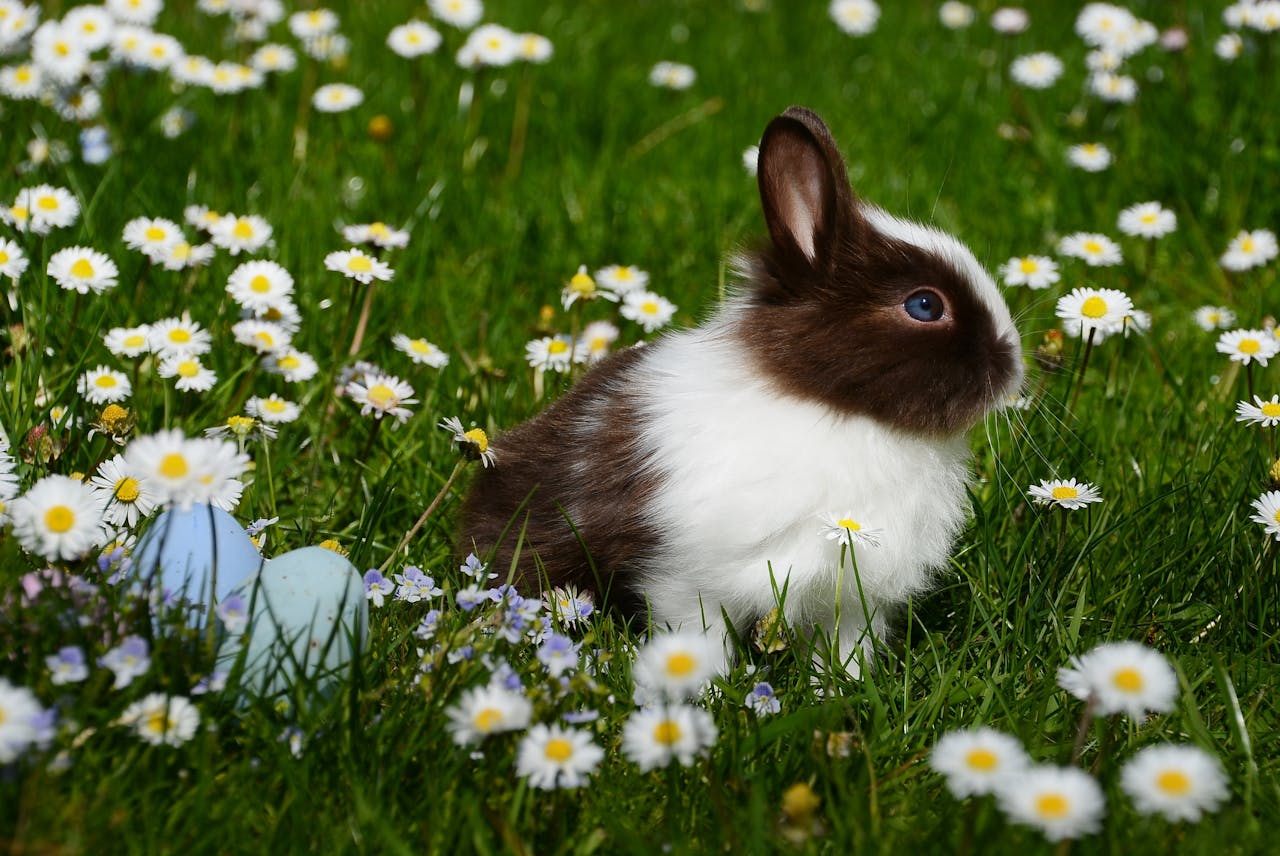
Parasitic diseases in rabbits: the commonest threats and how to prevent them
Coccidiosis, encephalitozoonosis, ear mange and cheyletiellosis are the parasitic diseases pet rabbits meet most often, and they can go unnoticed for a long time. We explain how they are diagnosed in the laboratory, how they are treated, and which hygiene, quarantine and feeding rules keep infection at bay.
-

How to protect your dog’s paws in winter
Frost, ice and road salt leave a dog's pads irritated, cracked and sometimes frostbitten every winter. We explain how to pick a route and a protective wax before the walk, how to rinse and dry the paws properly once you are home, and which signs mean it is time to call the veterinary clinic.
-

Horner’s syndrome in dogs and cats: signs, causes, diagnosis and treatment
A drooping eyelid, a smaller pupil and a visible third eyelid on one side add up to Horner's syndrome. It is not painful in itself and does not harm sight, but it often signals another, more serious condition underneath. We explain the causes, the diagnostic steps, the pharmacological tests and the treatment options.
What Does a Cat’s Meow Mean? Communication, Emotions and Needs
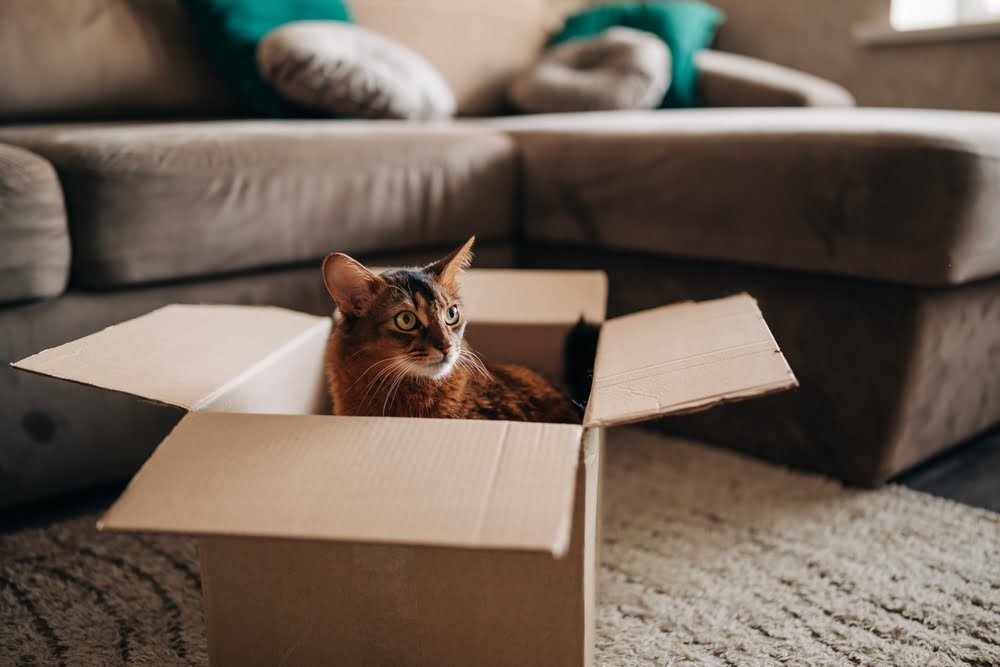
In this article we will look at the different kinds of cat meowing and what they mean. We will show you how to recognise particular sounds and which emotions or needs a cat may be expressing through them. We will also focus on the role of meowing in communication between cats and people, explaining why cats meow mainly at their owners and how this affects our reactions and behaviour. We will discuss meowing as an expression of a cat’s emotions and the link between meowing and physical needs such as hunger, thirst or pain. Finally, we will cover how meowing can be a request for attention and interaction from the owner, and how to tell whether it is caused by old age or health problems.
Cat meowing: different kinds of sounds and their meaning
A cat’s meowing is remarkably varied and can have many different meanings. Cats can produce a range of sounds that express different emotions and needs. It is worth learning to recognise the different kinds of meowing so that you can understand your cat better.
One of the most common is a short, quiet meow, which may be a request for food or attention. A cat may also produce a louder, more intense meow, which often means it feels threatened or needs help. Some cats meow continuously and repetitively, which may suggest they are stressed or in pain.
What does a cat’s meow mean? Communication between cats and people
Meowing plays an important role in communication between cats and people. Cats meow mainly at their owners because they have learned that it is an effective way of getting our attention. A cat’s meow has a similar frequency and pitch to a baby’s cry, which means we are genetically programmed to respond to the sound. Our brain reacts to a cat’s meow automatically, and we simply cannot ignore it.
Cats use meowing as a way of expressing their needs and emotions. They may be asking for food, attention, play or reassurance. Meowing can also be a sign of stress or pain, which is why it is important to be able to recognise the different kinds of meowing and respond to them appropriately. Communication between cats and people through meowing is unique and helps us understand our furry friend better.
What does a cat’s meow mean? Meowing as an expression of emotion
A cat’s meowing is not just a way of communicating; it also expresses the various emotions a cat may be feeling. The manner, pitch and frequency of meowing can change depending on the animal’s emotional state. For example, when a cat is happy and content, its meow may be soft and gentle. When it is stressed or frightened, however, the meow may become louder and more insistent.
It is important to be able to recognise these differences in our cat’s meowing, as this helps us understand its needs and emotions better. If a cat meows intensely and constantly, it may mean it feels threatened or anxious. A quiet, short meow, on the other hand, may suggest the cat is relaxed and content.
Cat meowing and physical needs
A cat’s meowing can also be a way of expressing its physical needs. Cats often meow when they are hungry or thirsty. It is their way of getting our attention and letting us know they need food or water. If your cat regularly meows before meals, you can get it used to fixed feeding times to avoid excessive meowing.
Another reason a cat may meow is the need for a clean litter tray. Cats are very clean animals and will not tolerate a dirty tray. If a cat does not have access to a clean litter tray, it may start meowing to draw attention to this. It is important to clean your cat’s litter tray regularly and keep its conditions hygienic.
Cat meowing and the need for attention and interaction
A cat’s meowing is often an expression of its need for attention and interaction with its owner. Cats are very sociable animals and need our presence and attention. They often meow when they want to draw us over and spend time together.
When a cat meows to get our attention, it is important that we respond appropriately. We can give it some time and attention, play with it or stroke it. This will help the cat feel valued and appreciated. If we cannot attend to the cat straight away, we can give it something to play with, such as a ball or a scratching post, so that it has something to occupy itself with.
Cat meowing, old age and health problems
A cat’s meowing can change as it ages and as health problems appear. Older cats often meow more loudly and intensely, which may be caused by hearing loss or other age-related changes. If a cat stops reacting to its own meow, it may mean it has trouble hearing and has to make louder sounds to be sure it is heard.
With age, cats may also develop various health problems that affect the way they meow. Cats may meow more often and more intensely if they are in pain or discomfort. They may also meow continuously and repetitively if they suffer from feline dementia or other neurological problems. It is important to recognise these changes in an older cat’s meowing and respond appropriately, providing suitable care and support.